Area Rug Size Measurements: Easy Help and Design Tips
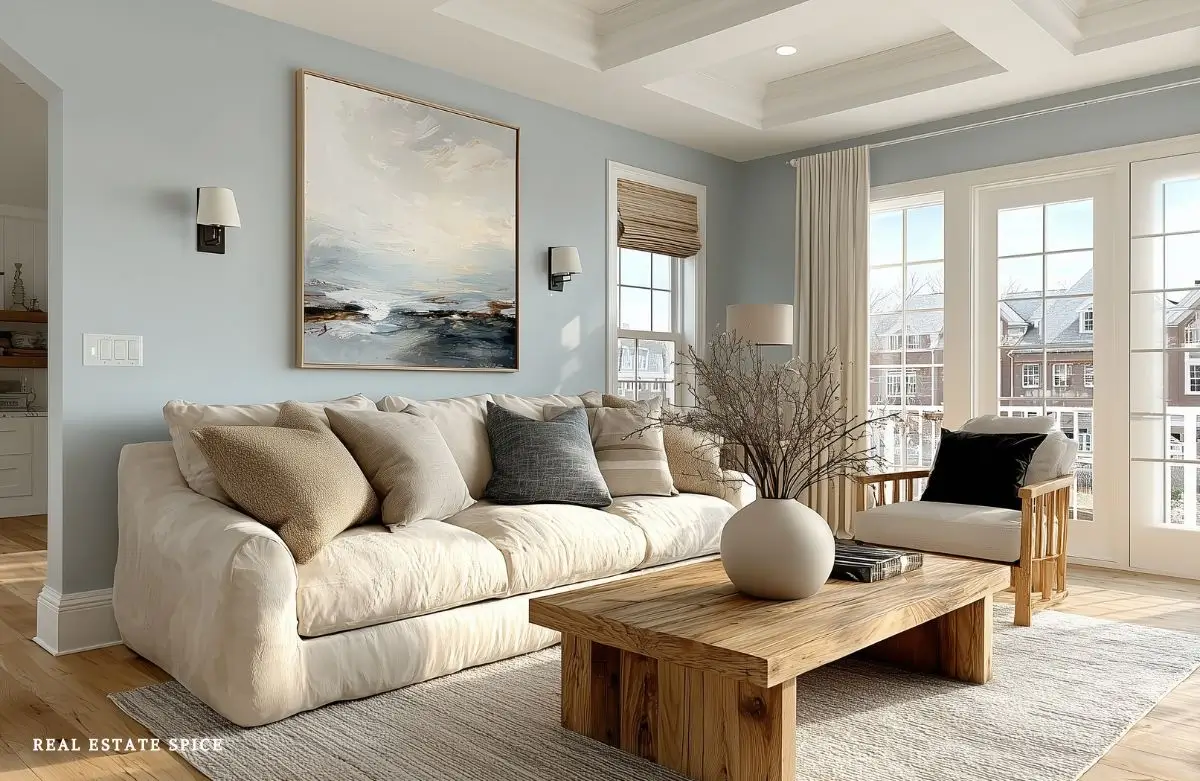
You know that moment when a room looks “off,” but you can’t put your finger on why?
Nine times out of ten, the rug is either too small, floating awkwardly, or hiding in a corner like it’s shy.
Rugs are the unsung heroes of a room—quietly grounding your furniture, adding texture, color, and that cozy, well-put-together vibe we all love.

The trick is size.
Once you get size right, everything else—style, texture, color—becomes a fun bonus.
Below you’ll find simple rug size charts, real-world examples, painter’s-tape tricks, and clever ideas that work for small spaces, apartments, and open-concept homes.
Grab your favorite beverage, pen, and paper for notes; take your time to study the guide, sizing tips, and products, and enjoy!
ps…remember to save this and come back anytime for help!
Get My Free eBook
“100 Easy Ways To Refresh Any Room All Year Round”
How To Use This Guide
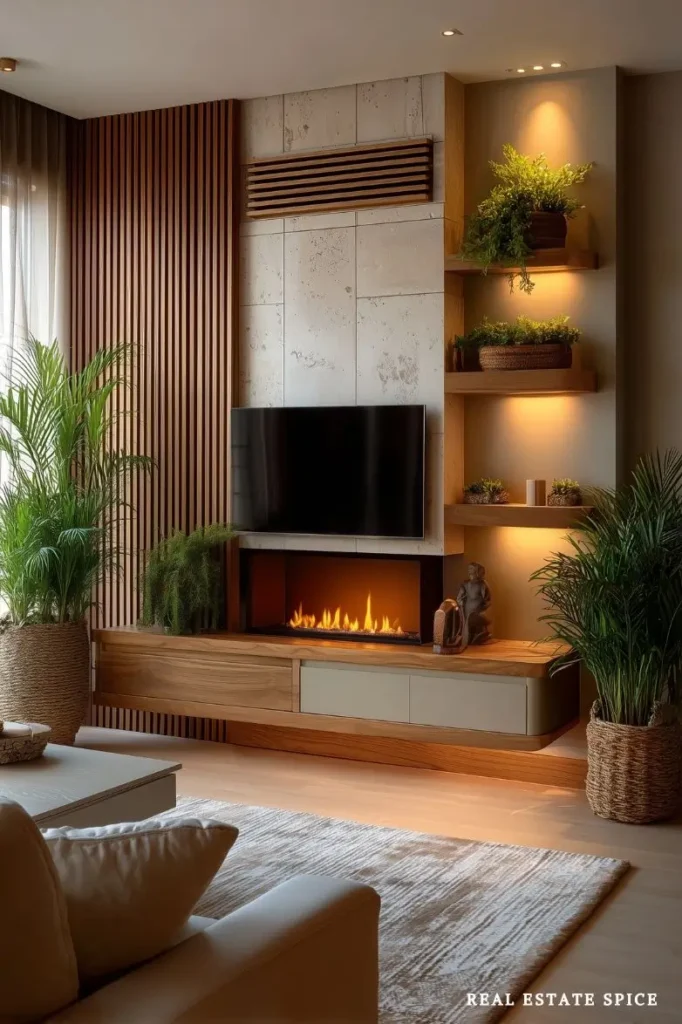
Start with the room you’re working on (Living Room, Bedroom, Dining Room, Entryway, Hallway, Kitchen).
Find your furniture layout (sofa with chairs, sectional, bed size, table shape).
Use the charted measurements and “green-zone” clearances (the foolproof spacing that always looks polished).
Tape it out on your floor before buying. (Yes, the blue painter’s tape is your new best friend.)
Rug Sizing Basics (The Three Golden Rules)
1) Bigger Is Usually Better
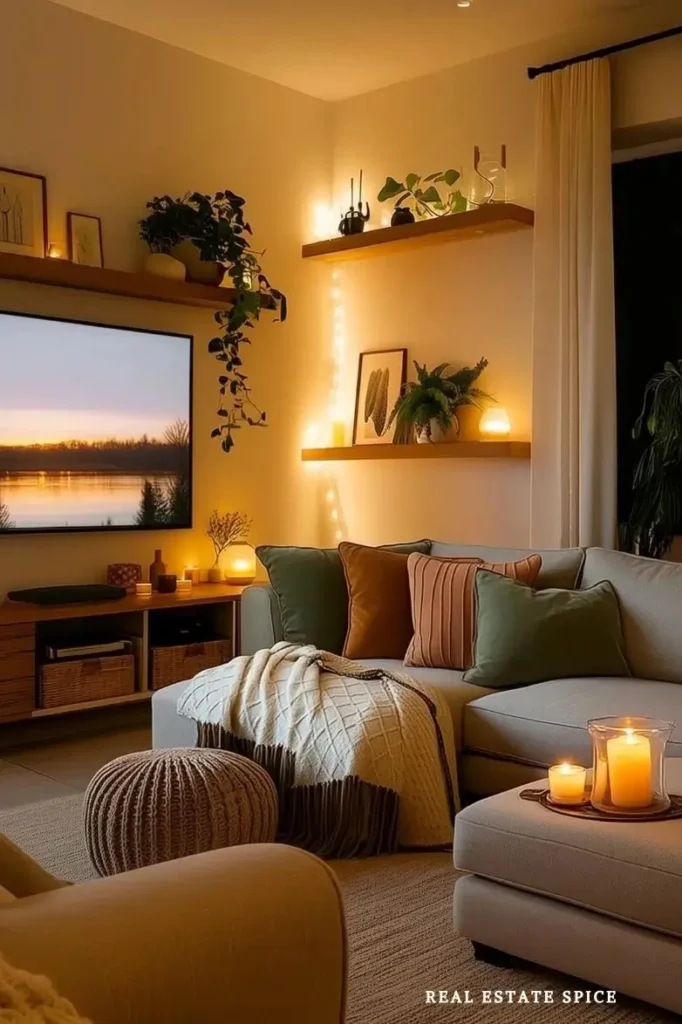
When you’re deciding between two sizes, the larger size nearly always looks more intentional.
A too-small rug makes furniture feel crowded and the room feel choppy.
A right-sized rug stretches the eye and makes your space feel calm and cohesive.

2) Commit To At Least The Front Legs
If you can’t fit all the furniture legs on the rug, aim for the front legs. This includes sofas, chairs, and tables.
It anchors the seating group as one “zone” rather than a random collection of pieces.
3) Know Your Green-Zone Clearances
Use these flexible green-zone ranges to place your rug and furniture with confidence.
They’re the forgiving measurements that keep walkways comfortable, anchor your seating group, and make the whole room feel calm and pulled together.
- Sofa/Chairs to Coffee Table: 14″–18″
- Rug Edge to Sofa/Chair Front Legs: 4″–8″ (so pieces are clearly “on” the rug)
- Wall Clearance for Large Rugs: 12″–18″ from rug edge to wall perimeter
These ranges are the “looks-great-in-photos and real life” distances that cut the guesswork.
Get My Free eBook
“100 Easy Ways To Refresh Any Room All Year Round”
Living Room Rug Size Charts
Living rooms are where sizing mistakes happen the most, so let’s make it easy. Pick your layout and room size, then choose the rug.
Standard Living Room Layouts (Sofa + Chairs)
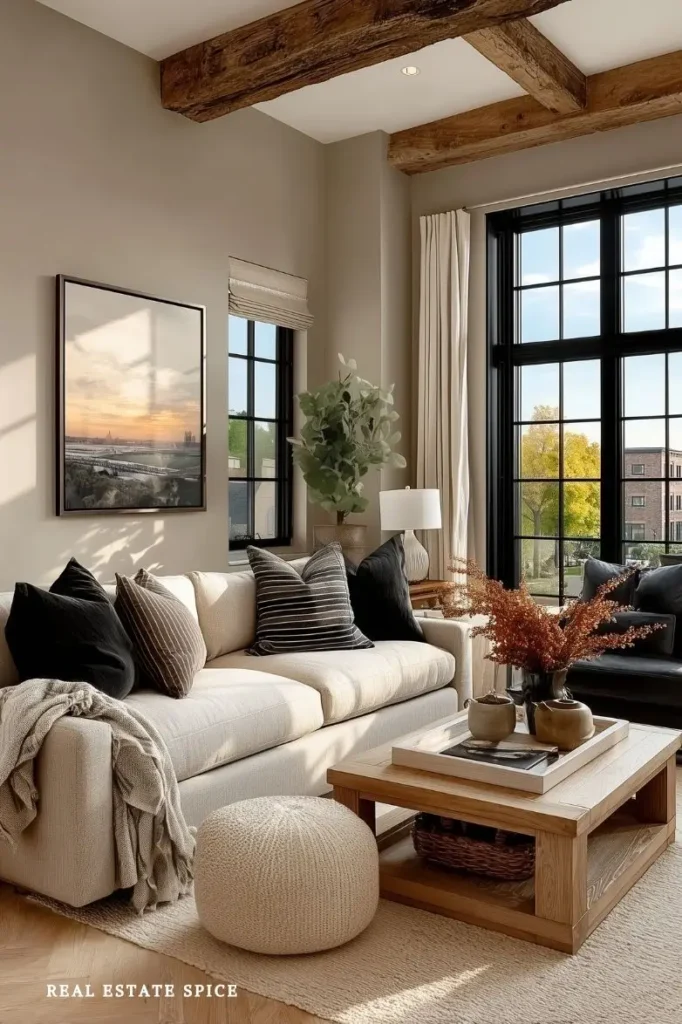
Room size: ~11′ x 13′ to 12′ x 15′
- Best rug sizes: 8′ x 10′ or 9′ x 12′
- Placement: Front legs of sofa and chairs on rug; keep 12″–18″ to walls.
Room size: ~13′ x 17′ to 15′ x 20′
- Best rug sizes: 9′ x 12′ or 10′ x 14′
- Placement: All legs on rug if possible; or at least front legs for every seat.
Compact/Apartment living room (~10′ x 12′)
- Best rug size: 6′ x 9′ (or 8′ x 10′ if it fits)
- Tip: Prioritize getting the sofa’s front legs on the rug. If chairs don’t fit, angle them slightly with just the front legs on.
Sectional Layouts (L-Shape and U-Shape)
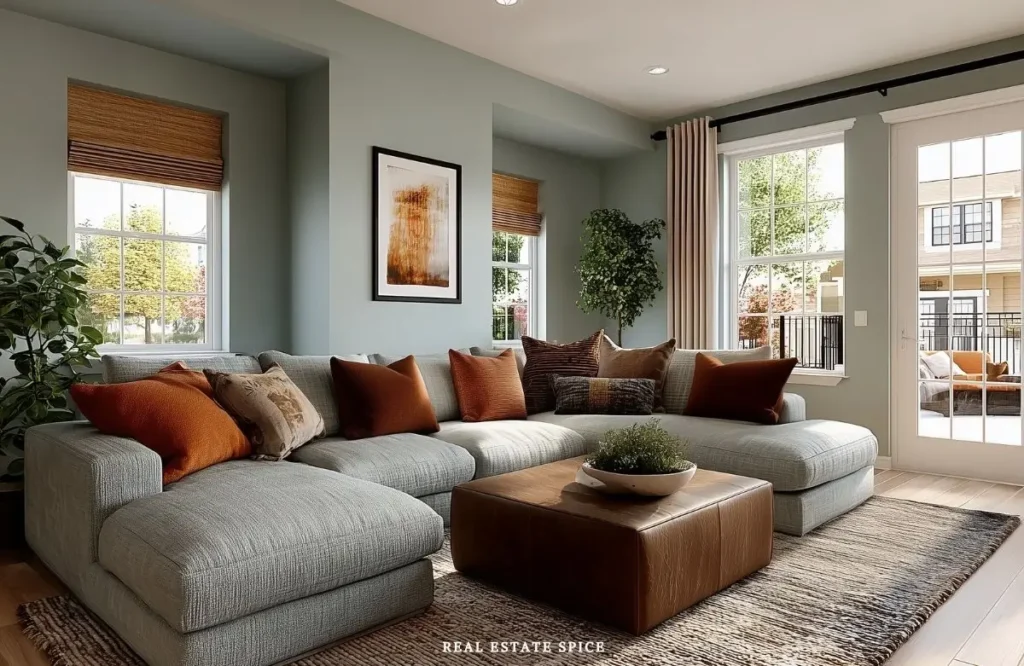
Small sectional (chaise on one side), room ~11′ x 14′
- Best rug size: 8′ x 10′
- Placement: Front legs of the sectional on the rug; ensure the chaise’s front corner rests on it.
Large L-shaped sectional, room ~13′ x 18′
- Best rug size: 9′ x 12′ (or 10′ x 14′ if space allows)
- Placement: Try to get all sectional front legs on the rug, as well as the chairs’ front legs.
U-shaped seating, room ~15′ x 20’+
- Best rug sizes: 10′ x 14′ or 12′ x 15′
- Placement: All front legs on the rug; you’re creating one generous, unified conversation area.
Coffee Table & Rug Spacing (The Easy Math)

- Coffee table to sofa/chairs: 14″–18″
- Rug edge to coffee table: 12″–18″ (so you see rug around it; it looks balanced)
- If using a round coffee table, center it and maintain a reach of 14″–18″ from the seating.
My Tape-First Trick (Living Room)
- Tape the maximum rectangle your room comfortably allows, leaving 12″–18″ from each wall.
- Inside that tape box, place your sofa, chairs, and coffee table.
- If front legs sit on the taped area with proper coffee table reach, you’ve found your rug size.
Get My Free eBook
“100 Easy Ways To Refresh Any Room All Year Round”
Bedroom Rug Size Charts
Your bed is the anchor.
The rug should frame it the way a mat frames a piece of art—balanced, soft under your feet, and proportional.
Under A Queen Bed (60″ x 80″)

Best rug sizes:
- 8′ x 10′ (most popular, generous side/foot coverage)
- 6′ x 9′ (works in smaller rooms)
Green-zone clearances:
- Rug under nightstands or starting just below them: both are correct—choose by room length.
- Side reveal: Aim for 18″–24″ of rug visible on each side.
- Foot reveal: Aim for 24″–36″ past the foot of the bed.
Small room workaround:
- Two 2’6″ x 8′ runners on either side of the bed, and/or a 3′ x 5′ at the foot.

Under A King Bed (76″ x 80″)

Best rug sizes:
- 9′ x 12′ (ideal for balanced coverage)
- 8′ x 10′ (works; you’ll get less side reveal)
Green-zone clearances:
- Side reveal: 20″–24″
- Foot reveal: 24″–36″
If you use bench seating:
- Keep 8″–10″ of rug visible beyond the bench sides so it doesn’t look like an afterthought.
Under A California King (72″ x 84″)
Best rug sizes:
- 9′ x 12′ (still the move—length supports that extra bed length)
- 10′ x 14′ (large rooms; luxurious side and foot coverage)
Get My Free eBook
“100 Easy Ways To Refresh Any Room All Year Round”
Platform Beds & Low Profiles
Low beds love larger rugs because the visual “lift” comes from the rug’s field, not tall legs.
If your bed floats in a minimalist room, err toward 9′ x 12′ for queen and 10′ x 14′ for king if space allows.
Two Twin Beds (Kids or Guest Room)
Best layouts:
- One 8′ x 10′ under both beds (nightstand centered, rug under all)
- Two 3′ x 5′ rugs—one at each bed foot
- One runner (2’6″ x 10′ or 12′) between the two beds
Green-zone:
- Leave 8″–12″ from rug edge to bed rails so it reads aligned.
Dining Room Rug Size Charts

Dining rooms are simple when you remember one number: 24 inches.
That’s the pull-out chair clearance you want beyond each side of your table so chairs stay on the rug.
Rectangle Tables
- Table for 4–6 (approx. 36″–42″ x 60″–72″)
- Best rug: 8′ x 10′
- Clearance: +24″ beyond table on all sides
- Table for 6–8 (approx. 42″ x 78″–84″)
- Best rug: 9′ x 12′
- Clearance: +24″ beyond table on all sides
- Long table for 8–10 (approx. 42″ x 96″+)
- Best rug: 10′ x 14′
- Clearance: +24″ beyond table on all sides
Round Tables
- Table diameter 42″–48″
- Best rug: 8′ round (or 8′ x 10′ rectangle if the room is rectangular)
- Table diameter 54″–60″
- Best rug: 9′ round (or 9′ x 12′ rectangle)
Round-over-Rectangle Tip:
If the room is rectangular but you love a round table, use a rectangle rug sized to the room and center the round table. It will look balanced and allow the chairs to stay on the rug.
Extendable Tables
If you host often and extend your table, size the rug to the table when extended so chairs won’t trip off the rug at parties.
Entryway & Hallway Runner Charts

Entries set the tone (and they’re a Pinterest favorite because they’re so “save-able”). Hallways and entries have simple math.
Entryway
- Small square/compact entry: 3′ x 5′ or 4′ x 6′
- Larger rectangular entry: 5′ x 8′ or 6′ x 9′
- Round entry: 6’–8′ round centered under pendant or chandelier
Clearances:
- Keep 6″–8″ from walls/doorways so doors clear easily.
- If you have a bench, let the rug extend 6″–10″ beyond bench legs.
Hallways
- Standard runner widths: 2’–3′ wide
- Lengths: 8′, 10′, 12′, 14′
Green-zone:
- Leave 4″–6″ of floor reveal on each side of the runner for that clean “border” look.
- If you need two runners end-to-end, overlap patterns slightly or add a slim seam gap (~1″) so it looks intentional.
Advanced trick:
If your hallway is wide, use a 3′ x 8′ runner centered and flank it with wall sconces or art for a gallery effect.
Kitchen Rugs (Yes, They Belong Here)
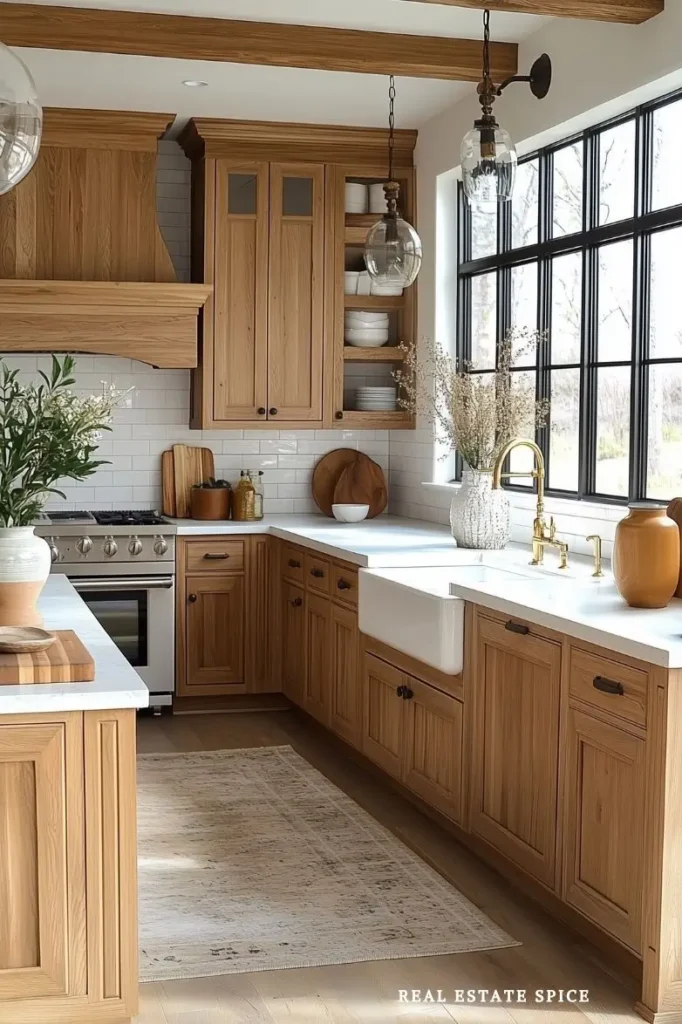
Kitchens love texture underfoot—especially in front of the sink and ranges.
- Galley kitchen or between island & perimeter: 2’6″ x 8′ or 2’6″ x 10′ runner
- Sink area: 2′ x 3′ or 3′ x 5′
- Open kitchen breakfast nook: match the dining rug rules (24″ chair clearance)
Material tip:
Flatweaves and indoor/outdoor blends are easier to clean and don’t fight with stool legs.
Open-Concept Homes: Zoning With Rugs
In open plans, rugs define “rooms” without walls. Use two or three rugs to create zones—living, dining, reading nook—while keeping a visual rhythm.
Zoning tips:
- Maintain a consistent color temperature (all cool or all warm tones).
- Vary pattern scale: large scale in living, smaller hit in dining, texture-rich in the reading nook.
- Keep adjacent rug edges parallel or purposefully offset by at least 6″–8″ if layered for interest.
Size guide:
- Living zone: follow living room charts above.
- Dining zone: follow dining charts, centered under fixture.
- Add a small “pause rug” near a bookcase, piano, or window seat: 3′ x 5′ or 4′ x 6′.
Layering Rugs (Designer-Level Without The Designer Price)
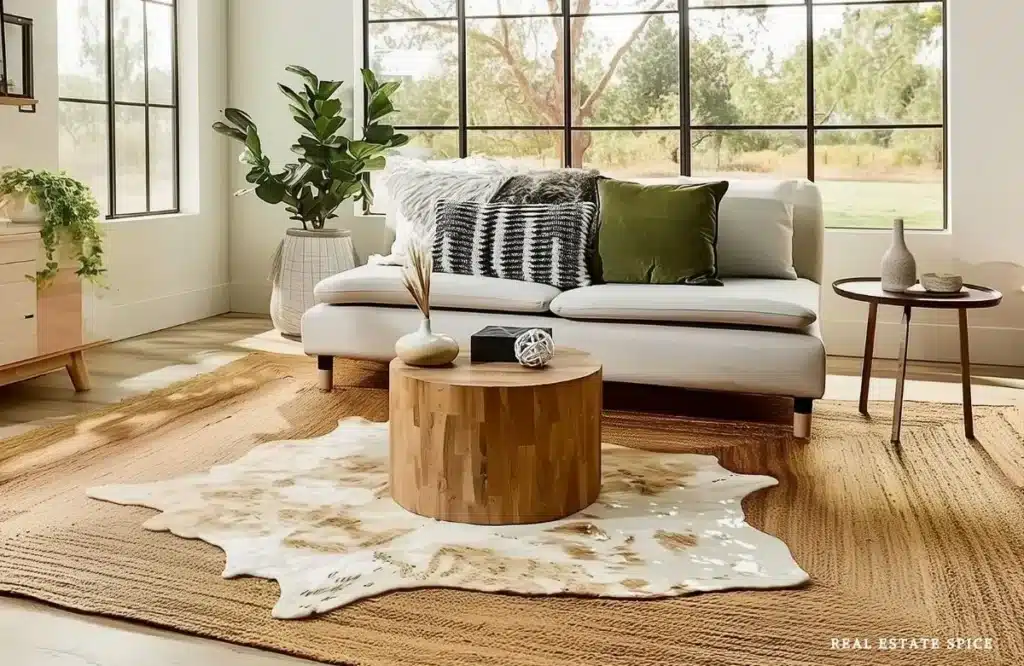
Layering gives you comfort + scale + style. It’s also the easiest way to make a too-small heirloom or vintage piece work.
Go-to combos:
- 9′ x 12′ jute base + 6′ x 9′ vintage on top
- 8′ x 10′ flatweave base + 5′ x 7′ patterned on top
- Large natural fiber base + cowhide accent (angled slightly)
Rules of thumb:
- Top rug should be 60%–80% the size of the base.
- Let the top rug push 6″–12″ beyond the coffee table on at least two sides.
- Keep corners aligned or offset intentionally (not “almost” straight—go purposefully angled).
Round Rugs: When And Where They Shine
Round rugs soften square rooms and center attention under a light, table, or accent chair.
Living room:
- 6’–8′ round under a single accent chair + side table
- 8’–9′ round for a petite conversation area of two slipper chairs
Bedroom:
- 6’–8′ round partially under the bed corner in a small room to add flow
- 9′ round centered under a chandelier in a large primary bedroom seating nook
Dining:
- Match the table diameter plus 24″ chair clearance (see Dining charts). If in doubt, go up a size.

Small Spaces & Apartments: Smart Sizing That Looks Grown-Up

A common instinct is to grab a small rug for a small room. Counterintuitive truth: a slightly larger rug makes the room feel bigger because it visually expands boundaries.
Micro-room cheat sheet:
- Living room ~10′ x 12′: 6′ x 9′ minimum, 8′ x 10′ if you can
- Bedroom (full/queen): 6′ x 9′ minimum, 8′ x 10′ for better side reveal
- Entry: 3′ x 5′ or 4′ x 6’—pick the largest that clears the door swing
High-impact idea:
Use a broadloom remnant bound to a custom size. It maximizes coverage without custom-rug pricing and gives you exactly the size your room needs.
Get My Free eBook
“100 Easy Ways To Refresh Any Room All Year Round”
Pet-Friendly, Kid-Friendly, Life-Happens Choices (Without Losing Style)

- Fiber picks: Wool (naturally resilient), indoor/outdoor polypropylene blends (easy clean), or performance nylon.
- Pile height: Low to medium pile is easier to vacuum and doesn’t eat toy wheels or shed as much.
- Pattern scale: Medium pattern hides everyday life beautifully. Tiny ditsy prints can read “busy,” huge patterns can dominate.
- Pad matters: A felt-rubber pad keeps rugs from sliding and adds cushion without tripping edges.
Quick-Look Room-By-Room Size Guide
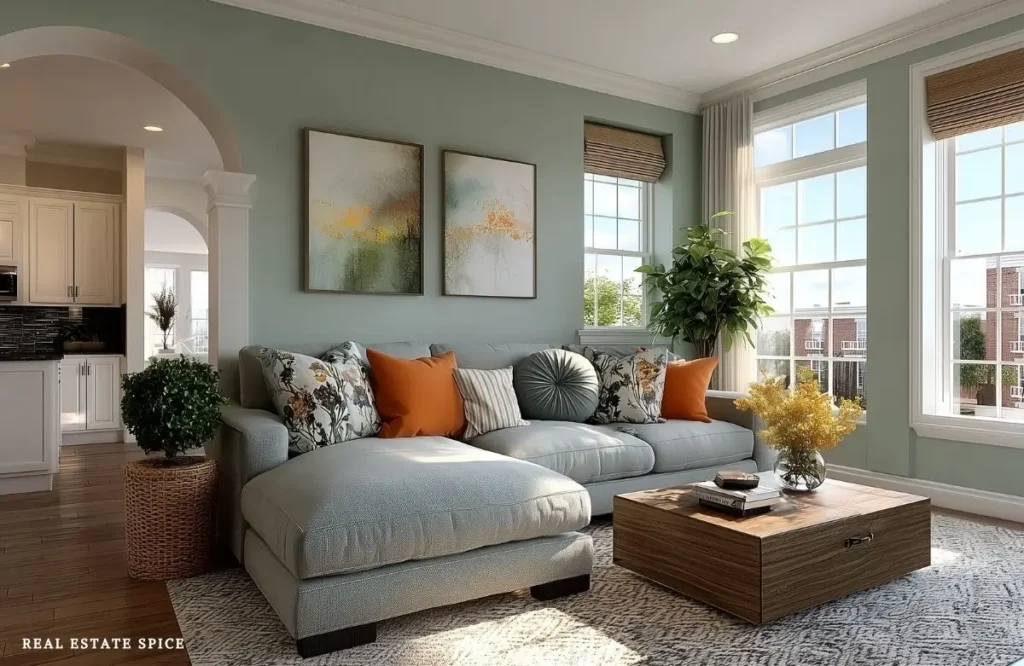
Living Room:
Small: 6′ x 9′ (front legs on)
Medium: 8′ x 10′ (front or all legs on)
Large: 9′ x 12′ or 10′ x 14′ (all legs on)
Sectional:
Small L: 8′ x 10′
Large L: 9′ x 12′
U-Shape: 10′ x 14’+
Bedroom:
Queen: 8′ x 10′ (or 6′ x 9′)
King/Cal King: 9′ x 12′ (or 10′ x 14′ for large rooms)
Runners: 2’6″ x 8′ on both sides
Dining:
Seats 4–6: 8′ x 10′
Seats 6–8: 9′ x 12′
Seats 8–10: 10′ x 14′
Always +24″ chair clearance
Entry: 3′ x 5′, 4′ x 6′, 5′ x 8′, or 6’–8′ round
Hallway: 2’–3′ x 8’/10’/12′ (4″–6″ side reveal)
Kitchen: 2′ x 3′, 3′ x 5′, or 2’6″ x 8’/10′ runner
Designer-Level Details That Make Your Rug Look Custom

The “Frame The Furniture” Mindset
Think of the rug as a frame for your main grouping.
No stragglers allowed. If a piece belongs to the group (like an accent chair you actually use), at least the front legs should touch the rug.
Symmetry Without Being Stuffy
If your furniture isn’t perfectly symmetrical, let the rug bring balance.
Center the rug to the room’s architecture (not necessarily the sofa), then make micro-adjustments so traffic flow still works.
Traffic Lanes You’ll Love
Leave 30″–36″ for main walkways around seating, and 24″ for lighter paths.
Rugs should support, not interrupt, natural walking patterns.
When A Rug Stops The Door
If door swing is an issue, choose a thinner pile or a flatweave.
In entries, a 4′ x 6′ often clears better than a 5′ x 8′, depending on the hinge and threshold.
Common Sizing Mistakes (And How To Fix Them Fast)
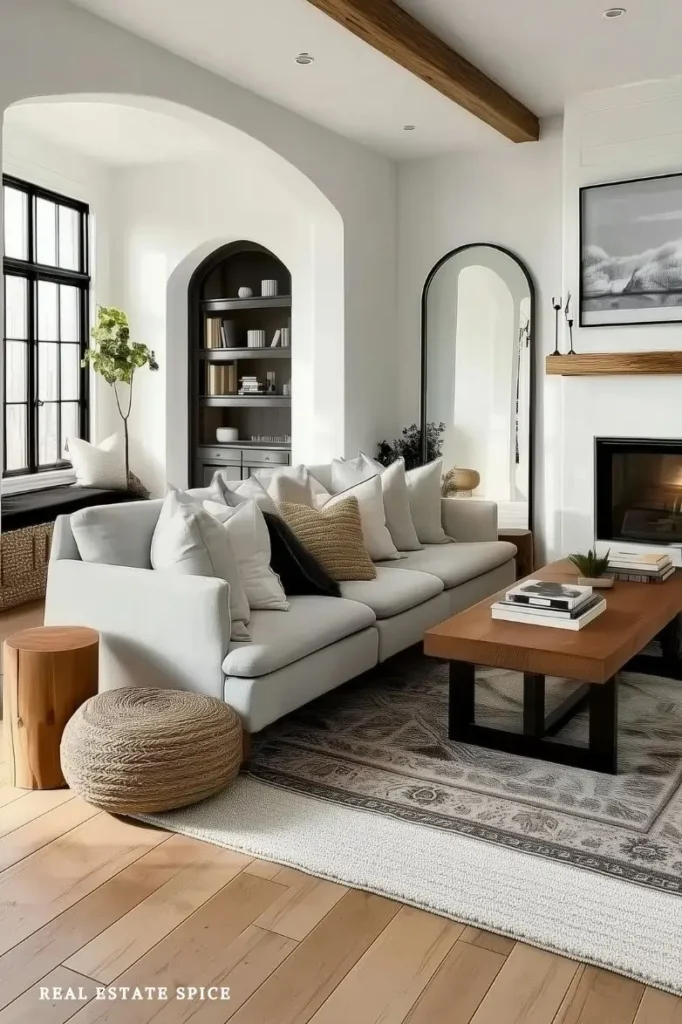
- Rug is too small and floating
Fix: Layer it on top of a larger natural-fiber rug (like 9′ x 12′ jute). Now your beloved smaller rug looks intentional. - Coffee table too close or too far
Fix: Re-space to 14″–18″ from seating. Adjust furniture before blaming the rug. - Dining chairs fall off the rug when pulled out
Fix: You needed +24″ beyond the table top. Size up or choose a custom-bound broadloom. - Bedside reveals look skimpy
Fix: Upgrade from 6′ x 9′ to 8′ x 10′ under a queen. Or add two runners to either side. - Hallway runner hugs the wall
Fix: Center it and aim for 4″–6″ reveal on both sides.
Specialty Layouts: Fireplaces, Bay Windows, Odd Angles
- Fireplace centering: Align the rug to the fireplace opening (or mantel) if the fireplace is the focal point. Then balance the sofa/chairs so the conversation area centers on the rug.
- Bay windows: Let the rug extend under the front legs of seating flanking the bay to pull the nook into the living group.
- Odd angles: Choose a rug that aligns with the dominant wall or ceiling line. If architecture is angled, a larger rug with a strong straight edge can visually “square” the space.
Rugs Under Desks, Pianos, And Accent Chairs
- Desk: Size so the chair stays fully on the rug when pulled out (usually 6′ x 9′ or 8′ x 10′ depending on desk).
- Upright piano: The rug can go under front legs only; leave space at the back for sound resonance.
- Accent chair vignette: 5′ x 7′ or 6′ x 9′ with a small round side table reads cozy and purposeful.
Texture, Pile, And Padding (Because Comfort Counts)
- Padding: Use a felt-rubber pad—cushy + non-slip. Trim 1–2″ inside the rug perimeter so the pad doesn’t peek out.
- Pile height: Low to medium works best in high-traffic rooms. Save plush for bedrooms and reading corners.
- Texture mix: If your sofa is smooth (linen, leather), a nubbly or looped rug adds dimension. If your sofa is bouclé or heavily textured, a flatter rug calms the look.
The Painter’s Tape Method (Your Pre-Purchase Dress Rehearsal)
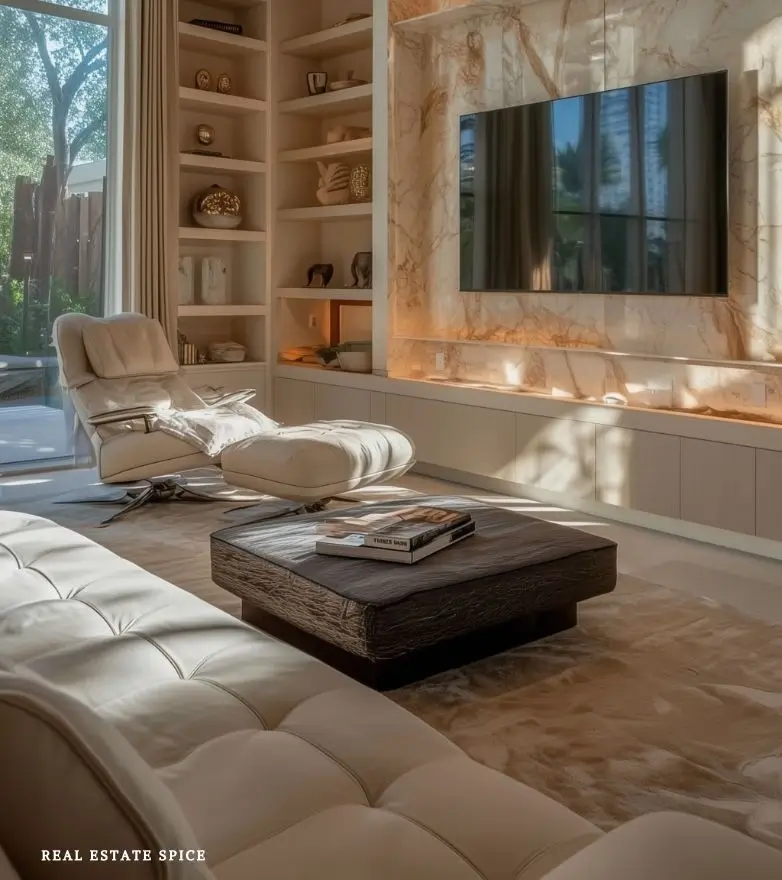
- Mark the maximum rug size that fits the room with 12″–18″ perimeter to walls.
- Place furniture where it truly lives—no staging.
- Test walkways: ensure 30″–36″ main paths, 24″ secondary.
- Check leg positions: front legs on the taped area for each piece.
- Measure the tape box you actually used. That’s your rug size.
This method prevents buyer’s remorse and lets you order confidently.
Budget-Friendly Ways To Nail Scale
- Bound broadloom: Order by the foot to exact dimensions. Great for open concepts and oddly sized rooms.
- Layer with jute or sisal: Buy a value-priced large natural fiber rug; layer your patterned favorite on top.
- Use two rugs invisibly: In big rooms, place two identical 8′ x 10’s side by side and hide the seam under the coffee table.
Color & Pattern: Keep The Eye Moving (In a Good Way)
- Calm rooms: solid or heathered rugs with a subtle weave.
- Hide-the-daily-life rooms: medium-scale patterns in mixed neutrals.
- Open concept: keep rug colors cousins (same undertone family); shift pattern scale from zone to zone for interest.
Get My Free eBook
“100 Easy Ways To Refresh Any Room All Year Round”
Quick FAQ (The Stuff People Ask Me All The Time)
Should all furniture legs be on the rug?
Not required, but it’s lovely when the room allows. At minimum, commit to front legs on for every seating piece in the group.
Can I angle a rug?
Yes, when there’s a strong focal angle (like a bay window or diagonal fireplace). If you angle, angle with purpose—more than a few degrees, not “oops crooked.”
What if my room is very narrow?
Use a custom length runner in front of a sofa + narrow coffee table to lengthen the room. Or choose a 6′ x 9′ oriented longways and keep the coffee table slim.
Do I need a pad on carpet?
Surprisingly, yes. A thin felt pad can prevent wrinkling and make layered rugs feel sturdy.
Unique Ideas To Help You

The “Room Scale” Test
Before you buy, stand in a corner and squint (yes, I said squint).
If the taped rug feels like it holds the visual weight of the sofa and chairs comfortably, you’re good.
If the furniture looks like it’s pushing past the tape, size up.
The Seamless Double
Two identical rugs placed side-by-side can look like one if you:
- Align patterns perfectly,
- Center the coffee table over the seam,
- Use a thin pad beneath to stabilize,
- Rotate pile directions to minimize a visible line.
The Floating Zone
In lofts or studios, place a round 8’–9′ rug under your living area even if walls are far away.
Round shapes soften hard edges and make the area feel curated without needing a giant rectangle.
Get My Free eBook
“100 Easy Ways To Refresh Any Room All Year Round”
The Accent Shadow
Have a stunning small vintage rug? Layer it on a solid tonal base that’s one shade darker. That slight “shadow” around the pattern reads editorial and purposeful.
Visual Lift For Low Ceilings
Pair a slightly larger rug with ceiling-height curtains in the same undertone family. Big base, tall frame—your room reads taller and calmer instantly.
A Simple Step-By-Step: Choose Your Rug Size In 10 Minutes
- Measure the room (length x width).
- Identify your layout (sofa + chairs, sectional, bed size, table shape).
- Pick the chart for your room and choose the likely size.
- Tape it out with painter’s tape.
- Check clearances: wall (12″–18″), walkways (30″–36″), coffee table reach (14″–18″), dining pull-out (+24″).
- Confirm furniture legs: at least front legs on the rug.
- Look from the doorway—does the grouping feel anchored?
- Size up if you’re between sizes.
- Choose a pad (felt-rubber).
- Order with confidence and enjoy how your room suddenly looks magazine-ready.

Rugs are the foundation piece that make everything else look thoughtful—from your lighting and art to your pillows and side tables.
Get the size right, and your space instantly feels more polished, more cohesive, and more you.
Keep this guide handy, tape before you buy, and let the charts do the heavy lifting so you can enjoy a home that feels calm and beautifully grounded.