The Kitchen Rule of 3 Lighting: The 3 Fixes That Make Your Kitchen Look Expensive
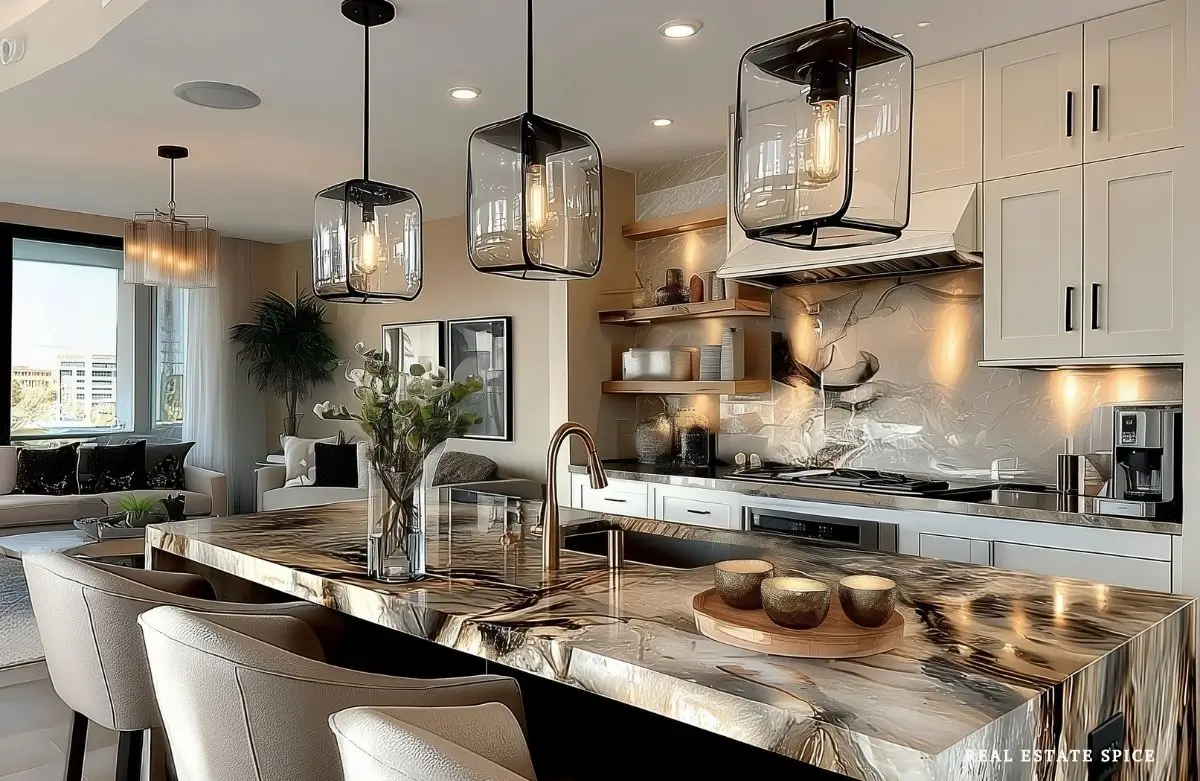
Kitchen lighting design changes your whole kitchen.
If you’ve ever walked into your kitchen at night, flipped on the overhead light, and thought, “Oof… that’s a lot,” welcome. You’re among friends.
That harsh “big light” energy is exactly why kitchen lighting is one of the fastest ways to make a kitchen feel more expensive without touching a single cabinet.
This is your Kitchen Rule of 3 lighting installment, which means we’re not going to spiral into “let’s redesign the entire electrical plan of the house.”

We’re going to focus on the three lighting moves that change the whole vibe: better bulbs, better task lighting, and one intentional statement moment.
Now let’s fix the lighting situation.

Grab your favorite beverage, pen, and paper for notes; take your time to study the images, design tips, and products, and enjoy!
ps…remember to save this and come back anytime for a dose of inspo!
Why Lighting Is the Shortcut to an Expensive Looking Kitchen
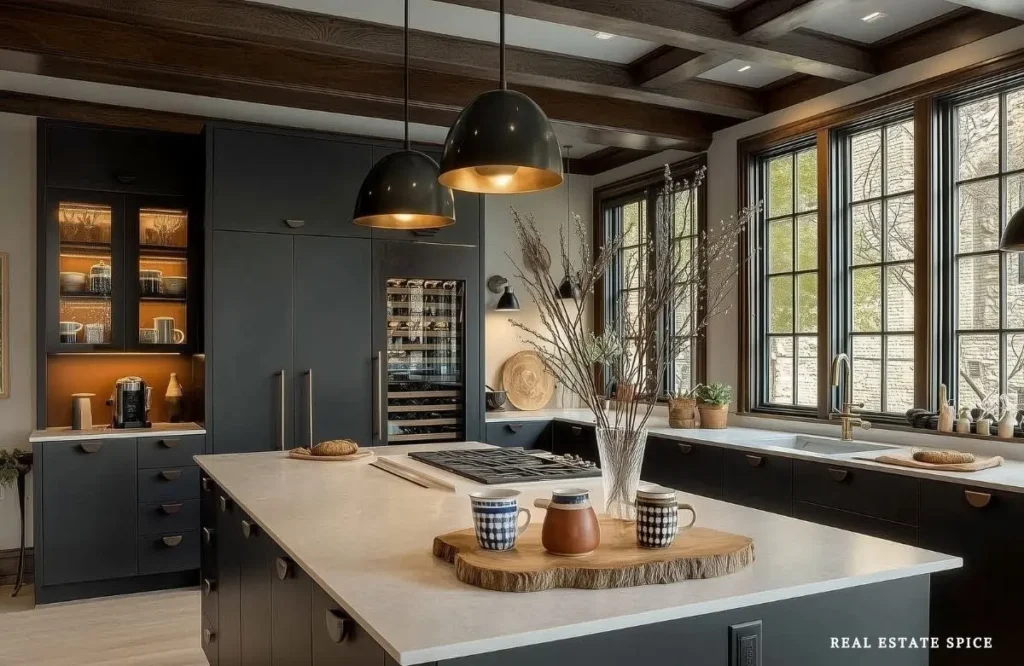
Lighting is basically makeup for your kitchen.
Not the “full glam” kind. More like the “I slept, I hydrated, and suddenly everything looks better” kind.
Good lighting makes counters look cleaner, cabinets look richer, hardware look shinier in a classy way, and the whole room feel warmer.
Bad lighting does the opposite. It highlights mess, casts weird shadows, and makes perfectly normal kitchens look tired.
And here’s the sneaky part: you can have a gorgeous kitchen and still feel like you don’t love it, simply because the lighting is wrong.
Fix the lighting and suddenly your kitchen feels like a different space.
The Kitchen Rule of 3 for Lighting
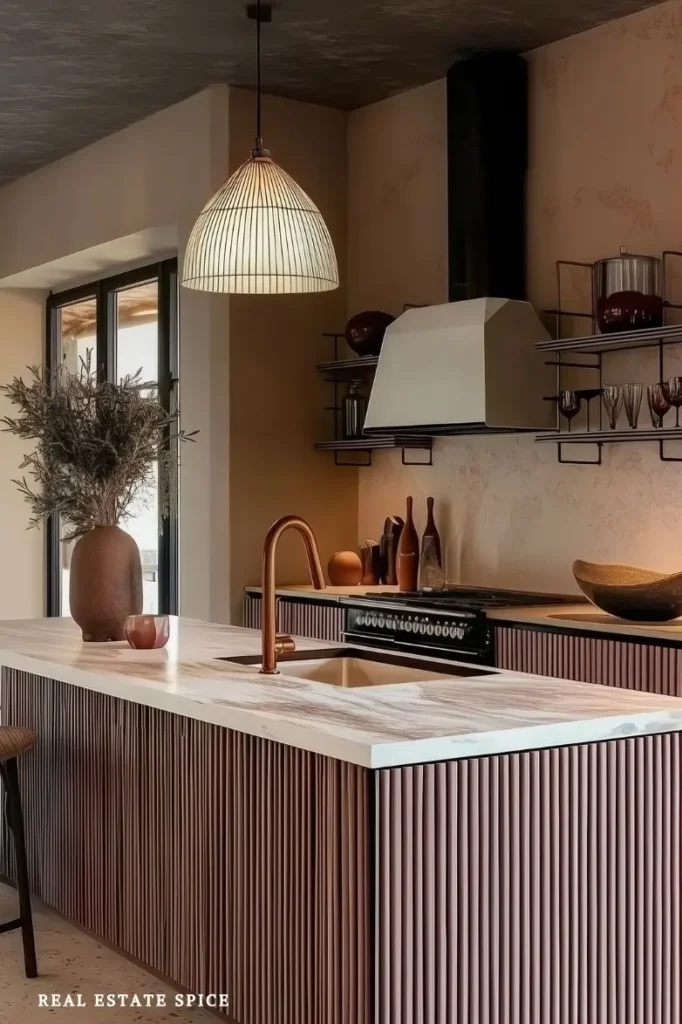
The Rule of 3 works so well with lighting because good kitchens don’t rely on one single source of light.
They layer it.
Your three priorities are simple.
Priority One: The Right Bulbs
Before you buy a single new fixture, the right bulbs will change your life.
Dramatic? Yes.
True? Also yes.
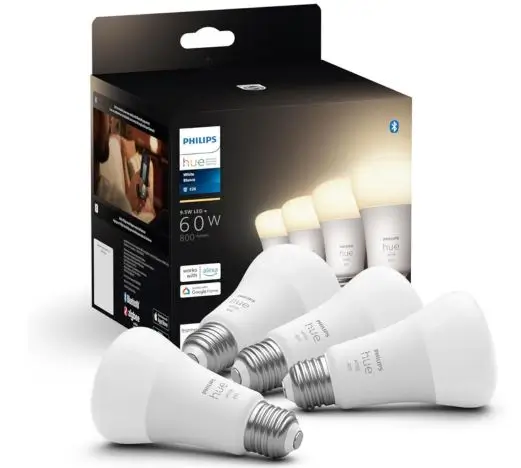
Your bulb choice affects how every surface looks, including paint color, countertops, backsplash, and your skin tone when you’re standing at the sink, wondering if you’re aging in dog years.
If your kitchen feels too blue, too harsh, too dim, or just… off, start with bulbs.

Priority Two: Task Lighting Where You Actually Work
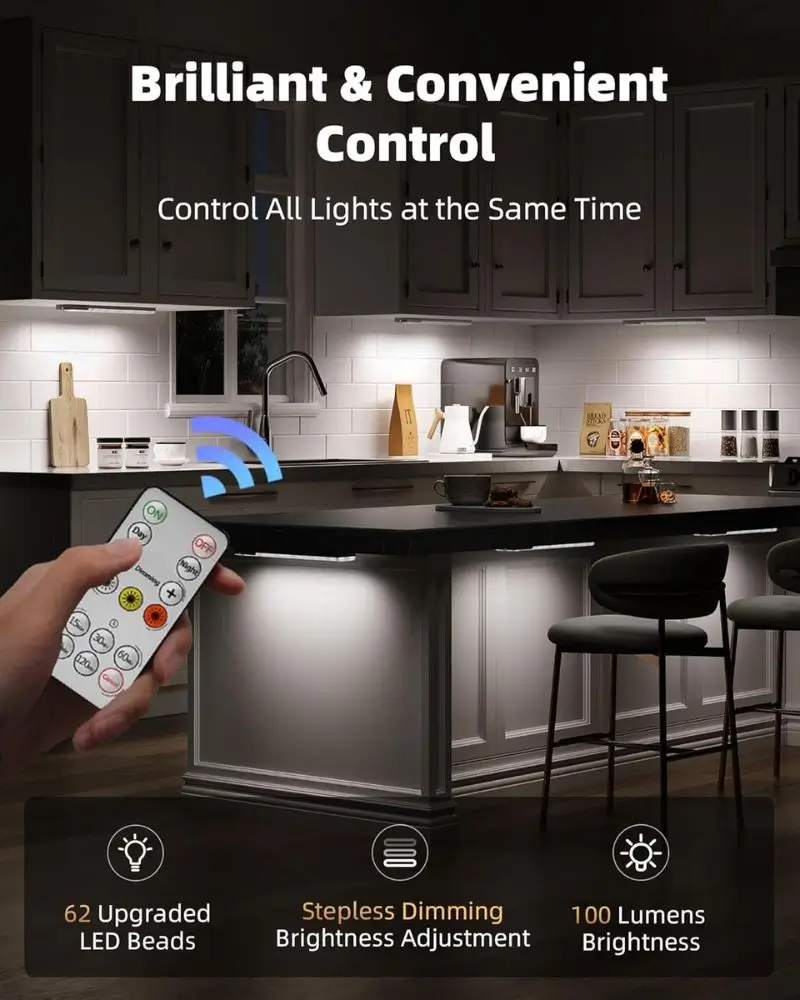
One item to consider is under-cabinet lighting, and it’s the reason high-end kitchens always have that, ohhhh, now this is quiet elegance.
Task lighting eliminates shadows on counters, makes cooking easier, and gives the kitchen that layered “designer” glow.
Even renters can pull this off with plug-in or battery options.
Get My Free eBook
“100 Easy Ways To Refresh Any Room All Year Round”
Priority Three: One Statement Moment That Looks Intentional
This is where your ceiling fixture, pendants, semi-flush mount, a sweet little lamp, or even something on your kitchen island or counter that makes you smile… and well, kinda steals the show.
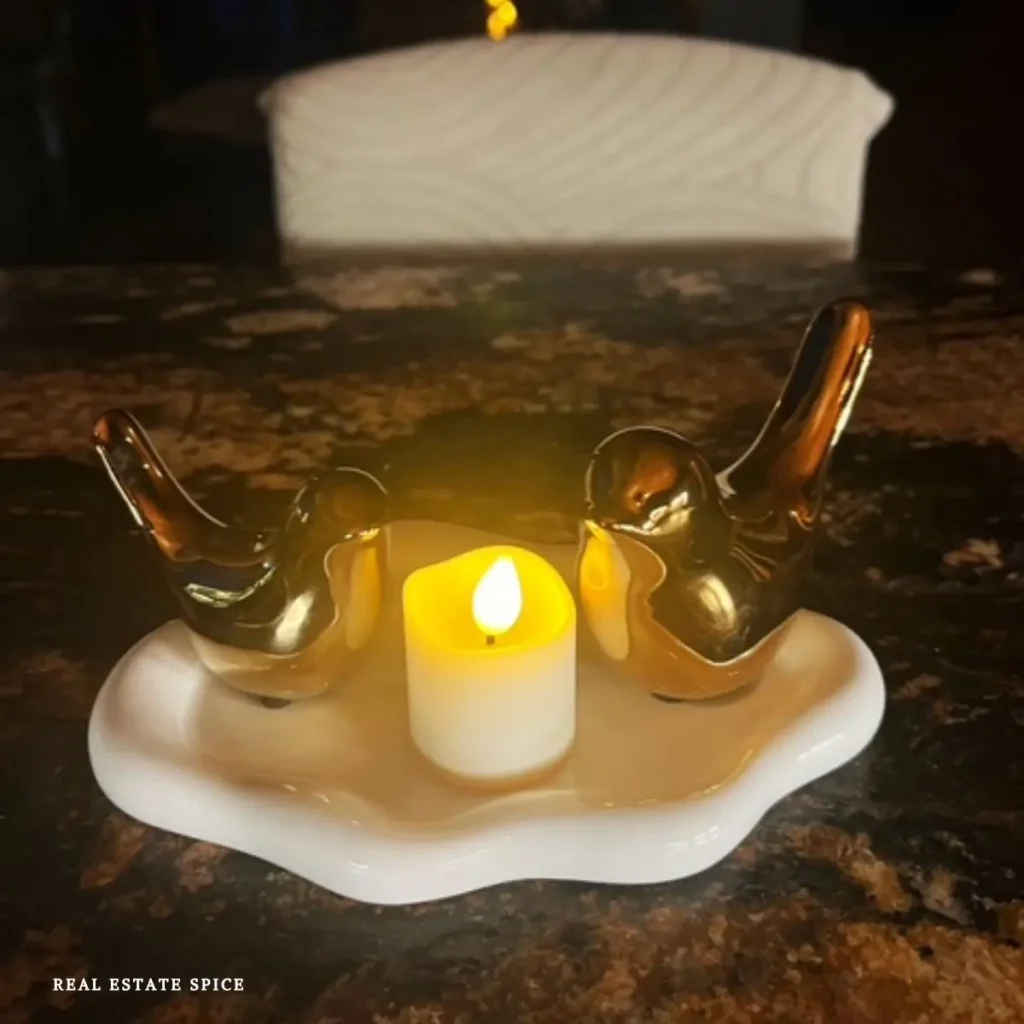
Mine is this beautiful small-bird display, highlighted with a rechargeable tea light.
It brings a smile here, constantly. I have it on in the evening and early mornings.
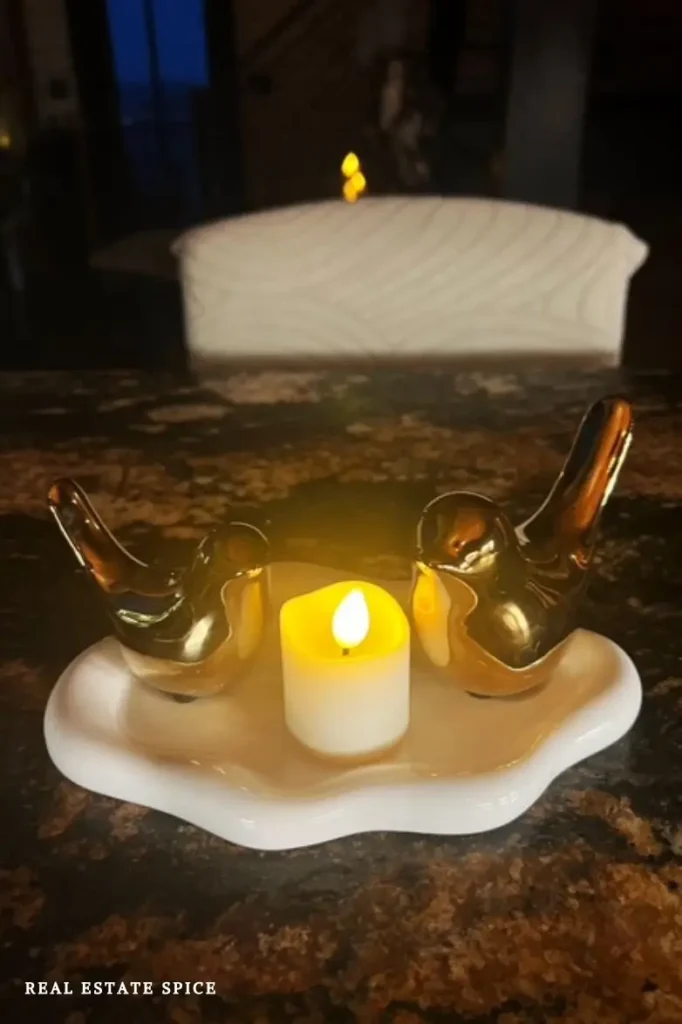
It’s a simple, easy statement piece, but it brings so much joy.

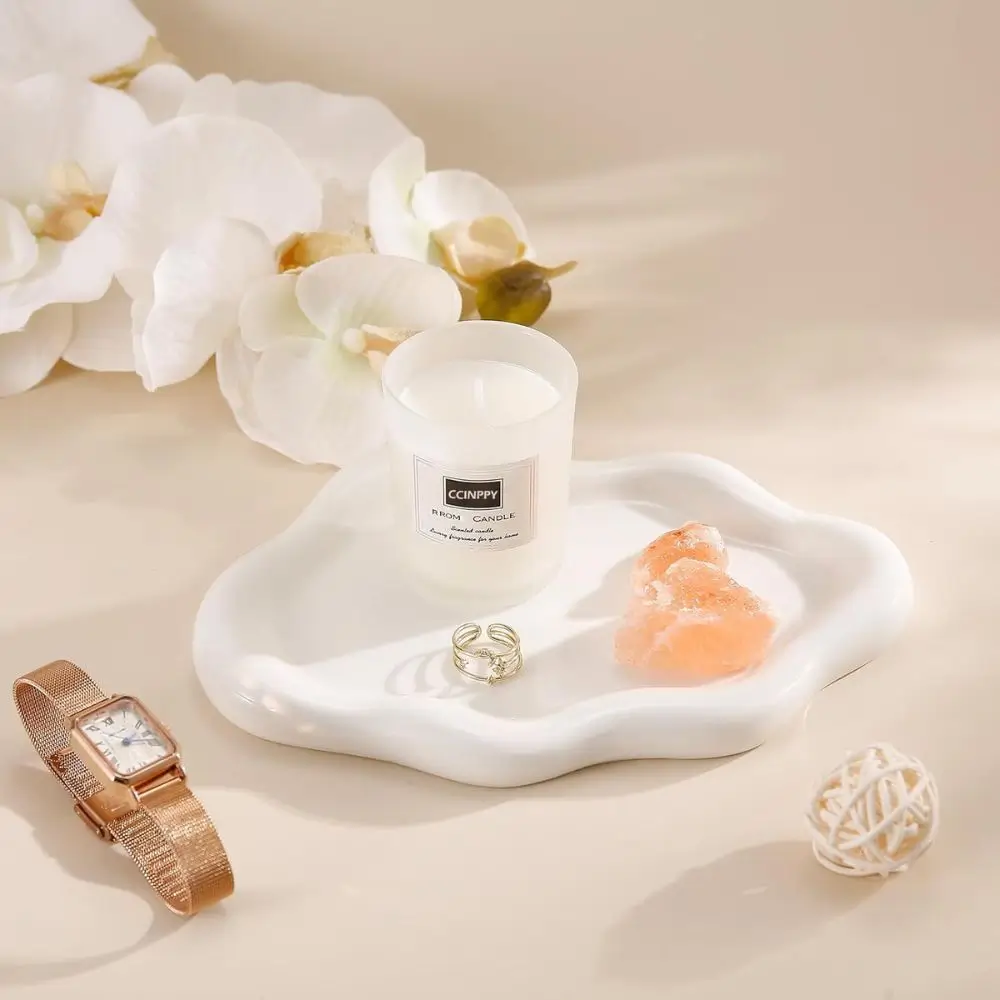

The goal isn’t to turn your kitchen into a showroom.
The goal is to have one lighting moment that feels chosen, not accidental.
It’s the jewelry for the space.
Maybe it’s a dynamic pendant light…
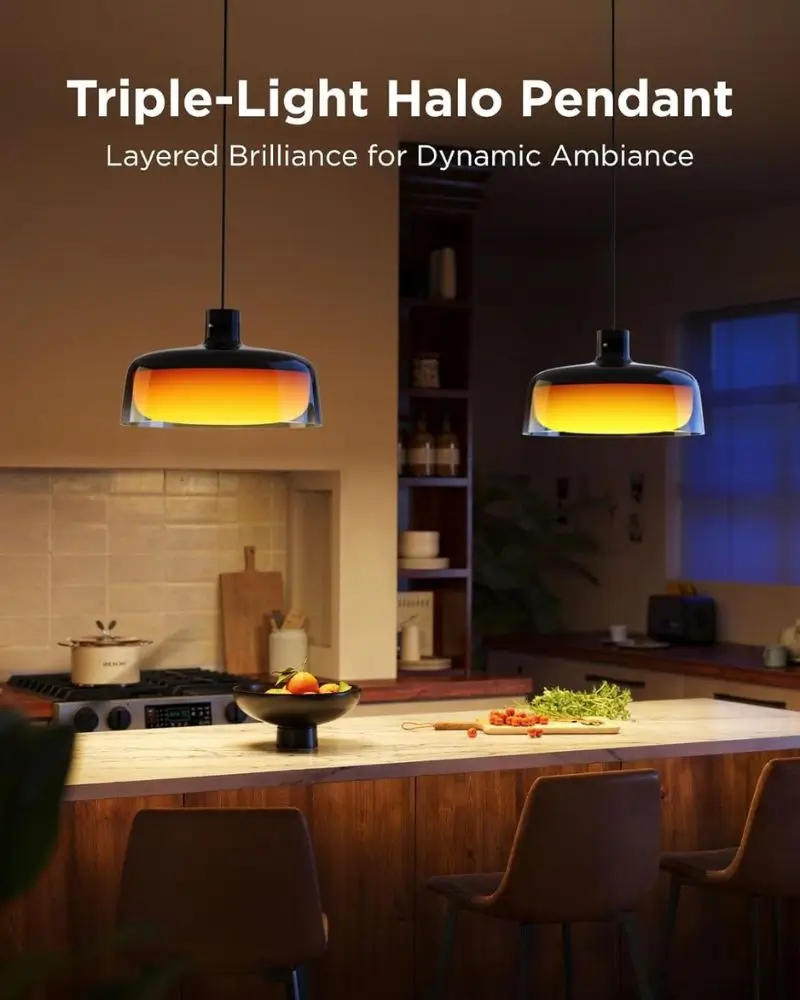
Now let’s break these down in a way that’s actually doable.
Priority One: Bulbs That Make Your Kitchen Look Better Immediately

If lighting is makeup, bulbs are your foundation.
If the foundation is wrong, nothing else sits right.
Warmth Matters More Than You Think
This is the part where a lot of kitchens go awry.
Many kitchens have bulbs that are too cool, which makes the space feel sterile.
Others are too warm and dim, which makes the kitchen feel sleepy and shadowy.
In most kitchens, a warm-white range tends to feel flattering and inviting while still being bright enough to function.
If your kitchen currently feels like a dentist office, you’re probably too cool.
If it feels like you’re cooking by candlelight, you’re probably too dim.
This is also why “matching bulbs” matters.
If one fixture is warm and another is cool, your kitchen looks mismatched even if everything else is fine.
Your eyes notice, even if you can’t explain why it feels weird.
Brightness Is a Mood

If your kitchen is dim, you might find yourself compensating with clutter.
You may leave things out because you can’t see clearly, and you might avoid cleaning because everything feels like more effort, and the kitchen just won’t feel crisp.
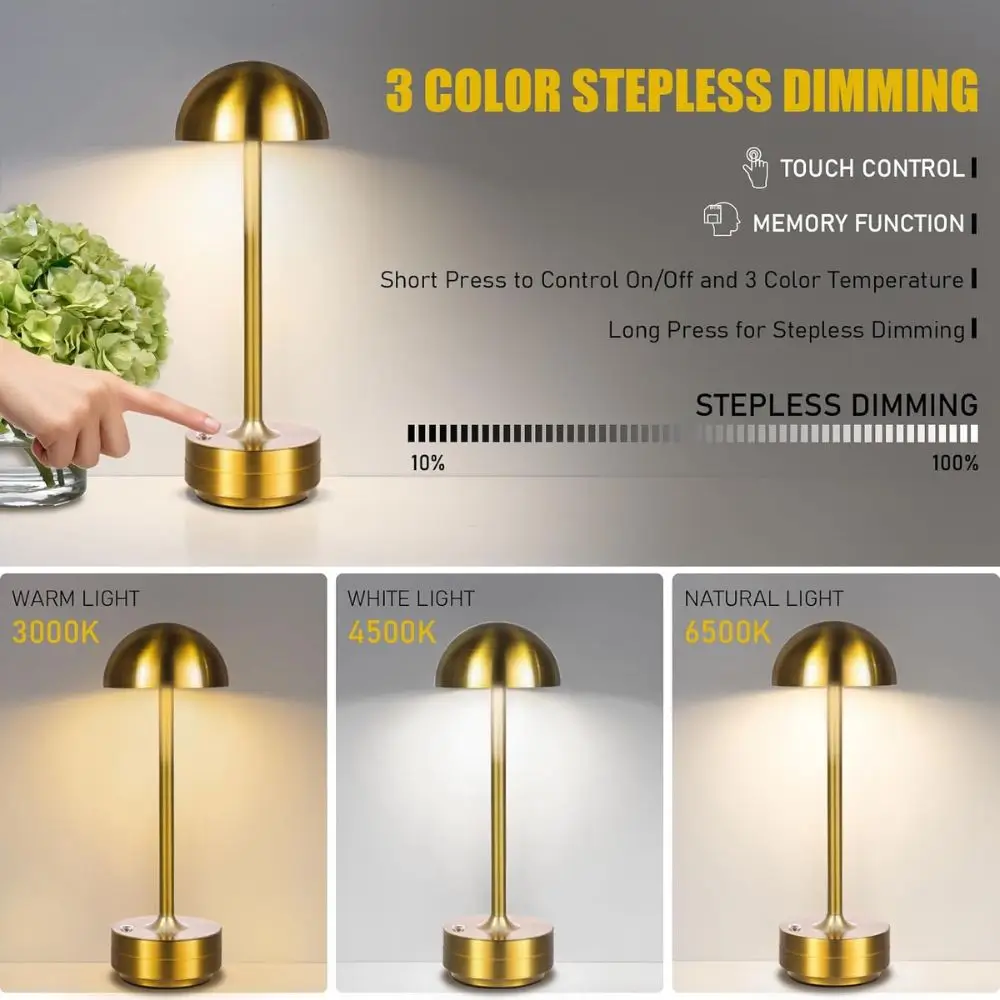
If your kitchen is too bright and harsh, you’ll avoid being in there at night because it might feel too strong and sterile.
The sweet spot is bright enough to work, soft enough to live.
A Quiet Luxury Tip: High Quality Light Makes Everything Look Expensive

If you want a little “wow” upgrade that’s still simple, look for bulbs that make colors look more natural.
This helps wood tones look warmer, whites look cleaner, and everything feels less flat.
And yes, this can make your “basic” kitchen look higher-end without changing a single finish.

Smart Bulbs and Plug-In Dimmers for Real Life People
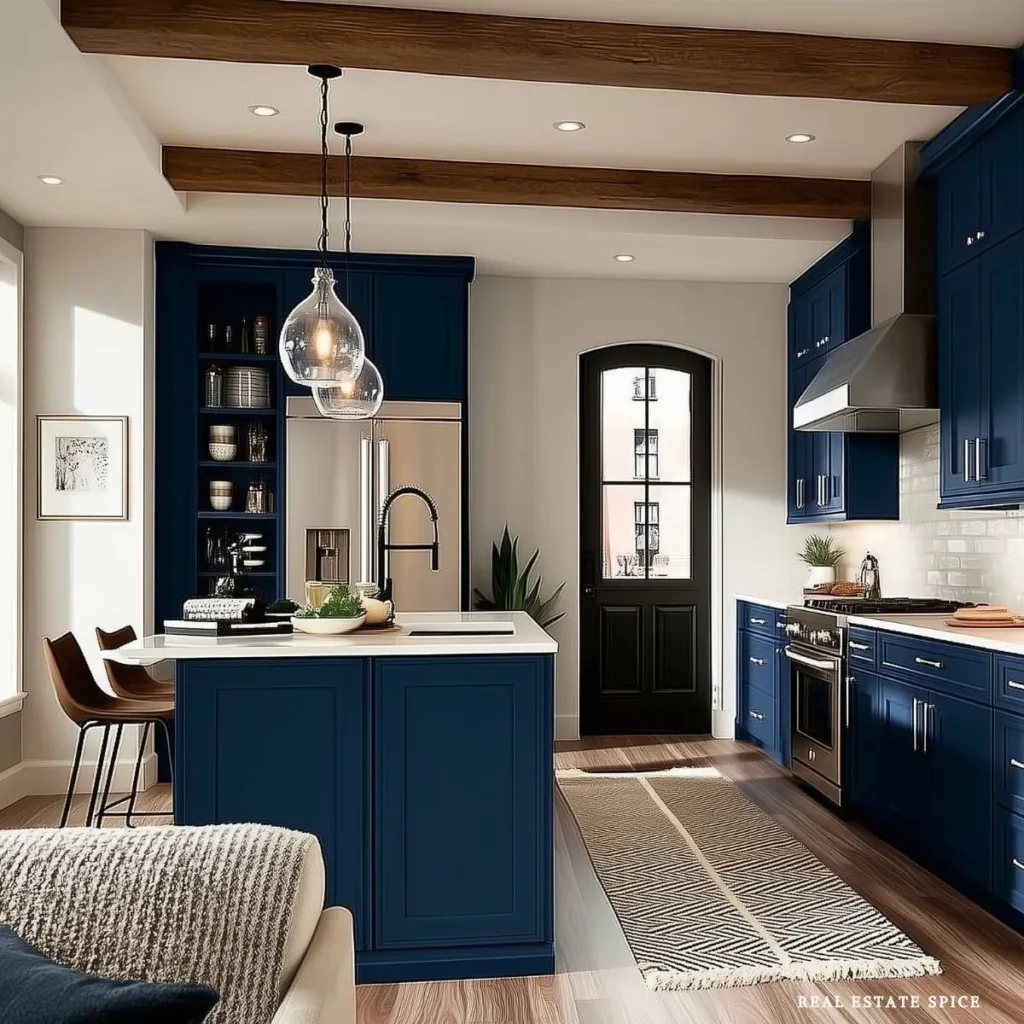
If you want the easiest path to flexible lighting, smart bulbs are a great move.
You can warm things up at night, brighten them during cooking, and set the vibe when you’re hosting. No rewiring needed.
Plug-in dimmers are also very underrated.

If you have a plug-in light source, like a kitchen lamp, a plug-in dimmer lets you instantly control the mood.
It’s such a small thing that makes your kitchen feel really cozy.
Priority Two: Task Lighting That Makes Your Counters Look Clean and High End
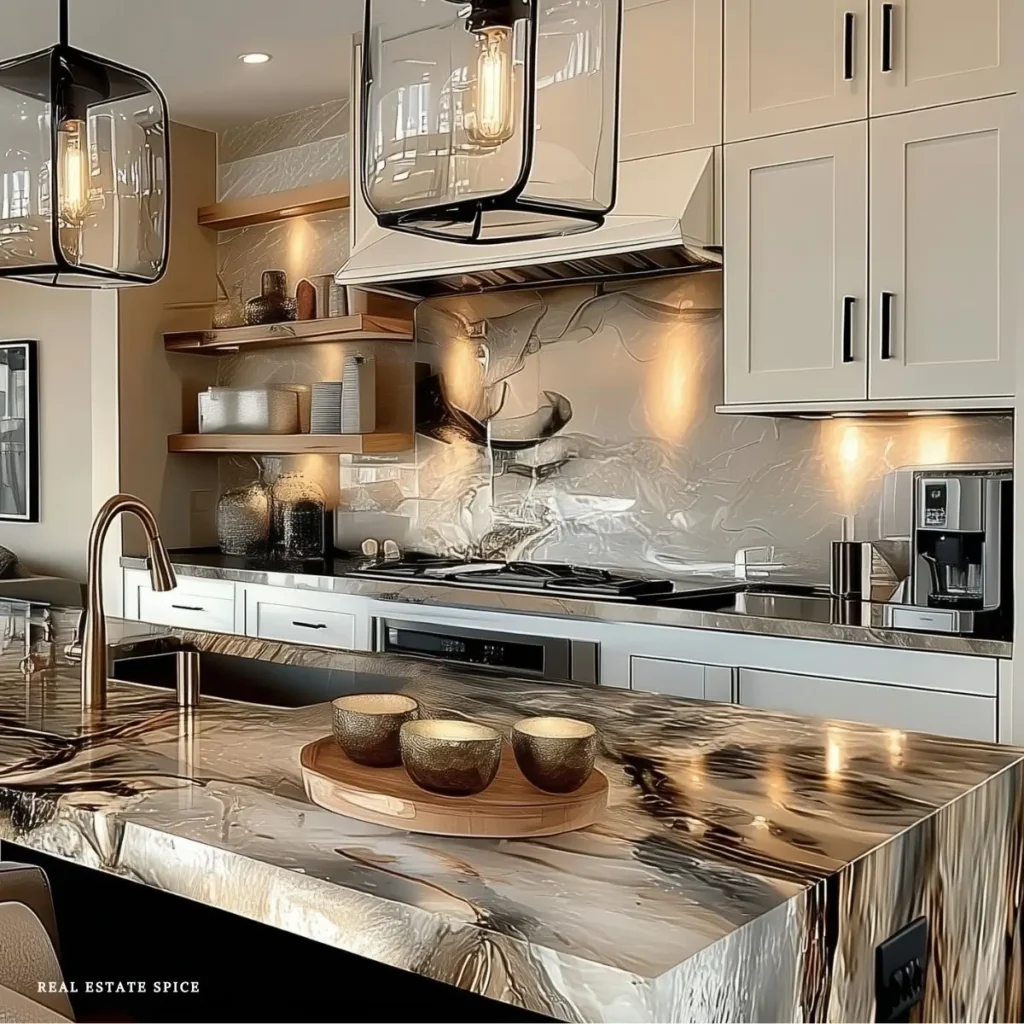
This is the part that makes people walk into a kitchen and say, “Ohhh, this feels nice,” even if they can’t pinpoint why.
Task lighting makes a kitchen feel more expensive by removing shadows and creating a clean, even glow on the surfaces you use most.
Under-Cabinet Lighting Is the Fastest Designer Upgrade
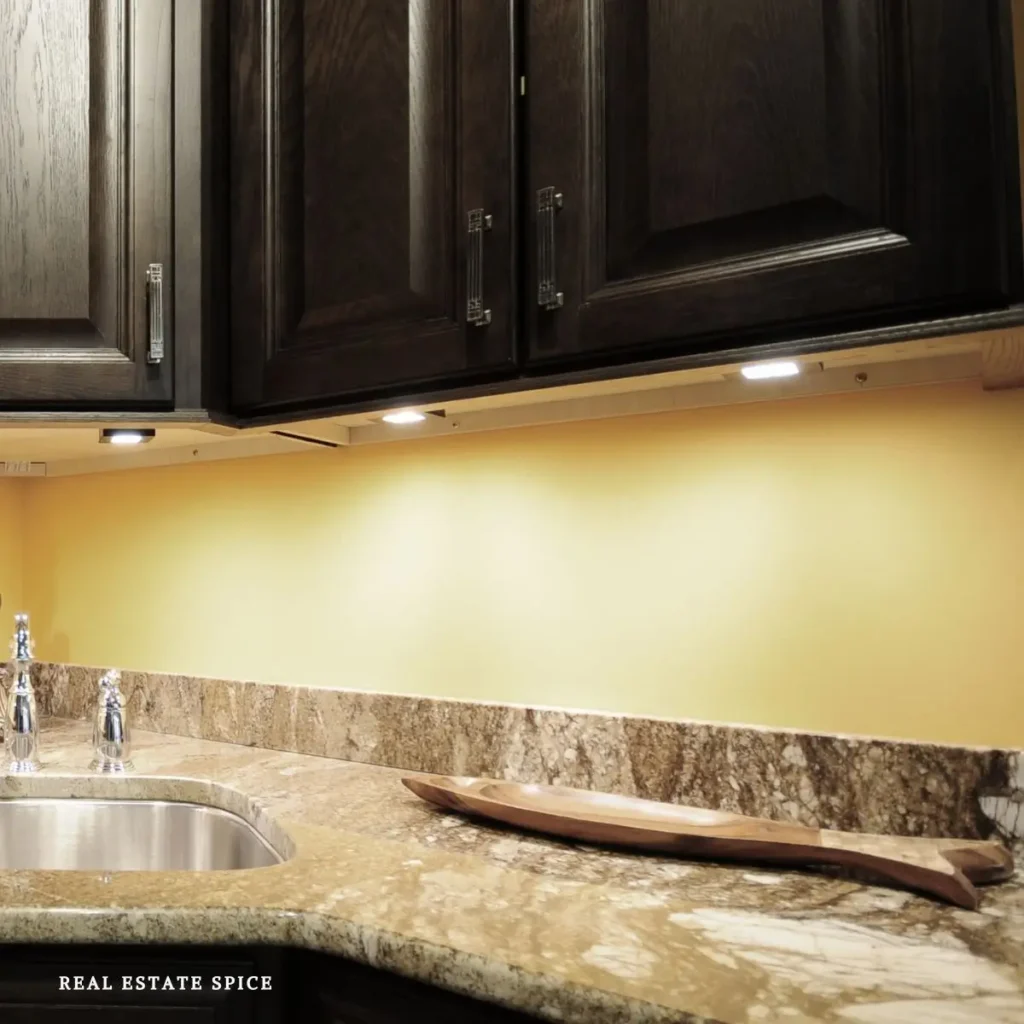
Under-cabinet lighting is a game-changer.
You have options depending on how much effort you want.
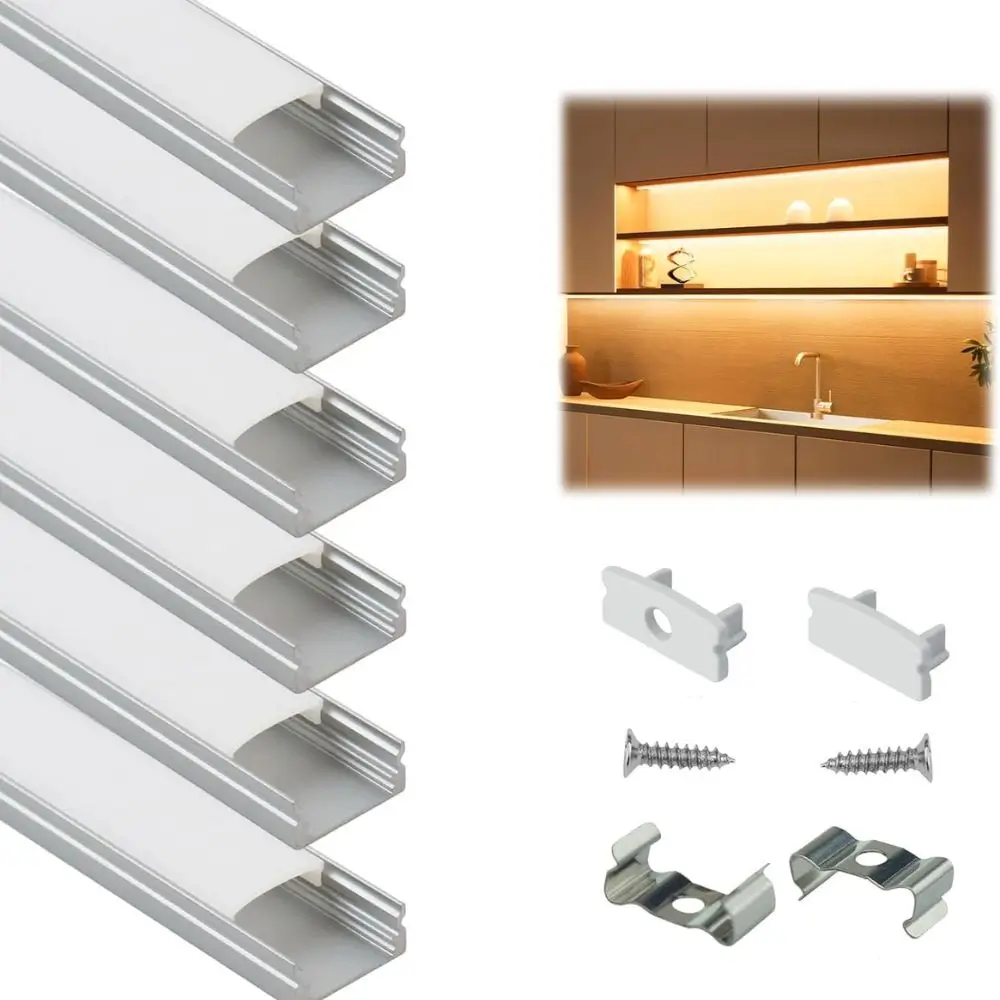
Plug-in under-cabinet LED light strips are fantastic if you have an outlet available.
They give you that continuous glow across the counter.
Puck lights are great if you want more “spot” lighting. They can look really polished under cabinets, especially when placed evenly.
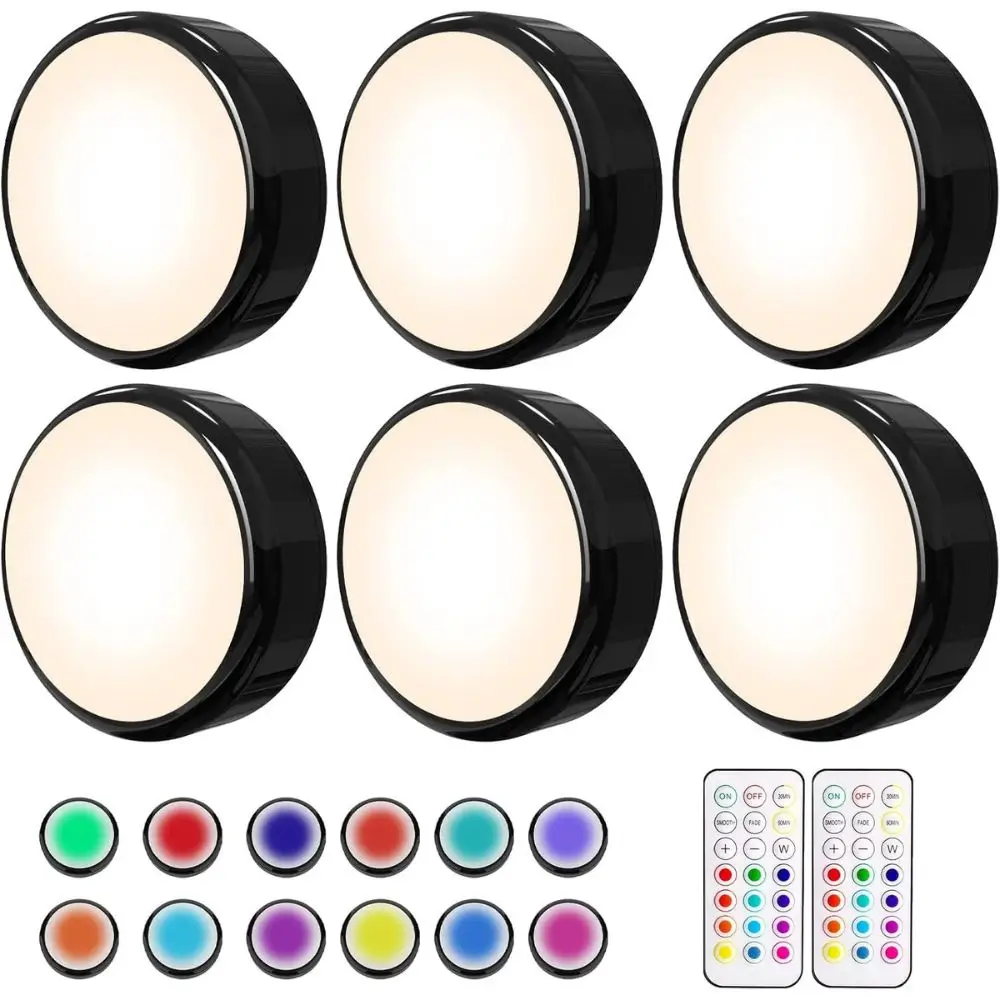
Motion-sensor under-cabinet lights are amazing for real life.
You walk in for a drink or snack, the light comes on, you don’t blind yourself with the big light, and you feel like you live in a fancy house.
It’s also a favorite for kids who somehow cannot locate the light switch despite living there.
Under-cabinet battery- or rechargeable-powered lights are renter-friendly and easy to use.
If you’re renting or you just don’t want a project, these are the “I still want the glow” solution.
Diffusers and Placement Are the Secret Sauce
If you’ve ever seen under-cabinet lighting that looks dotted or harsh, it’s usually a placement or diffusion issue.
A diffuser softens the light, making it feel more expensive and less like “I installed this at midnight with pure determination.”
The goal is a smooth glow, not a runway of bright dots.
Placement matters too. You want the light to actually hit the workspace, not shine directly into your eyes when you’re standing at the counter.
Nobody wants to chop onions while being personally insulted by glare.
Toe Kick Lighting for the Fancy Factor

If you want a unique upgrade that most people don’t do but always looks expensive, consider toe-kick LED lighting under the base cabinets.
It adds a soft glow at night that feels high-end and makes the kitchen feel bigger.
It’s also practical for late-night snack missions when you don’t want to fully wake up your brain with overhead lighting.
Inside Cabinet Lighting for Glass Fronts and Pretty Storage

If you have glass-front cabinets or open shelving, small stick-on cabinet lights can make the kitchen feel more styled and intentional.
It’s a little boutique hotel vibe, but in your kitchen.
Also, if you have one shelf that’s styled or one cabinet that holds your prettiest dishes, interior lighting makes it look like you meant to do that. Because you did.
Priority Three: The Statement Moment That Makes the Whole Kitchen Look Intentional
This is the part where you give your kitchen one lighting focal point.
It doesn’t need to be expensive.
It just needs to feel like it belongs and makes you smile.
Choosing Between Flush Mount and Semi-Flush Mount
If your ceilings are lower or you have a lot of visual stuff happening, a flush mount or semi-flush mount is often the best move.
Flush mounts keep things clean and close to the ceiling, which helps small kitchens feel less visually crowded.
Semi-flush mounts add a little drama and style without hanging too low.
They’re a sweet spot if you want something “prettier” than a basic dome light but you can’t do a dramatic pendant.
Pendant Lighting Without the Regret
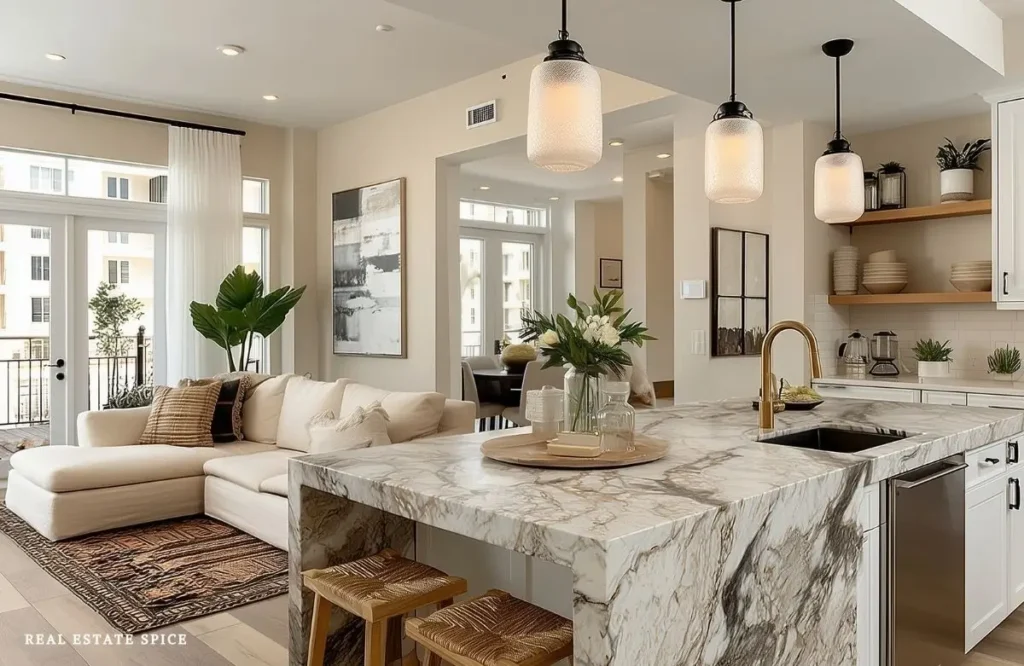
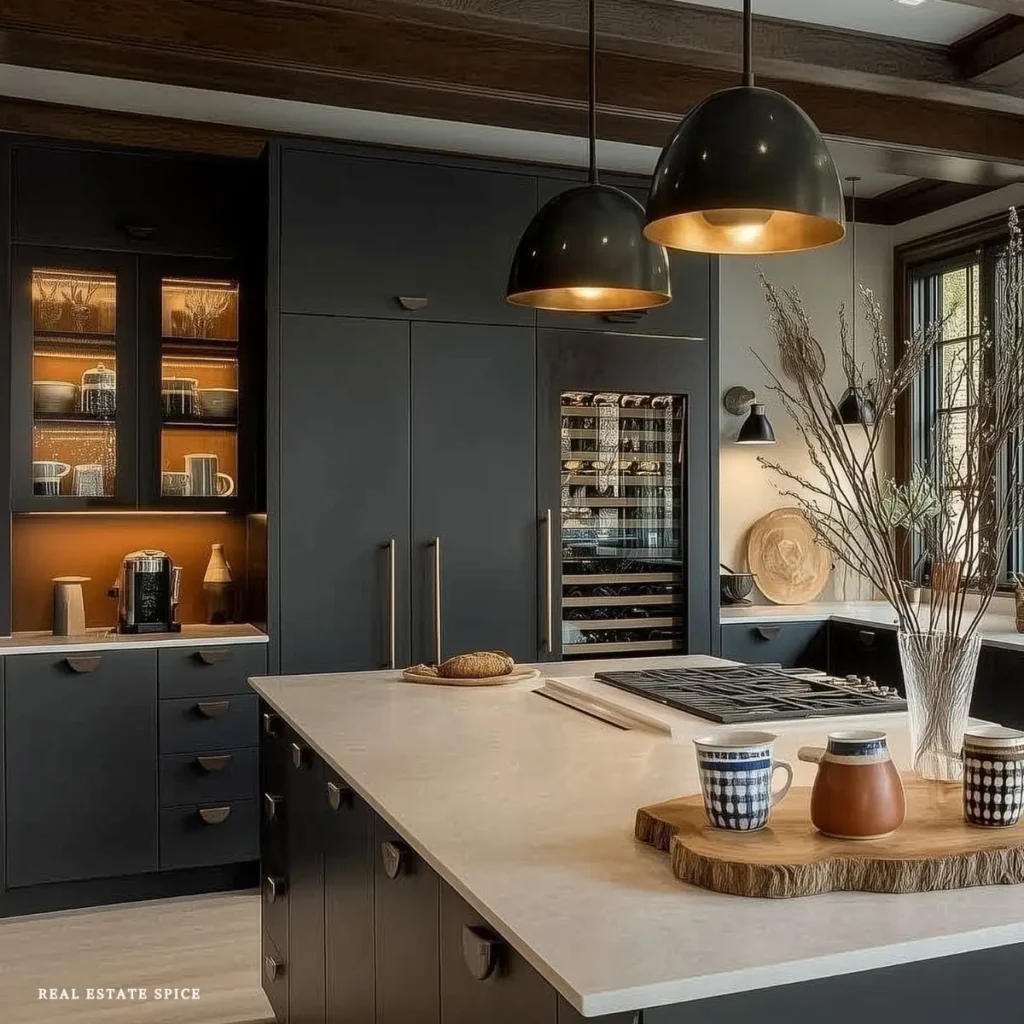
Pendant lights can look stunning, especially over islands and peninsulas.
They can also look weird if they’re too small, too many, too low, or too “trendy in a way that ages quickly.”
With pendants, it’s all about balance—get the scale and spacing right, and choose a style that relates to your kitchen finishes so it looks intentional.
If your kitchen is modern, go clean and simple, and if it’s traditional, lean warm and classic.
If you’re somewhere in between, choose something timeless.
A Secret Weapon: Lamps in Kitchens
Yes, a lamp in the kitchen. Stay with me.
A small lamp on a counter, on a shelf, or on a sideboard near the kitchen can make the whole space feel cozy and elevated, especially at night.
It gives you that layered lighting without touching wiring, and it creates a soft glow that overhead lights just can’t replicate.
This is one of my favorite “designer” tricks because it feels slightly unexpected.
Choose a lamp with a warm bulb, and if you want it to feel extra fancy, put it on a smart plug so it turns on automatically in the evening.
A Simple, Easy Statement Piece
My stove is on my island, with a vent hood above it, so I don’t have space for a pendant light.
However, this is my lighting statement piece (and I can easily change it anytime!).
Dimmers: The Upgrade That Makes Your Kitchen Feel Like a Different House
If you can add dimmer switches, they’re one of the best “expensive feeling” upgrades you can do.
They are bright for cooking and soft for living.
It’s the difference between “functional kitchen” and a “kitchen you actually want to hang out in.”
If you’re not comfortable doing electrical work, hire an electrician.
If you can’t do dimmers, you can still create a dimmable vibe with smart bulbs, plug-in dimmers, and layered light sources like under-cabinet lighting and a lamp.
Common Kitchen Lighting Mistakes That Make a Kitchen Feel Cheaper

Sometimes the fix isn’t adding more. It’s stopping the stuff that’s working against you.
Mixing Different Bulb Colors in the Same Space
If your pendants are warm, your overhead is cool, and your under-cabinet lights are a totally different tone, the kitchen will never feel cohesive.
It will feel visually jittery, like the lighting is arguing with itself.
Choose a consistent vibe and stick to it.
Relying on One Light Source
One overhead light is not a lighting plan. It’s a survival tactic.
Layered lighting is what makes kitchens feel expensive because it’s what makes them feel intentional.
Choosing Fixtures That Don’t Fit the Space
Fixtures that are too small can make the whole kitchen feel underwhelming, while fixtures that are too big can take over the room.
And when they hang too low, the space feels cramped and annoying to use.
When in doubt, go a little bigger than you think, but keep the shape appropriate for the ceiling height and the room scale.
The Kitchen Rule of 3 Lighting Plan for Different Kitchens

Because not every kitchen is the same, and I don’t want you trying to copy a lighting plan that only works in a massive open-concept kitchen with twenty-foot ceilings and unlimited happiness.
Small Kitchens
In small kitchens, lighting should make the space feel open and clear.
Flush mounts or semi-flush mounts are usually great.
Under-cabinet lighting makes counters look bigger.
Wall sconces are a fantastic option and use wall space.


A lamp can add warmth without cluttering the ceiling with a huge fixture.
The key is making the space feel bright without being harsh.
Low Ceilings

Low ceilings need fixtures that don’t hang down too far.
Semi-flush mounts are often the hero here.
Under-cabinet lighting becomes even more important because it spreads light where you need it without crowding the ceiling.
Kitchens With Dark Cabinets or Limited Natural Light

Dark cabinets can look stunning, but they need good light.
Under-cabinet lighting helps, brighter bulbs help, and reflecting light matters too.
A glossy backsplash, lighter counters, or even just keeping surfaces calmer can help light bounce around the room.
This is where layered lighting makes a dramatic difference, reducing shadows and making the kitchen feel less cave-like.
Where To Start With Your Kitchen Lighting
And if you want my friend-to-friend advice before you run off and start shopping for lights at midnight, here it is: keep it simple at first.
Add under-cabinet lighting if you can, a simple counter lamp or add tea lights for laying, then choose one statement light that makes you smile—three moves, big payoff, and suddenly your kitchen feels like a place you actually want to be.
Just Choose 3 lighting fixes
So if your kitchen has been feeling a little “meh,” let this be your permission slip to skip a full remodel and focus on what actually changes the vibe.
Here’s your recap:
- Start with an easy fix, replacing bulbs so the room stops looking tired.
- Add under-cabinet lighting so your counters get that clean, glowy, expensive look.
- Choose one statement light that feels intentional instead of accidental.
That’s the whole Kitchen Rule of 3 Lighting—three moves that make your kitchen look better at every hour, especially at night when the big light is trying to ruin your peace.
And if you want the full series, hop back to the Kitchen Rule of 3 hub, because once the lighting is right, everything else gets easier (and you might catch yourself turning on your kitchen lights just to admire them… which is a very specific kind of adult joy).
Kitchen Rule of 3 Lighting FAQ
What is the best kitchen lighting to make a kitchen look expensive
The fastest route is layered lighting. Choose flattering bulbs, add under-cabinet task lighting, and create one intentional statement moment with a ceiling fixture, pendant lights, or even a lamp. The expensive look comes from calm, even light and a space that feels designed.
What color light is best for kitchens
Most kitchens look best with a warm-white tone that feels inviting while still bright enough for cooking. The most important thing is consistency across the space so your lights don’t clash.
Is under-cabinet lighting worth it
Yes. Under-cabinet lighting is one of the biggest visual upgrades you can make because it improves function, reduces shadows, and creates that high-end glow on your counters.
What if I’m renting and can’t change fixtures
You can still transform your kitchen lighting with bulbs, plug-in under-cabinet lighting, battery puck lights, motion-sensor lights, smart bulbs, and a small lamp. You can get the layered look without permanent changes.