The 3 Bedroom Areas That Make Your Room Feel “Designer” Without the Drama
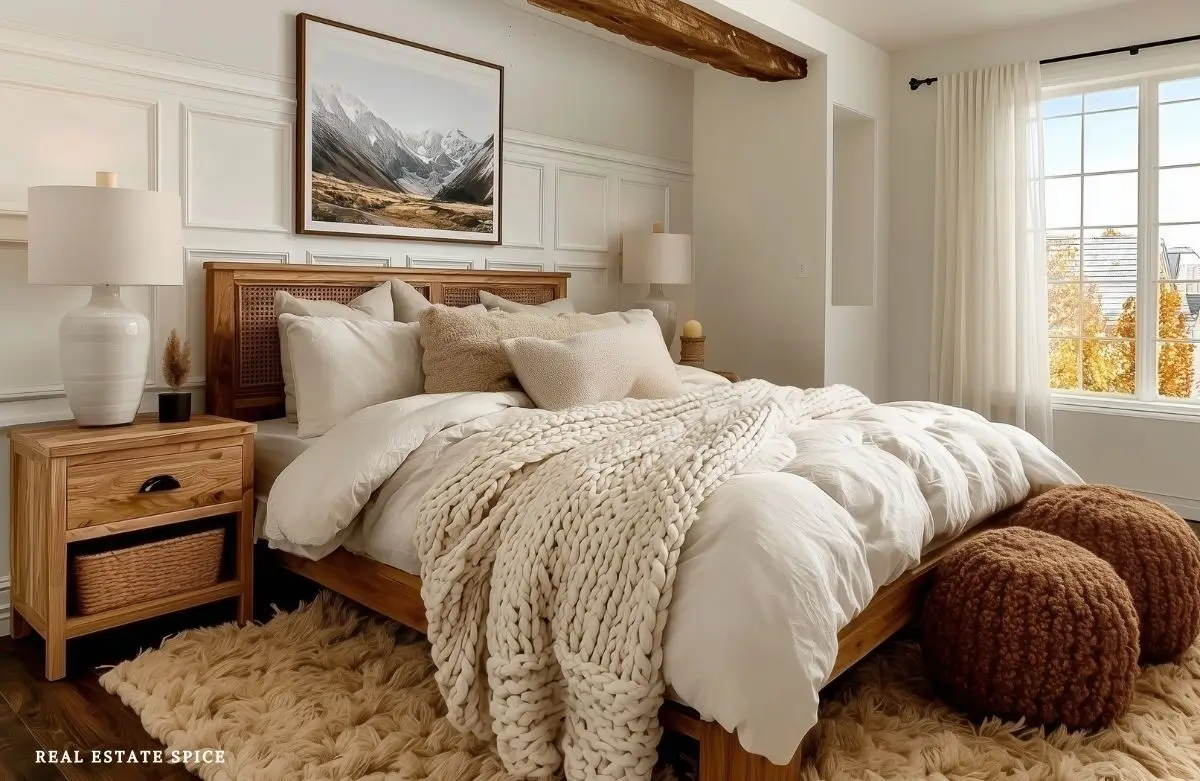
Some bedrooms feel off in a way that’s hard to explain. The bed is there. The nightstands are there. A lamp is trying.
The dresser is standing in the corner minding its own business.
Even so, the room can still feel unfinished, a little unbalanced, or like it never fully settled into itself. It’s not the bedroom retreat you imagined for yourself.
Be sure to check out Bedroom Trends This Year and 50 Bedding Ideas after this…
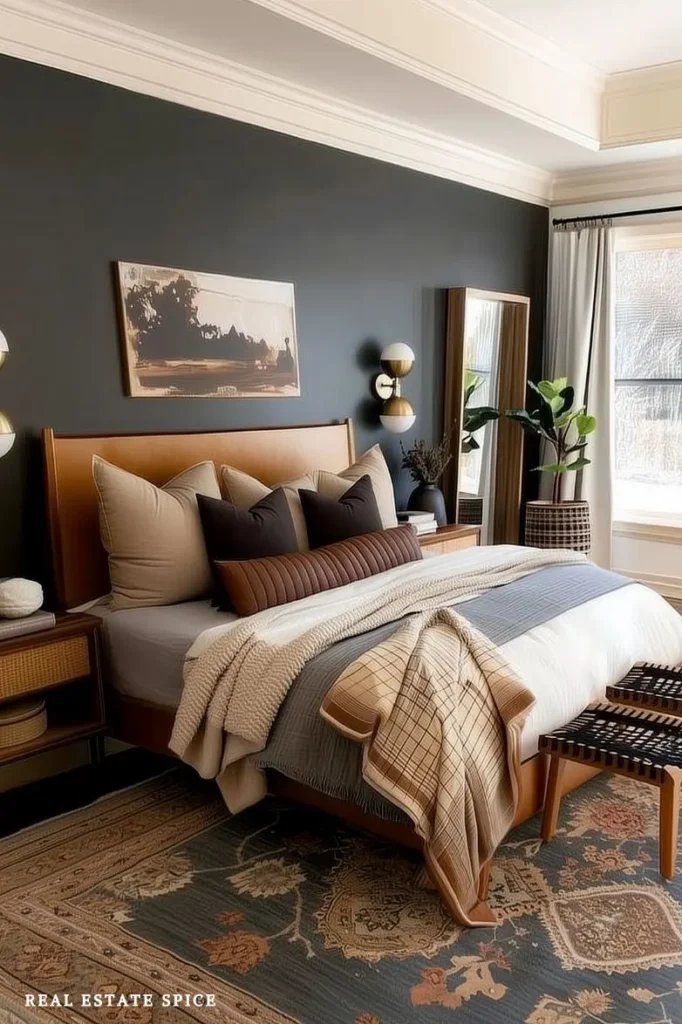
That’s usually not because the room needs ten more decor pieces.
More often, it’s because the biggest visual zones aren’t working together yet.
That’s exactly where the bedroom rule of 3 areas framework helps.
Instead of trying to tackle every square inch of the room at once, you focus on the three bedroom areas that do the most heavy lifting.
This isn’t a huge bedding article, a full wall decor guide, or a complete lesson on small bedroom design.
This is a framework that helps you understand what matters most first.

Then, when you want more detail, you can head over to 50 Bedroom Design Ideas, How To Decorate A Bedroom That’s Perfect For You, or Bedroom Wall Decor Ideas.
Once these three bedroom areas start working together, the room feels less pieced together and more like it has a rhythm.
That’s when the bedroom starts becoming a place you actually want to spend time in—not just the room you collapse into at night.
It feels easier to wake up in, better to wind down in, and more like your own private retreat when you need a few minutes away from the noise of the day.
Grab your favorite beverage, pen, and paper for notes; take your time to study the images, design tips, and products, and enjoy!
ps…remember to save this and come back anytime for a dose of inspo!
What Is the Bedroom Rule of 3 for Areas?

The bedroom rule of 3 areas is a simple decorating framework built around the three parts of the room that usually make the biggest visual and functional difference.
Area one is the bed wall.
Area two is the nightstand and lighting zone.
Area three is the floor and soft layer zone.
When those three areas finally feel connected, the whole bedroom starts looking calmer, cozier, and much more pulled together.
That structure works because bedrooms don’t usually feel unfinished in random places.
They feel unfinished where the eye naturally lands or where the room gets used every day.
The bed wall is the strongest visual anchor, so when it feels weak, the whole room feels weak.

The bedside zone affects balance and function, so when it feels awkward, the room feels awkward.
The floor and soft layers tie everything together, so when they’re missing, the bedroom can feel flat, bare, or colder than it needs to.
What’s nice about this formula is that it works across different room types.
Small bedrooms can use it.
Master bedrooms can use it.
Guest bedrooms can use it.
A rental with basic walls and a slightly sad overhead light can absolutely use it too.
The details may change, but the framework still holds.
Get My Free eBook
“100 Easy Ways To Refresh Any Room All Year Round”
Why These Three Bedroom Areas Matter Most
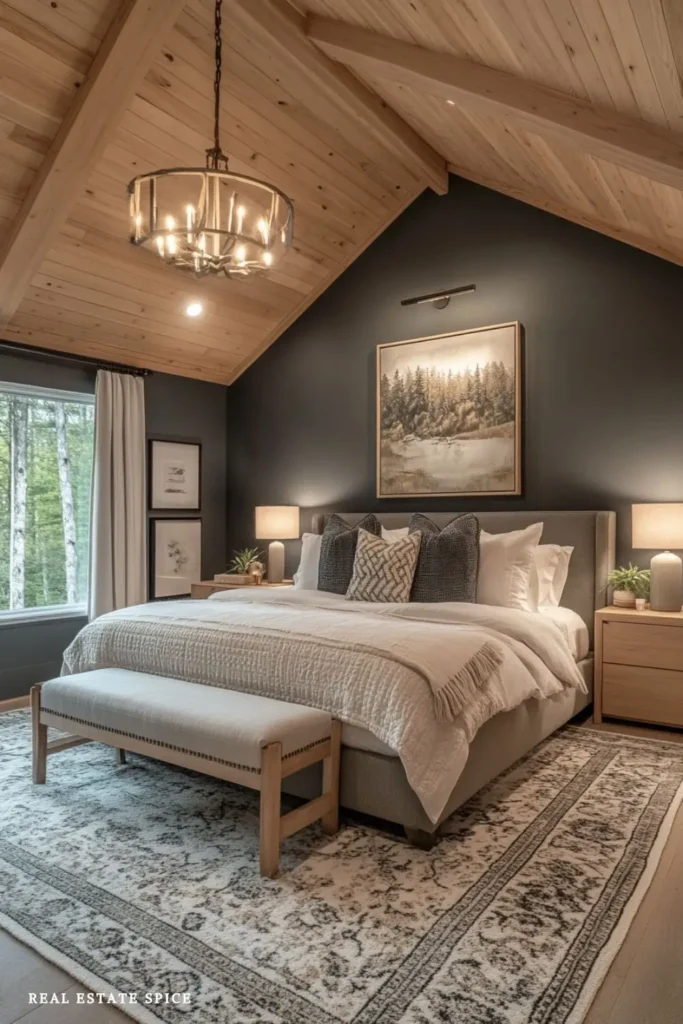
A bedroom doesn’t have to be perfect to feel good.
It does, however, need a clear sense of visual order.
When the main areas of the room are pulling in different directions, even lovely furniture and pretty decor can look disconnected.
Once those three zones start cooperating, the room tends to relax.
Suddenly, the bed feels more settled and connected to the rest of the room.



Globan Hotel Collection Down Feather Pillow (A Splurge But Worth It)

The bedside lamps make more sense.

Even the rug starts to feel like part of the plan instead of just something on the floor.
These three bedroom areas matter because they guide the eye in the order people usually experience the room.
First, you notice the bed wall.
Next, you register the symmetry or imbalance around the bed.
Then you take in the softer layers that make the room feel comfortable and complete.
That sequence happens fast, but it has a huge effect on whether a room feels pulled together or slightly adrift.
This is also why so many bedroom makeover ideas seem dramatic even when the changes are actually pretty simple.
Often, the room didn’t need a total transformation.
It needed the right attention in the right places.
Once the bed wall feels stronger, the nightstand and lighting zone feel more settled, and the floor layers feel finished, something shifts.
The whole bedroom starts to make more sense, and it becomes a space you truly enjoy.
Area 1: The Bed Wall
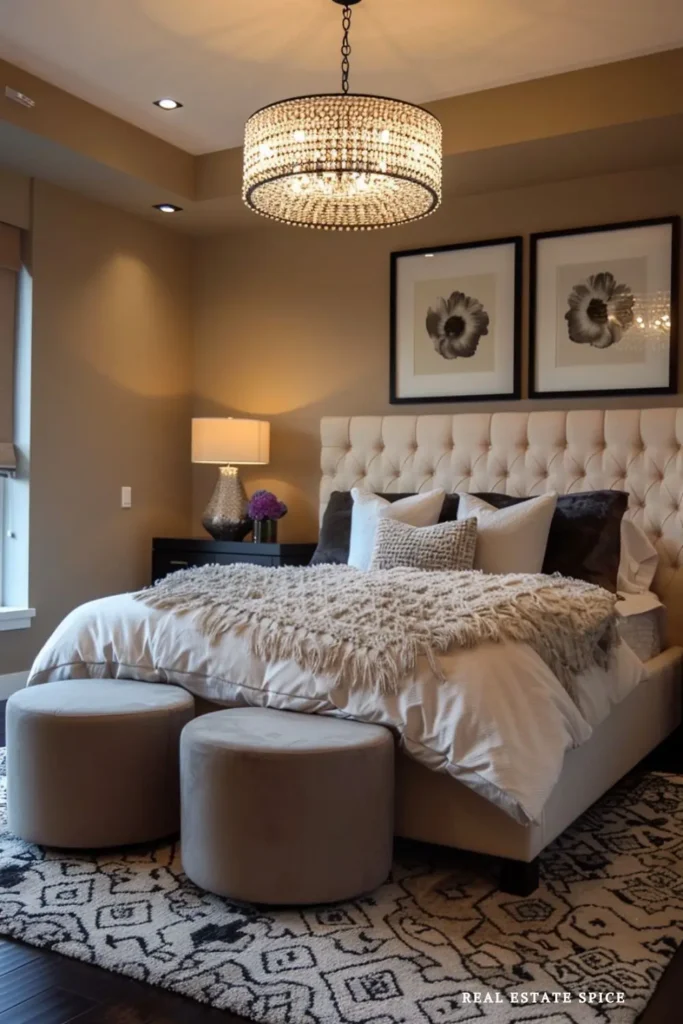
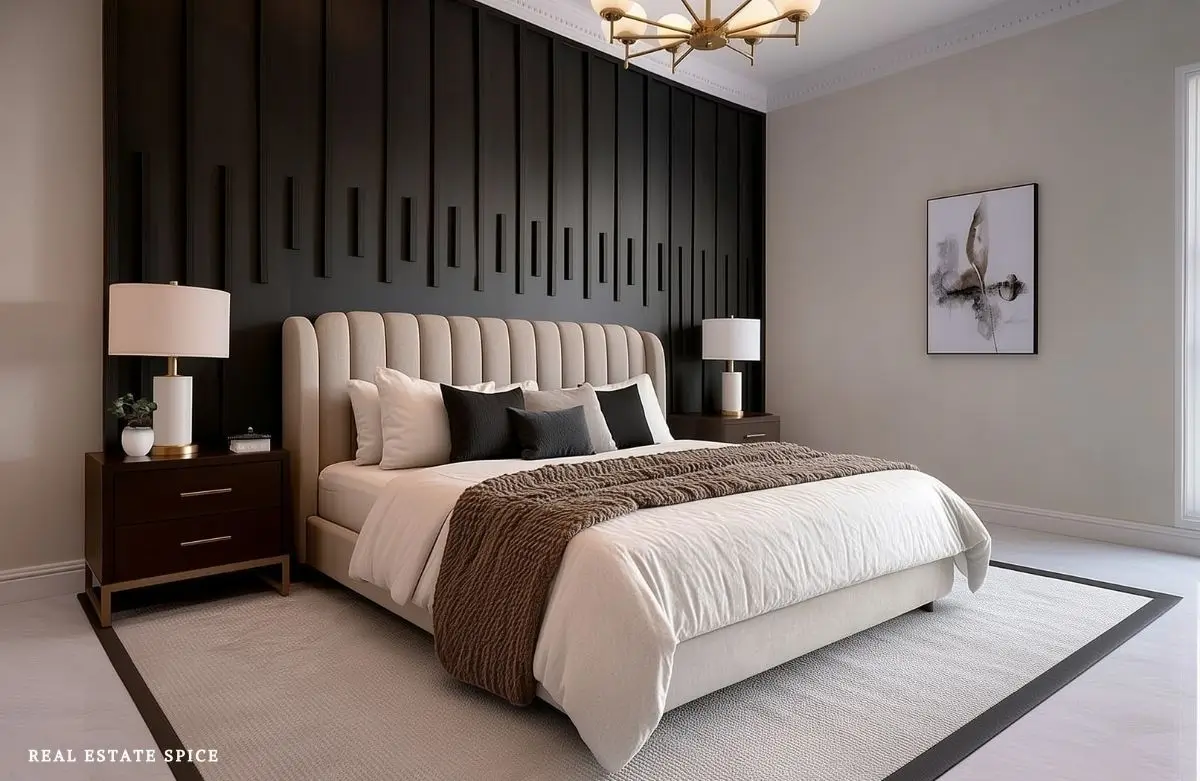
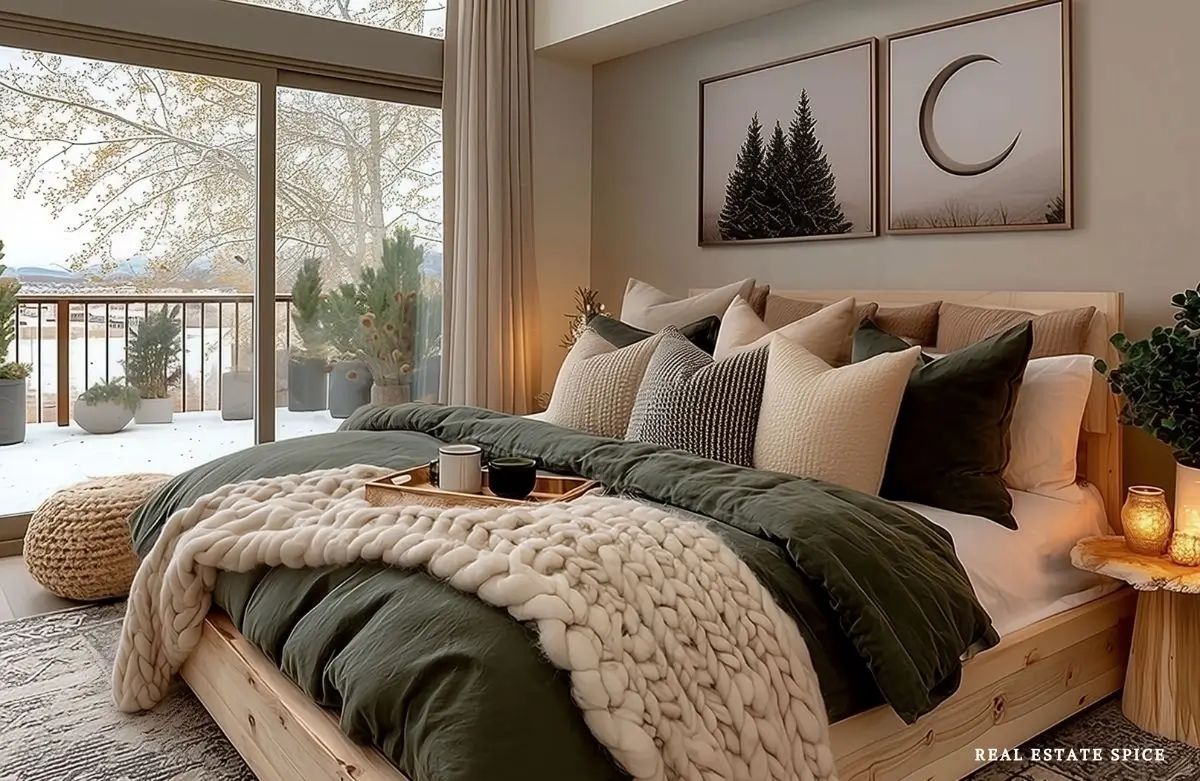
The bed wall is usually the room’s visual anchor
The bed wall is almost always the first thing people notice in a bedroom, whether they realize it or not.
The bed is usually the largest piece of bedroom furniture, so the wall behind it naturally becomes the strongest visual zone in the room.
If that area feels flimsy, disconnected, or incomplete, the entire bedroom tends to feel a little uncertain.
On the other hand, when the bed wall feels grounded and connected to the rest of the room, everything gets a stronger foundation right away.
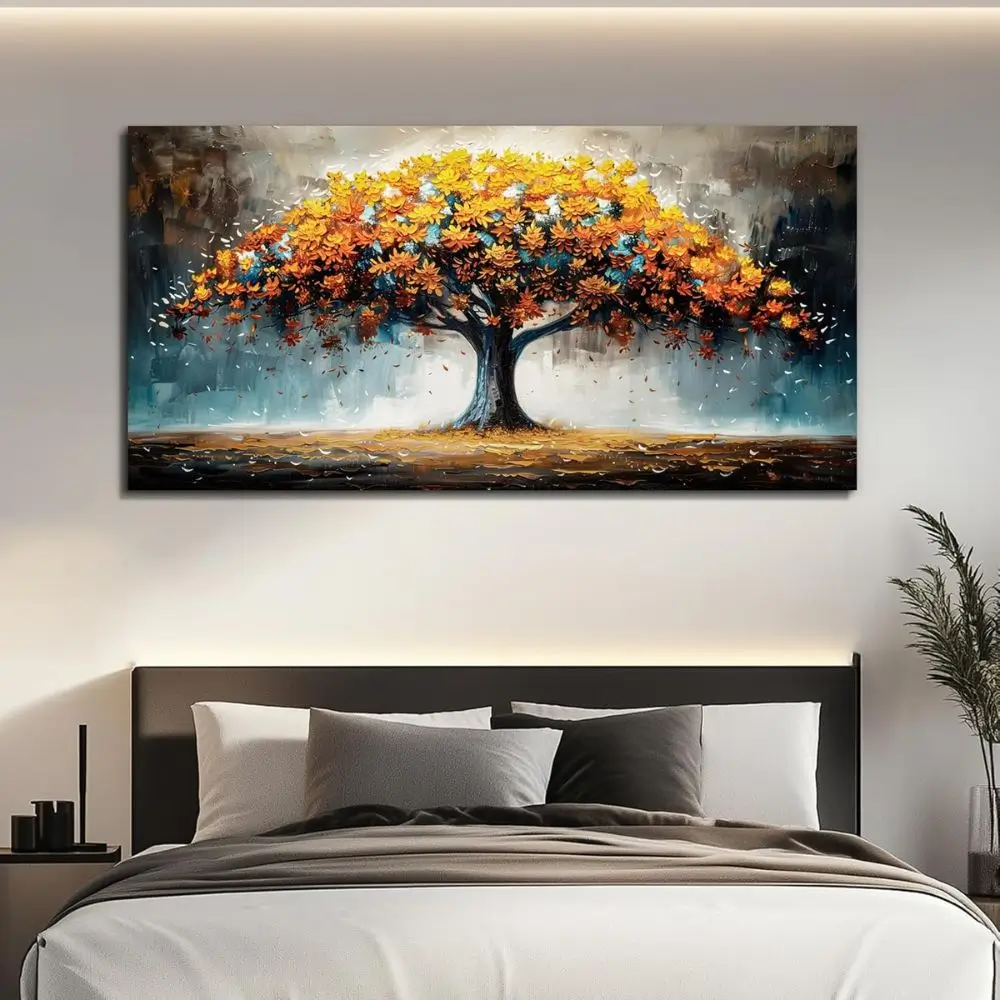

That doesn’t mean the bed wall needs to be dramatic.
It just needs to give the bed a stronger visual frame.
A strong headboard helps.

A well-scaled bed frame helps too.

Good bedding makes a huge difference.
Globan Hotel Collection Down Feather Pillow (A Splurge But Worth It)
So does whatever happens behind the bed.
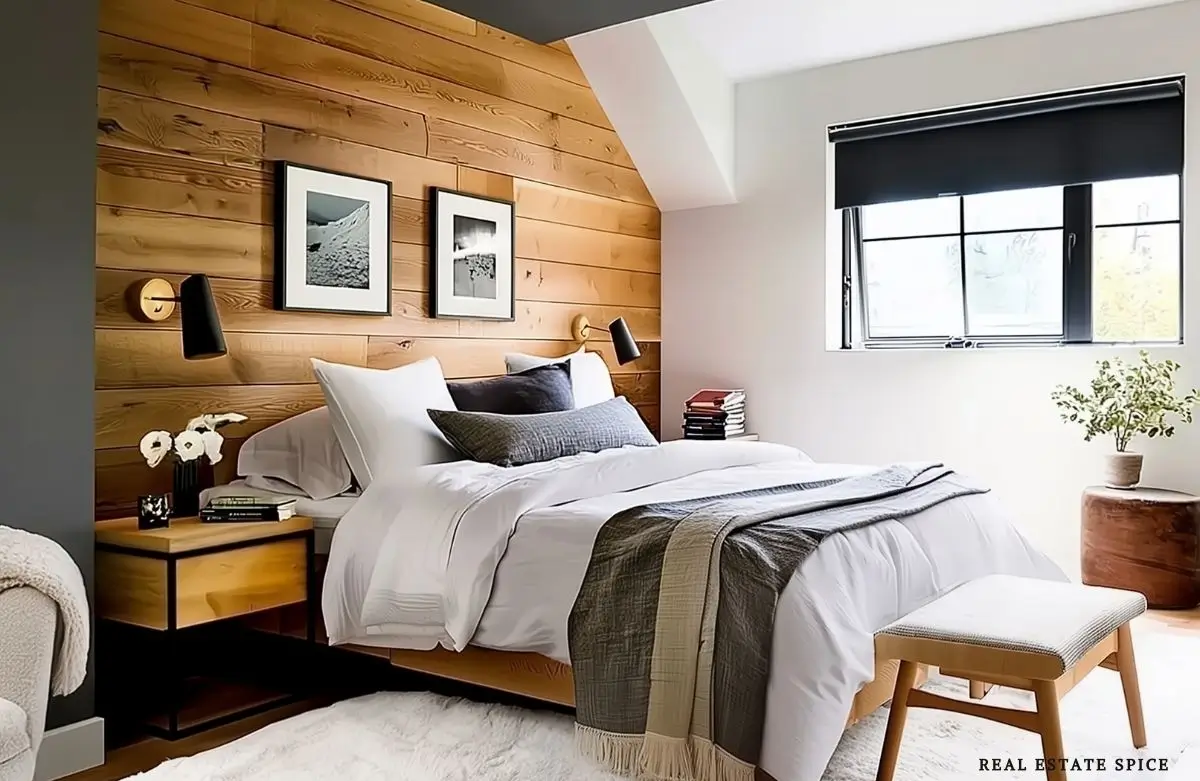
That might be above-bed decor, wall art, wallpaper, paint, trim, texture, mirrors, or even a pair of wall sconces framing the headboard.
You don’t need to throw every idea at the wall and hope something works.
The goal is to make the bed wall feel like the room’s true center.
Start with the bed frame, headboard, and bedding

The bed frame is where the visual story begins.
A wood frame sends a different message than an upholstered one.
A soft curved headboard feels different than a clean-lined platform bed.
Storage beds can be a lifesaver in smaller rooms, but they still need to look proportional to the space.
If the bed frame is too bulky, the room can feel cramped.
When the bed frame is too slight, the room can feel under-furnished.
Then bedding takes over, and this part matters more than people think.
Bedding ideas aren’t just about comfort.
They’re a major interior design tool.
A well-made bed with layered bedding instantly makes the bedroom look more intentional.
That might mean a duvet with a coverlet folded at the foot, or a quilt layered with a throw blanket and two sleeping pillows plus two decorative ones.
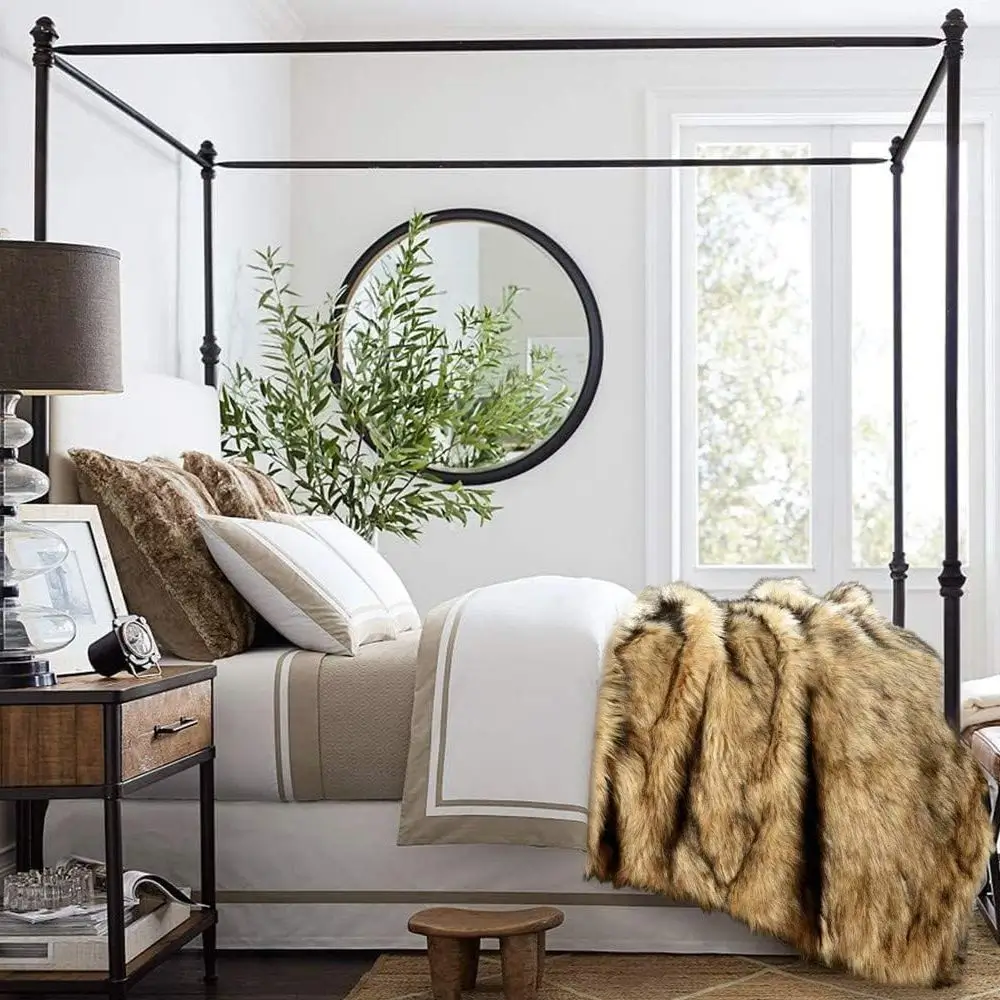
Coverlets, quilts, duvets, bed skirts, and cozy bedding all do slightly different things, but the goal is the same.
You want the bed to feel like it belongs in the room, not like it was dressed in a hurry while the room was still making up its mind.
The bed wall gets stronger when the bed itself feels substantial, layered, and proportional.
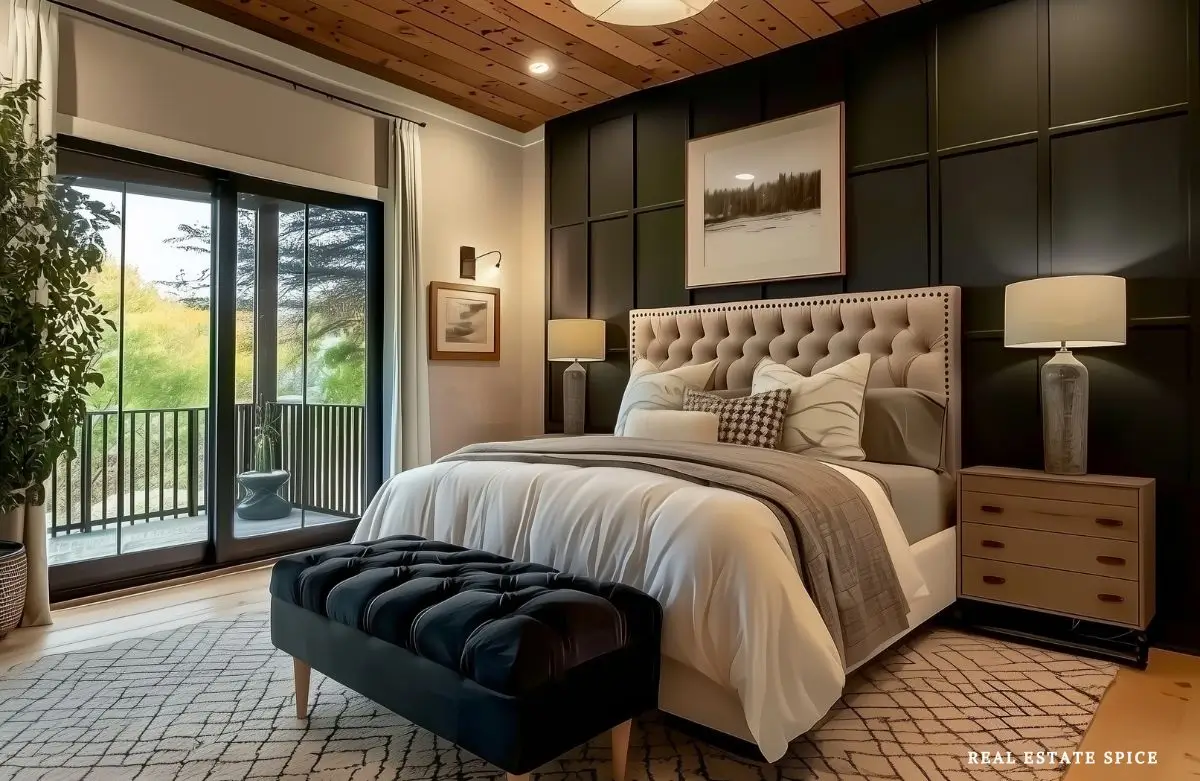
Use the wall behind the bed with restraint and purpose

The wall behind the bed doesn’t need to become an art gallery to feel complete.
It just needs to support the bed.
That might mean one oversized piece of art.
Or it could be a pair of sconces, a strip of trim, a painted accent color, or a wallpaper moment that gives the room a little more shape.
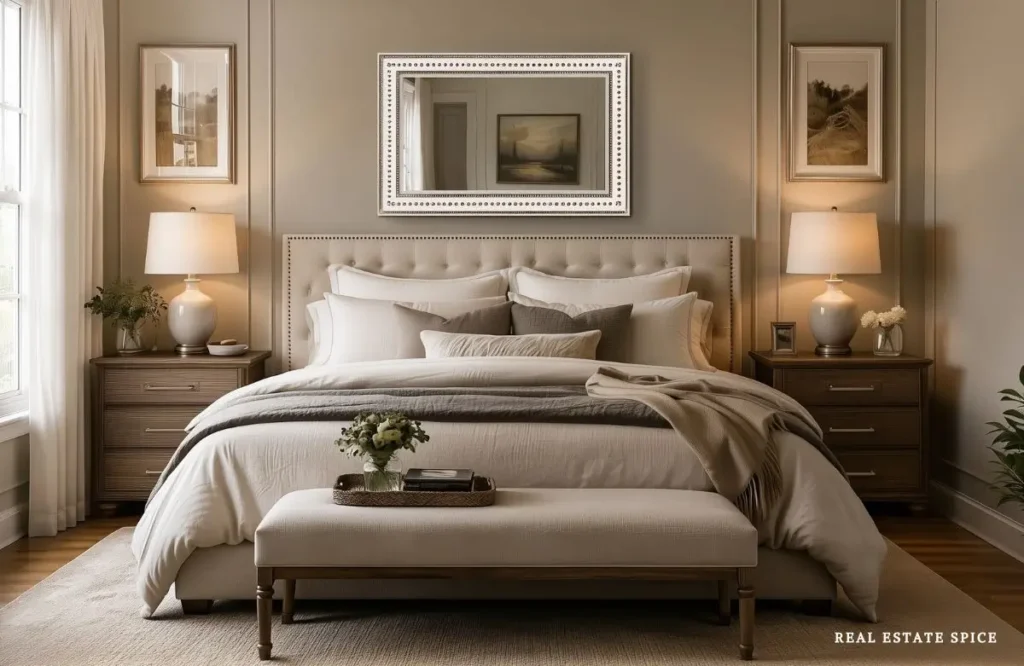
Mirrors can work beautifully when they suit the room and help bounce light around in a natural way.
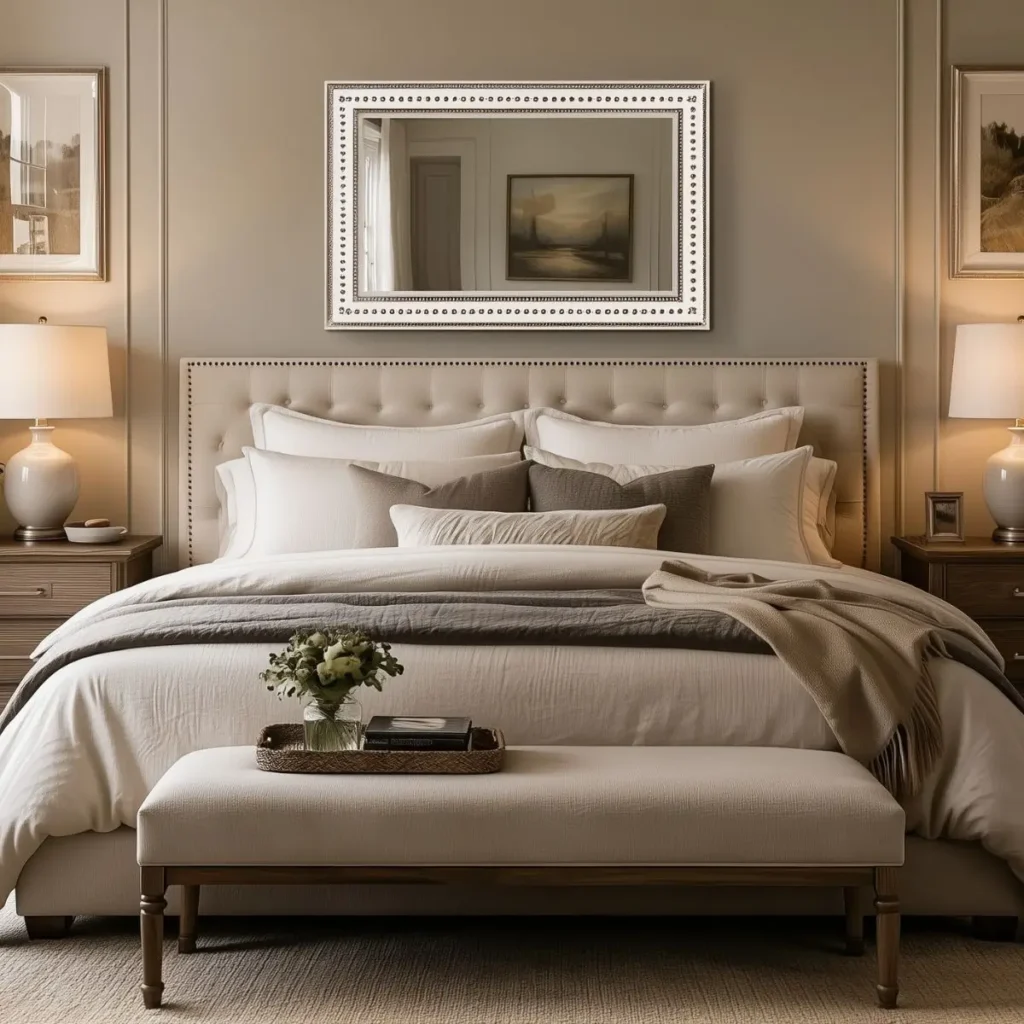
Picture lights can also add a more tailored look when artwork or a wall treatment needs a little extra glow.

Above-bed decor works best when it respects scale.
One good piece is usually stronger than several smaller ones fighting for attention.
If the headboard is already strong, the wall may need less.
If the headboard is lower or simpler, the wall might want more visual presence.
The bedroom wall should feel designed, not overdone.
Color and texture matter here more than almost anywhere else

This is also one of the best places to bring in bedroom colors without overwhelming the room.
The bed wall can carry a little more color or texture than the rest of the bedroom because the bed already anchors it.
A neutral bedroom may benefit from texture here instead of a stronger color.
A calm bedroom may lean into warmer whites, soft clay, muted green, or gentle blue.
A cozier bedroom may use a richer paint tone, wallpaper, or layered textiles to make the space feel warmer.
Area 2: The Nightstand and Lighting Zone
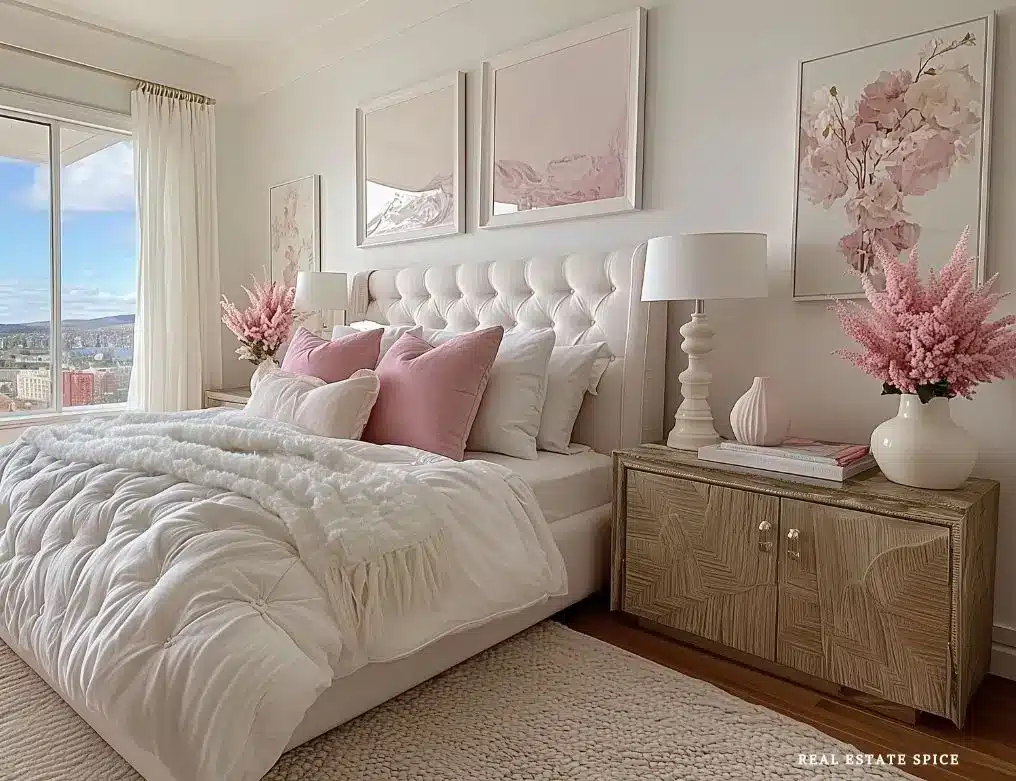
This zone affects both balance and daily life
The nightstand and lighting zone is where style and everyday function meet.
A bedroom can have a strong bed wall and still feel slightly off if the bedside area looks neglected, cluttered, or uneven.
That’s because this zone frames the bed visually and supports some of the most practical parts of daily life.
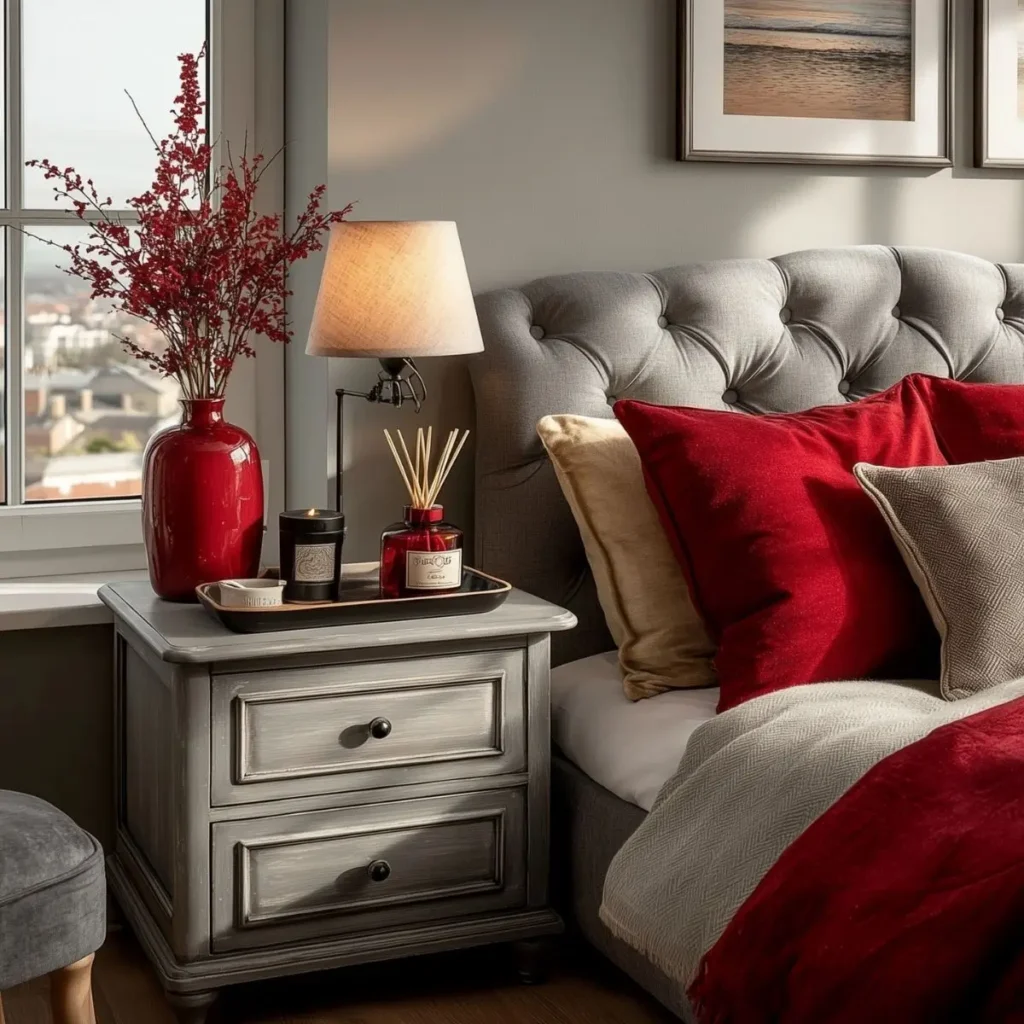
It holds the lamp, the book, the water glass, the charging cable, the alarm clock, and all the little bedtime things that somehow multiply when no one is paying attention.
When this area feels balanced, the room feels calmer.
If it feels chaotic, the room can feel a little more stressful, even when you can’t immediately explain why.
That’s why the second part of the bedroom rule of 3 areas focuses here.
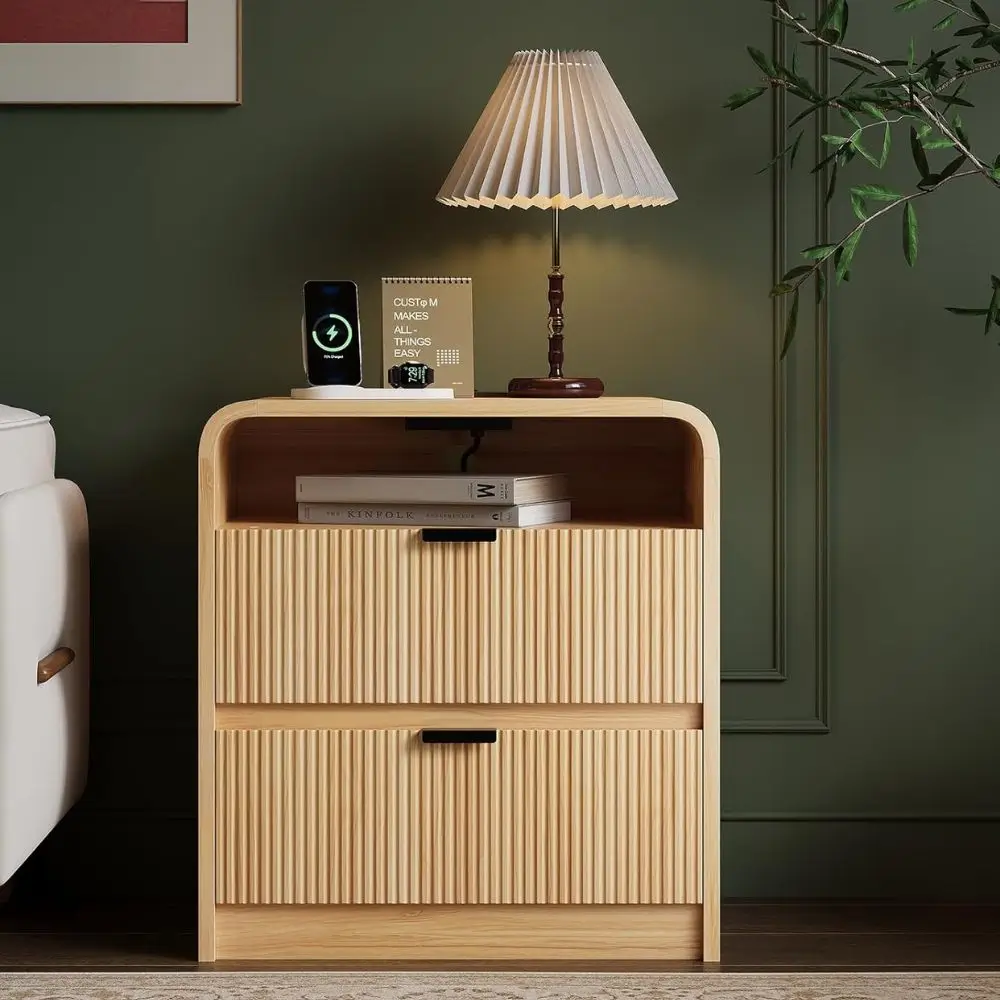
Good bedside styling isn’t just about making the room prettier.
It makes the bedroom work better, too.
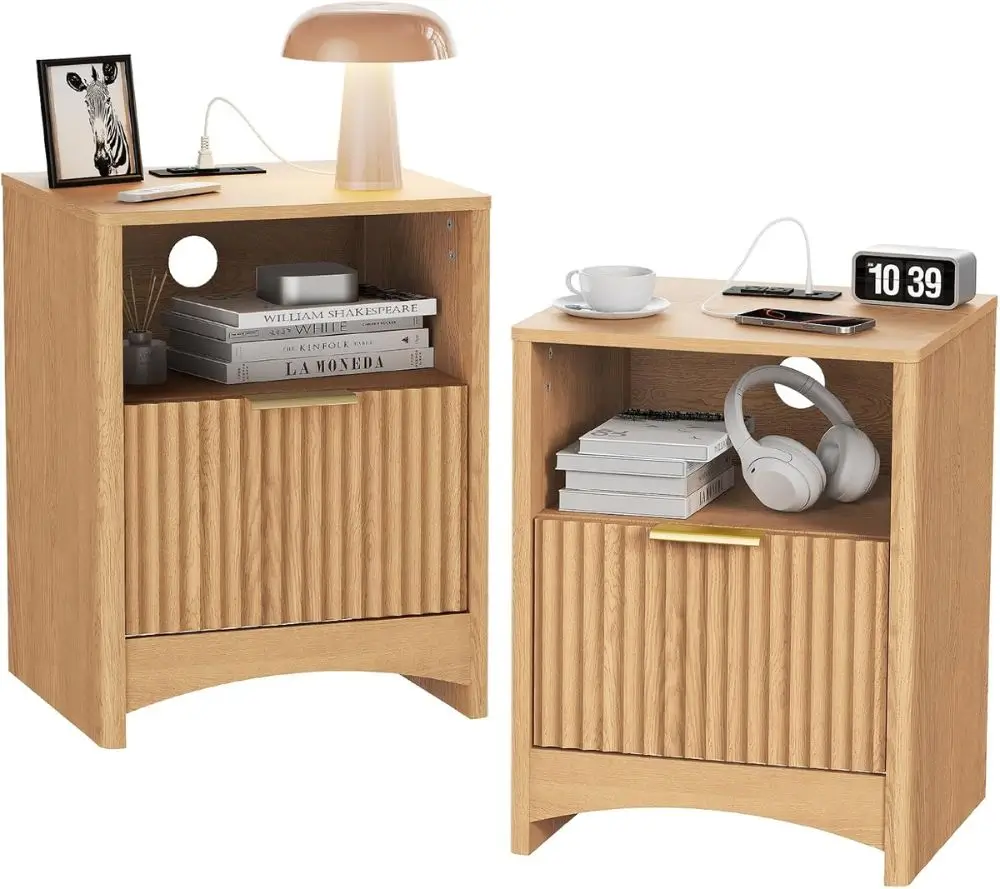
Matching isn’t mandatory, but coordination matters

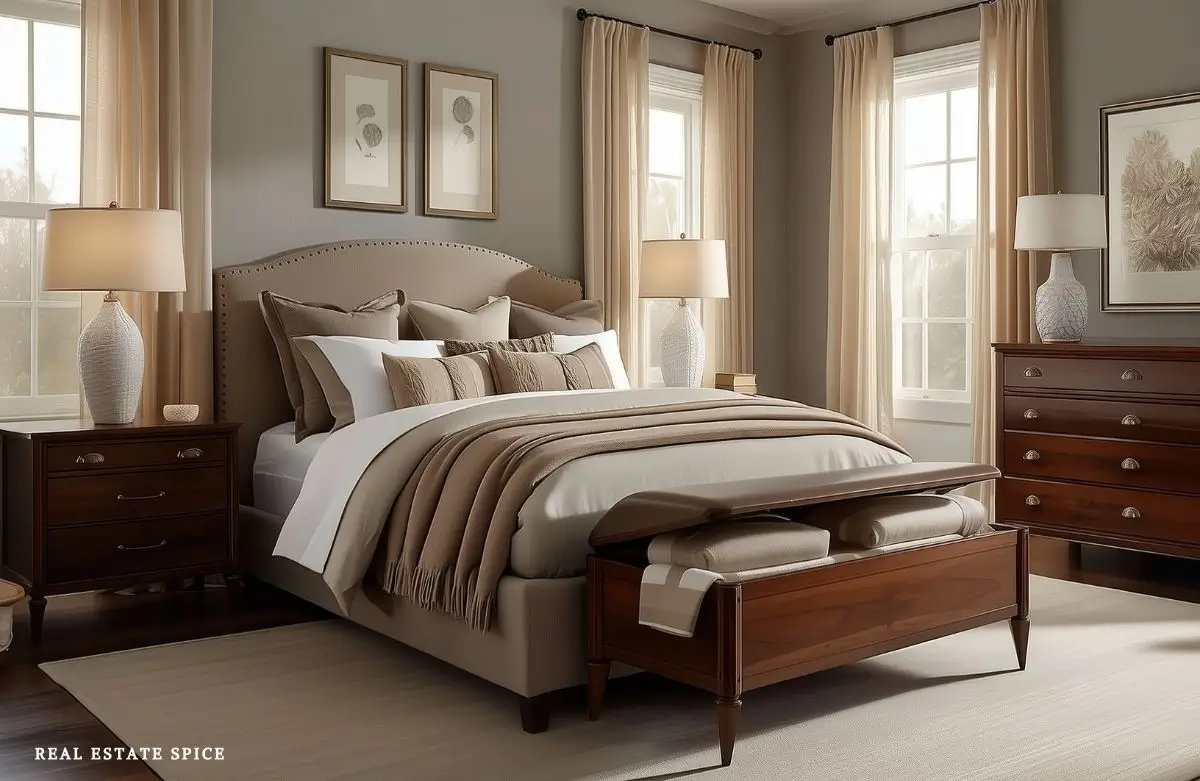
Matching nightstands can look beautiful, especially in a primary bedroom where symmetry helps the room feel more polished.
Still, matching isn’t the only route.
Coordinated nightstands can work beautifully, as long as they feel like they’re speaking the same design language and not arguing across the bed.
Maybe they’re the same height but different finishes.
Sometimes they share a shape or material.
One might be a small dresser while the other is a classic nightstand.
The key is that they should look like they belong in the same room and understand each other socially.
Scale matters a lot here, too.

A tiny nightstand beside a tall bed can look a little lost.
An oversized one can make the bed feel squeezed.
If the room is small, floating nightstands or slimmer tables can help preserve floor space while still keeping the bedside zone functional.
Lighting changes the mood more than almost anything else
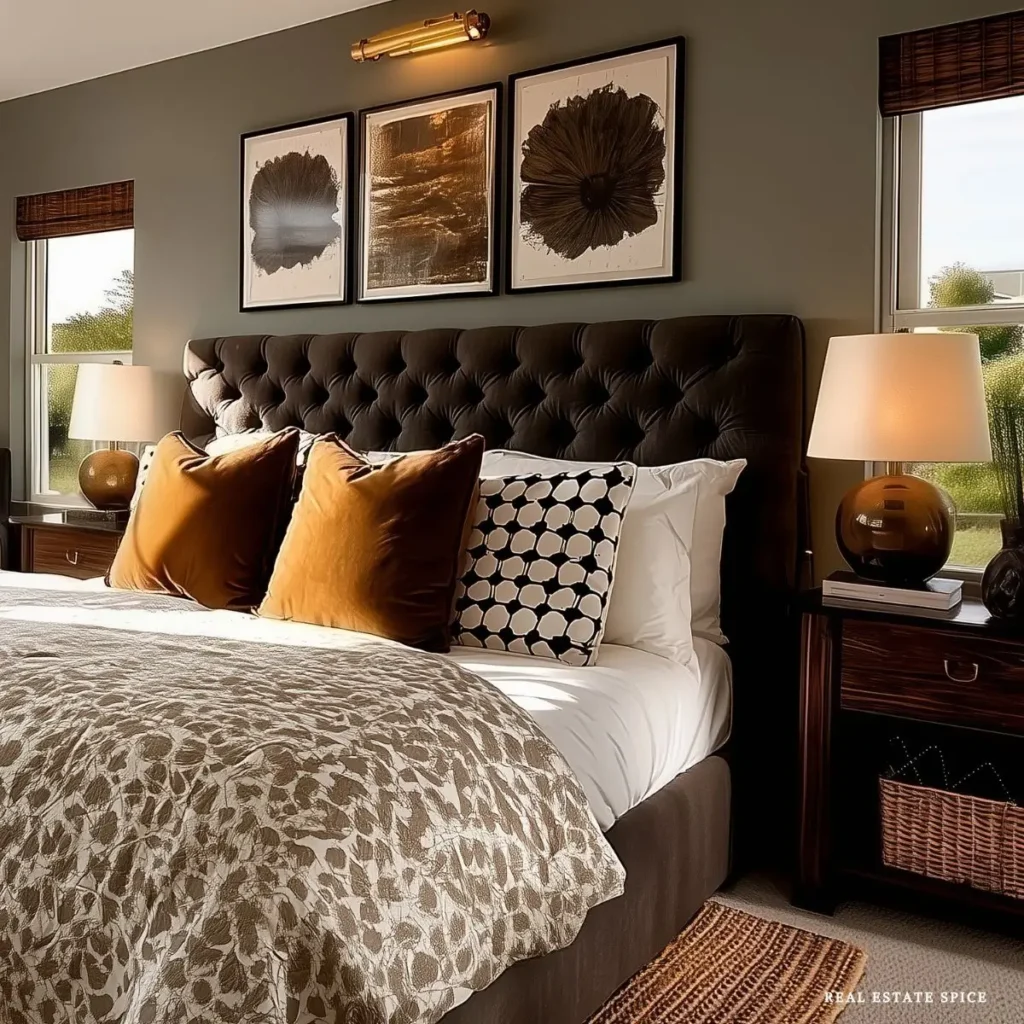
Bedside lamps, wall sconces, and plug-in wall sconces can completely change the way a bedroom feels.
A room with only one harsh ceiling light rarely feels as comfortable as one with layered bedside lighting.
Table lamps bring softness and shape.
Wall sconces can look more tailored and free up nightstand space.

Plug-in sconces are especially helpful for renters or anyone who wants the look of built-in lighting without opening a whole home improvement project.
You get the style and function without drywall dust, wiring drama, or that tiny moment where you wonder why you started this.

Dimmers deserve a special little standing ovation here because they make almost every bedroom lighting plan better.

Lighting that can shift with the time of day makes the room feel more considered and much more comfortable at night.
Keep the surface useful without making it dull
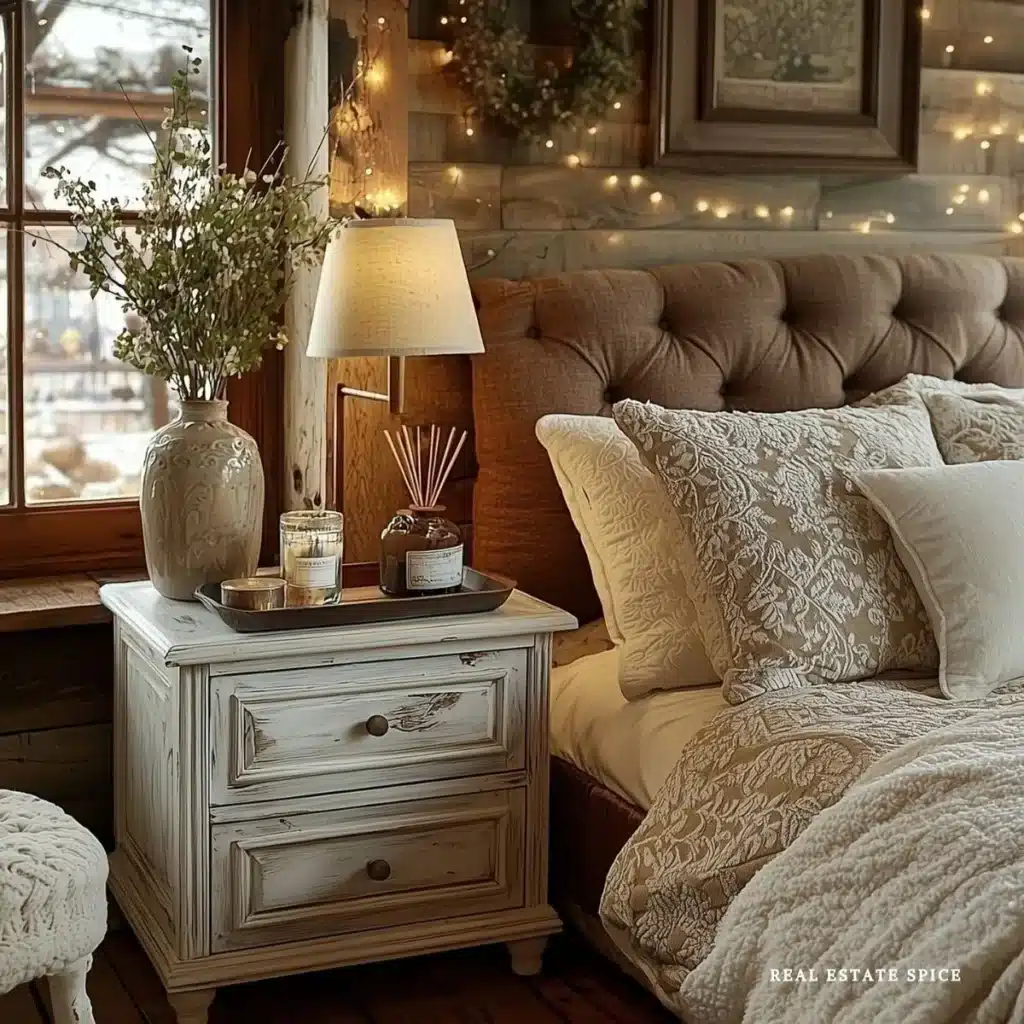
A good nightstand doesn’t need to be empty.
It just shouldn’t feel like a dumping ground.
Use a tray to gather smaller items.
Add a book or two so the room feels lived in, then bring in a small plant for softness.
Framed art can be beautiful, especially leaning behind a lamp.
Alarm clocks, charging stations, and baskets all help the space work better in real life.
Drawers and baskets matter here more than people think because bedroom storage often hides in the bedside area.
A nightstand with a drawer can keep the room looking calmer.
A basket underneath can hold extra books, cords, or bedtime odds and ends without the surface turning into a catchall.
This is one of those places where function genuinely improves the design.
When the bedside space works well, the bedroom feels more relaxed overall.
Area 3: The Floor and Soft Layers
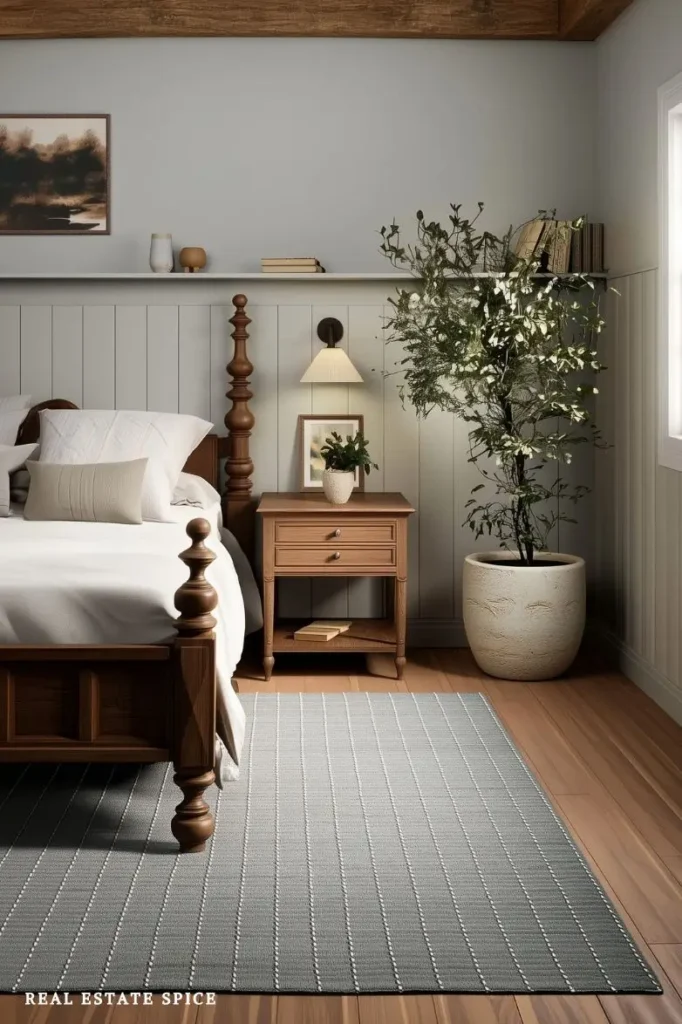
The floor is one of the most overlooked parts of the room
The floor and soft layers get ignored all the time, which is part of why so many bedrooms feel unfinished.
People think about the bed and maybe the nightstands, but they forget that the floor is a huge part of how a room feels.
A bedroom with no softness under your feet, no proper rug placement, and no visual layering near the bottom of the room can feel oddly bare, even when everything else is technically in place.
This area includes bedroom rugs, area rugs, rug size, rug placement, and curtains.
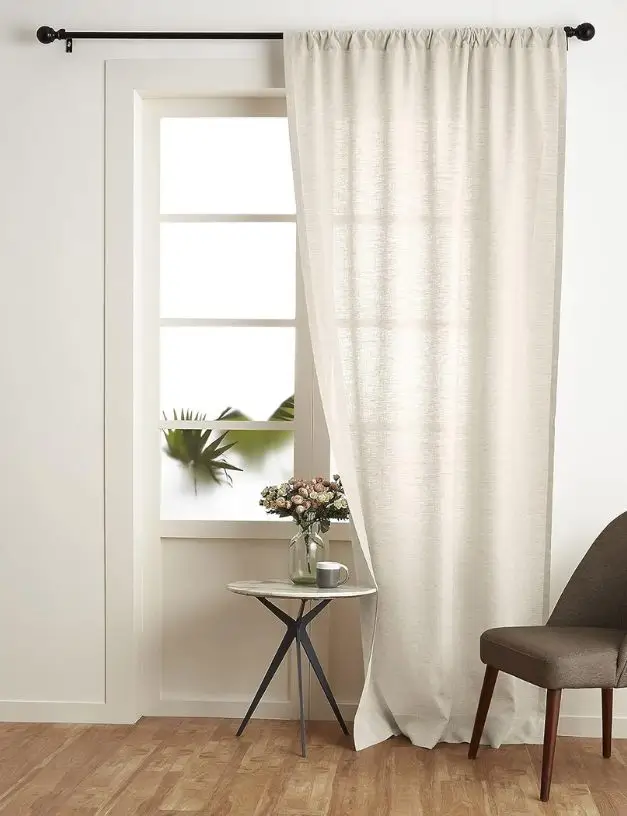
It also includes throw blankets, baskets, benches, ottomans, and mirrors that help the room feel more open.

Plus, the softer textures and natural materials that make the bedroom feel grounded and comfortable.
Once this zone comes together, the bedroom usually starts to look finished rather than merely assembled.
Rug size and placement make a bigger difference than people expect

A bedroom rug does more than soften the floor.
It visually ties the bed to the rest of the room and helps the whole space feel more anchored.
That said, rug size matters.
A rug that’s too small can make the room feel more disconnected instead of more cohesive.
In many bedrooms, the best rug placement is under the lower two-thirds of the bed, so there’s softness where your feet actually land.
It also keeps the rug large enough to make the whole bed area feel grounded and pulled together.
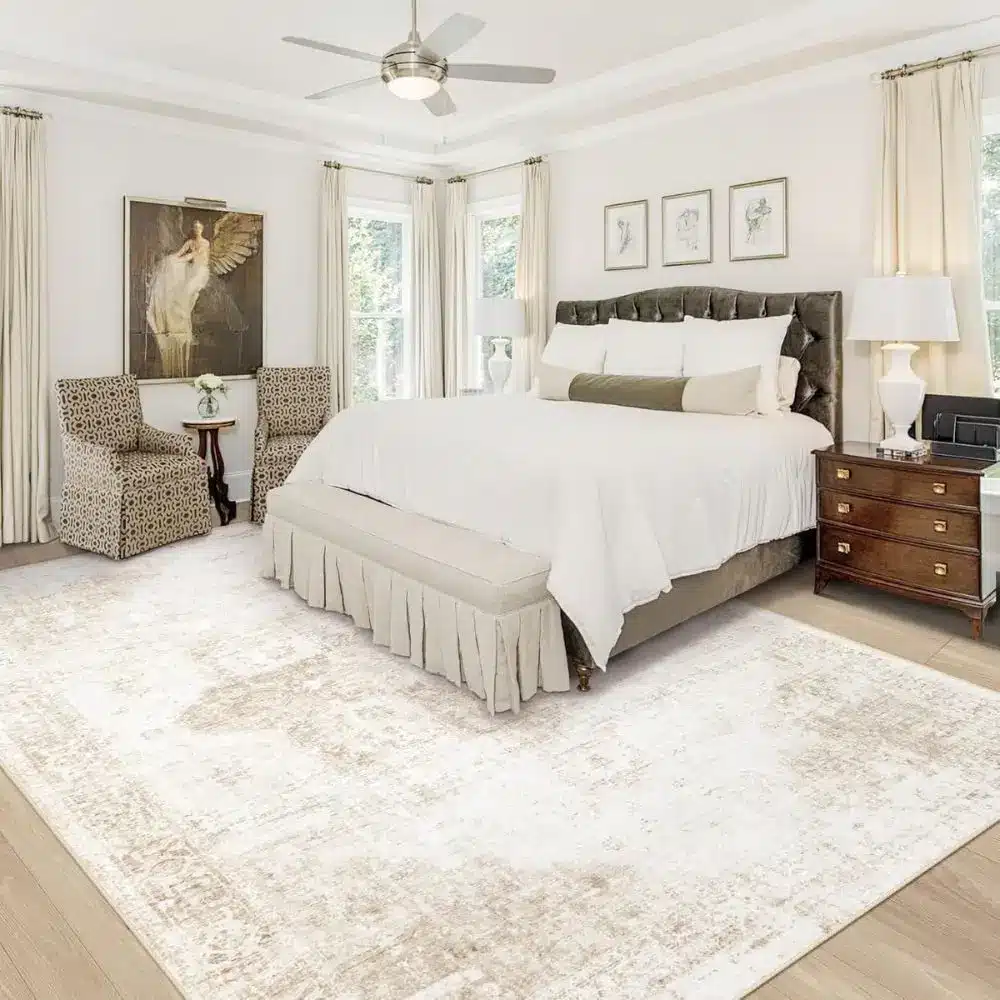
In smaller bedrooms, that may mean using runners on either side of the bed if a full area rug doesn’t fit the layout well.
If nightstands sit partly on the rug, that can work beautifully as long as the rug still feels big enough to support the arrangement.
If you are unsure about rug placement, you are definitely not alone.
It’s one of those deceptively small decisions that changes the whole room.

Soft layers make the room feel comfortable, not just decorated
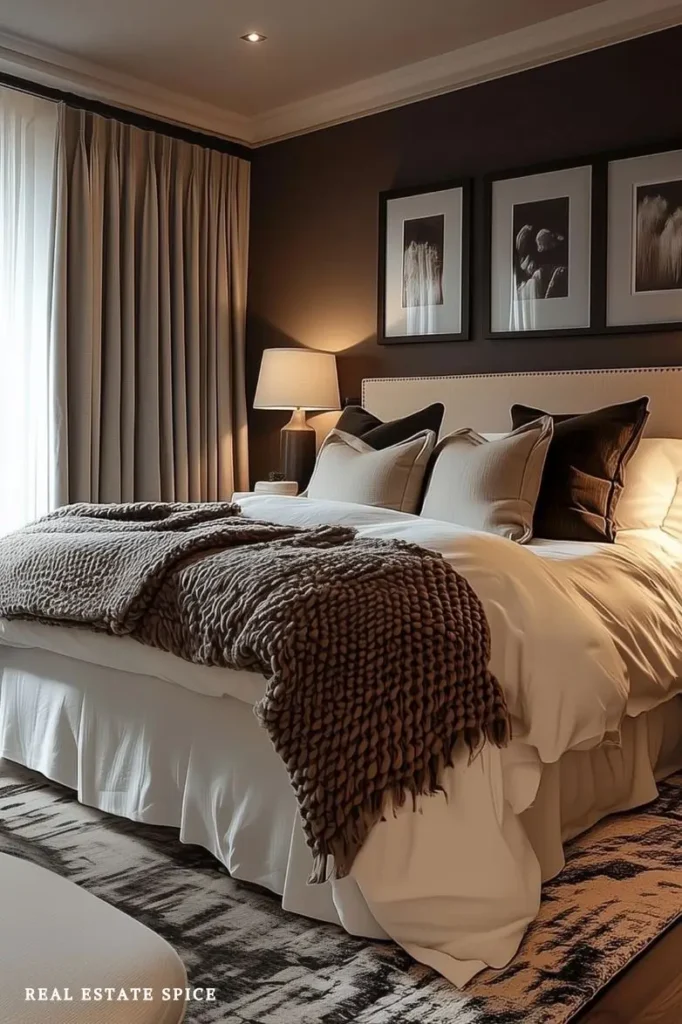
Curtains, throw blankets, pillows, baskets, benches, and soft textures all belong to this part of the room because they make the bedroom feel easier to live in.
Curtains soften the edges of the architecture.
A bench at the foot of the bed can give the room a stronger sense of completion.
An ottoman, chair or stool can make a corner feel more purposeful.
Baskets help with bedroom storage while also bringing in natural texture.
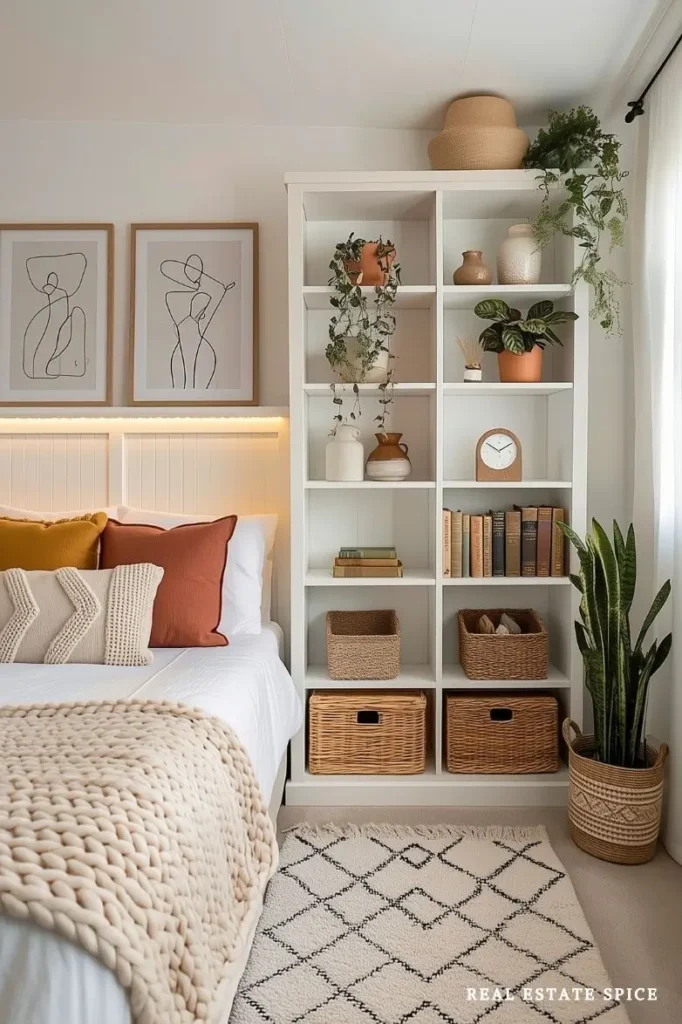
This is also where the room gets much of its emotional warmth.
A throw blanket draped over the end of the bed, a woven basket near the dresser, or a softly textured rug can add warmth without making the room feel busy.
Add one plant near the window or a mirror that reflects light across the room, and the space starts to feel more layered.
Those are the kinds of details that make a bedroom feel complete without turning it into a clutter collection.
How to Use These Three Areas in a Small Bedroom

Small bedroom ideas work especially well with this framework because the room can start feeling better without requiring a full overhaul.
The bed wall still matters most, but it may need a simpler approach.
A lower-profile bed frame, one strong piece of art, or a more restrained headboard can be smarter than anything oversized.
The nightstand and lighting zone may need a little creativity with wall sconces, floating shelves, or slimmer nightstands.
Then the floor and soft layers become especially important.
A good rug, curtains, and one or two textured details can help the room feel finished without taking up more floor space.
How to Use These Three Areas in a Primary Bedroom

A primary bedroom often has room for a stronger bed wall, fuller bedside zones, and a more layered floor setup.
That means the bed can take on more presence through a larger headboard, richer bedding, or a more architectural wall treatment.
Nightstands can be larger or more styled.
Lighting can include both bedside lamps and wall sconces if the room supports it.
Then the soft layer zone can expand through a larger rug, fuller curtains, benches, baskets, and a little more visual depth around the room.
In a master bedroom, these areas also need to support the way you move through the room, and this master bedroom layout formula helps everything work together from morning to night.
How to Use These Three Areas in a Guest Bedroom

A guest bedroom still follows the same three-area logic, but the styling usually works best when it feels a little simpler and more universal.
The bed wall should look fresh and welcoming.
The bedside zone should be practical and easy to use.
The floor and soft layer zone should make the room feel comfortable without overloading it with personal items that make the guest feel like they’re sleeping inside someone else’s scrapbook.

Keep the guest room clear, comfortable, and complete in the same three areas.
How to Use These Three Areas if You Rent
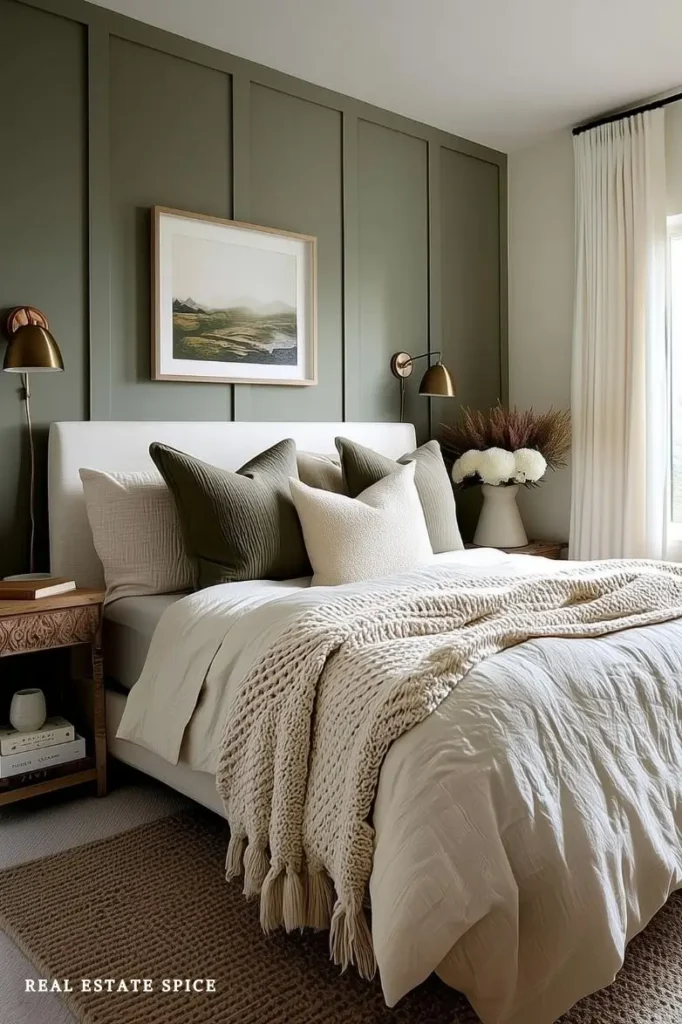
Renters can absolutely use this framework because none of the three areas require a major renovation to work.
The bed wall can be strengthened with bedding, a better headboard, removable wallpaper, or art.
For the nightstand and lighting zone, plug-in wall sconces, lamps, and better-scaled tables can make a big difference.
The floor and soft layer zone can come together through rugs, curtains, baskets, mirrors, and benches.
A rental bedroom doesn’t need to feel temporary.
It just needs the right layers in the right places.
That’s what makes this framework so useful.
It focuses on changeable decisions that still have a huge visual effect.
How to Use These Three Areas on a Budget
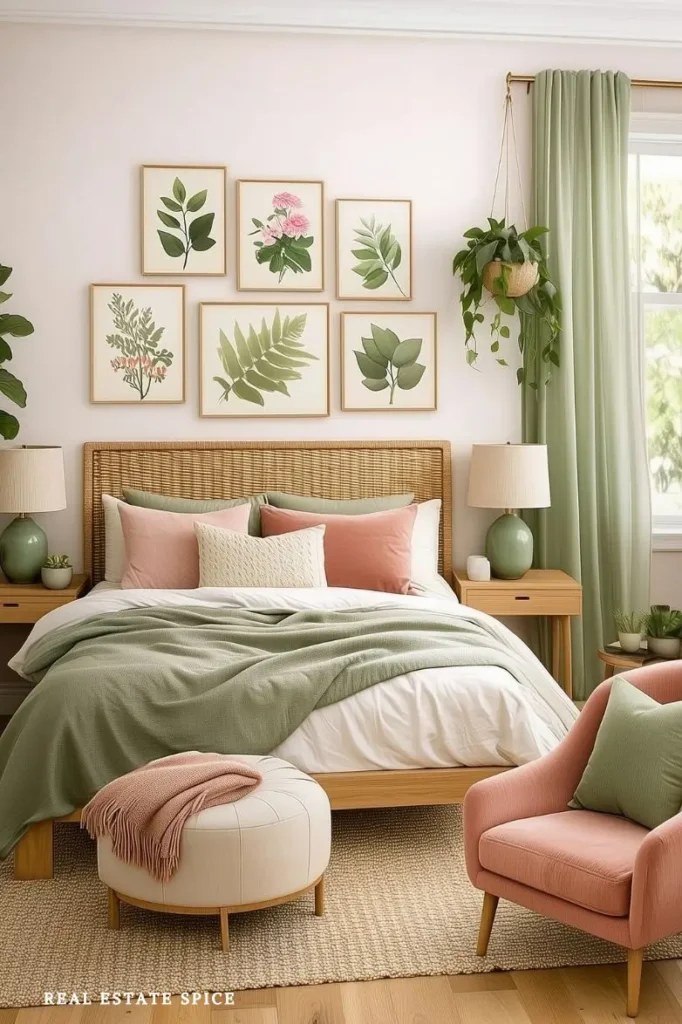
A tighter budget usually means the bedroom rule of 3 becomes even more useful because it helps you prioritize.
Start with whichever area is creating the biggest problem.
If the bed wall feels weak, better bedding and a stronger headboard may matter most.
Globan Hotel Collection Down Feather Pillow (A Splurge But Worth It)
Maybe the bedding is already decent, but the room still feels off—then the bedside zone may need better lighting or more coordinated nightstands.
And when the whole room feels bare, the floor and soft layers may give you the biggest payoff for the money.
Before you spend more, use my master bedroom decorating formula to see whether the upper walls, bed area, or floor needs attention first.
Budget-friendly bedroom makeover ideas usually work best when they’re done in that order instead of scattering purchases across the room.
One better rug may do more than five random decor items.
One pair of bedside lamps may fix more than a new dresser.

A better duvet and throw blanket may improve the whole bed wall without replacing the bed frame at all.

Bedroom Area Mistakes That Make a Room Feel Unfinished

Letting the bed wall feel weak
If the bed wall has no real presence, the room often struggles no matter what else gets added.
That can happen when the headboard is too small, the bedding feels flat, or the wall behind the bed looks disconnected from the rest of the room.
Ignoring the bedside zone
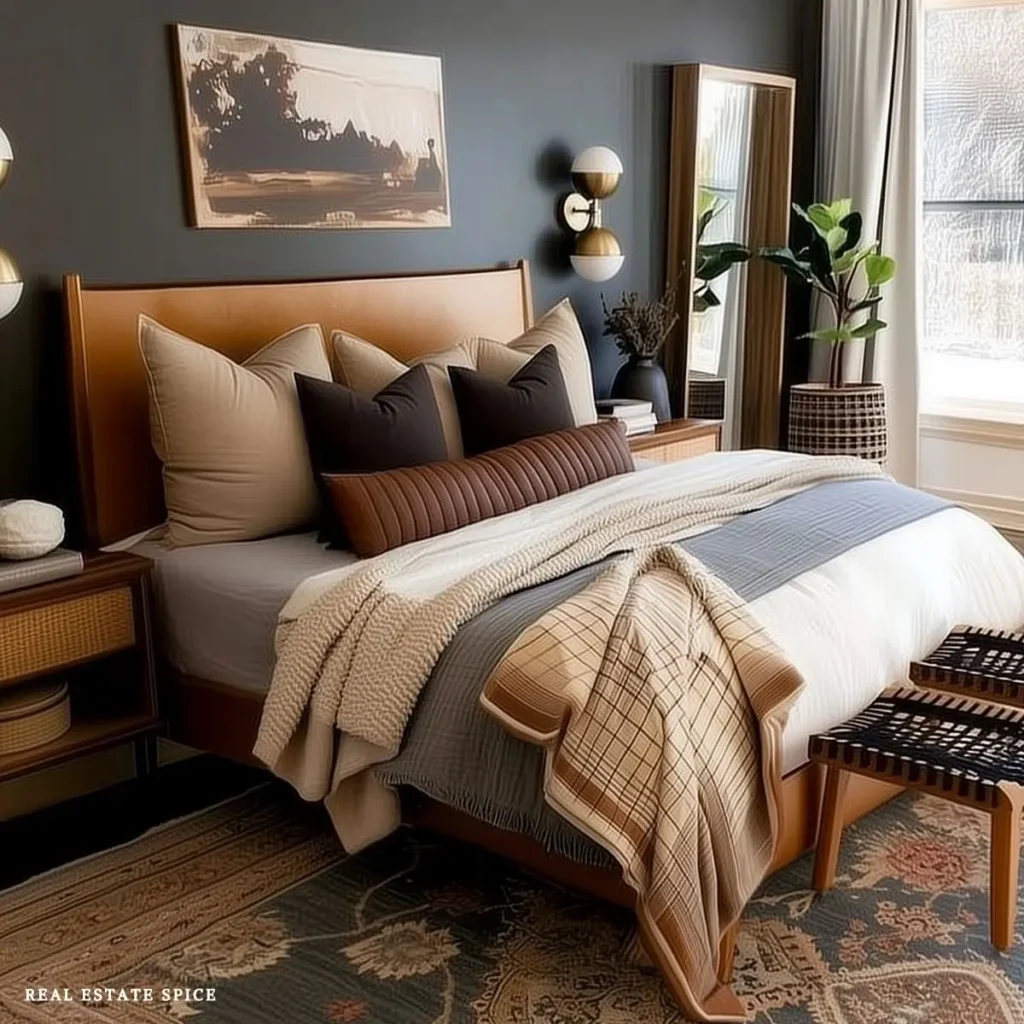
This zone gets neglected constantly.
The room may have decent furniture overall, but the bedside area can still feel off.
Maybe the nightstands look accidentally mismatched, the lamps are oddly scaled, or the surfaces have turned into clutter magnets.
Because the bed is such a strong visual anchor, anything flanking it has extra influence.
Treating rugs and soft layers like optional extras

Bedrooms without proper floor layering often feel unfinished even when the major furniture is in place.
A rug that’s too small, curtains that feel like an afterthought, or the complete absence of any softer textures can make the room feel harder and less complete.
Trying to decorate the whole room at once
This is where people tend to get overwhelmed.
They start buying wall decor, mirrors, baskets, pillows, and random cute things before the three main areas are actually working.
Then the room gets fuller without getting better.
The bedroom rule of 3 areas exists to keep that from happening.
A More “Designer” Bedroom Starts With These 3 Areas
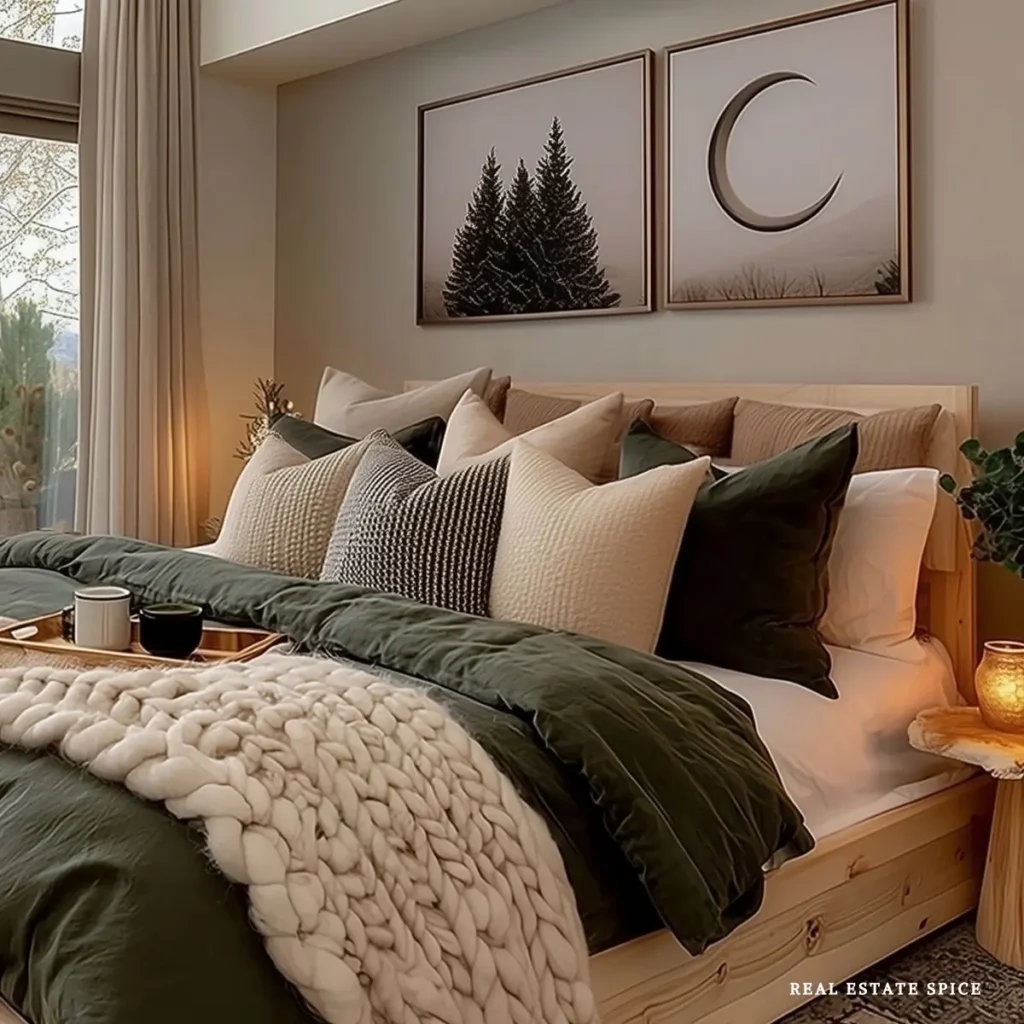
Decorating a bedroom doesn’t have to mean tackling every corner all at once.
Most rooms feel better when the focus gets simpler.
The room may have decent furniture overall, but the bedside area can still feel off.
Maybe the nightstands look accidentally mismatched, the lamps are oddly scaled, or the surfaces have turned into clutter magnets.
That’s the real strength of the bedroom rule of 3 areas framework.
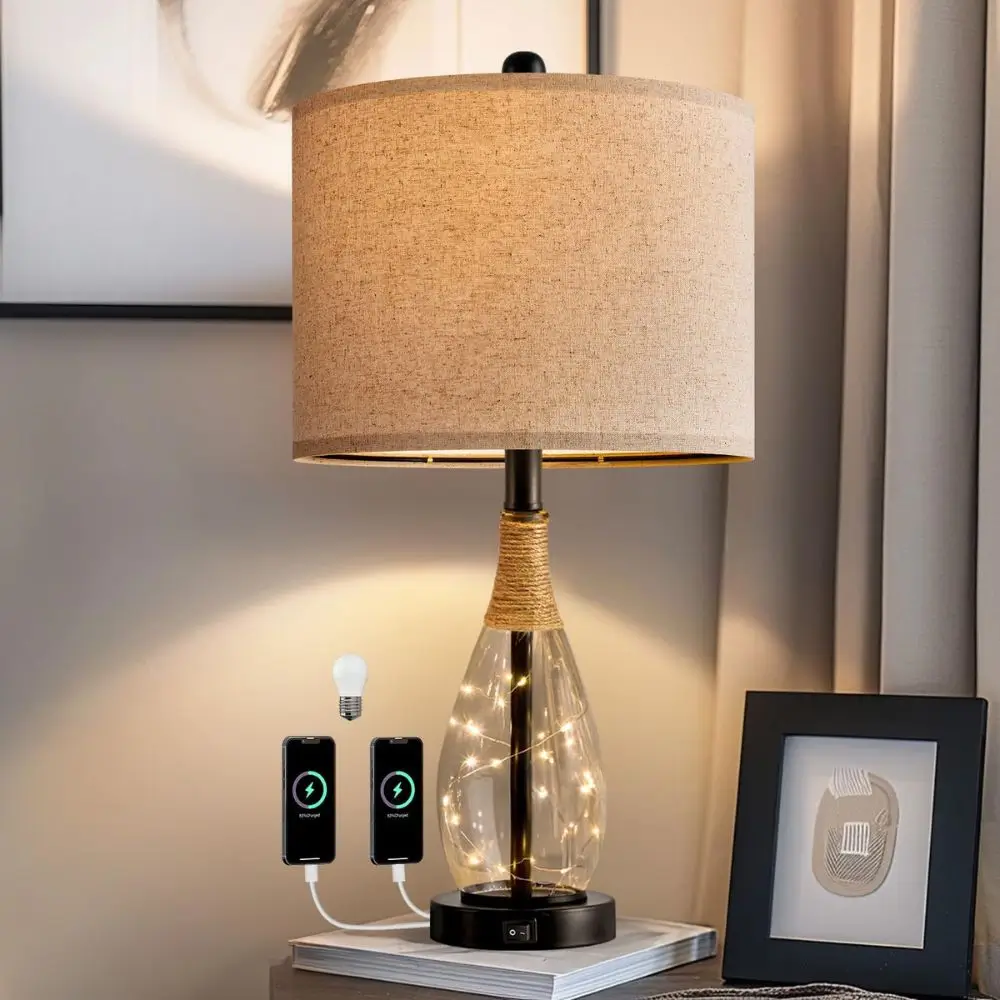
It gives you a place to start.
Better still, it helps you understand why the room feels off in the first place.
Once those biggest areas start working together, the bedroom finally feels easier to live in and easier to love.
It also feels much more like the retreat you wanted all along.