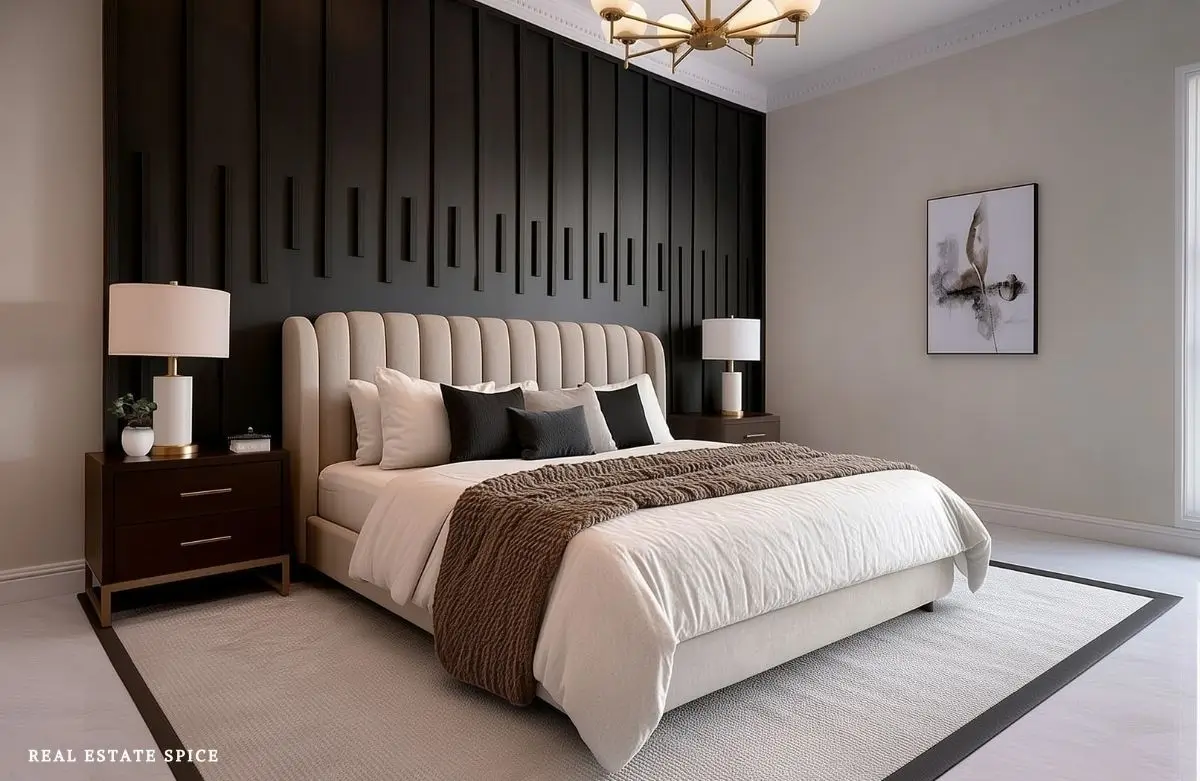
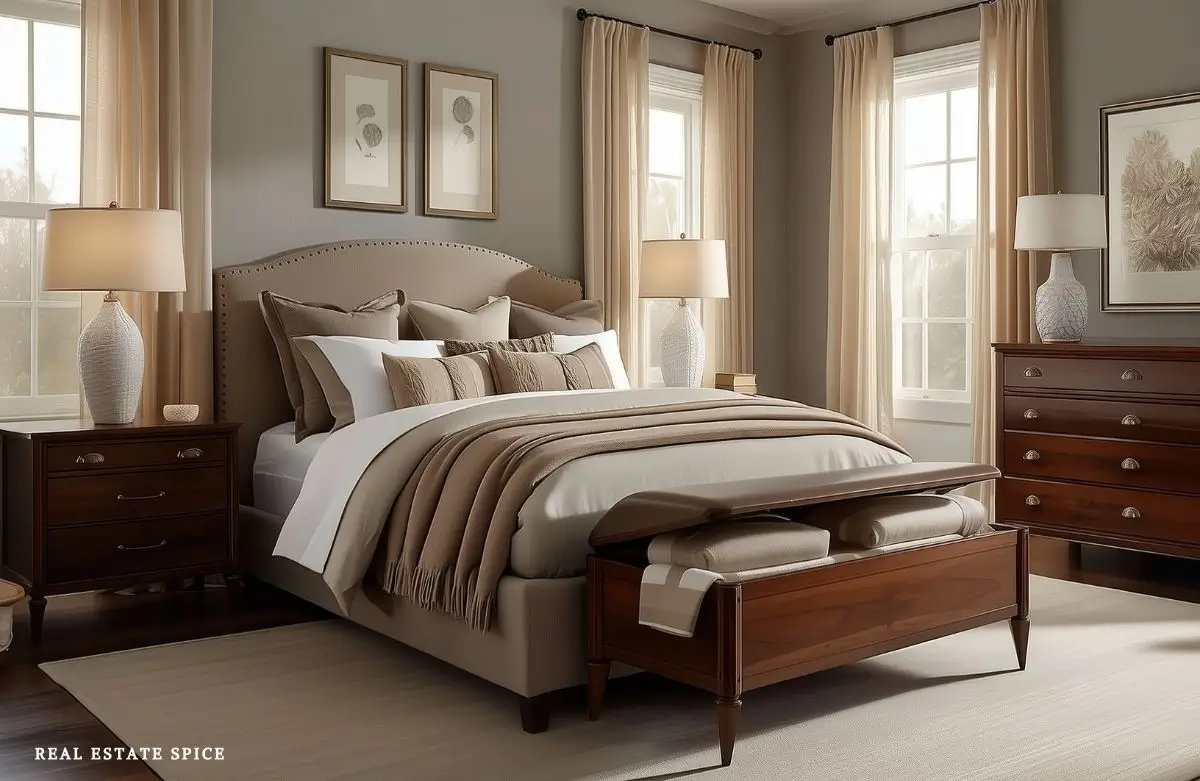
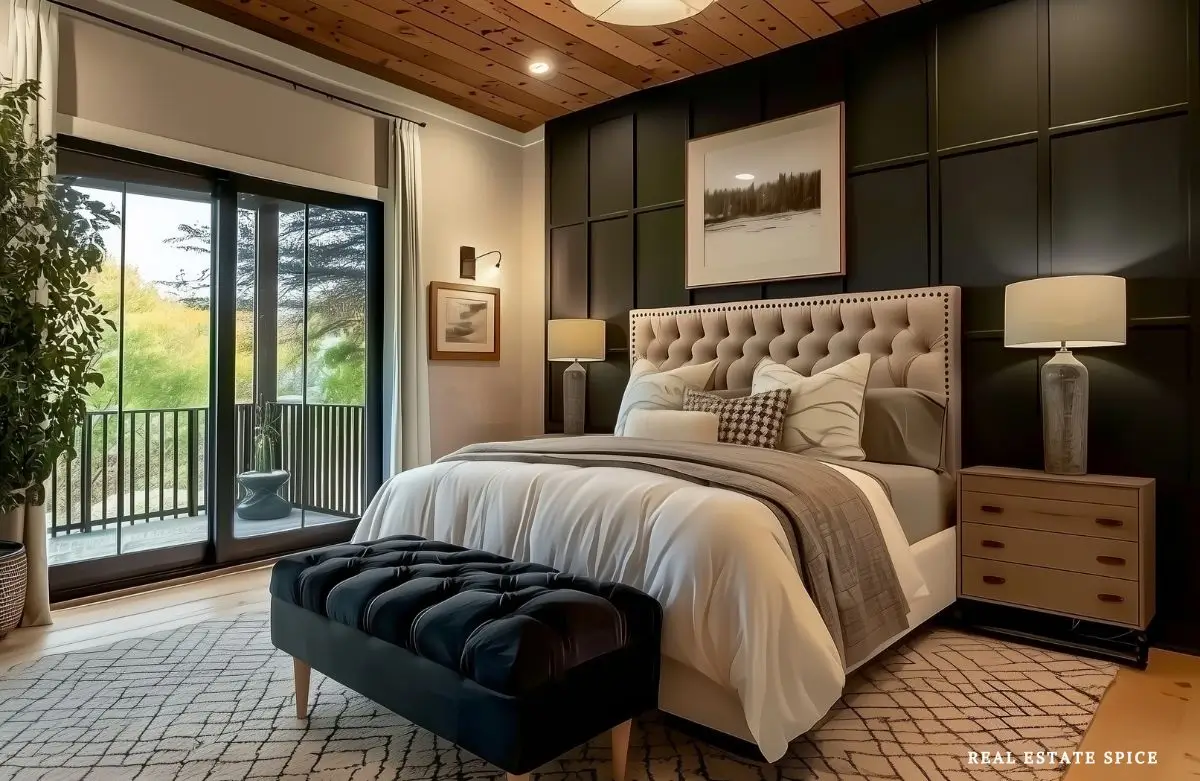
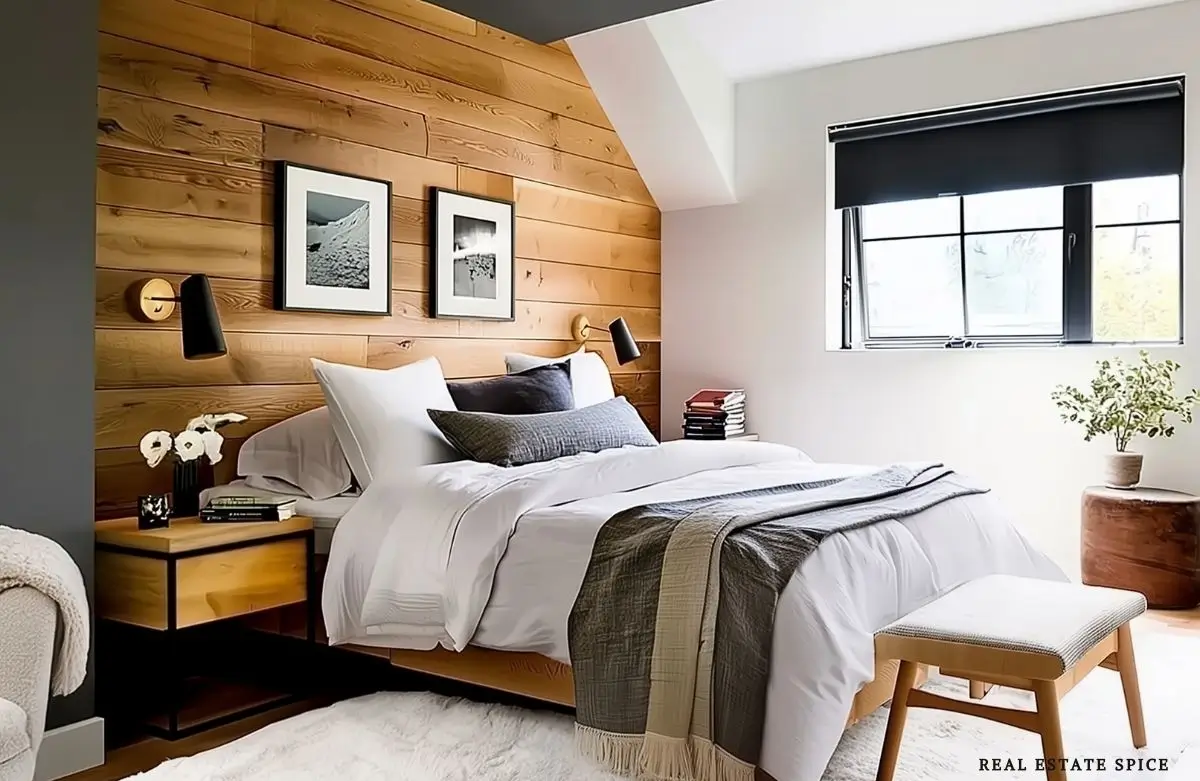
Simple Bedroom Interior Design: 21 Ideas That Feel Warm, Not Bare
Simple bedroom interior design sounds wonderfully easy until you try to make the room feel uncluttered without making it look as though someone moved out yesterday.
You remove a few things.
Then a few more.
Be sure to check out How to Decorate a Bedroom and the Bedroom Rule of 3 after this…
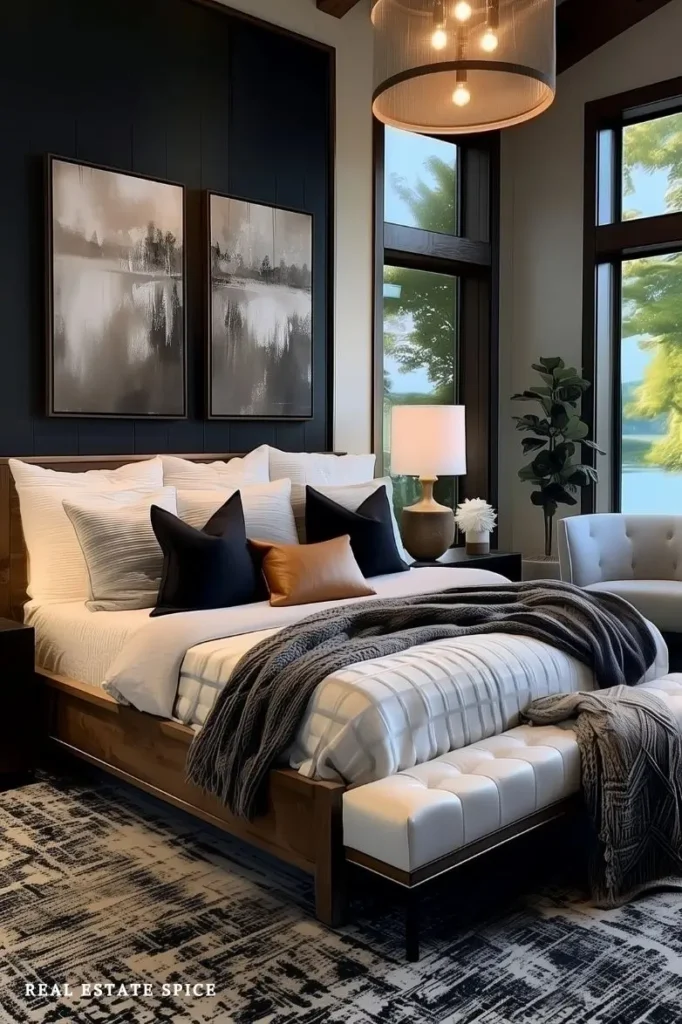
Suddenly, the bedroom has one lonely pillow, a bare nightstand, and all the personality of a waiting room.
That isn’t the goal.
At its best, simple bedroom interior design creates a room that feels clear, comfortable, personal, and easy to care for.
The bed looks comfortable enough to make you want to climb in.
The furniture fits without blocking doors, drawers, or your path to the bathroom.
The lighting feels soft at night.
The colors work together, and everything you see has a reason for being there.
You don’t need a large bedroom, matching furniture, expensive built-ins, or an impressive renovation.

You need fewer competing decisions and stronger choices where they count.
Simple doesn’t have to mean white walls, beige bedding, and one plant standing in the corner under enormous pressure.
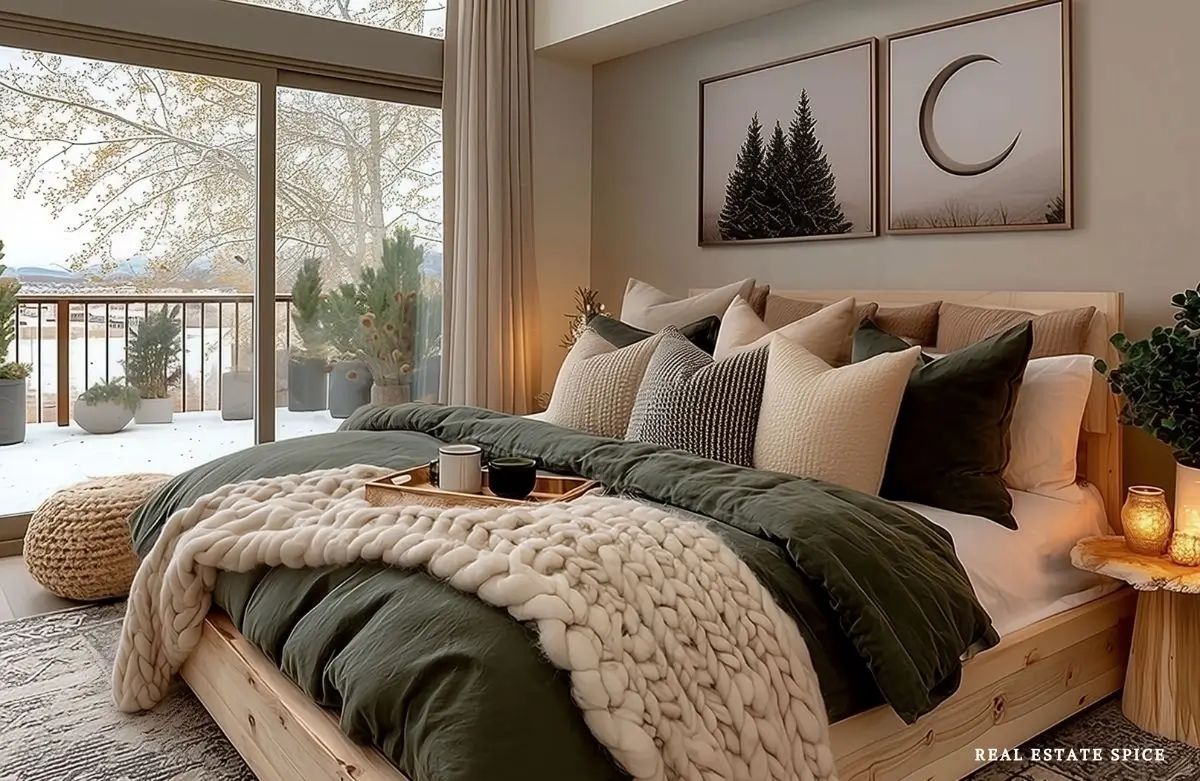
You can use color.
You can mix furniture.
You can display personal things.
You can even keep your beloved pillow collection, although we may need to discuss whether all seventeen need to report for duty every morning.
The goal is not to remove everything you love.
It’s to create a bedroom where comfort comes first, the design feels connected, and your eyes aren’t trying to process half your belongings before you’ve had coffee.
Grab your favorite beverage, pen, and paper for notes; take your time to study the images, design tips, and products, and enjoy!
ps…remember to save this and come back anytime for a dose of inspo!
What Simple Bedroom Interior Design Really Means
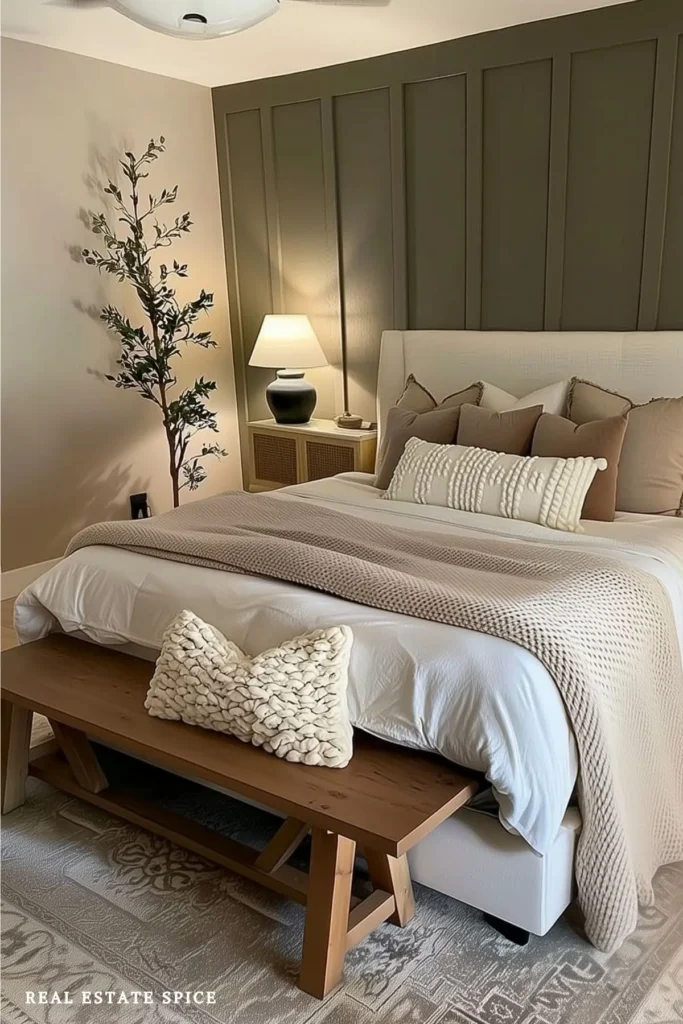
A simple bedroom begins with a clear plan for what the room needs to provide.
It needs a comfortable place to sleep.
It needs enough furniture and storage to support your daily routine.
It also needs lighting, color, texture, and personal details that make the space feel like yours.
What it doesn’t need is furniture filling every open wall, decor covering every surface, or five unrelated design ideas competing for attention.
That distinction is important.
A room can contain very little and still feel confusing when the pieces don’t relate to one another.
Another bedroom can include rich color, patterned bedding, books, artwork, and substantial furniture yet still look simple because everything follows the same direction.
Think of simplicity as visual clarity, not emptiness.
You should be able to enter the room and immediately understand where your eye should go.
Usually, that’s the bed.
From there, the nightstands, lighting, window treatments, rug, dresser, and wall decor should support the bed instead of starting separate conversations across the room.
If you want a broader formula for bringing the entire room together, my Bedroom Rule of 3 will help you decide what should lead, support, and finish the space.
For this article, we’re concentrating on creating a simpler bedroom interior that still feels warm, complete, and wonderfully comfortable.
Get My Free eBook
“100 Easy Ways To Refresh Any Room All Year Round”
Simple Bedroom Interior Design Ideas That Change the Whole Room
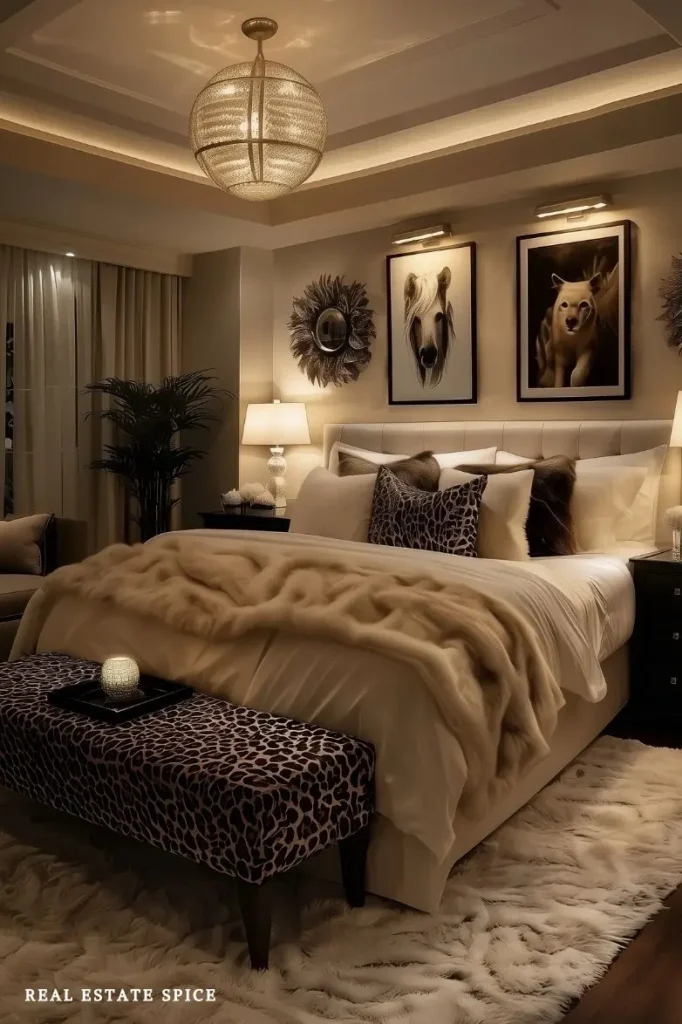
1. Study Bedroom Interior Design Pictures for the Feeling, Not the Shopping List
Bedroom interior design pictures can help you discover what you love, but they become less helpful when you try to copy every lamp, pillow, chair, and decorative object.
Instead, look at the whole room for a moment.
What caught your attention first?
Was it the soft color, the beautiful bed, the warm wood, the light coming through the curtains, or the uncluttered feeling?
Write down two or three qualities you want your bedroom to have.
This gives you a direction without turning one inspiration photo into a very expensive scavenger hunt.
Your bedroom doesn’t need to duplicate the picture.
It needs to give you the part of that picture that made you stop scrolling.
2. Decide How You Want the Bedroom to Feel
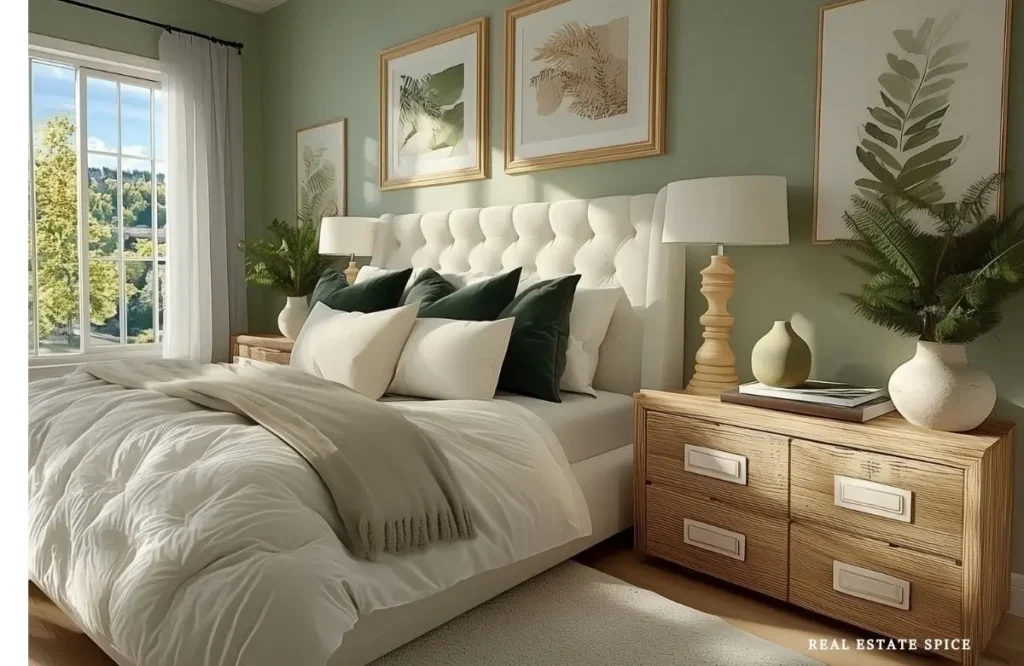
Before choosing paint, bedding, or furniture, name the feeling you want when you enter the room.
Maybe you want it to feel warm and restful.
Perhaps you prefer fresh, romantic, natural, colorful, polished, or soft.
Choose words that feel like you rather than words you think a bedroom is supposed to represent.
JAYMIE’S PRO TIP
But, Jaymie, How Do I Know If Something Belongs?
Ask whether it supports the feeling you chose for the room. A lovely piece can still pull the bedroom in the wrong direction. If it changes the mood instead of supporting it, try it somewhere else.
If you want a soft natural bedroom, a shiny mirrored dresser may pull the design in another direction.
That doesn’t make the dresser bad.
It simply means it may be happier somewhere else.
3. Give the Bedroom One Clear Focal Point
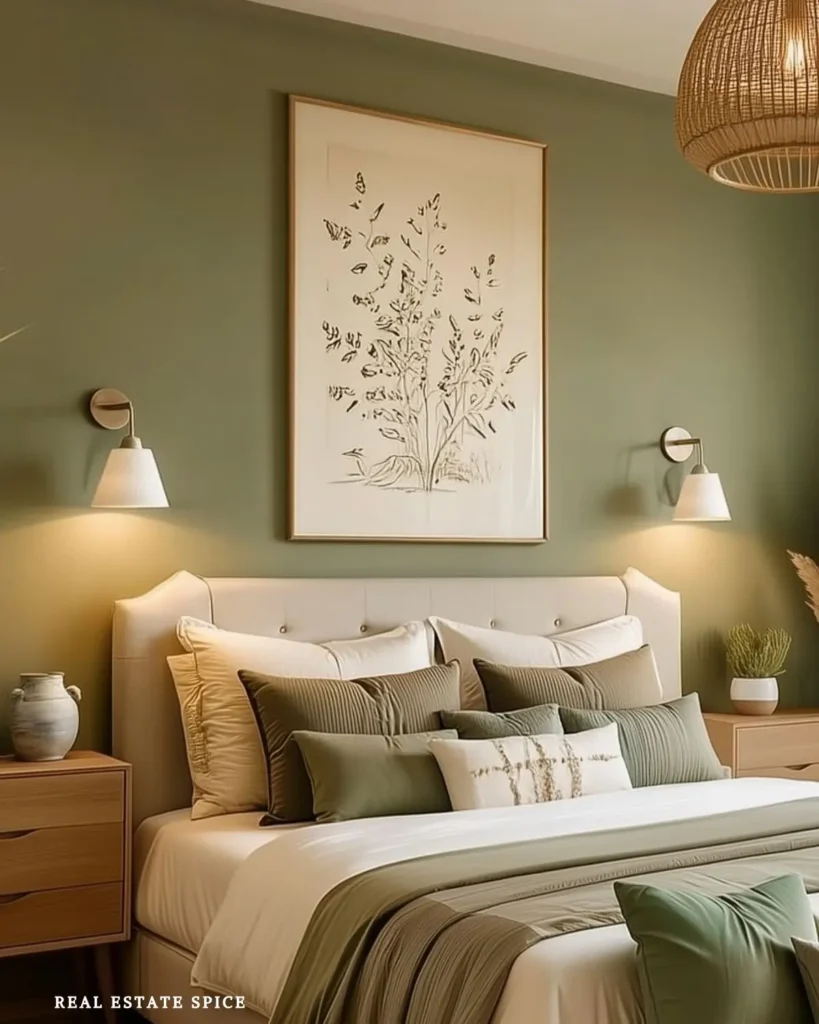
Most simple bedrooms look better when one area leads.
The bed is the natural choice because it is usually the largest and most important piece.
You can strengthen it with a headboard, beautiful bedding, wall color, artwork, paneling, wallpaper, or balanced lighting.
Choose one or two of those elements rather than asking all of them to perform at full volume.
A dramatic headboard may only need simple bedding and restrained art.
Colorful patterned bedding might look best against a calmer wall.
Use the Doorway Pause before adding more.
Stand at the bedroom entrance and notice where your eye goes first.
If three different walls are shouting for attention, decide which one you want to hear.
4. Let the Bed Set the Direction
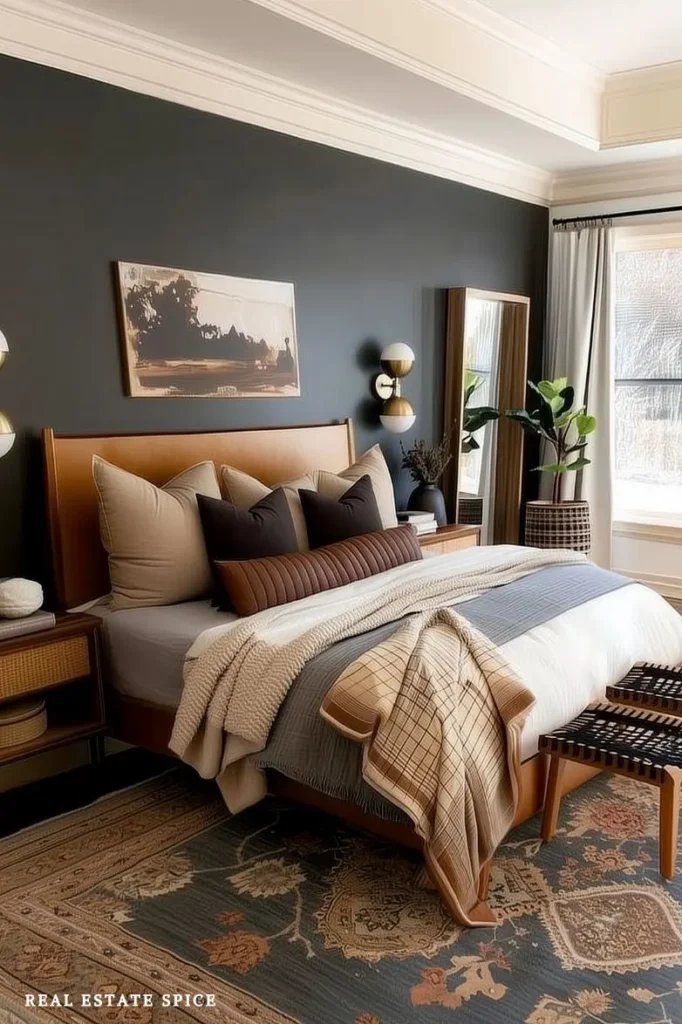
The bed affects nearly every other bedroom decision.
Its size determines how much room remains for nightstands, a dresser, a bench, and comfortable walking paths.
The frame and headboard also establish much of the room’s style.
A warm wood bed can support a natural or modern rustic bedroom.
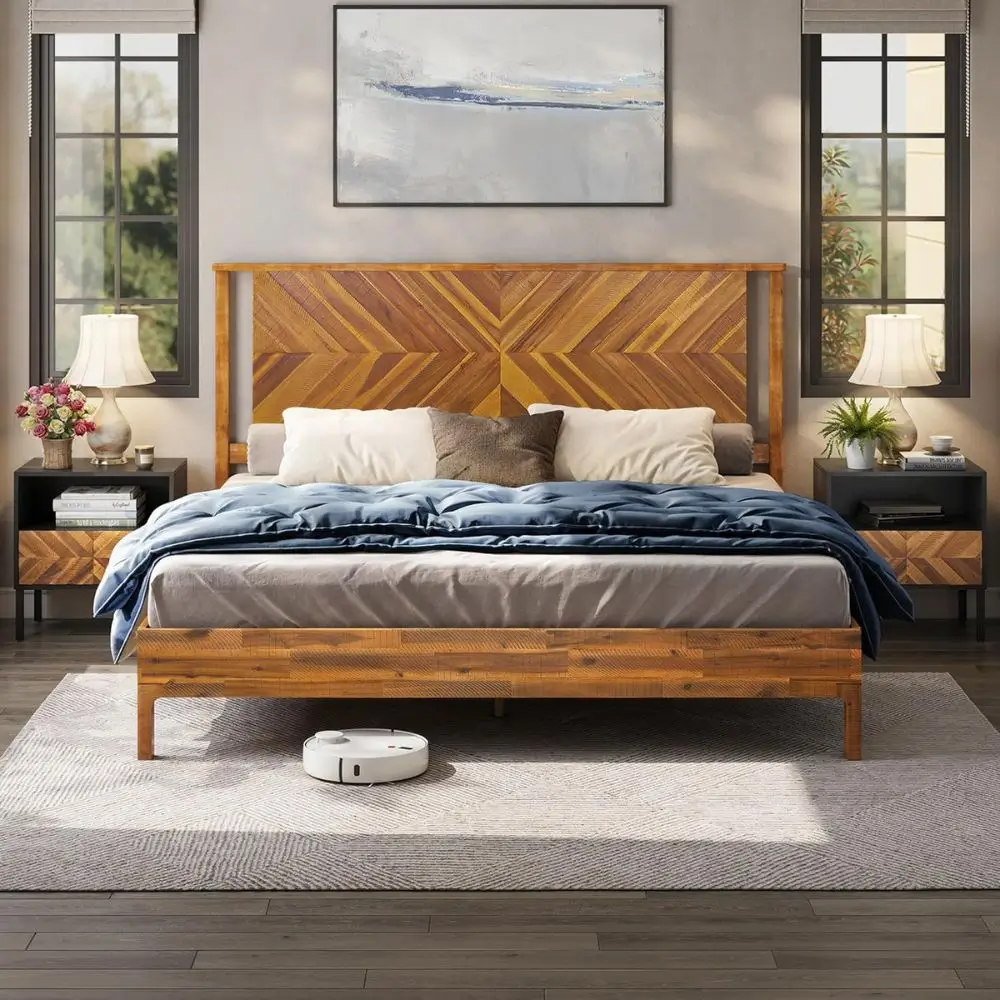
An upholstered headboard adds softness.
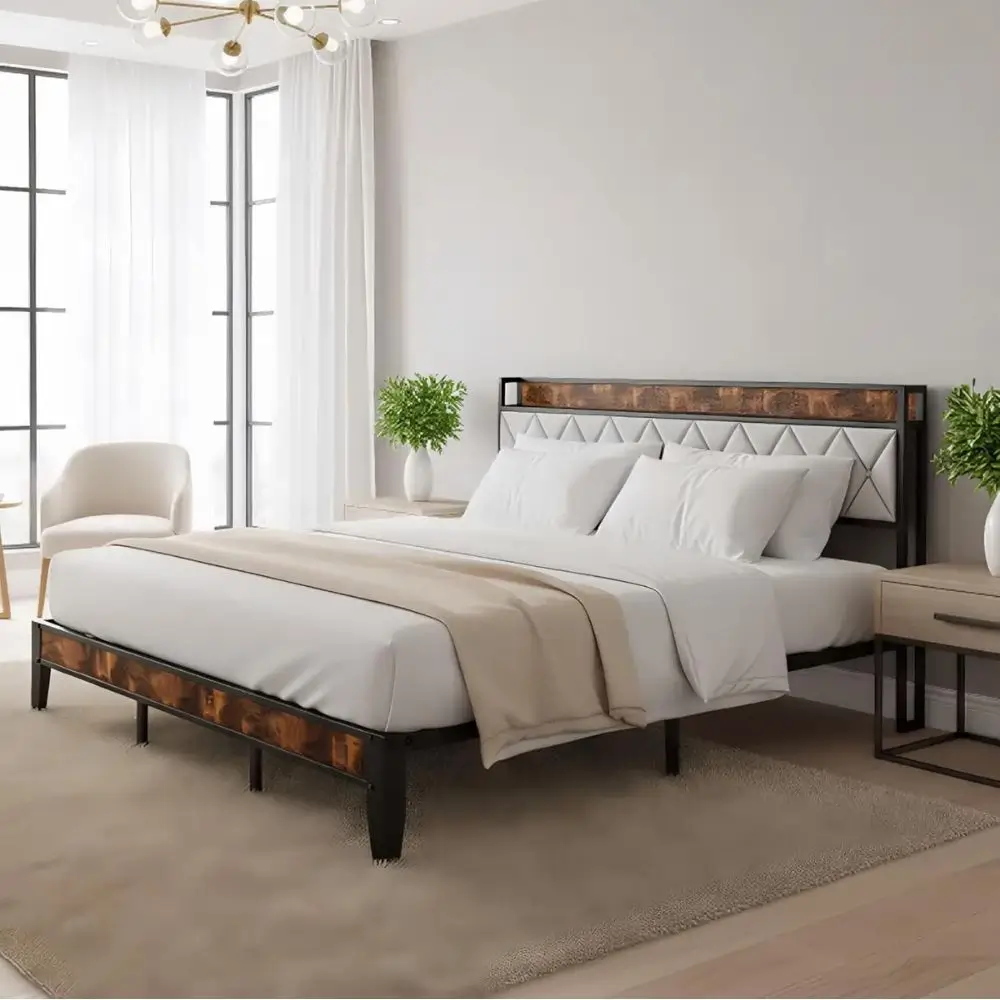
A slim metal frame can feel visually lighter in a small room.
Before buying another piece, look at the bed and ask what would make it feel complete.
It may need better bedding, correctly scaled nightstands, softer lighting, or something on the wall behind it.
The bed should not feel like it was parked in the room while everybody waits for further instructions.
5. Protect Some Open Floor
Open floor is part of the design.
It allows you to walk around the bed, open drawers, reach the closet, and move through the room without turning sideways.
It also gives the furniture enough separation to be seen clearly.
Use the Open-Floor Check.
Walk from the doorway to the bed, closet, dresser, and bathroom.
If you dodge an ottoman, squeeze past a chair, or bump the same corner every morning, the room is giving you useful information.
Try removing or relocating one secondary piece.
You may be surprised by how much better the bedroom feels when your furniture stops introducing itself to your hips.
Choose Simple Bedroom Furniture and Storage
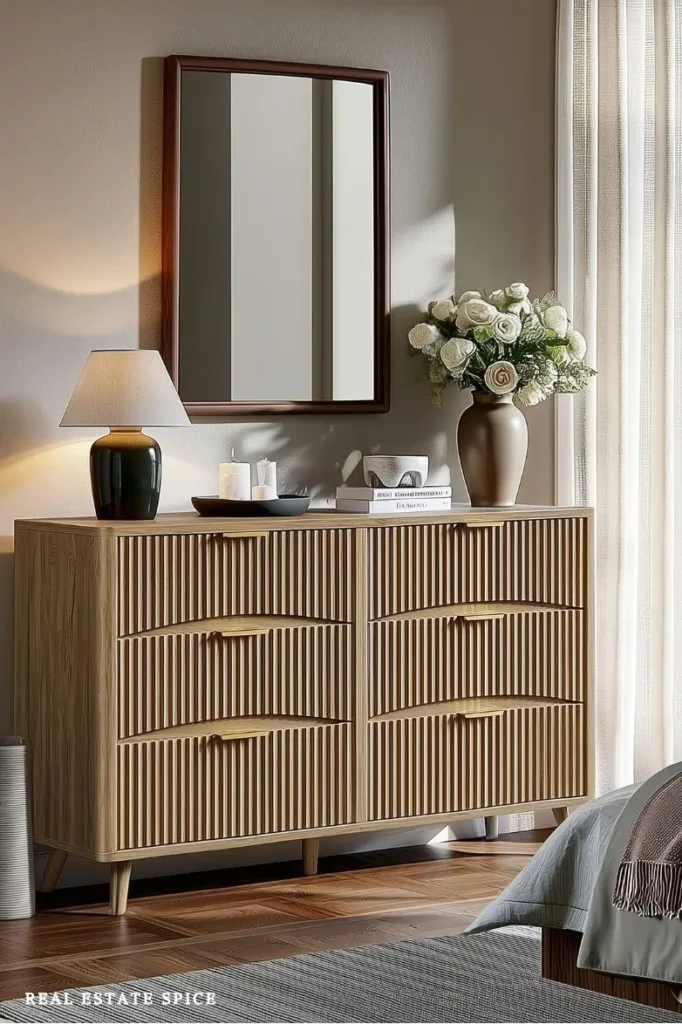
Simple bedroom furniture should make the room easier to use, not give you three more corners to squeeze around.
Choose pieces that fit the room, hold what you need, and leave enough space to move comfortably.
A beautiful dresser quickly loses its charm when opening the bottom drawer requires a yoga pose.
6. Select a Bed Frame That Fits the Room
A bed frame can be beautiful and still take up too much space.
Thick upholstered rails, large footboards, and heavily padded headboards add inches that are easy to underestimate online.
Measure the complete frame rather than relying on the mattress dimensions.
In a tighter bedroom, a slim wood frame, simple upholstered bed, or open metal frame may leave more room around the sides.
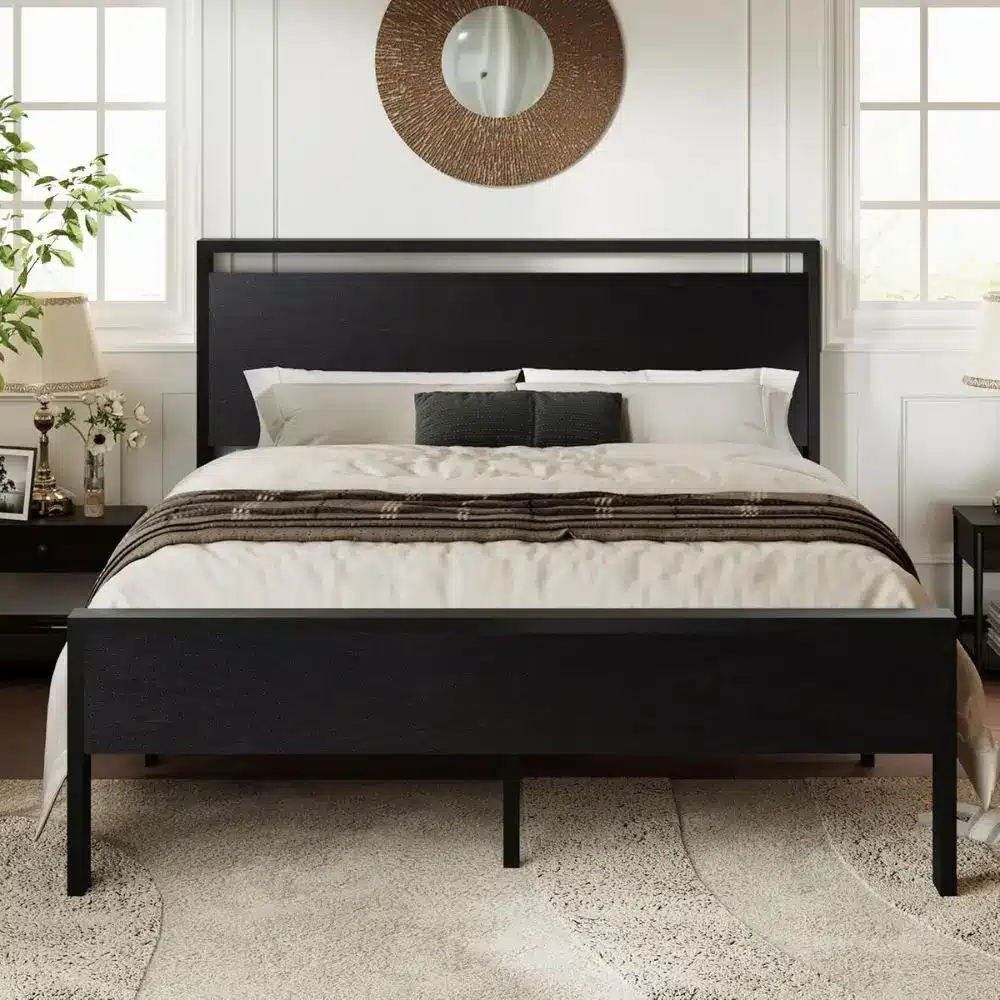
A lower frame can also expose more wall, which sometimes makes a bedroom appear taller.
Comfort still comes first.
A simple bedroom is not improved by a bed that looks sleek but makes your knees send formal complaints every time you stand up.
7. Choose Nightstands for the Way You Use the Bed
Nightstands should support your real bedtime routine.
Think about what you reach for after getting into bed.
A lamp, water, book, glasses, phone, tissues, medication, charger, or hand cream all need somewhere sensible to go.
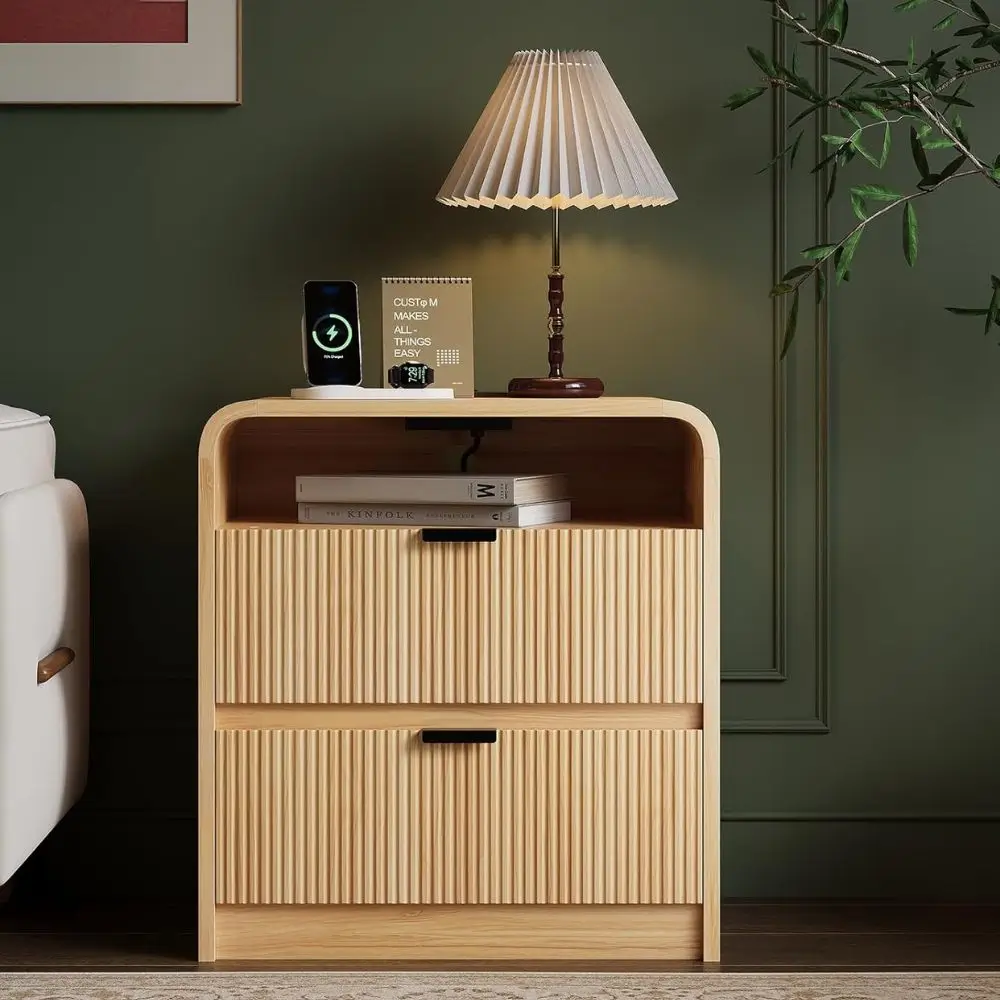
If you keep several things nearby, choose a nightstand with drawers or a cabinet.
When you only need a lamp and a glass of water, a smaller table may be enough.
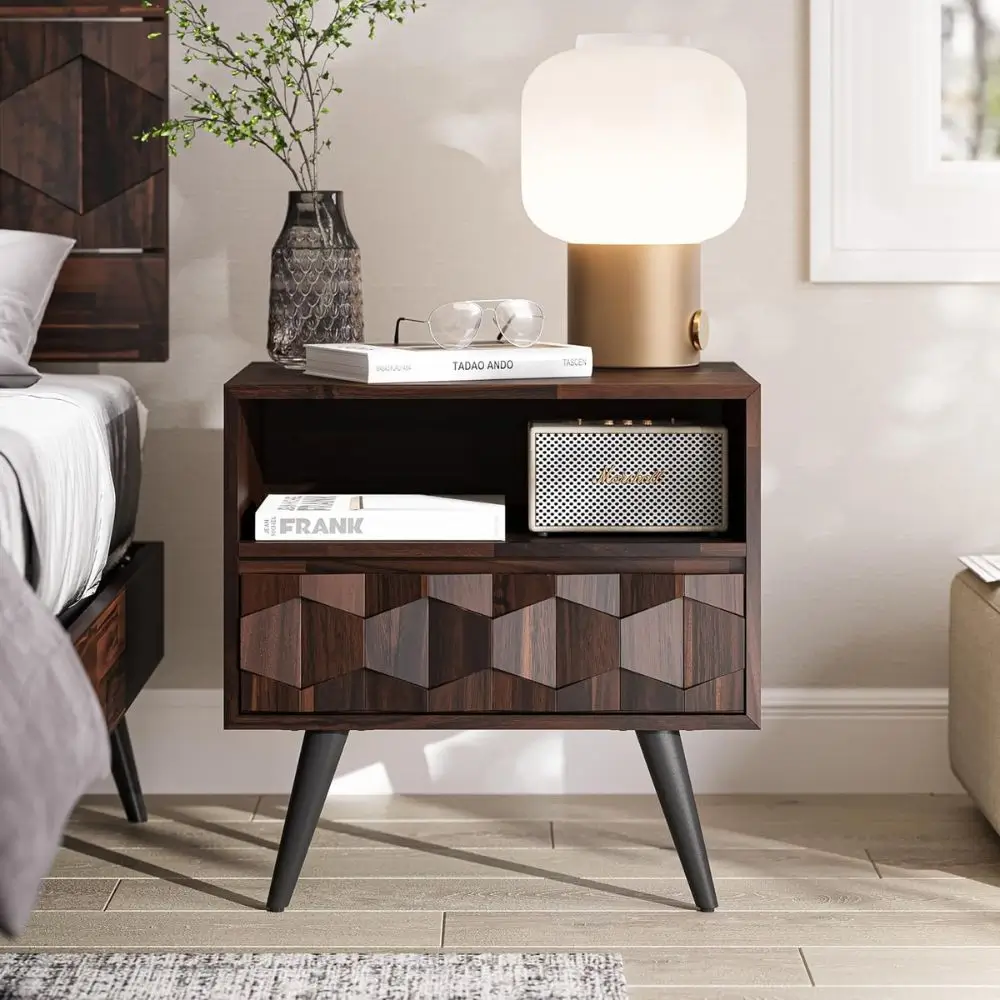
Use the Bedside Reach Test.
Sit in bed and make sure you can comfortably reach the lamp and anything you use nightly.
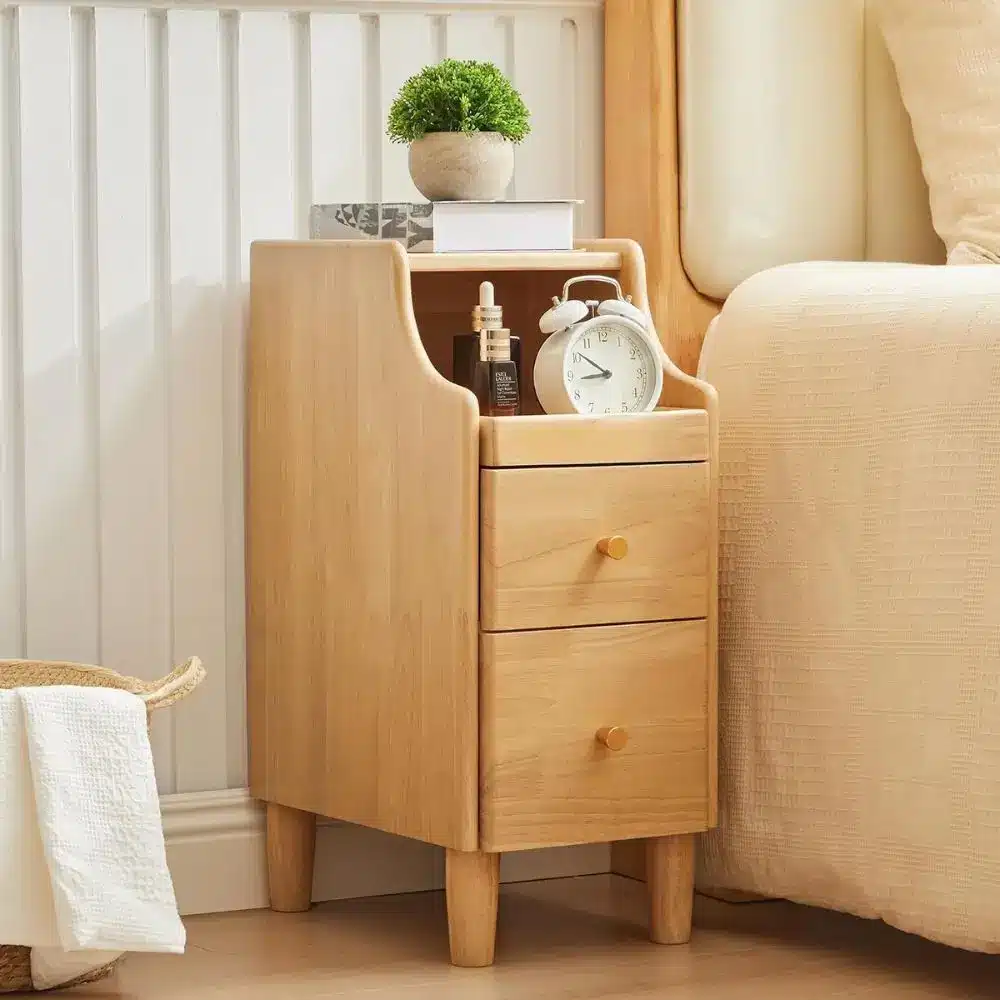
Simple bedroom furniture should reduce little frustrations, not create a nightly stretching program.
8. Choose a Dresser That Leaves the Walkway Open
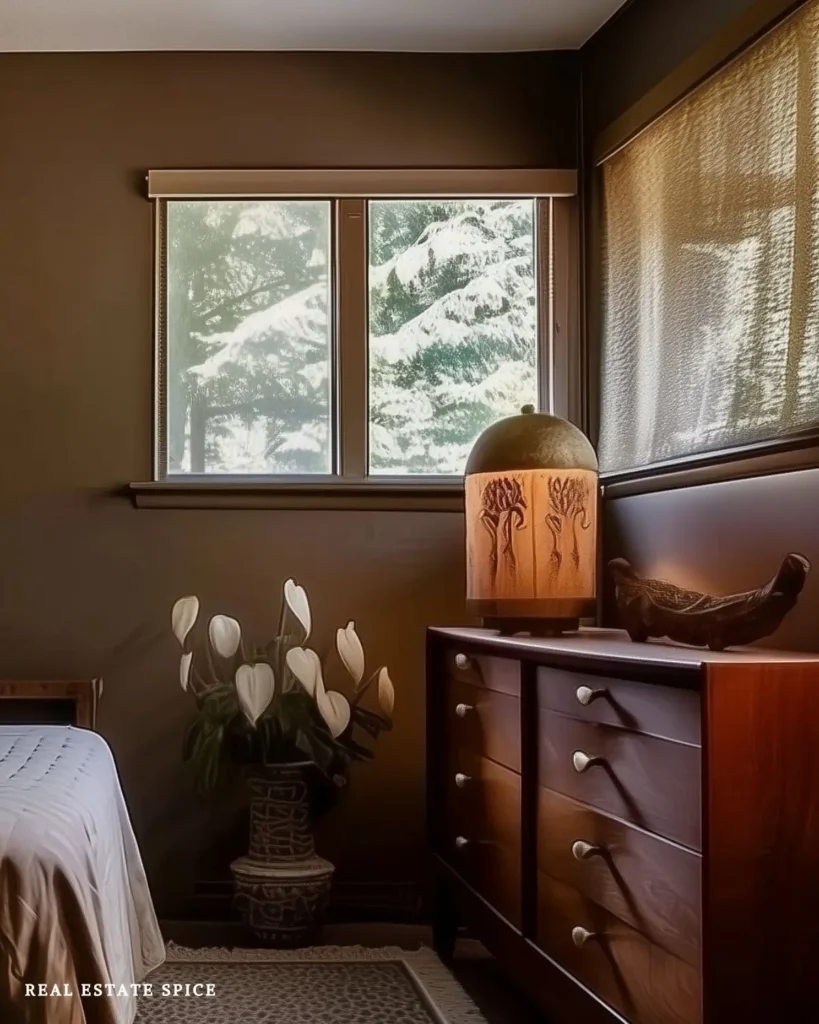
Dressers take up more working space than their measurements suggest because the drawers need room to open.
THE 30-SECOND ROOM CHECK
Will the Drawers Open Without Starting a Fight?
Add the dresser depth to the full drawer extension, then mark that distance on the floor. Make sure you can stand there and still pass the bed. A dresser only fits when its drawers and your feet both have room.
A tall dresser may work better than a wide one when floor space is limited.
A shallow dresser can preserve a narrow walkway.
In some bedrooms, a small dresser beside the bed can replace a separate nightstand and give you more storage without adding another piece.
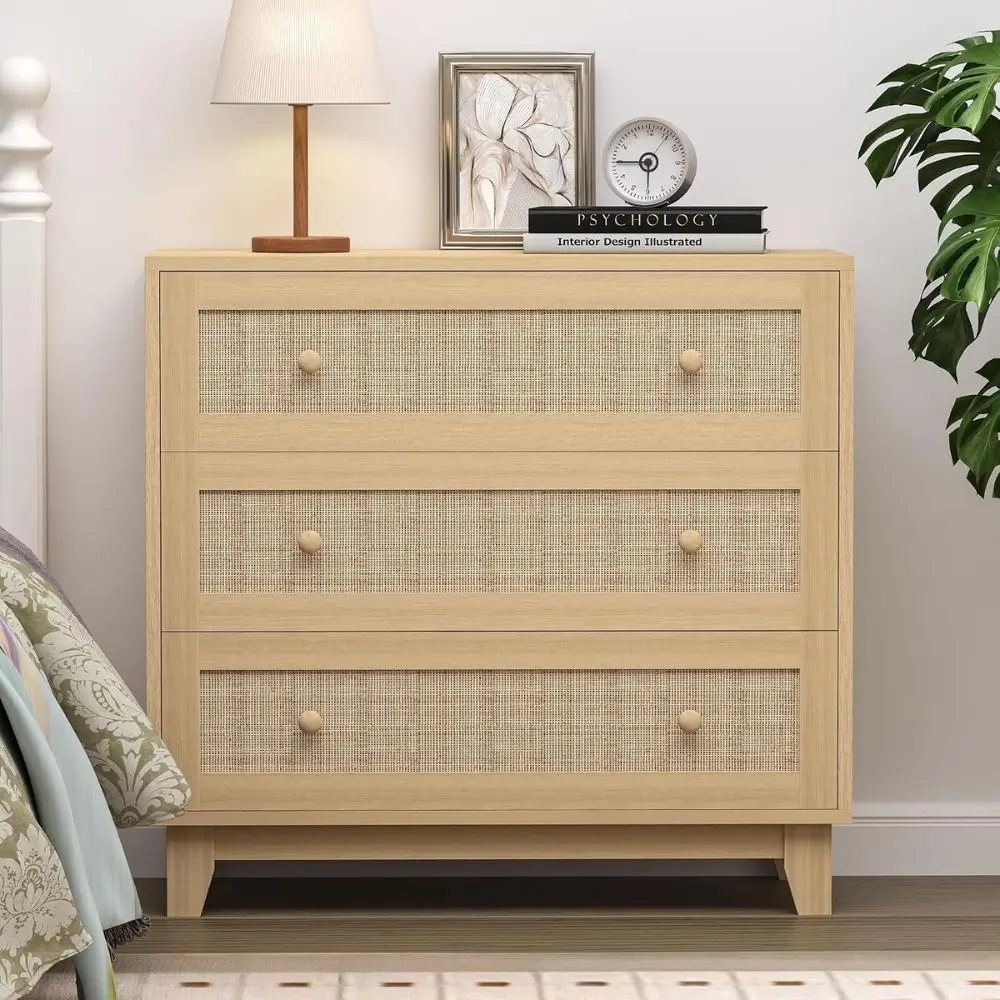
If this is the furniture decision causing trouble, my guide to dressers for small bedrooms compares tall, slim, shallow, bedside, and closet options.
9. Make the Wardrobe Feel Connected to the Room
Simple bedroom interior design with a wardrobe works best when the wardrobe feels connected to the other furniture.
You don’t need an exact match.
Repeat one detail such as wood tone, paint color, hardware finish, or clean-lined shape.
A wardrobe painted close to the wall color may appear less visually heavy.
Wood wardrobes can connect to the bed frame or nightstands.
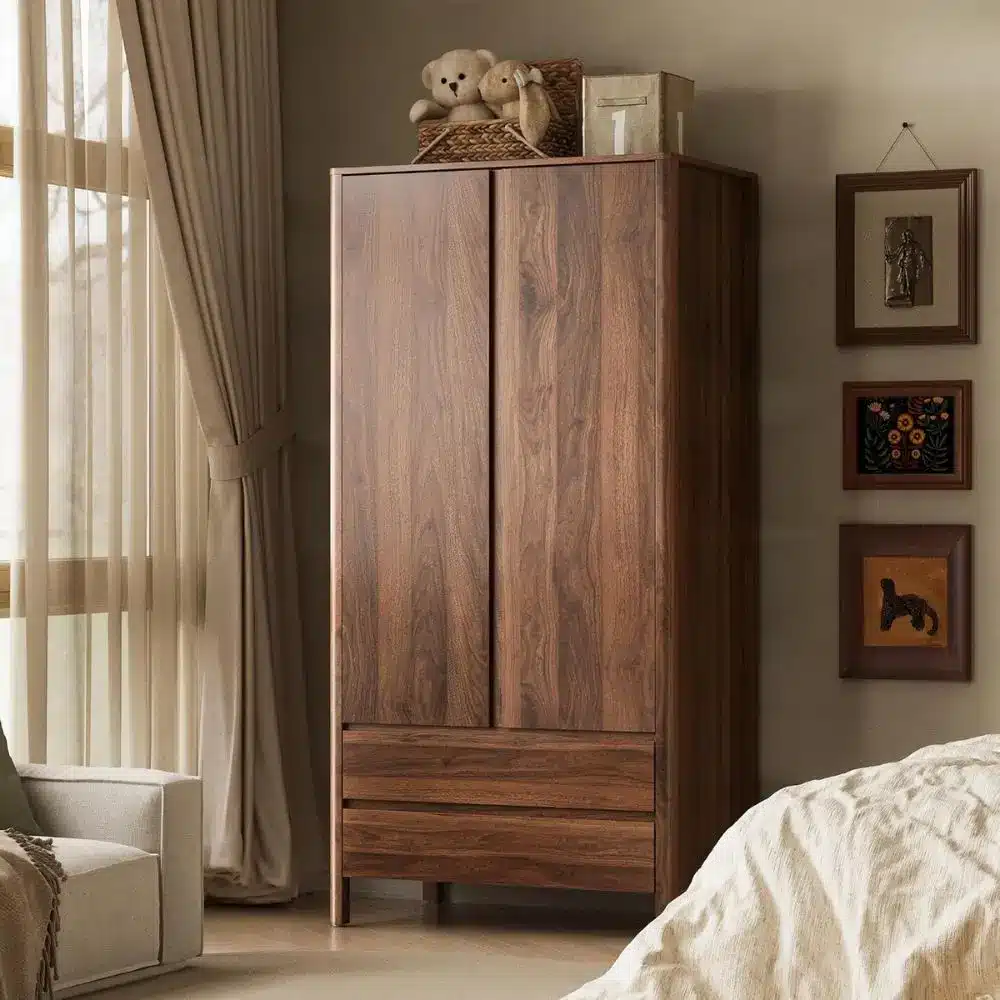
If the wardrobe is large, keep the furniture beside it simpler so that wall doesn’t feel overloaded.
Check the doors before settling on its position.
A wardrobe that requires you to move a basket, nightstand, or small pet every time you open it is going to become tiresome remarkably fast.
10. Choose Closed Storage for Visually Busy Things
Open shelves can look beautiful when they hold books, a few larger objects, or matching baskets.
They become much less restful when they display cords, paperwork, hair tools, chargers, half-used bottles, and items you plan to deal with “later.”
Closed storage is often better for the things that look messy even when they are organized.
Use drawers, cabinets, lidded baskets, or storage boxes for those categories.
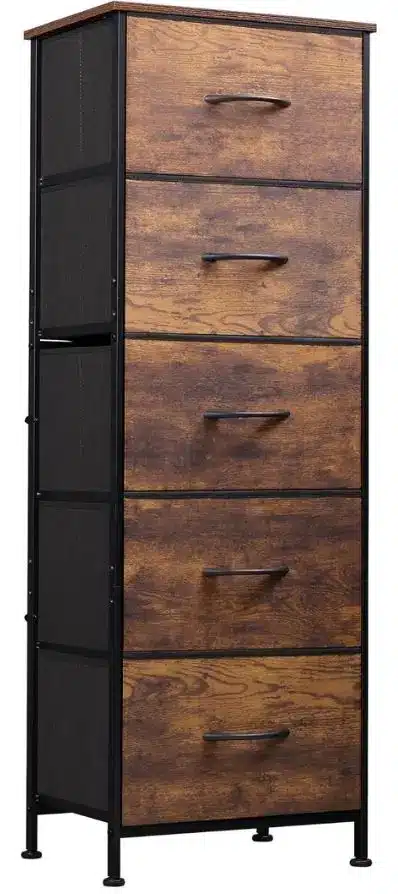
Then allow the visible surfaces to hold fewer, more attractive pieces.
If bedroom clutter keeps returning, the Bedroom Storage Rule of 3 will help you separate daily, regular, and less-used belongings.
The goal is not hiding your entire life.
It’s giving your eyes fewer things to sort through when you want to rest.
11. Add a Storage Bench Only When It Fits
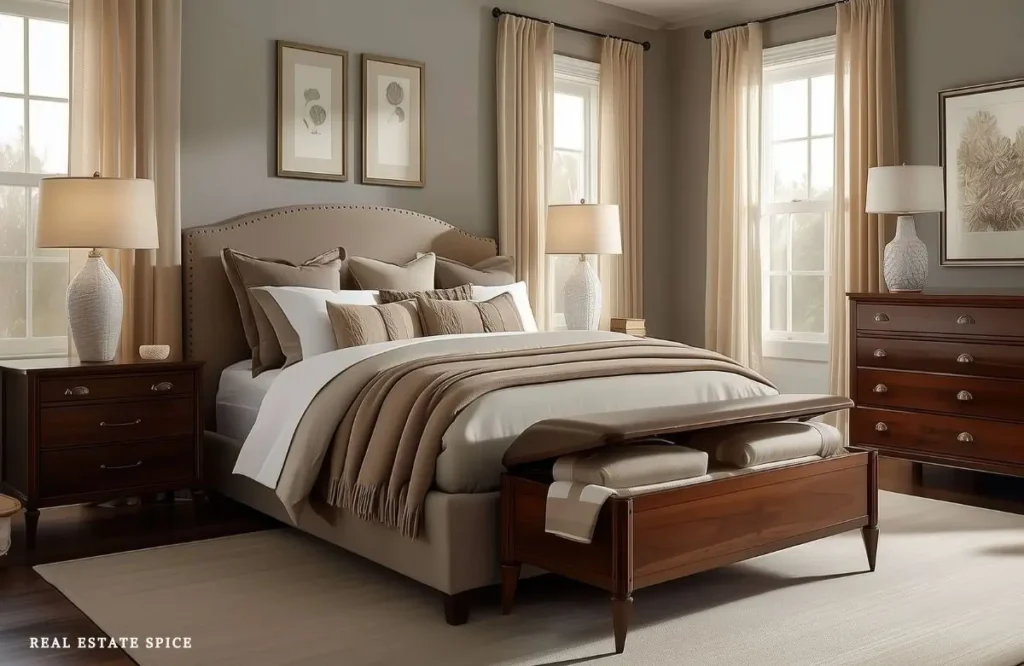
A storage bench can hold extra blankets, bedding, pillows, or seasonal items.
It can also give you a place to sit while getting dressed.
That sounds wonderful until the bench leaves six inches between itself and the wall.
Before buying, place a dining chair, boxes, or painter’s tape where the bench would go.
Walk around it for a few days.
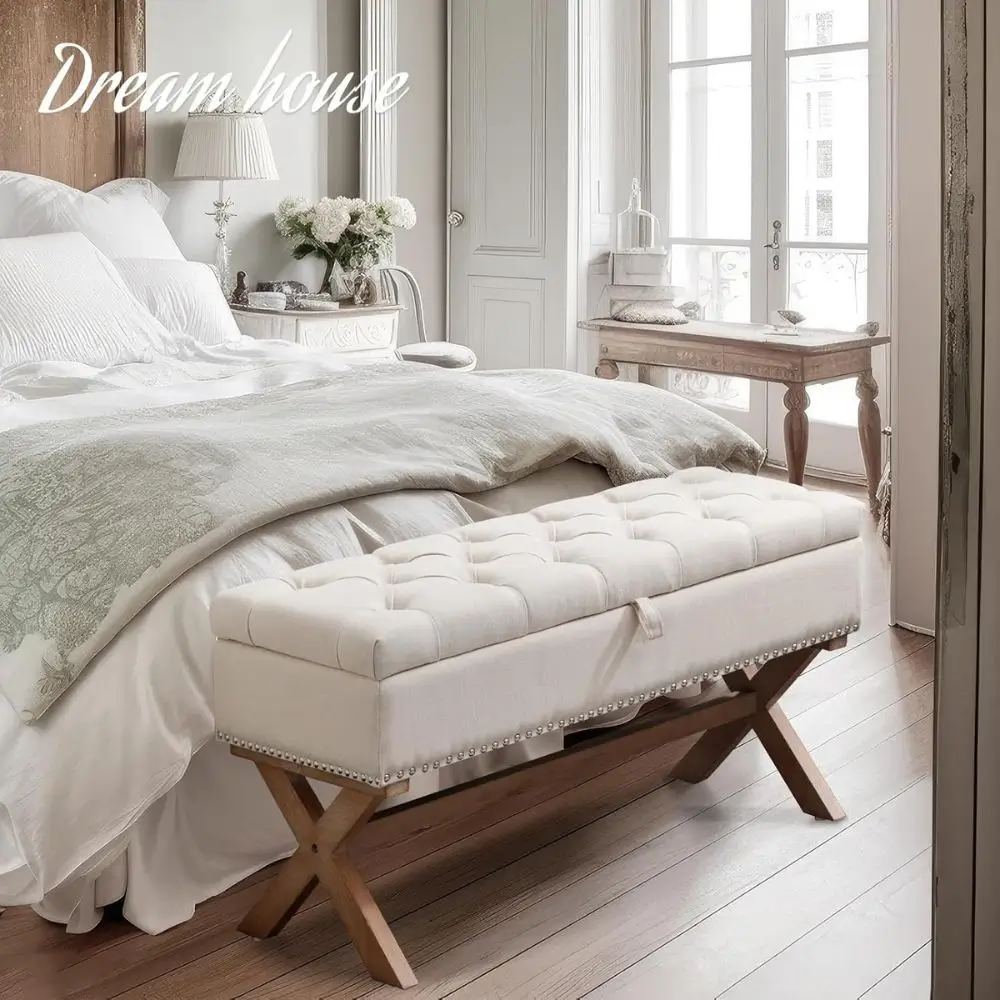
If you repeatedly bump it, move it, or throw clothing on it, you have your answer.
The bench may be useful, or it may become a very attractive speed bump with a sweater collection.
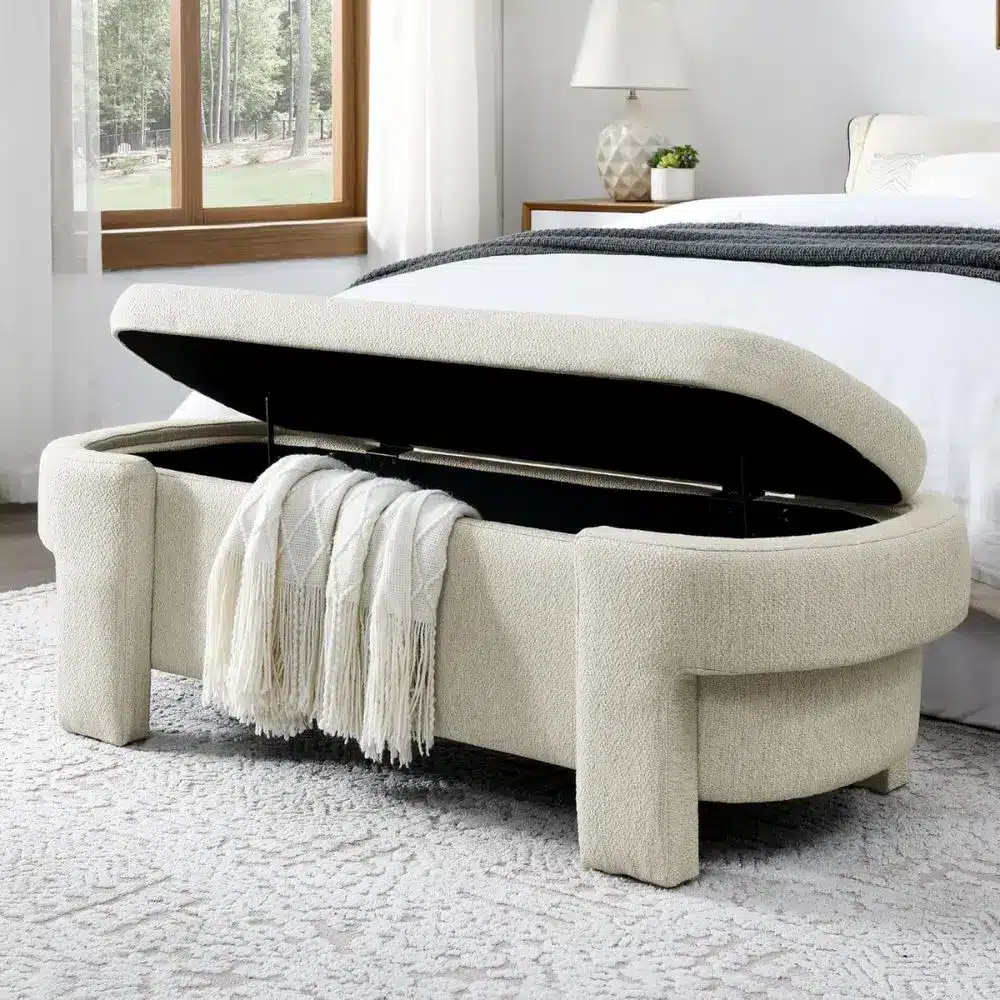
Simple bedrooms benefit from furniture that solves a clear problem.
They don’t need another surface volunteering to hold laundry.
You May Also Like:
→ The Bedroom Storage Rule of 3 to Turn Clutter Into Calm
→ The Bedroom Furniture Rule of 3
→ 50 Bedroom Decorating Ideas This Year
Use Simple Bedroom Colors, Bedding, and Texture
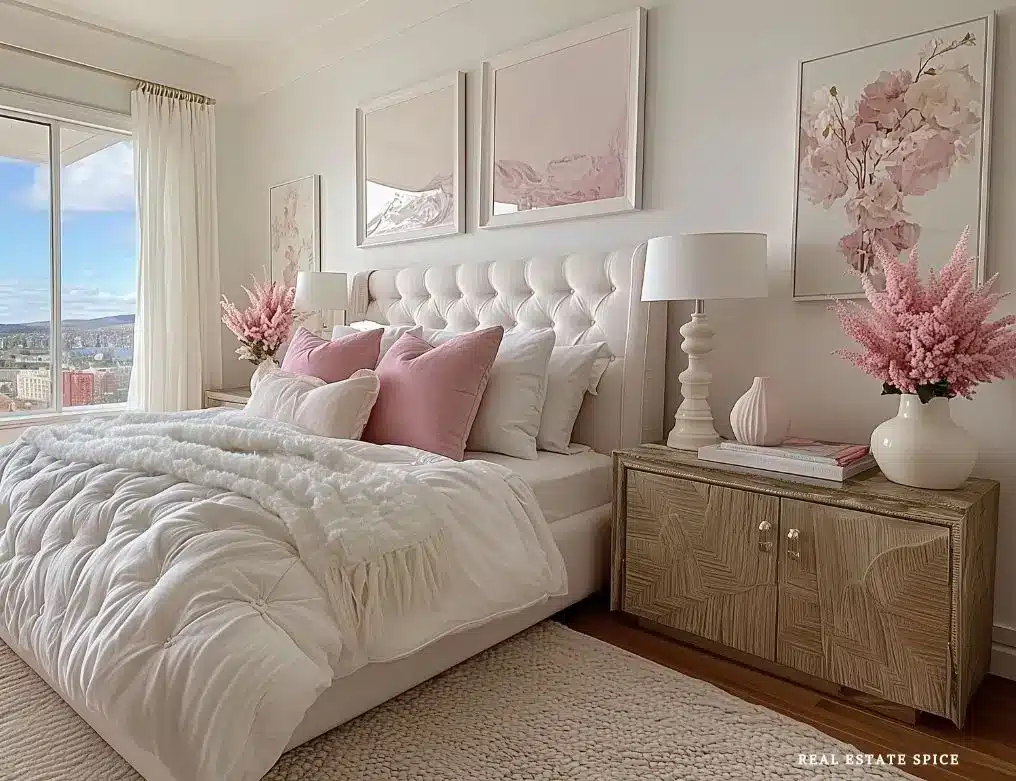
12. Build the Room Around One Main Color Direction
A simple bedroom color plan does not require everything to match.
It needs the colors to feel related.
Begin with the largest surfaces, including the walls, floor, bed, bedding, curtains, and rug.
Notice which colors already dominate.
Then choose a main direction that works with what you plan to keep.
Warm white, cream, beige, mushroom, soft pink, blue-gray, muted green, terracotta, charcoal, and natural wood can all work beautifully in a simple bedroom.
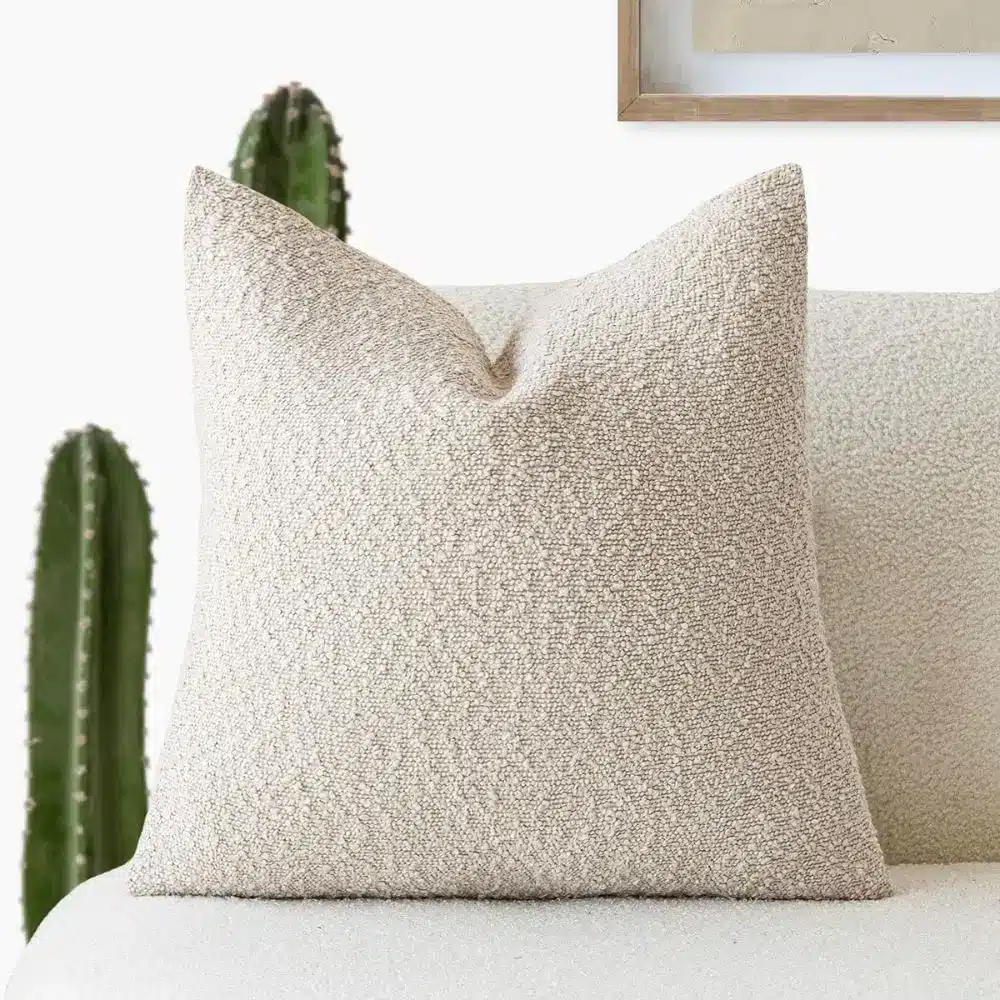

Repeat the main color in a few different places rather than using the exact same shade everywhere.
Variation keeps the room from looking flat while maintaining a clear connection.
13. Use Color Without Making the Bedroom Feel Busy
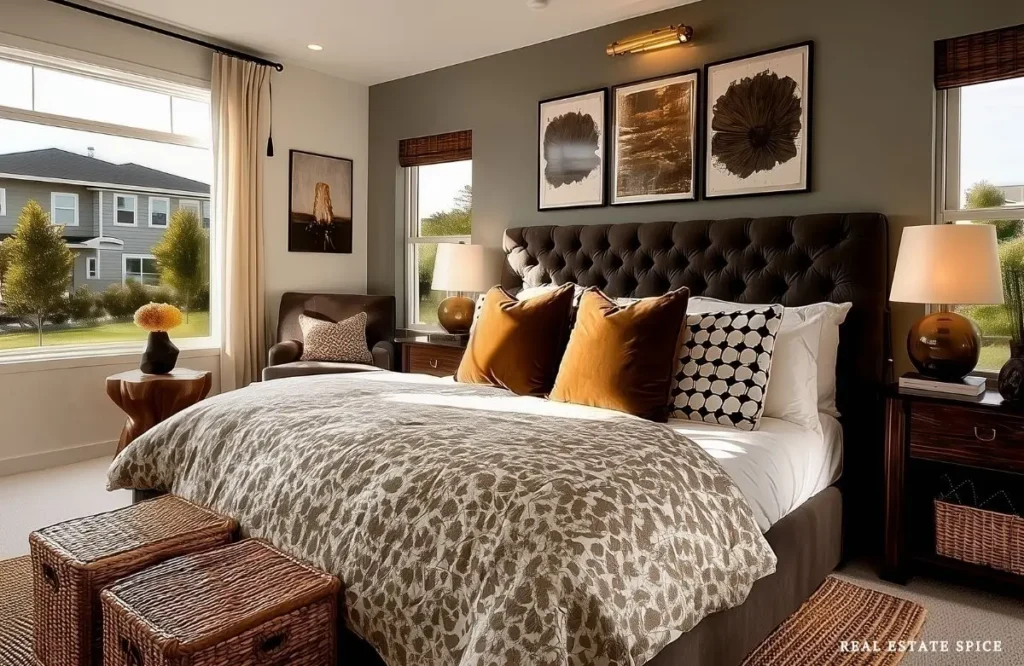
You might be wondering, “But, Jaymie, what if I love color?”
Please use it.
Simple does not mean you have to surrender every interesting color at the bedroom door.
The easiest approach is to give one color a noticeable role and let the surrounding pieces support it.
Deep green bedding can look beautiful with warm wood and cream walls.
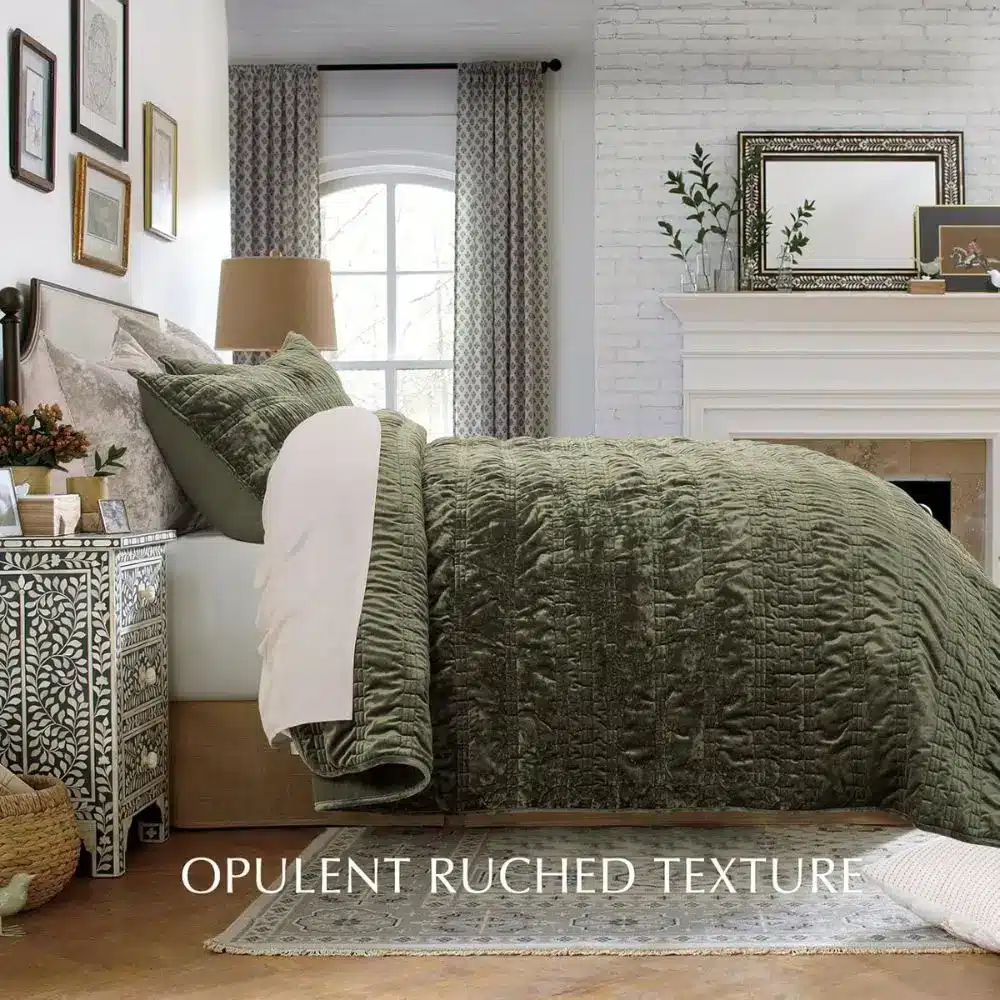
Blue curtains can connect to art or a smaller pillow.
Terracotta may appear in a throw, rug, and one piece of artwork.
Avoid scattering six unrelated accent colors around the room in equally tiny amounts.
Your favorite color deserves more confidence than being reduced to one apologetic pillow hiding near the headboard.
14. Make the Bed Comfortable Before Making It Decorative
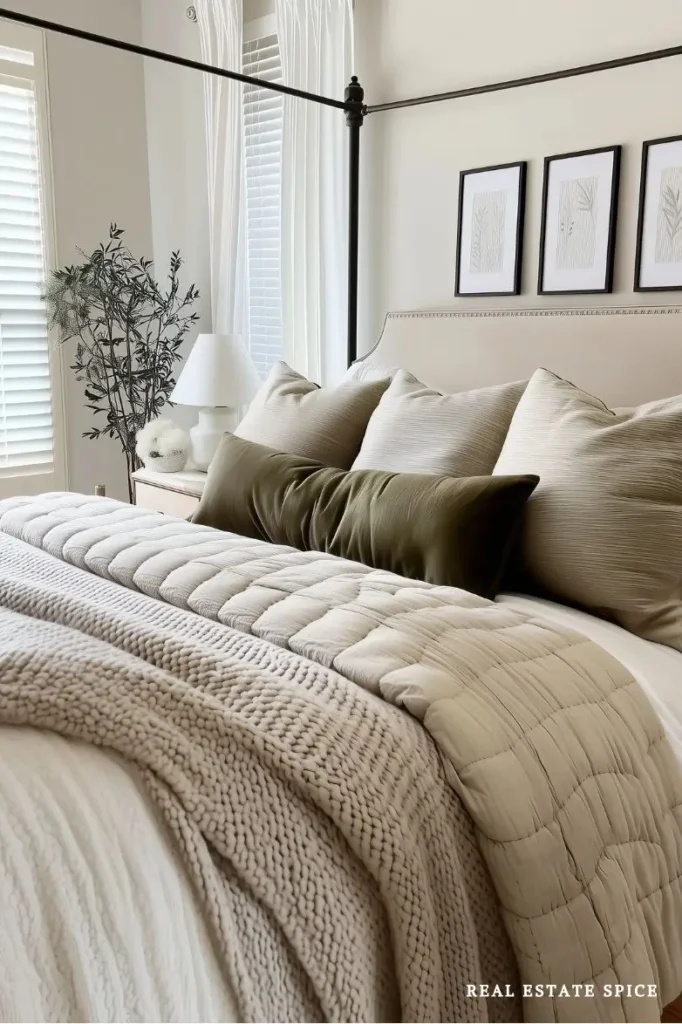
A beautiful bedroom means very little at two in the morning if the bed is uncomfortable.
Start with the mattress, mattress topper if needed, supportive pillows, breathable sheets, and bedding that works with your sleeping temperature.



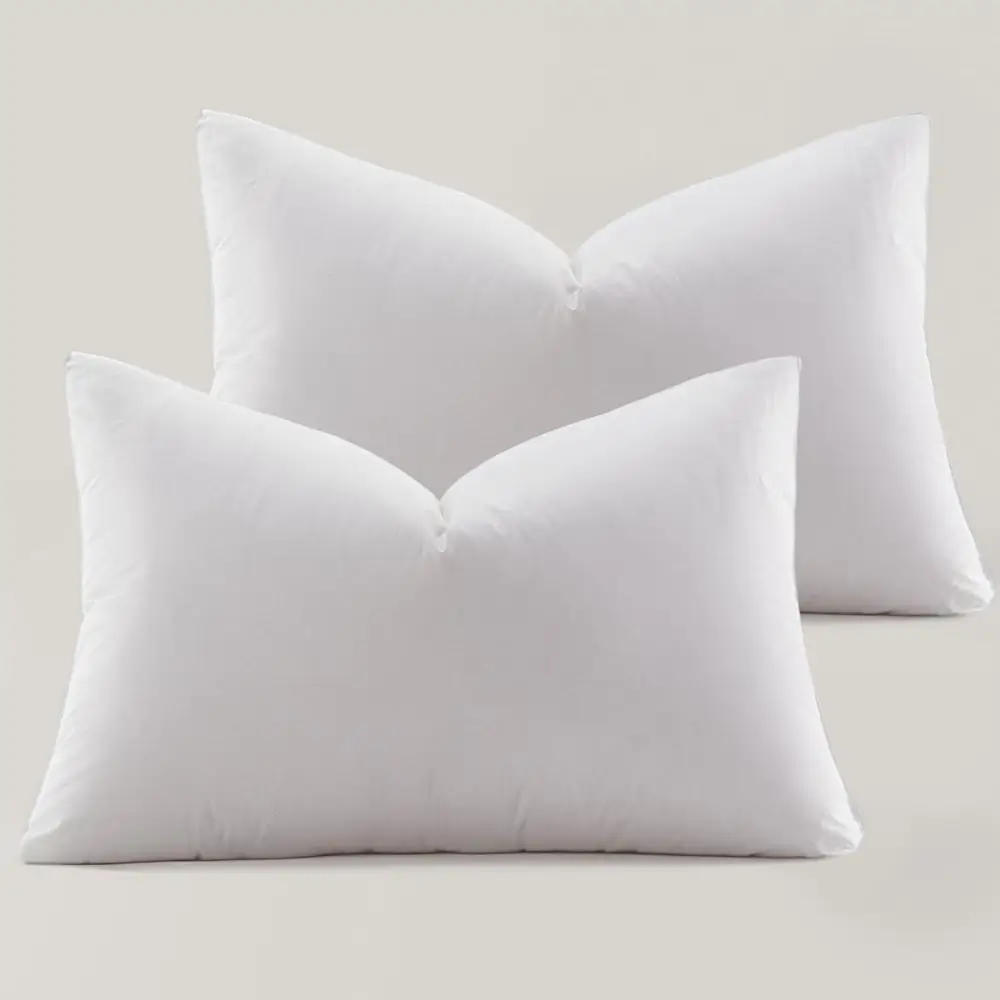
Globan Hotel Collection Down Feather Pillow (A Splurge But Worth It)

Then add the decorative layers.
This order matters because the bed is not merely the room’s focal point.
It is where you spend hours every night.
Choose sheets and blankets based on how they feel, wash, and hold up in your life.
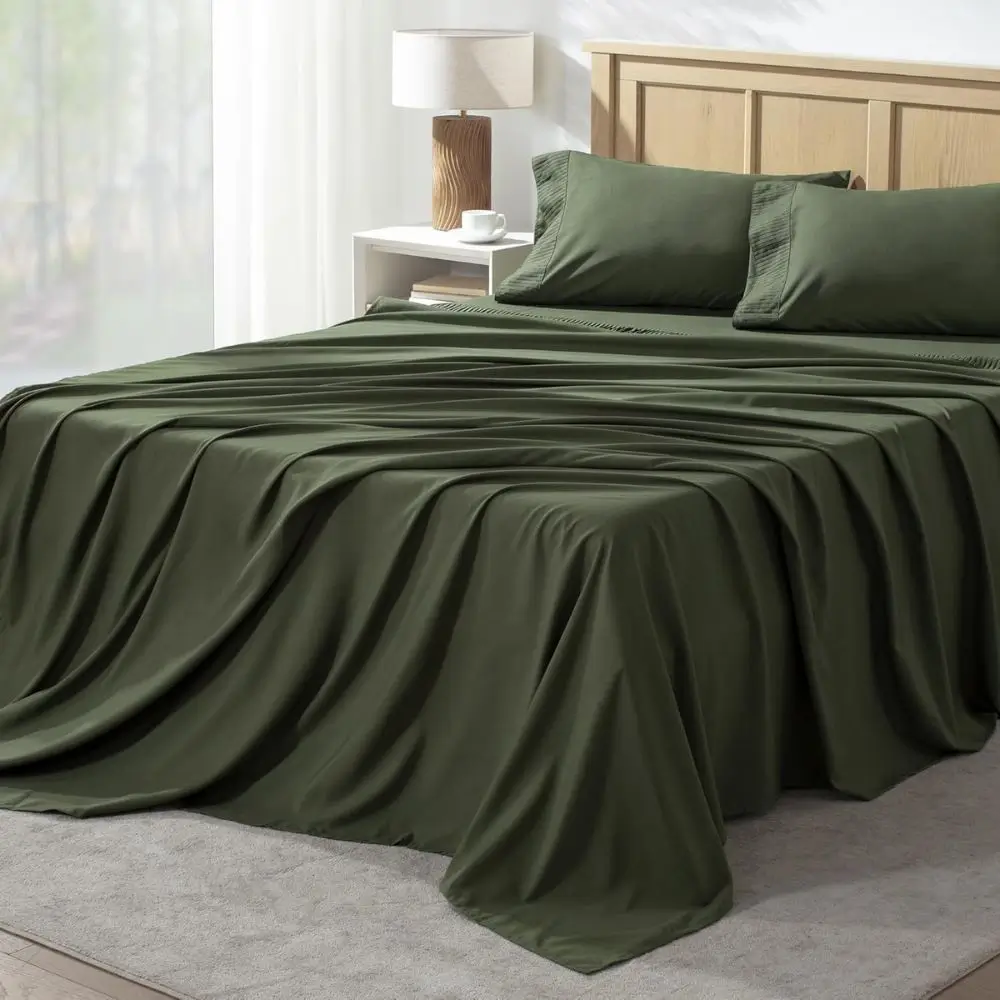
If a decorative cover is scratchy, heavy, or constantly sliding onto the floor, it may be beautiful from a distance and annoying from everywhere else.
Comfort is the real luxury in a bedroom.
15. Use Fewer, More Substantial Bedding Layers
Simple bedding doesn’t have to look flat.
Begin with sheets, a duvet or comforter, and pillows you use for sleeping.
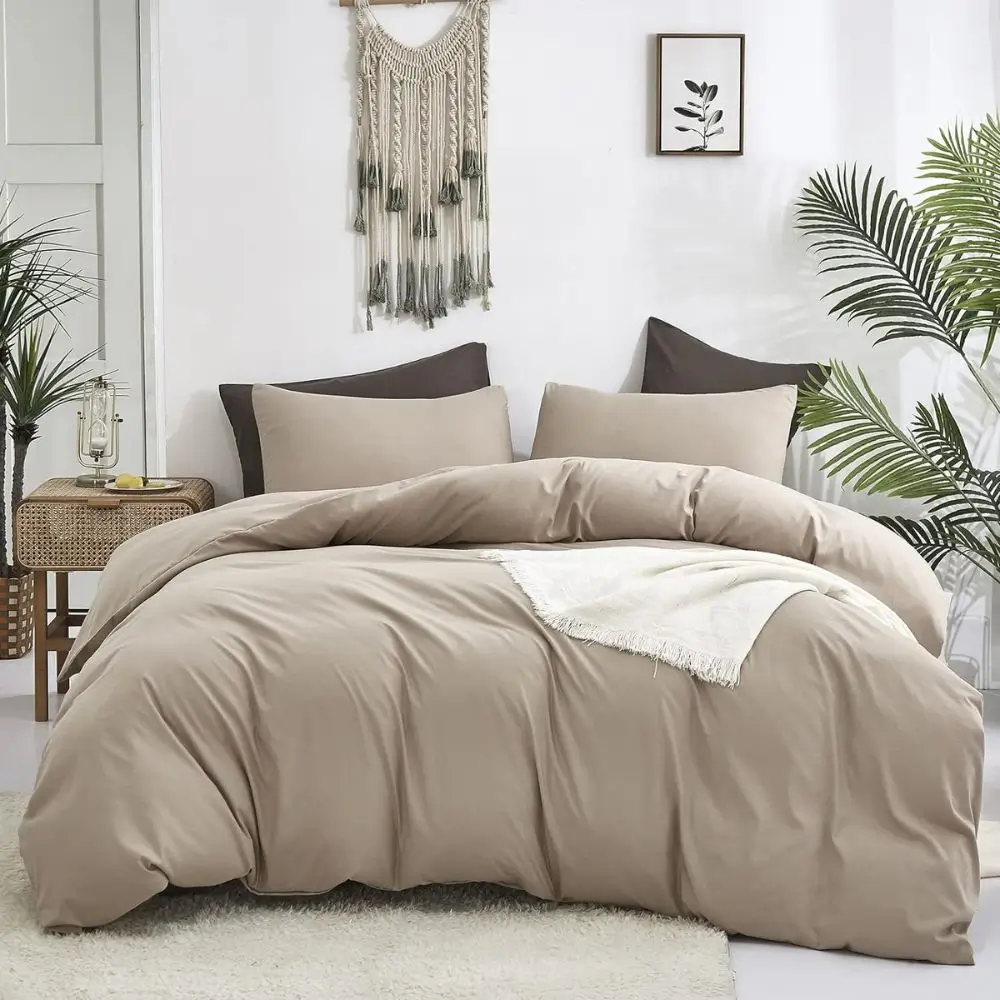
Then add one coverlet, throw blanket, or folded quilt if you want more depth.
A few larger decorative pillows usually create more impact than a crowd of tiny ones.
Vary the textures while keeping the colors connected.
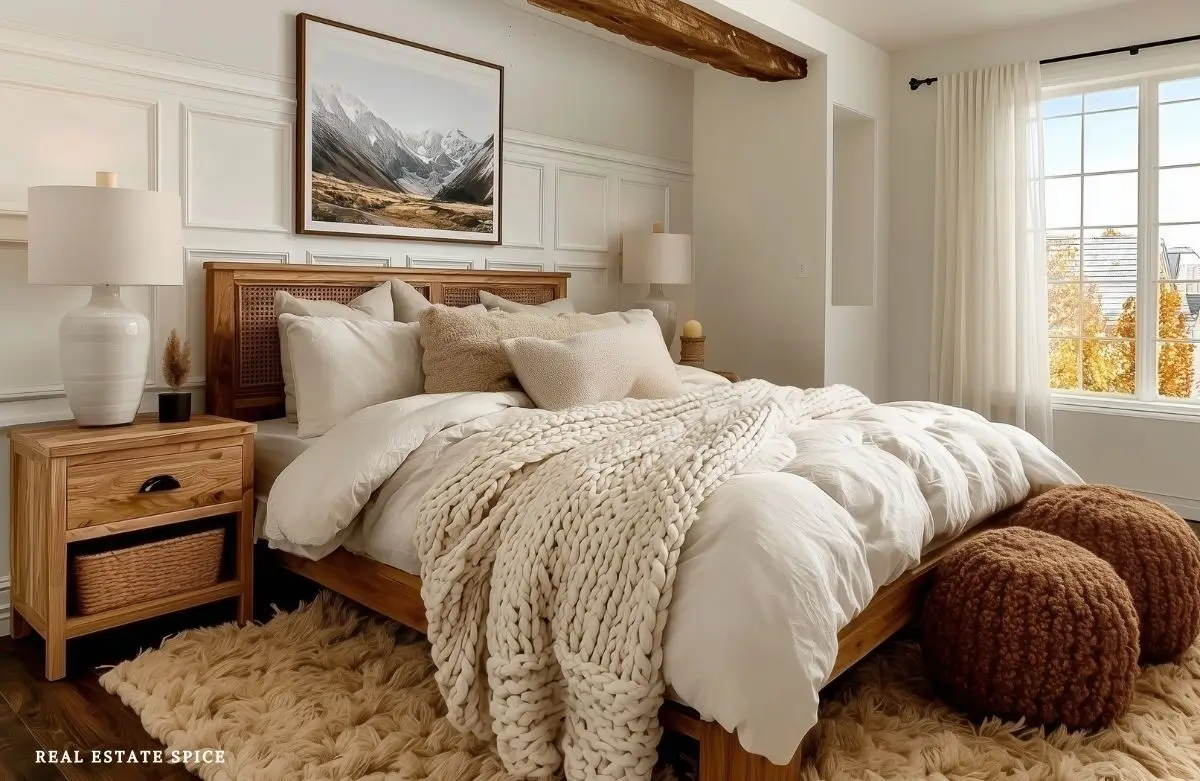
Smooth cotton, linen, velvet, boucle, quilted fabric, and a soft knit can work together without creating visual confusion.
**Boucle (pronounced boo-CLAY) is a soft, looped, nubby fabric that brings instant warmth and texture to a space. The name comes from the French word for “curled” or “looped,” perfectly describing those tiny woven loops that give it its cozy feel.
Leave enough room to use the bed without conducting a nightly pillow evacuation.
If placing the decorative pillows elsewhere requires its own piece of furniture, the population may have exceeded available housing.
16. Add Warmth Through Texture Instead of Extra Objects
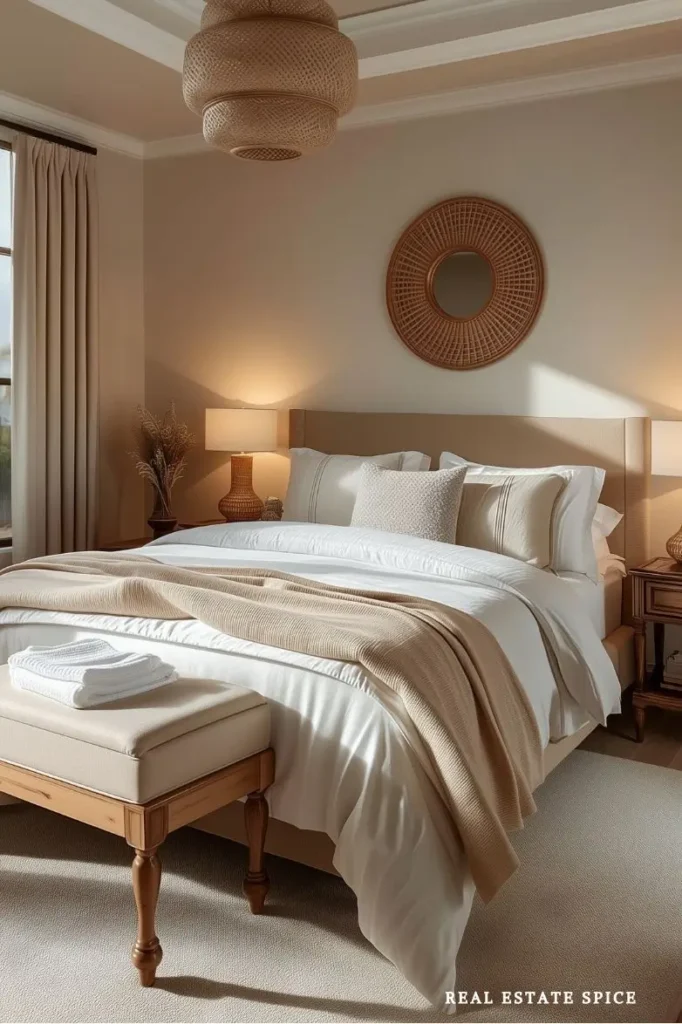
Texture gives a simple bedroom depth without covering the room in more things.
Look for opportunities in pieces you already need.
A woven rug adds warmth under your feet.

Linen curtains soften a window.

Wood furniture adds natural variation.
An upholstered headboard makes the bed feel comfortable and substantial.
A quilt or textured throw gives the bedding more character.

This works especially well in neutral bedrooms where the color differences are subtle.
Move between smooth, soft, woven, matte, and lightly textured materials.
You don’t need every texture represented.
This is a bedroom, not a fabric store trying to show you the entire spring collection.
17. Give Pattern One Noticeable Place

Pattern adds personality, but it looks strongest when it has a clear role.
Choose patterned bedding, curtains, wallpaper, a rug, or artwork as the main pattern moment.
Then keep the surrounding pieces calmer.
A floral duvet may only need solid curtains and a simple rug.
Patterned wallpaper behind the bed can work with restrained bedding.
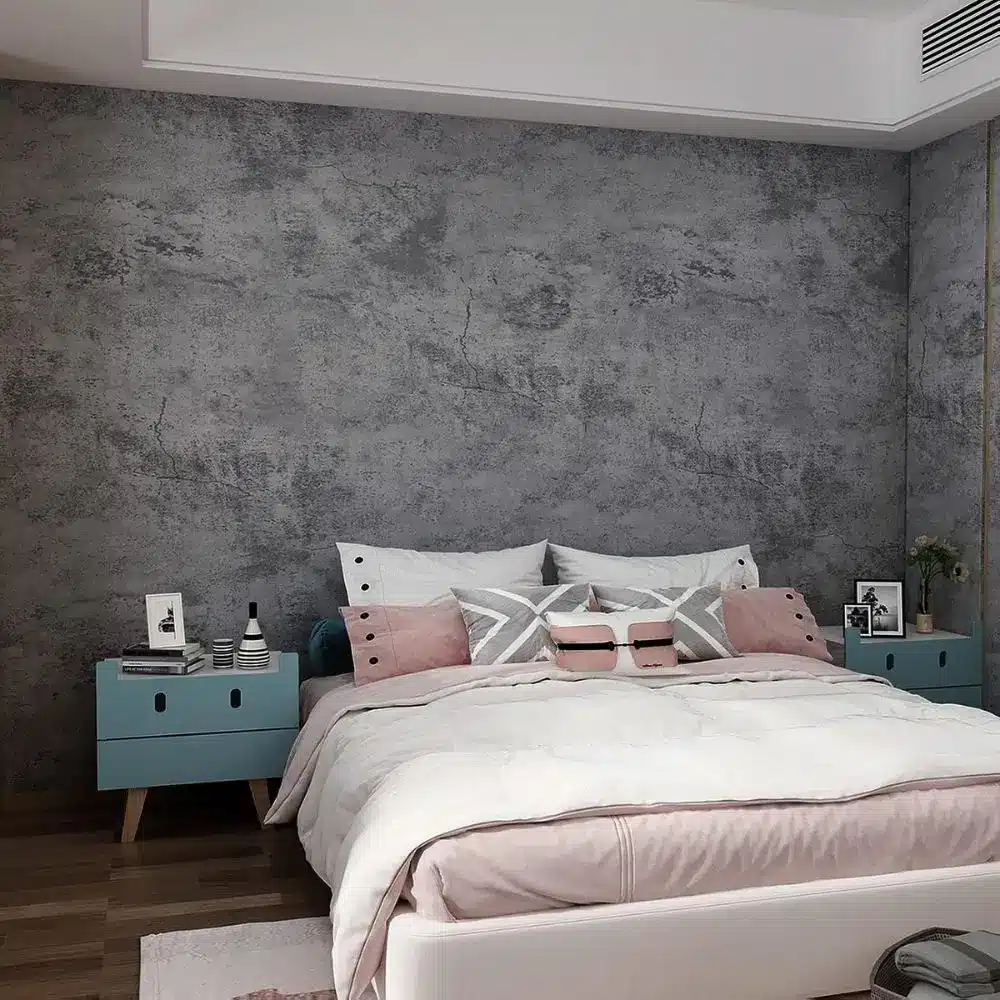
A detailed rug may look best when the rest of the room uses softer shapes and colors.
You can repeat a smaller part of the pattern’s color elsewhere to connect the design.
Pattern should wake the bedroom up a little.
It shouldn’t make your eyes wonder where the emergency exit is.
Simplify Bedroom Lighting, Walls, and Decor
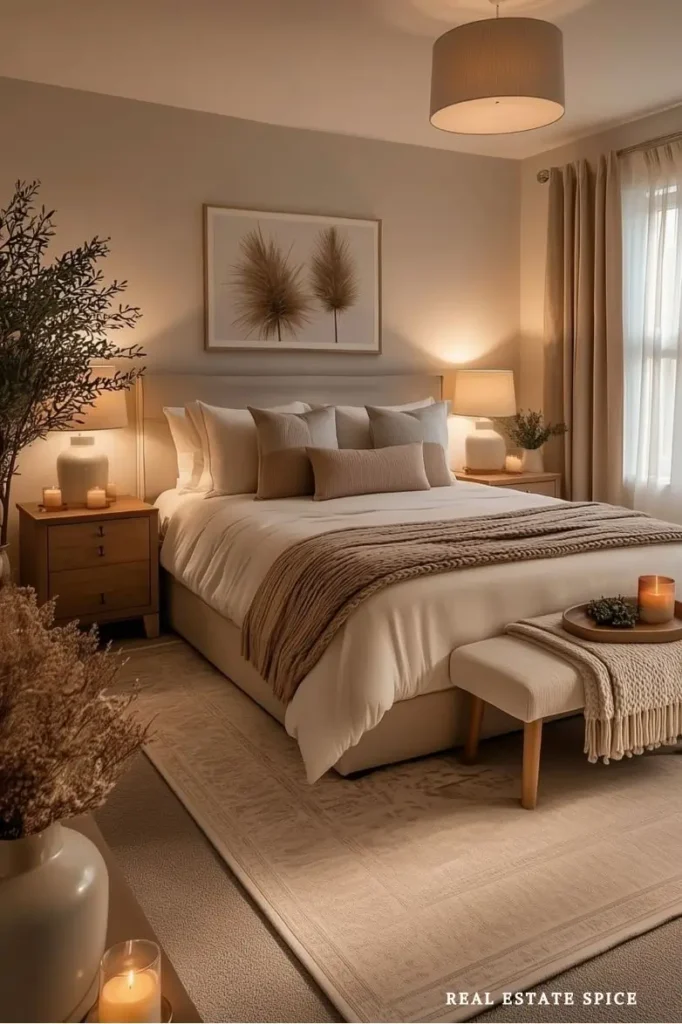
18. Use More Than One Source of Light
One overhead light may help you find your shoes, but it rarely creates the atmosphere you want before bed.
Add bedside lighting where you read, relax, or reach for things at night.
A small dresser lamp, wall sconce, or floor lamp can soften another part of the room.
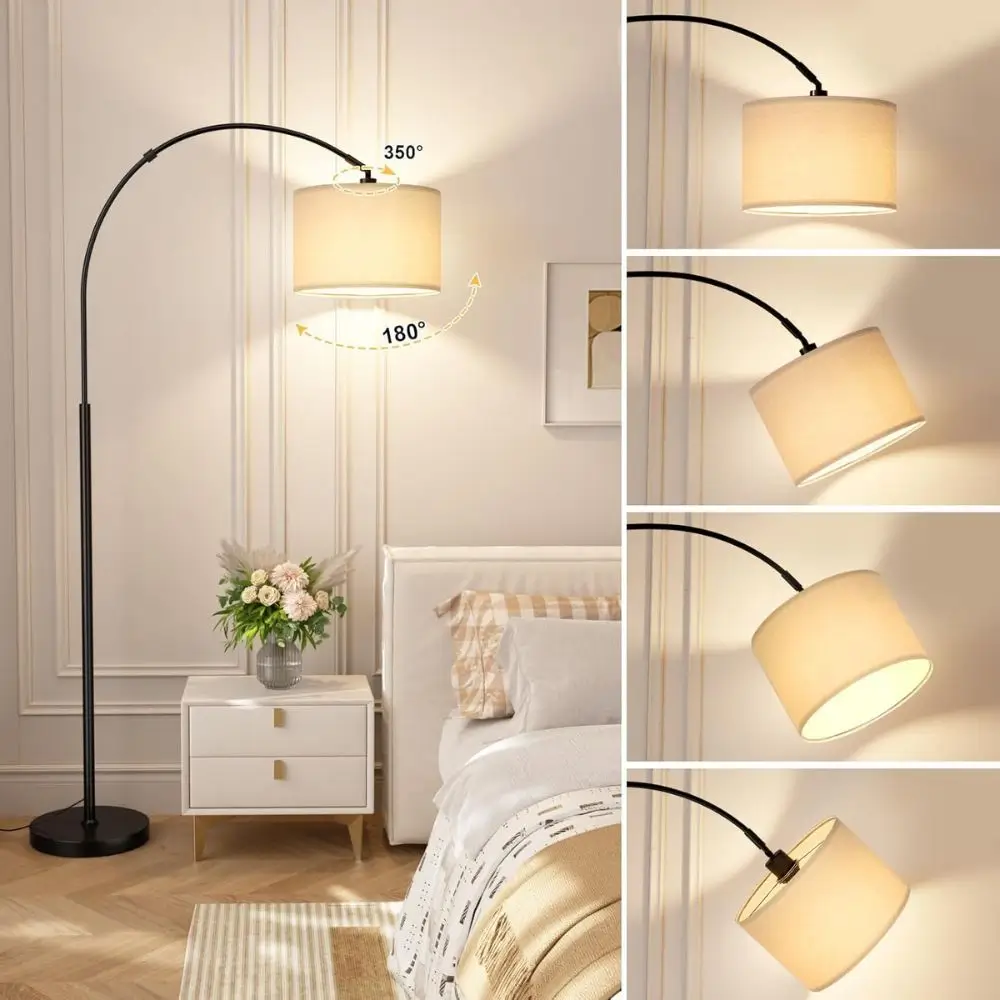
Choose lighting based on where you need it and how the bedroom feels after dark.
A dimmer or adjustable lamp is especially helpful because the light you want while folding laundry is not necessarily the light you want while winding down.
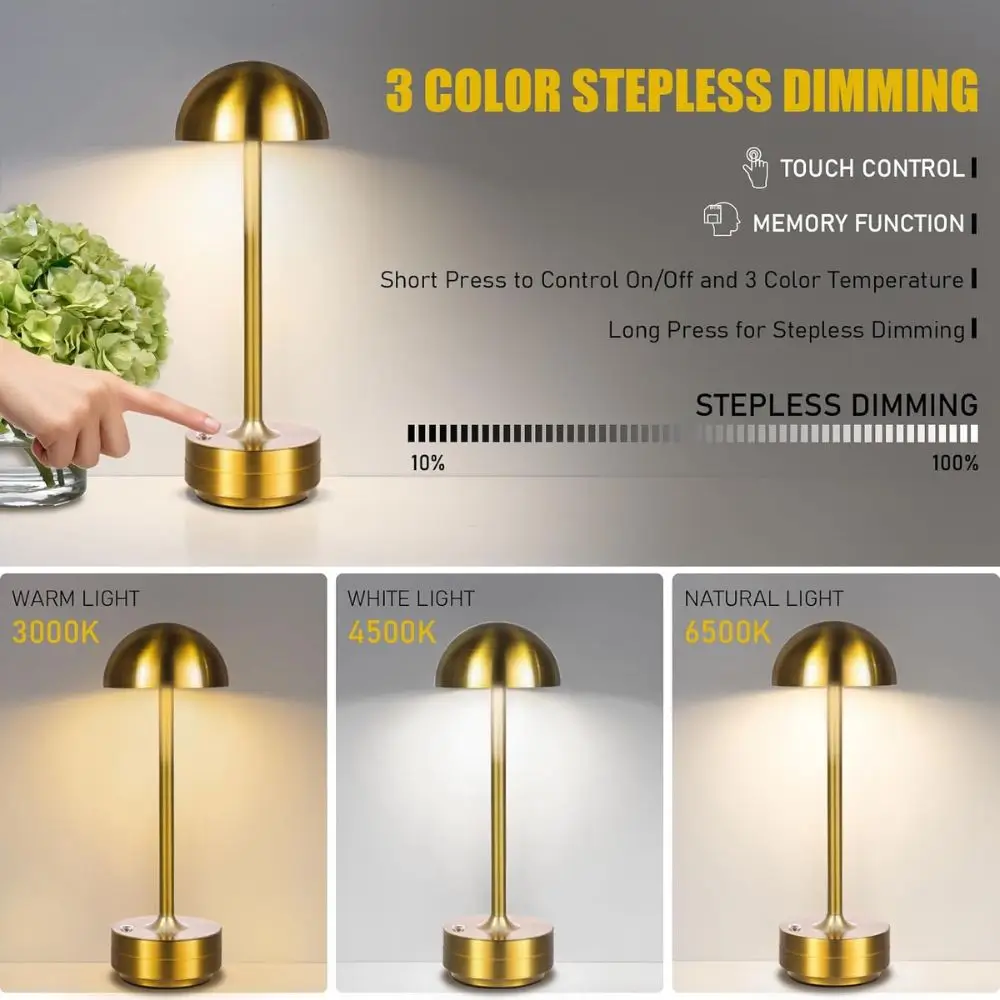
My Bedroom Lighting Rule of 3 explains how bedside, ambient, and mood lighting work together.
19. Give the Main Wall One Strong Direction
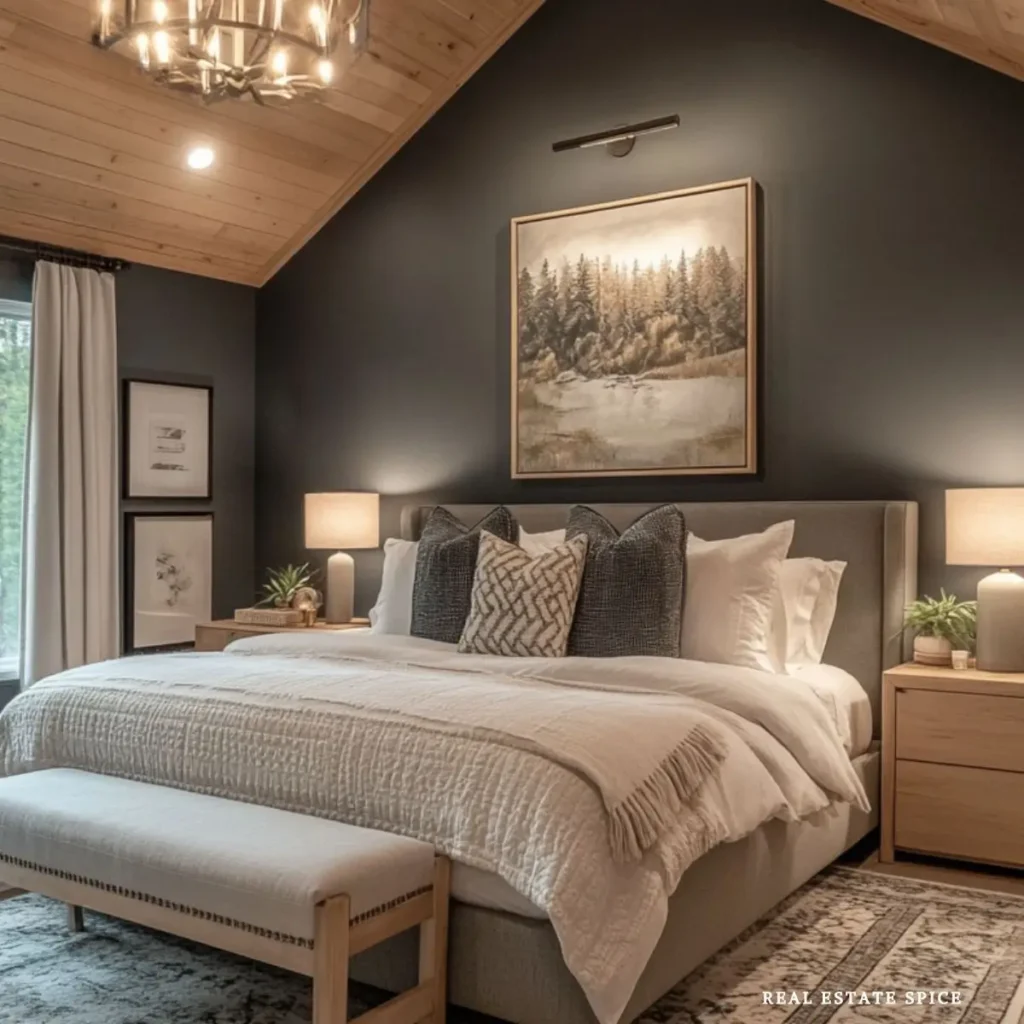
The wall behind the bed usually carries the most visual weight.
You can use one large piece of art, a pair of related prints, paneling, wallpaper, paint, or a beautiful headboard.
Choose the option that supports the bed rather than competing with it.
If the headboard is tall and detailed, the wall may need very little.
A simple headboard can handle stronger artwork or a richer wall color.
Before adding several small pieces, try outlining one larger shape with painter’s tape.
Small wall decor can sometimes look scattered above a substantial bed.
One larger statement often feels calmer and more complete.
20. Keep Visible Surfaces Useful
Nightstands and dressers attract small objects with impressive determination.
Start by deciding what you need to use on each surface.
A nightstand may need a lamp, water, a book, and a small dish.
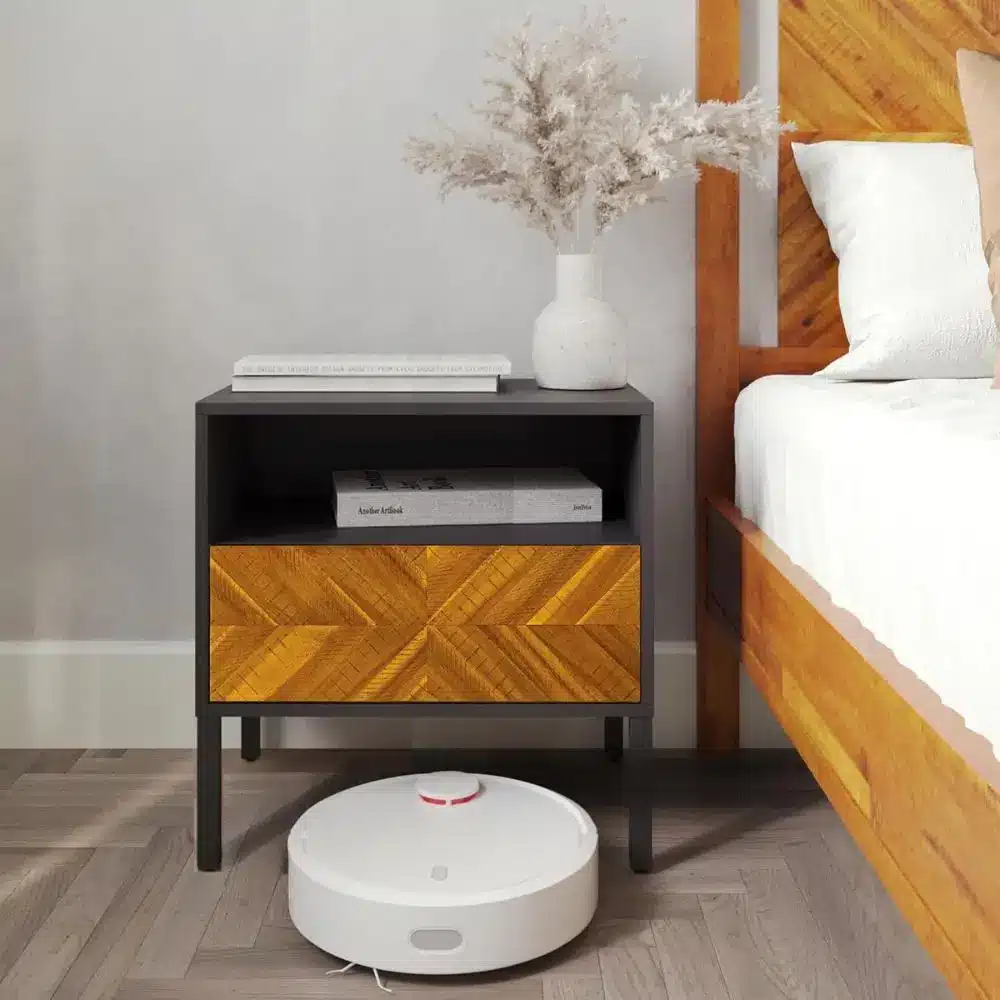
A dresser may hold a mirror, lamp, tray, or a larger decorative piece.
Group smaller daily items on a tray or place them inside a drawer.
Then leave part of the surface open.
That open area gives the pieces you chose more presence and makes the room easier to reset.
Your dresser does not need seventeen bottles, three candles, two jewelry trees, and a stack of mail holding a committee meeting before breakfast.
21. Include Something That Could Only Belong to You
A simple bedroom should still reveal something about the person who sleeps there.
Display a photograph, meaningful piece of art, favorite color, treasured book, handmade object, travel memory, or something from nature that you love.
One personal detail can bring more warmth than a shelf filled with generic accessories.
Place it where you will notice it.
Maybe it belongs beside the bed, above the dresser, or on the wall you see first in the morning.
Personal design does not require a large display.
Sometimes one beloved object has more emotional weight than a cart full of things chosen merely because they matched.
Simple Modern Bedroom Interior Design
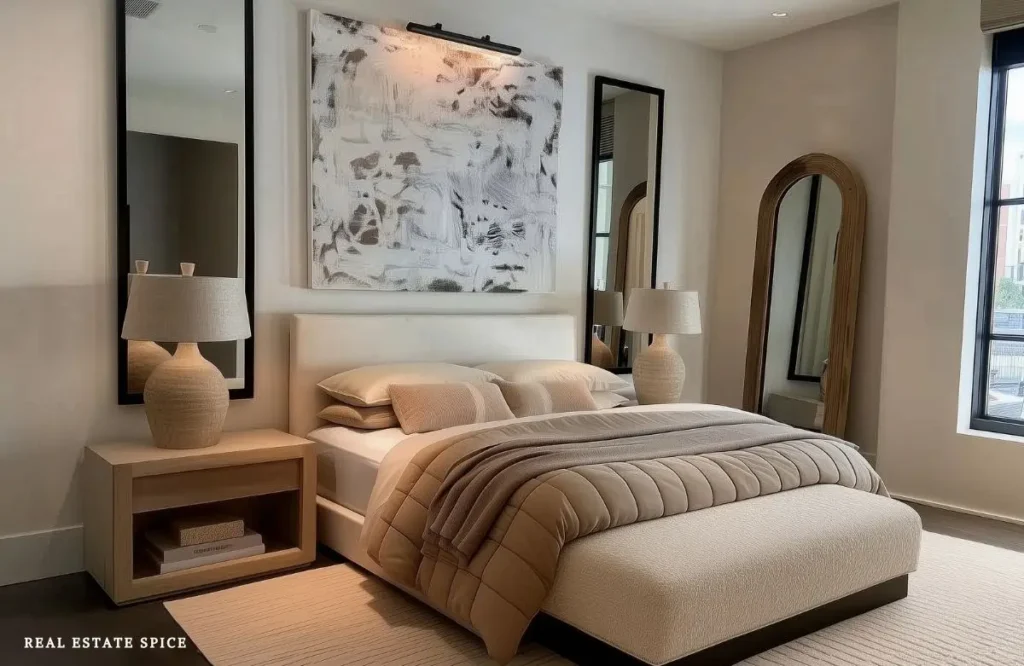
Simple modern bedroom interior design relies on clean shapes, clear walking space, and a limited number of strong pieces.
That doesn’t mean the room has to feel cold.
Warm wood, upholstered furniture, linen bedding, soft rugs, and rounded lighting can balance straighter modern lines.
Use contrast carefully.
A black bed frame or dark dresser can give the room structure when the walls and bedding are lighter.
Modern furniture often looks best when you can see some floor around it.
Avoid lining every wall with another cabinet, chair, or table.
Let the strongest furniture be visible without packing the room like a very tasteful storage unit.
If you prefer cleaner lines with a little more contrast, explore these warm modern bedroom designs for furniture, lighting, wall, and color ideas that still feel comfortable.
Simple Master Bedroom Interior Design
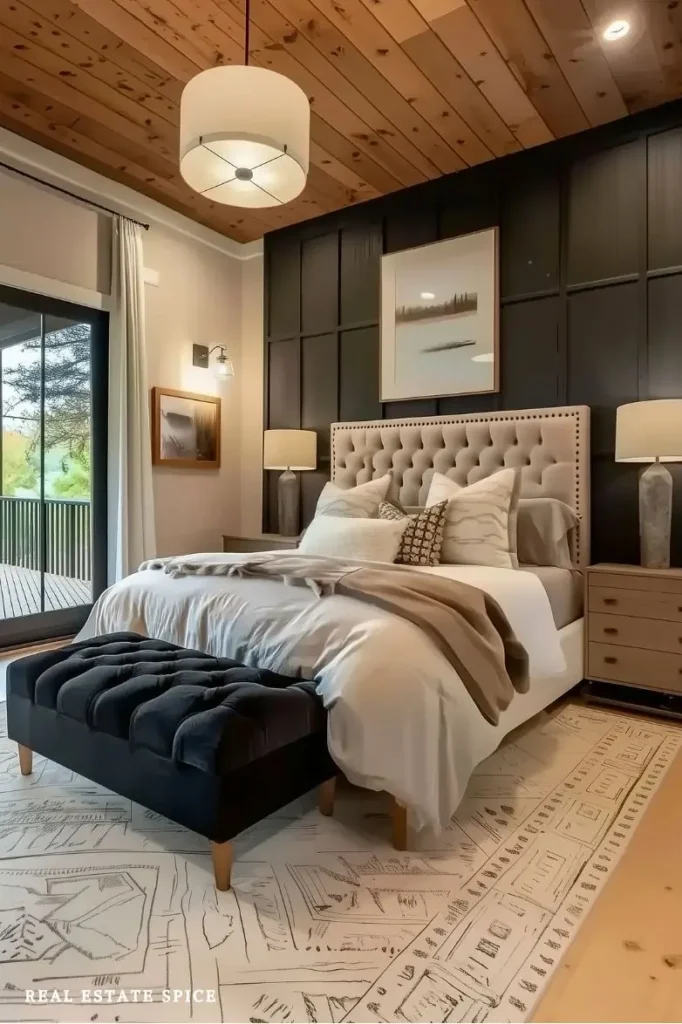
Simple master bedroom interior design begins with comfort and easy movement around the bed.
Larger bedrooms can tempt you to create a sitting area, dressing area, office, exercise corner, and possibly a small regional airport.
You don’t need to fill the room simply because space remains.
Choose additional furniture based on what you will use.
A chair makes sense if you read or relax there.
A bench may help if you sit while dressing or need blanket storage.
If neither activity happens in the bedroom, open space may feel better.
For a deeper room plan, the Master Bedroom Layout Rule of 3 explains how sleep, dressing, and restorative space can work together without creating morning traffic jams.
Small Simple Bedroom Interior Design
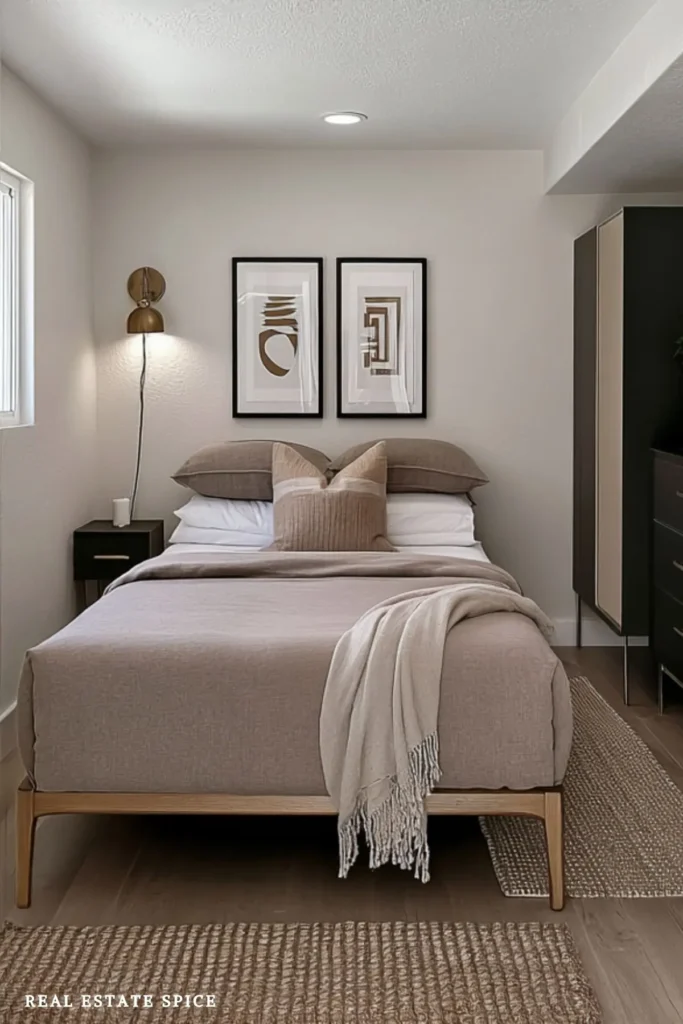
Small simple bedroom interior design depends on proportion.
Choose the bed size first, then protect the closet, bedroom door, and dresser-drawer clearance.
Use wall-mounted lighting or slimmer nightstands when the bed leaves little room at the sides.
A taller dresser can provide storage without consuming a long wall.
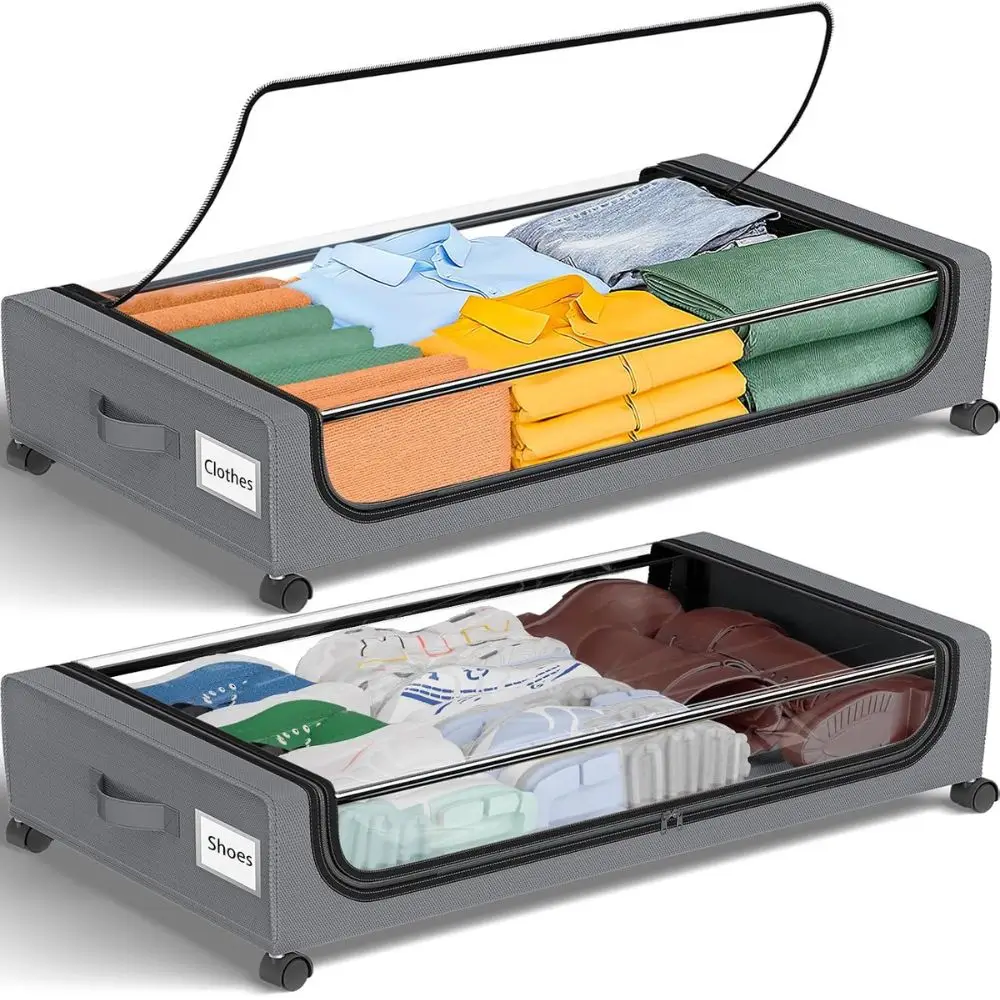
Under-bed storage may replace another piece of furniture.
Keep decor substantial enough to be noticed, but limit the number of smaller items spread around the room.
Small bedrooms can feel beautifully complete without squeezing something into every remaining corner.
My Small Bedroom Rule of 3 has more help for creating storage, movement, and comfort when every inch seems to have already made weekend plans.
Create a Simple Bedroom Design at a Lower Cost
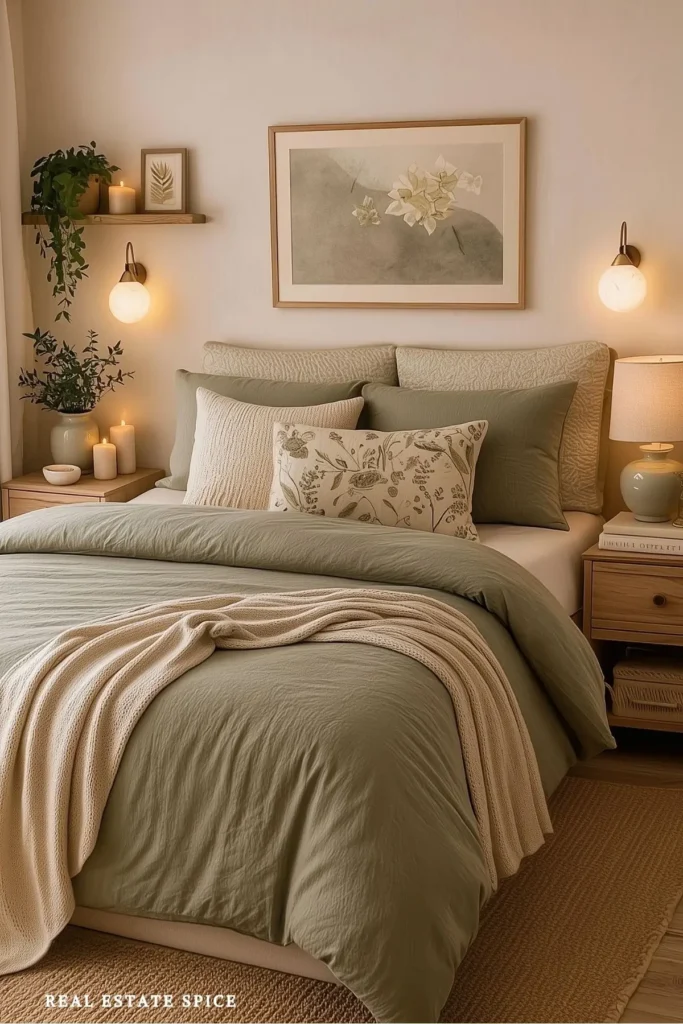
For a simple bedroom design, low-cost changes can make a larger difference than buying an entirely new furniture set.
Begin by removing anything that no longer supports the room.
Then rearrange what remains before shopping.
Move lamps to improve the evening light.
Try bedding or curtains from another room.
Remove a small table that blocks the walkway.
Place the dresser on a wall where the drawers open fully.
Pillow covers, a throw blanket, updated hardware, secondhand lamps, framed personal photographs, and paint can change the room without replacing its largest pieces.
TRY THIS BEFORE YOU BUY
Borrow From Another Room for One Day
Test a lamp, mirror, throw, or small table you already own. If it doesn’t solve the problem, you’ll know what the bedroom still needs. Test first, then buy the piece that gives you the missing function or feeling.
Spend first on whatever affects comfort or daily use.
A better pillow, useful nightstand, comfortable bedding, or dresser that fits may improve your life more than several decorative purchases.
Simple Bedroom Interior Design Questions
How Can I Make a Simple Bedroom Look Beautiful?
Give the bedroom one focal point, use complementary colors, choose furniture in the correct scale, and add texture through bedding, curtains, rugs, or wood.
Keep visible surfaces useful and allow some open floor around the main furniture.
Beauty usually comes from connection and proportion rather than the number of things in the room.
Can Simple Bedroom Interior Design Include Color?
Absolutely.
Choose one main color direction and repeat it in a few noticeable places.
You can use rich green, blue, terracotta, blush, charcoal, yellow, or another color you love.
Balance stronger color with simpler surrounding pieces so the room remains clear rather than chaotic.
What Furniture Does a Simple Bedroom Need?
Most bedrooms need a bed and somewhere to place bedside essentials.
Storage depends on the closet and the person using the room.
You may need nightstands, a dresser, wardrobe, storage bench, or under-bed storage, but you probably don’t need every possible piece.
The Bedroom Furniture Rule of 3 can help you choose the bed, bedside furniture, and storage piece that make the biggest difference.
Is Simple Bedroom Design the Same as Minimalism?
Not necessarily.
Minimalism usually emphasizes owning and displaying fewer things.
Simple bedroom design can include more color, texture, books, art, patterns, and personal objects while maintaining a clear visual direction.
You decide how pared back you want the room to feel.
How Do I Keep a Simple Bedroom From Looking Bare?
Add softness and scale before adding numerous accessories.
Use substantial bedding, curtains, an area rug, a headboard, lighting, and one larger piece of wall decor.
Then add a personal detail or two.
A room often looks bare because its main elements are undersized, not because it needs twenty more decorative objects.
Simple Bedroom Interior Design That Makes Coming Home Feel Better
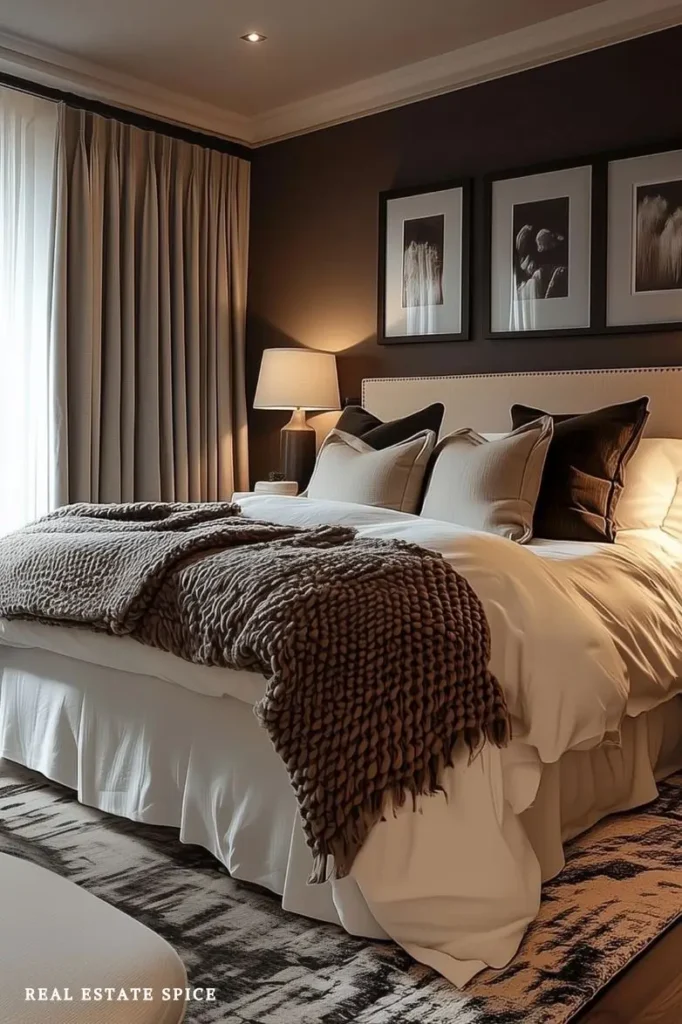
When simple bedroom interior design works, the room stops competing with you.
You can walk to the bed without squeezing around unnecessary furniture.
The dresser drawers open without beginning their daily argument with the bed frame.
Your nightstand holds what you reach for, and the lamp gives you the soft light you want at the end of the day.
The bed feels as comfortable as it looks.
The walls have personality without becoming a visual bulletin board.
The colors feel connected, and your favorite things are easier to notice because they aren’t surrounded by dozens of objects you barely see anymore.
You don’t have to remove every decorative piece, replace all the furniture, or turn the bedroom into a beige box.
You simply make clearer decisions about what stays visible, what belongs in storage, and what helps the room feel like yours.
If you want help bringing every decorating layer together after simplifying the room, continue with How to Decorate a Bedroom for a complete room plan.
A simple bedroom should make your life feel easier, not make your personality disappear.
It gives you a comfortable place to begin the morning, a room you can reset without sacrificing half your Saturday, and a softer place to return when the day has taken enough from you.
Then the light grows warmer, the blankets are waiting, and the bedroom feels less like another space to manage and more like the sanctuary that welcomes you home.