The Bedding Rule of 3 Formula To Create a Bedroom Retreat

Bedding can completely change how your bedroom feels, especially when the layers work together instead of just sitting on the bed.
The sheets may be fine, the comforter may be perfectly nice, and the throw blanket may look pretty at the foot of the bed.
But if the layers aren’t working together, the bed can still feel flat, too thin, too bulky, or less soft and restful than you hoped.
Be sure to check out Bedroom Design Rule of 3 and 50 Bedding Ideas for a Cozy and Stylish Space...

That’s where the Bedroom Rule of 3 bedding formula comes in handy.
When you focus on foundation layers, comfort layers, and decorative finishing layers, your bed starts to feel softer, fuller, and easier to use.
It begins to feel much more like the cozy retreat you want to sink into at the end of the day.
Bedding ideas can get overwhelming because every piece seems to promise a better bedroom.
Fitted sheets, flat sheets, duvet covers, comforters, quilts, coverlets, and mattress toppers all have a job.
So do pillow shams, throw pillows, throw blankets, bed blankets, bed skirts, and bed pillows.

When those pieces work together, your bed feels softer, fuller, and much easier to sink into at the end of the day.
The trick is knowing which job each layer is supposed to do.
A beautiful bed isn’t about buying every pillow and blanket in sight.
It’s about choosing foundation layers, comfort layers, and decorative finishing layers that work together.
Those layers help the bed feel softer, more restful, and easier to use.
They also make the bed feel more like the heart of a bedroom retreat.
Grab your favorite beverage, pen, and paper for notes; take your time to study the images, design tips, and products, and enjoy!
ps…remember to save this and come back anytime for a dose of inspo!
What Is the Bedroom Rule of 3 for Bedding?

The bedroom rule of 3 bedding formula is a simple way to make your bed feel layered, comfortable, and pulled together without making it complicated.
You focus on three bedding priorities: foundation layers, comfort layers, and decorative finishing layers.
Foundation layers are the pieces closest to you, like sheet sets, pillowcases, mattress pads, mattress toppers, and a basic bed blanket if you use one.
Comfort layers add warmth, loft, and softness.
They create that end-of-day landing place.
Get My Free eBook
“100 Easy Ways To Refresh Any Room All Year Round”
You can use a duvet cover, comforter, quilt, coverlet, down alternative comforter, or lightweight blanket.
Decorative finishing layers make the bed feel styled and personal.
This might include pillow shams, throw pillows, or a folded quilt.
You can also add a bed scarf or a throw blanket with beautiful texture.
When those three layers work together, bedding feels much easier.


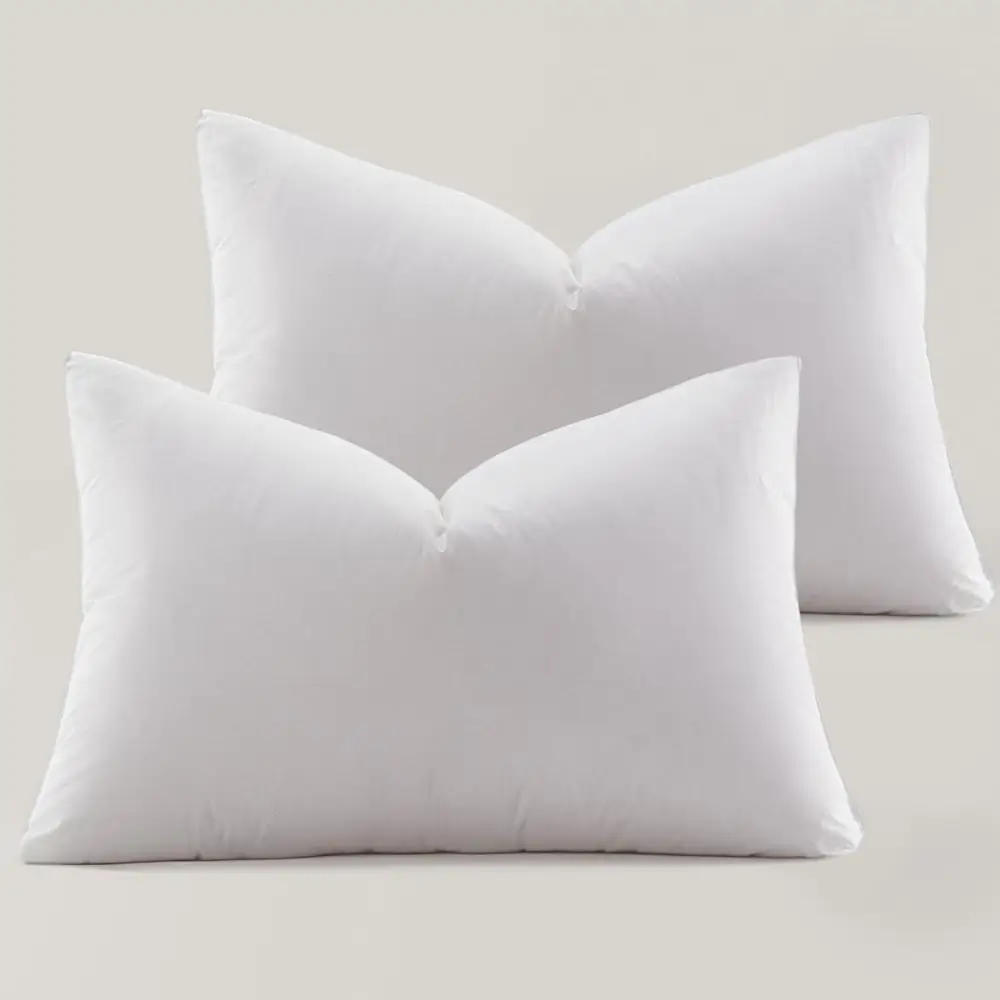
Globan Hotel Collection Down Feather Pillow (A Splurge But Worth It)

You can stop wondering whether you need more and start asking which layer isn’t working.
Maybe the sheets feel scratchy, the comforter is too hot, or the bed looks unfinished because the decorative layer is missing texture.
The framework gives you a way to troubleshoot the bed without replacing everything.
Why Bedding Works Better When the Layers Have a Job

A bed can have a lot of bedding and still not feel comfortable.
Another bed can have very simple bedding and feel absolutely wonderful.
The difference is whether each layer has a purpose.
Foundation layers make the bed feel clean and comfortable.
Comfort layers make it feel soft and restful.
Finishing layers make it feel styled without turning bedtime into a nightly pillow relocation project.

That’s why layered bedding ideas work best when they’re practical first.
A gorgeous duvet won’t help much if the sheets feel wrong.
Throw pillows might look nice elsewhere, but if half of them end up on the floor every night, the setup is probably working against you.
Bedding should make the bedroom feel more restful, not more high-maintenance.
If you want a broader gallery of inspiration after this, 50 Bedding Ideas for a Cozy and Stylish Bedroom offers more ideas.
Here, I’m focusing on a simple bedding formula you can use in almost any bedroom.
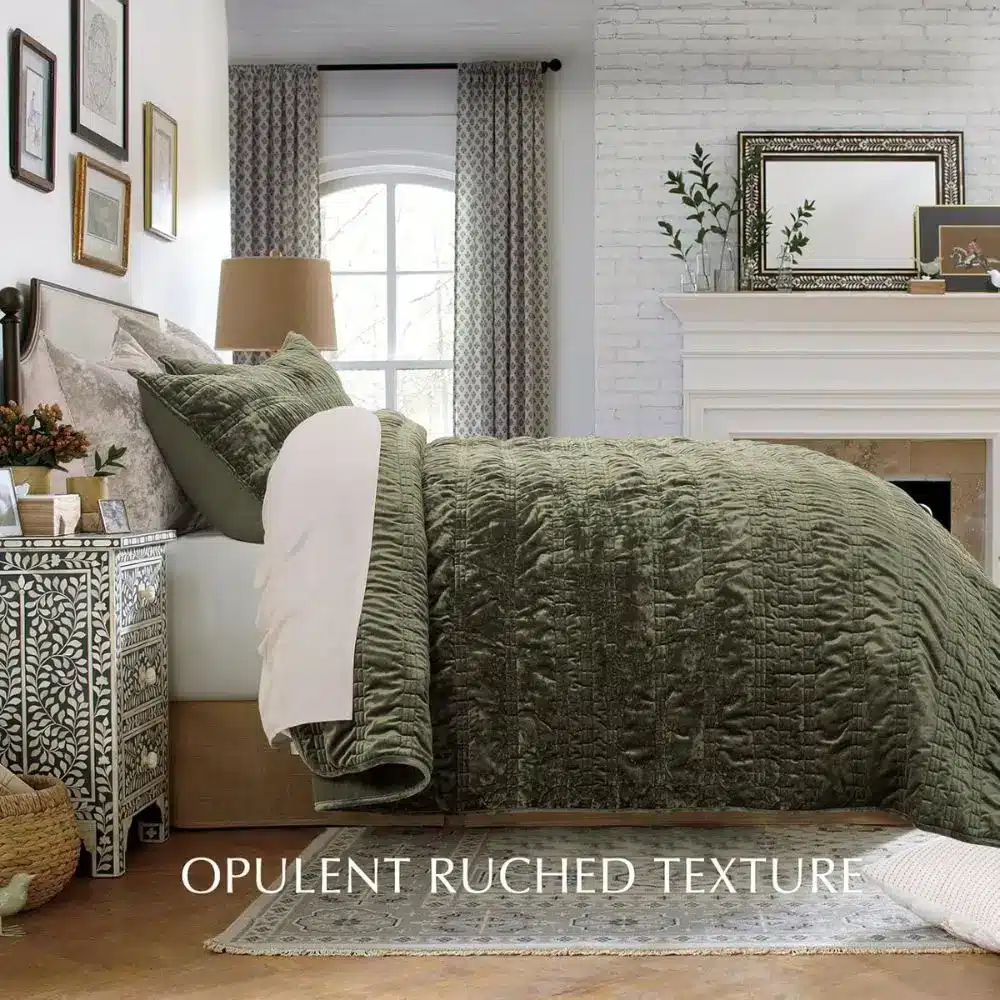
It works for king bedding, queen bedding, twin bedding, master bedroom bedding, and guest bedroom bedding.
It also helps with a daybed that needs to feel like seating during the day and a real bed at night.
Priority 1: Foundation Layers

Foundation layers make the bed feel clean, comfortable, and ready
Foundation layers are the bedding pieces you may not notice first, but you definitely notice when you’re trying to sleep.
These include your fitted sheet, flat sheet, pillowcases, mattress pad, mattress topper, and any basic bed blanket you use under the main cover.
They aren’t the most dramatic part of the bed, but they make everything above them feel better.
Think of foundation layers as the comfort base.
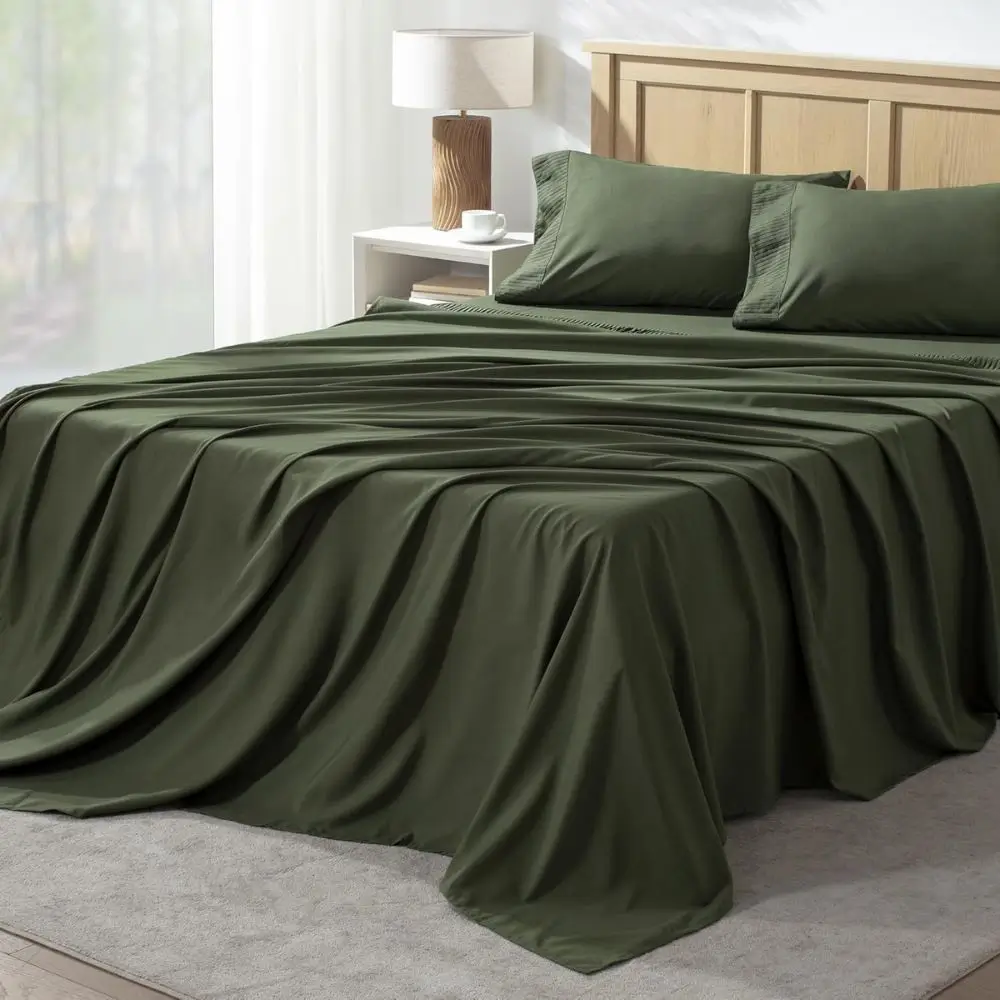
If the sheet layer feels scratchy, too hot, or too loose, the rest of the bed has to compensate.
A luxurious duvet can’t fully rescue sheets that don’t feel good.
Comfort starts underneath the pretty pieces.
Choose sheets by how you sleep

Sheet sets should match your sleep preferences, not just your color palette.
Cotton bedding is classic because it’s breathable, washable, and familiar.
Percale feels crisp and cool, which is great if you sleep warm or love that fresh hotel-bed feeling.
Sateen feels smoother and a little more silky.
Linen bedding has a relaxed texture that works beautifully in a neutral bedroom or an earthy bedroom.
Bamboo blends can be useful if you want a softer drape and a cooler feel.
The fitted sheet should fit the mattress depth, especially if you use a mattress topper.
Nobody wants to remake the corners at midnight because the sheet has decided to abandon the mission.
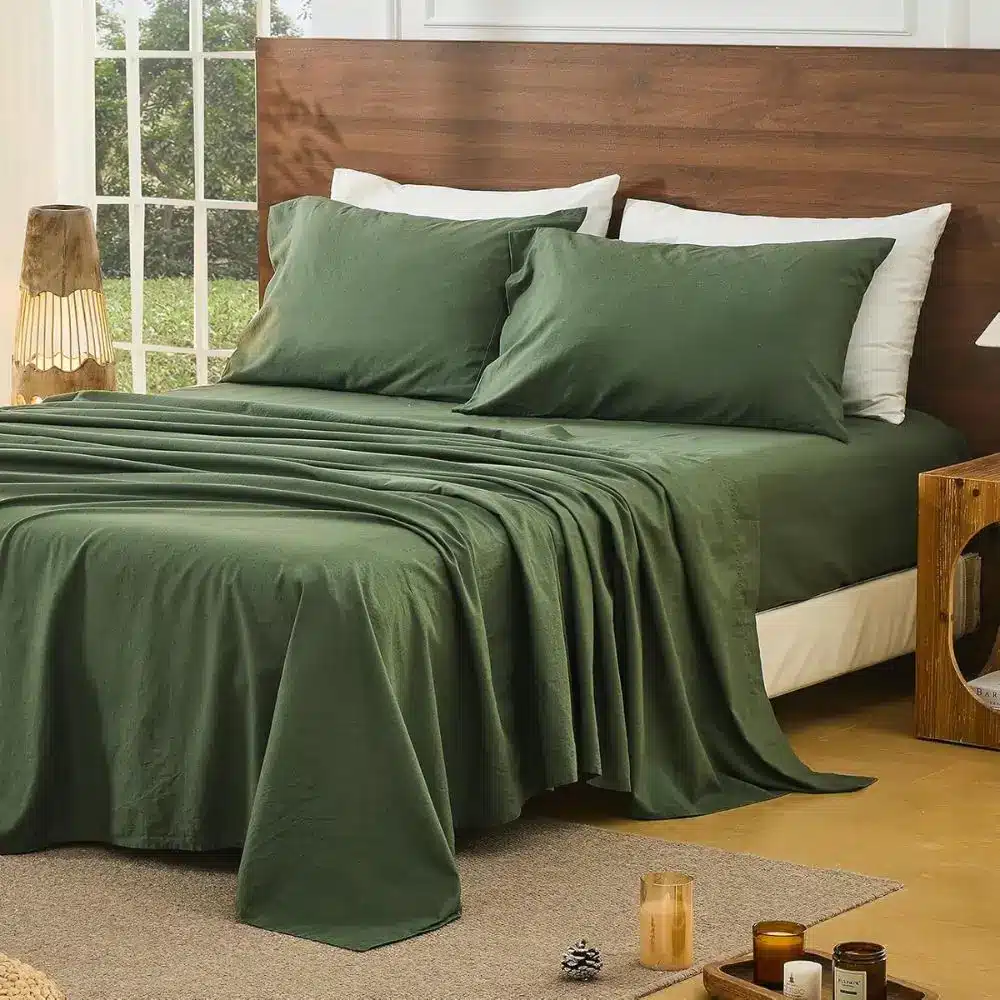
A flat sheet is optional for some people and essential for others.
If you love that layered, tucked-in feeling, keep it.
When you kick it to the bottom of the bed every night, your bed may work better without it.
Pillowcases matter too.
A supportive pillow with an uncomfortable pillowcase is a tiny betrayal.
Choose pillowcases that feel good against your skin and wash well.
Use mattress toppers and pads when the bed needs more comfort
A mattress topper can make a big difference if your bed feels too firm or not cushioned enough.
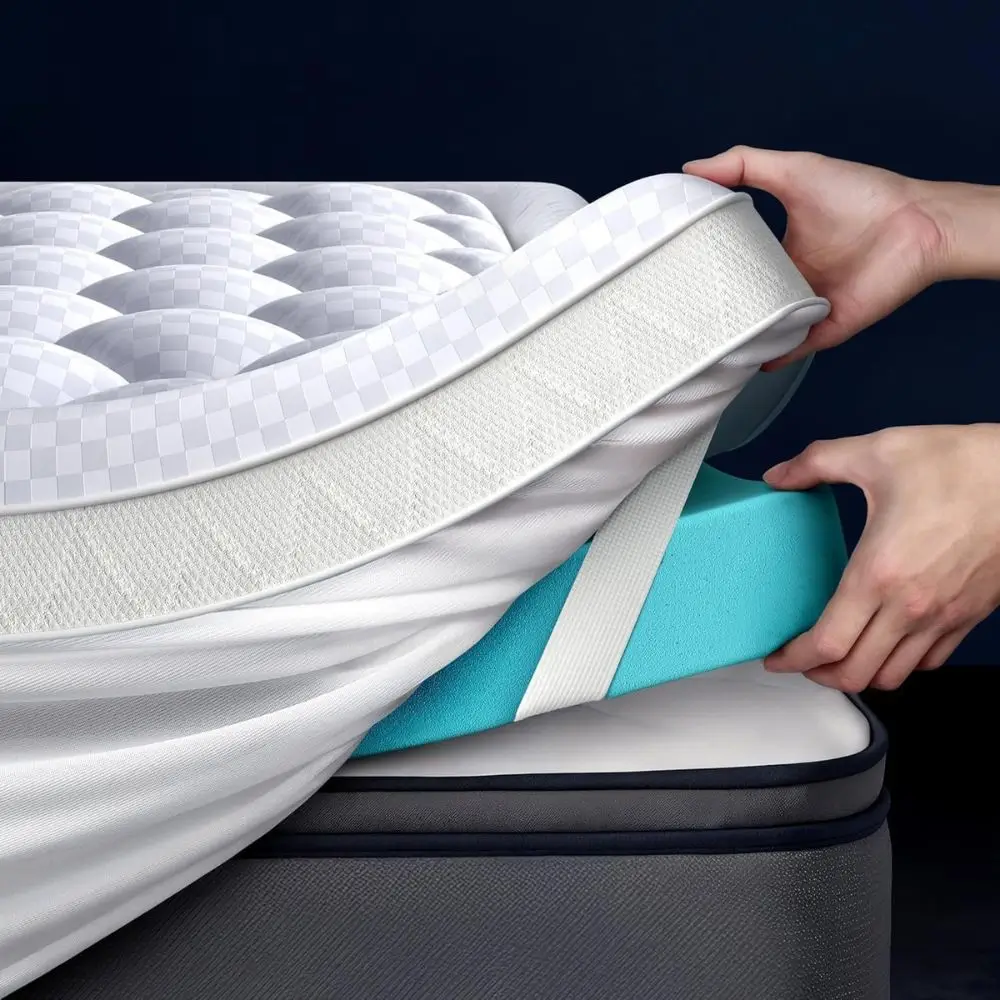
It’s not the most glamorous bedding purchase, but comfort has a way of being practical before it becomes pretty.
A mattress pad protects the mattress and adds a lighter comfort layer, which is especially helpful for guest bedroom bedding.
This is a smart budget move too.
Better sheets, fuller bed pillows, and a mattress topper can make a bed feel more restful before you replace the duvet, quilt, or comforter set.
Use bed skirts and basic blankets when they solve a problem
A bed skirt can hide under-bed storage or soften a basic frame.
It works well in traditional bedrooms, cottage bedrooms, guest rooms, and some white bedding ideas where the bed base needs a clean finish.
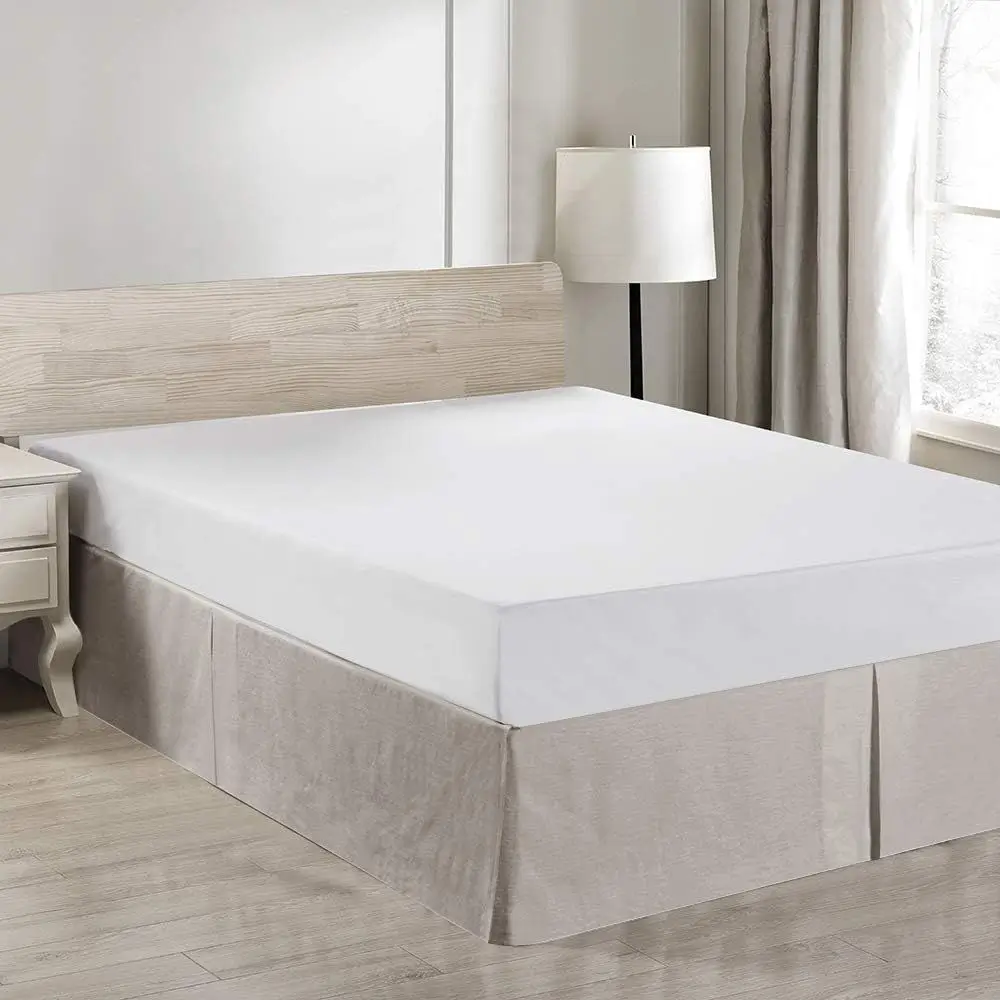
If your bed frame already looks polished, skip it and let the frame show.
A basic bed blanket can also support the foundation.
It adds warmth without changing the top of the bed too much.
Guest bedrooms benefit from this because different people sleep at different temperatures, and extra flexibility is always appreciated.
Foundation layer ideas for different beds

White bedding often starts with fresh sheets and pillowcases, then build warmth through texture.
Try the white bedding warmth trick if white bedding feels too plain: add a quilt, waffle blanket, linen duvet, woven throw, or warm wood tones nearby.
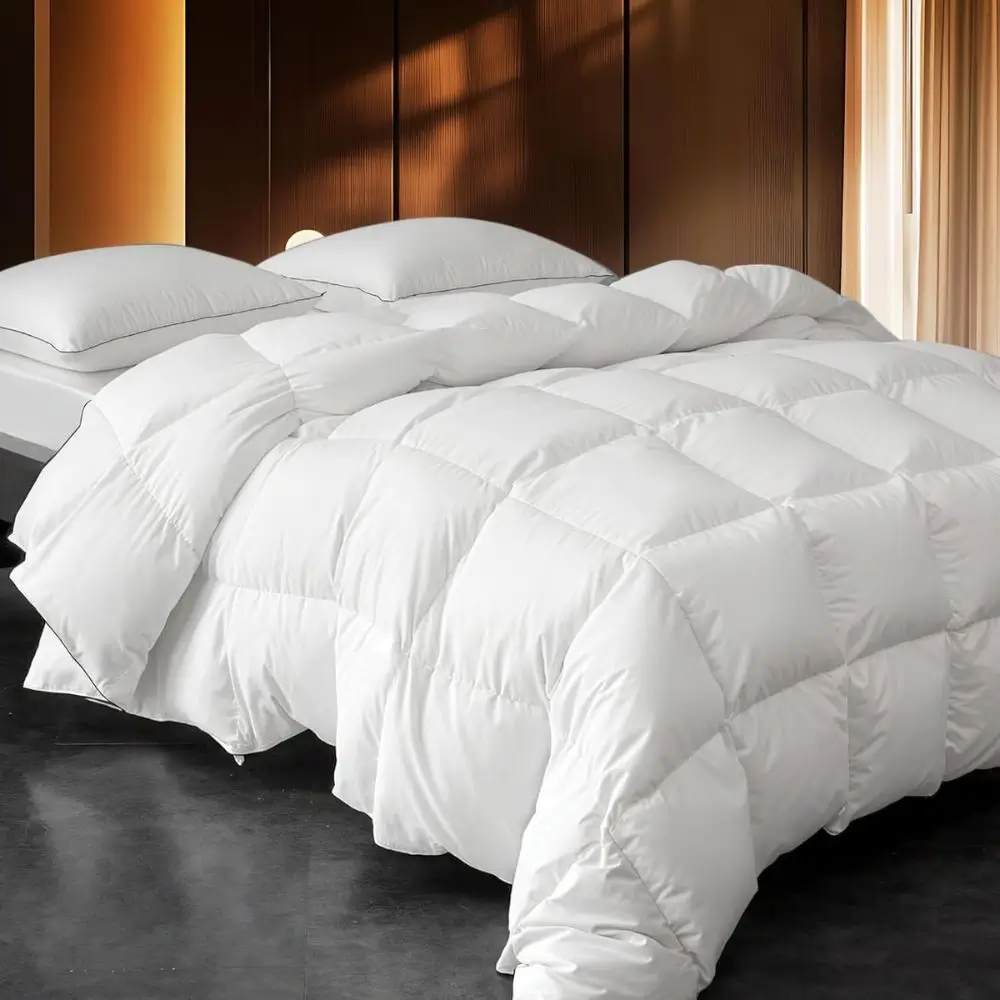
Adult bedding usually looks best when the foundation is simple and high quality.
Queen bedding ideas need enough fullness to feel cozy without overwhelming a smaller room.
Globan Hotel Collection Down Feather Pillow (A Splurge But Worth It)
King bedding ideas need generous proportions so the bed doesn’t look underdressed.
Twin bedding ideas work best when the foundation feels neat, soft, and easy to maintain.
Priority 2: Comfort Layers

Comfort layers make the bed feel like a place to land
Comfort layers are the pieces that create warmth, loft, weight, and softness.
This layer might be a comforter, comforter set, or duvet cover with an insert.
It could also be a quilt, a coverlet, a lightweight quilt, or a down-alternative comforter.
For extra softness, you can add a bed blanket or seasonal throw blanket.
If foundation layers make the bed feel good underneath, comfort layers make the bed feel like something you want to sink into.
This is where your bedding starts shaping the emotional feel of the bedroom.
A fluffy duvet feels cloudlike.
Quilts feel relaxed and classic.
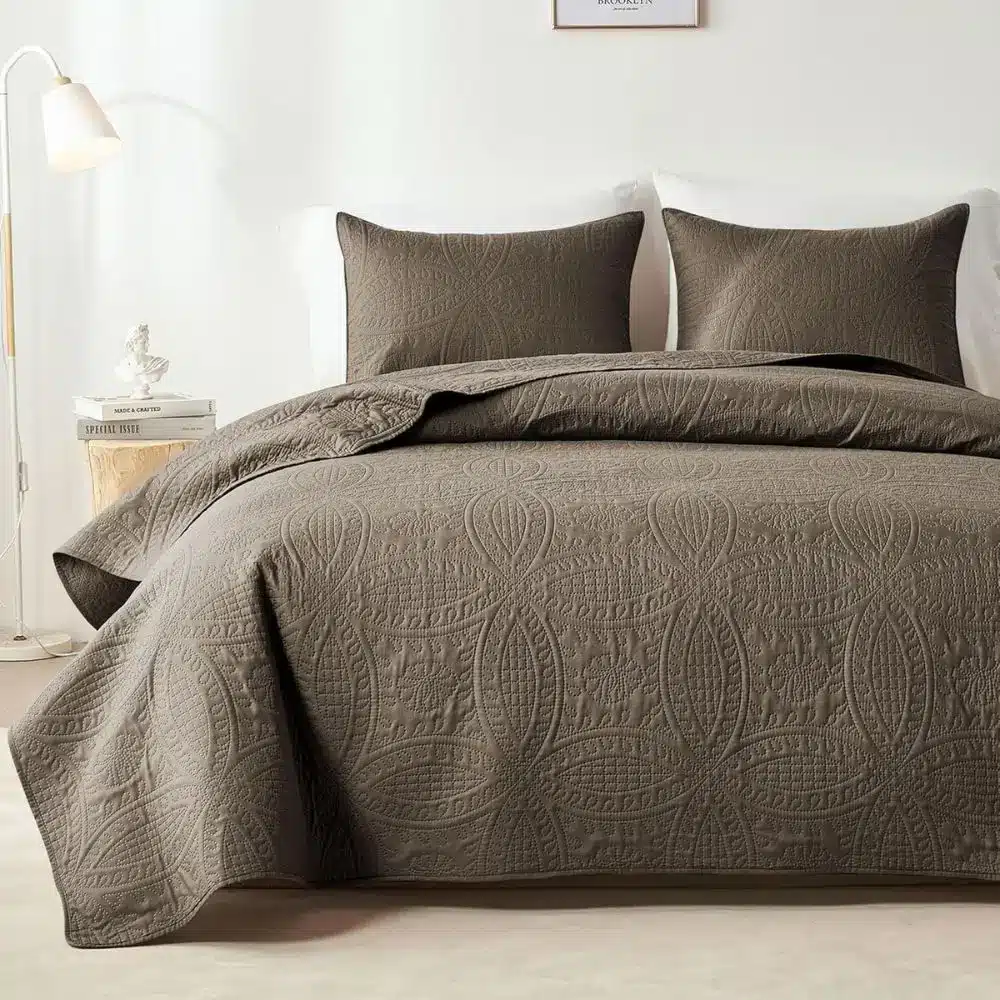
Coverlets give a cleaner, lighter look.
Down alternative comforters can add loft with easier care.
A waffle blanket, knit throw, or woven bed blanket brings texture and makes the bed feel more dimensional.
Choose between a duvet, comforter, quilt, or coverlet

A duvet cover is a great choice if you like flexibility.
You can change the cover without replacing the insert, which makes it useful for seasonal bedroom makeover ideas.
Duvets tend to look fuller and softer, especially when they’re slightly oversized or folded back near the pillows.
If you’re drawn to luxury bedding ideas, start with a well-filled duvet.
Add crisp sheets and one textured throw.
That can feel beautiful without needing many extras.
A comforter is usually easier because it’s one piece.
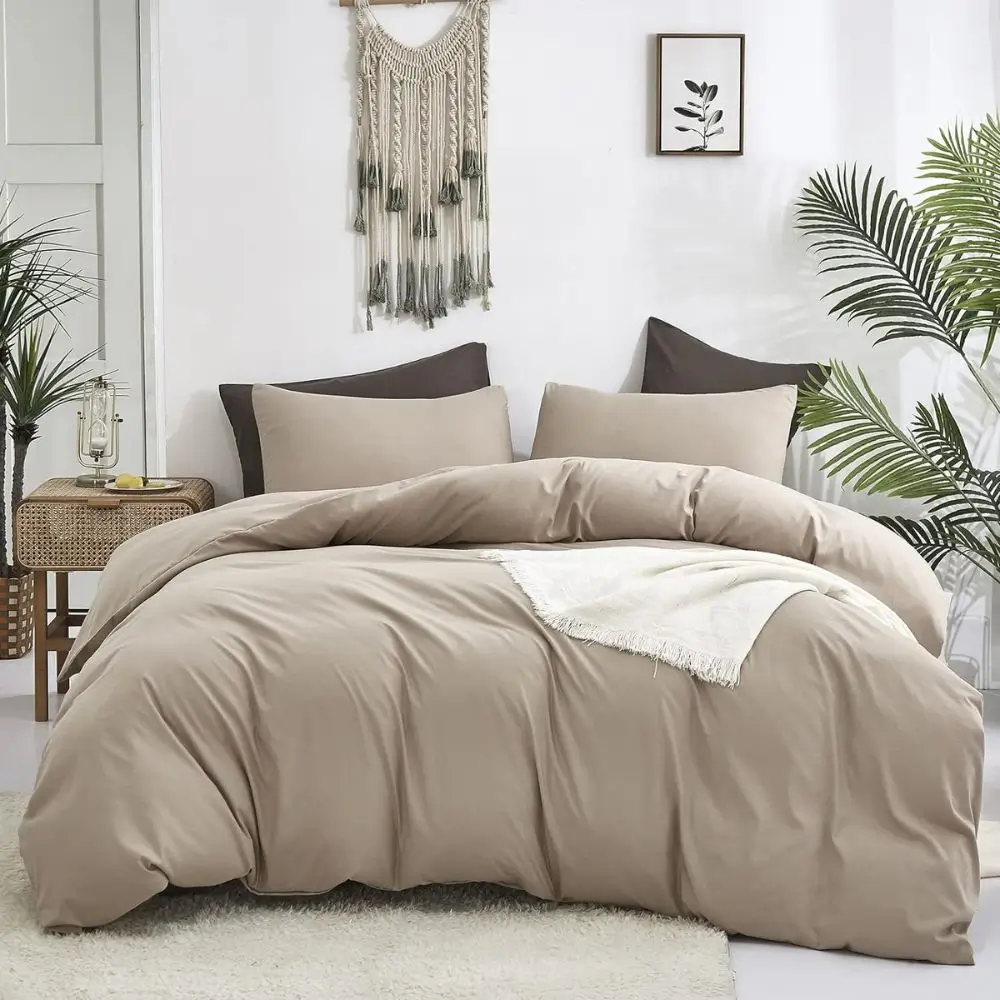
Comforter sets can be practical when you want coordinating shams or a fast bedding plan.
Just make sure the set still feels like your room, not like it arrived with its own personality and asked everyone else to adjust.
Quilt bedding is wonderful if you like a flatter, more tailored bed with texture.
Quilts can feel traditional, cottage-inspired, rustic, modern, or simple depending on color and pattern.
A coverlet is usually lighter and works beautifully in warm climates, guest rooms, or layered under a duvet for extra depth.
Use the three-texture bed

The three-texture bed is one of the easiest ways to make bedding feel dimensional without adding too many pillows.
Combine one smooth layer, one soft or fluffy layer, and one textured layer.
You might use smooth cotton sheets, a fluffy duvet, and a waffle blanket at the foot of the bed.
Another version could be linen sheets, a lightweight quilt, and a knit throw.
This works for modern bedding, casual bedding, rustic bedding, and elegant bedding…whatever your style is.
The formula stays the same.
The textures change with the style.
Modern bedroom bedding might use crisp percale, a simple duvet cover, and a clean waffle blanket.
Casual bedroom bedding might use soft cotton sheets, a relaxed quilt, and a slightly rumpled throw blanket that feels easy, comfortable, and unfussy.
Rustic bedroom bedding may include linen, a quilt, and a chunky woven throw.
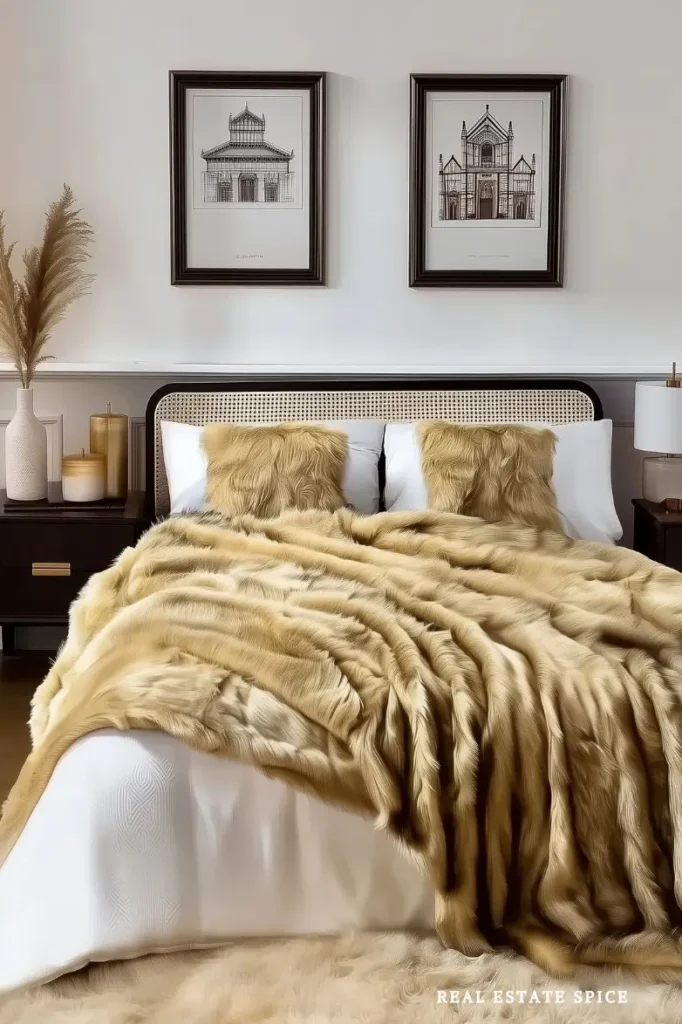
Elegant bedroom bedding could combine sateen sheets, a softly filled comforter, and a velvet pillow or faux fur throw used with restraint.
Try the fold-back trick

The fold-back trick makes a bed look fuller and more relaxed almost instantly.
Fold the top comforter, duvet, or quilt back slightly so the sheet or quilt layer underneath shows.
This move makes the layers look more generous without adding more bedding.
It’s really helpful for queen bedding ideas because queen beds can look flat when the bedding is pulled tight from top to bottom.
The fold-back trick also works beautifully on king beds where you need more visual fullness across the width.
On twin beds, keep the fold smaller so the bed still feels neat.
Use a seasonal swap layer
The seasonal swap layer keeps bedding comfortable throughout the year.
Keep the foundation layers the same, then change the comfort layer or throw blanket by season.
In summer, use cotton sheets, a lightweight quilt, a linen coverlet, or a breathable bed blanket.
I love this cooling blanket.

For colder months, swap in a duvet, down alternative comforter, knit throw, wool blanket, or faux fur throw.
This gives your bedroom retreat a fresh feeling without requiring a whole new bedding set.
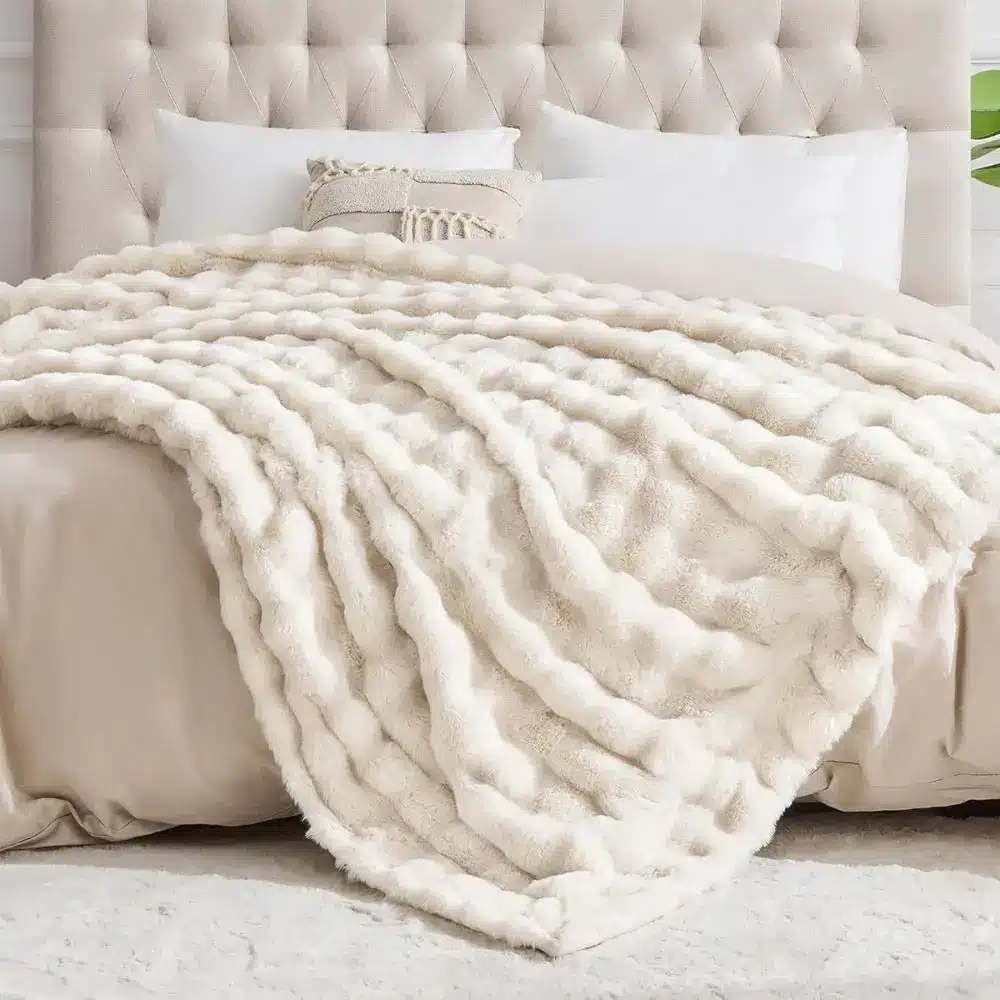
It’s also helpful if you love cozy bedding but don’t want your bed to feel too heavy year-round.
Comfort layer ideas for different styles

Luxury bedding often relies on fullness, softness, and a little restraint.
Modern bedding tend to look best with clean layers, simple colors, and strong texture.
Rustic bedding can use quilts, linen, woven blankets, and earthy tones.
Minimalist bedding might use crisp sheets, a simple coverlet, and one clean-lined throw for softness without extra layers.
Bedding for master bedroom spaces usually need more scale, while guest bedroom bedding should feel comfortable, easy to wash, and not too complicated.
Priority 3: Decorative Finishing Layers

Finishing layers make the bed feel styled without making it hard to use
Decorative finishing layers make the bed feel personal, styled, and complete.
This is where throw pillows, pillow shams, euro pillows, and lumbar pillows come in.

You can also add throw blankets, folded quilts, or a bed scarf.
Texture, color, pattern, and one intentional accent help the whole bed feel more styled.
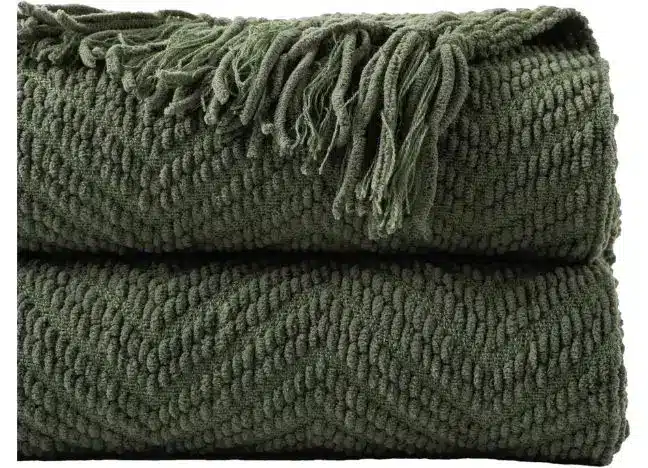
These layers add personality, but they need to stay livable.
Globan Hotel Collection Down Feather Pillow (A Splurge But Worth It)
The nightly reset test helps.
If it takes too long to remake the bed every morning or clear it every night, the bedding setup may be too fussy.
A beautiful bed should still be easy enough to use when you’re tired.
Follow the pillow limit rule
The pillow limit rule is simple.
Use enough pillows to make the bed feel styled, but not so many that half of them end up on the floor every night.
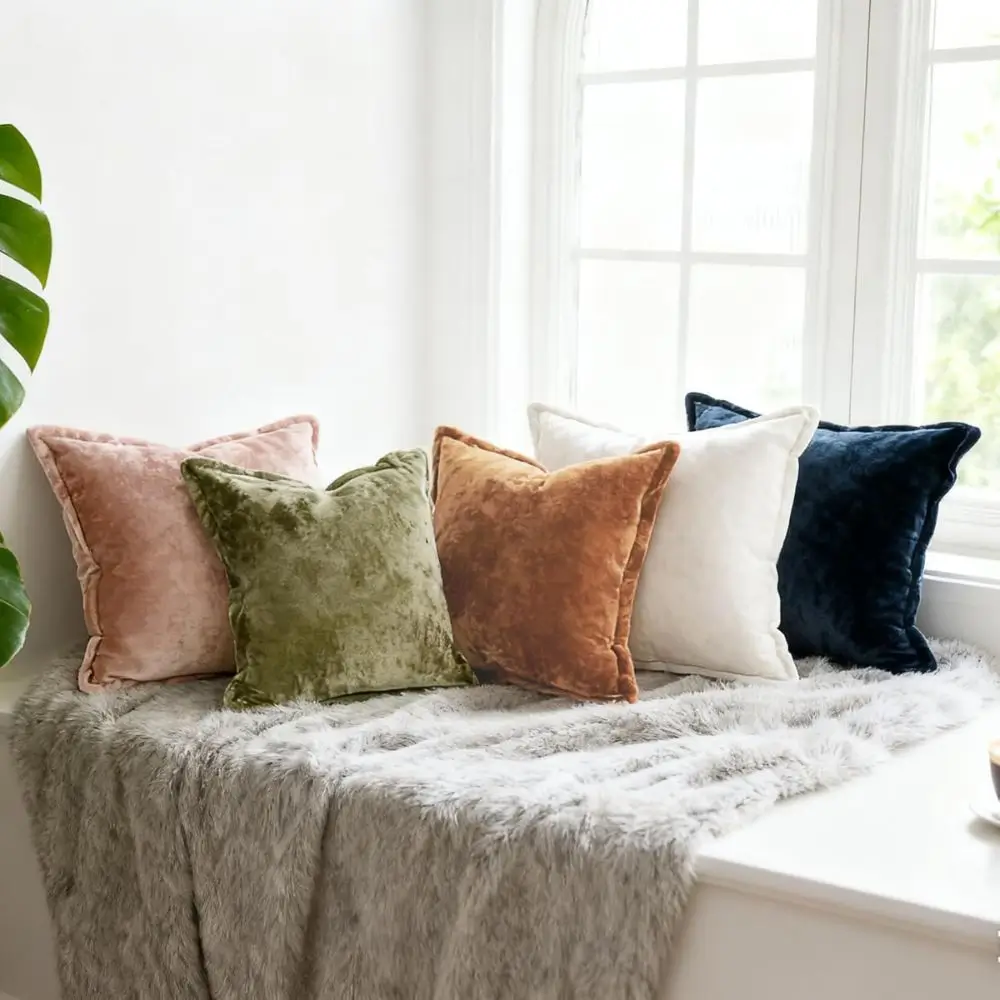
For many queen beds, sleeping pillows, two pillow shams, and one lumbar pillow or a pair of smaller decorative pillows can be plenty.
King beds often need larger pillows or wider shams to match the scale.
Twin beds usually need a sleeping pillow, one sham, and one small accent pillow.
Euro pillows can add height on a king or queen bed, but they’re not mandatory.
Pillow shams make bed pillows look more finished.
A lumbar pillow is one of the easiest ways to add style without creating a pile.

Velvet, linen, or patterned pillows can bring in one accent color or texture.
Use color and pattern with a light hand

Decorative layers are where you can bring in color, pattern, and personality.
If your bedroom is mostly neutral, one accent pillow and a throw blanket may be enough.
When your bedding is already patterned, keep the throw pillows simpler.
If the comfort layer is solid, a patterned pillow or quilt can add interest.
Beautiful bedding doesn’t require every layer to stand out.
Often, one special accent does more than several competing ones.
Elegant bedding ideas may use tone-on-tone layers, textured shams, and a folded throw.
Unique bedding sets for adults can work beautifully when the pattern or color feels sophisticated, and the rest of the bed stays balanced.
Make finishing layers work for different rooms

Girls’ bedding can include soft color, pattern, and playful accents without making the bed hard to maintain.
Boys’ bedding can use stripes, texture, quilts, and stronger colors in a way that still feels pulled together.
Adult bedding usually work best when the decorative layers feel intentional, comfortable, and not overly busy.
Daybed bedding needs a different approach because the bed often acts like seating during the day.
Use the daybed double-duty approach: a fitted cover, back pillows, and a throw blanket so the daybed feels like seating during the day and a bed at night.
A bed scarf can work in a tailored guest room, but a folded throw blanket or quilt usually feels more useful for everyday bedrooms.
How to Use This Bedding Formula on a King Bed
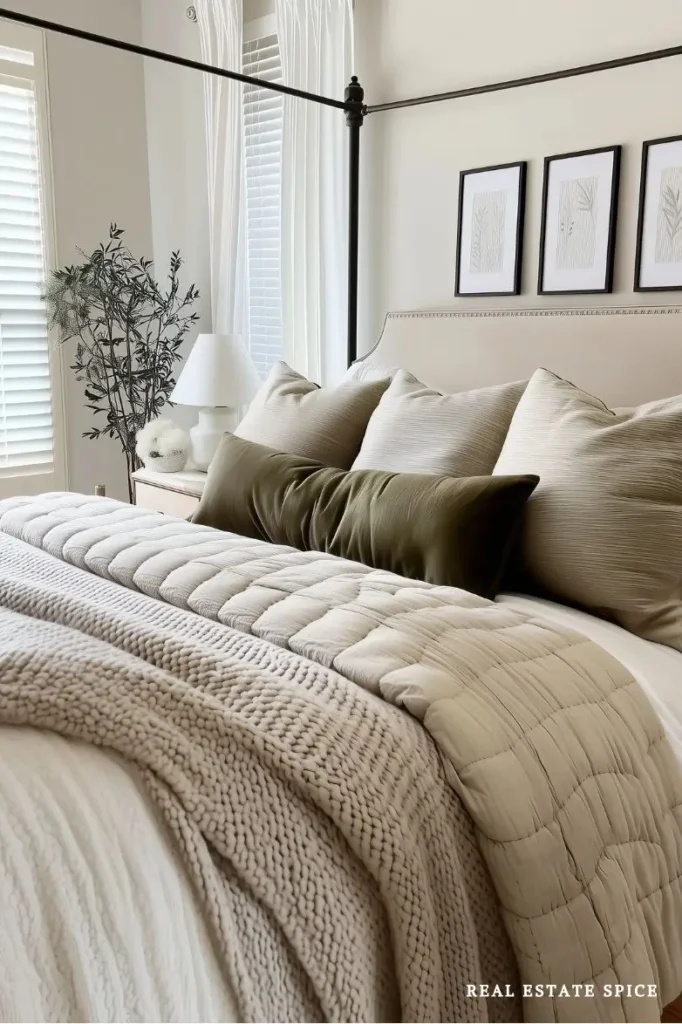
King bedding needs scale.
A king bed is wide, so the layers should feel generous.
Use the king bed scale check before deciding the bed is finished.
Larger pillows, a wider throw, or a folded quilt can keep a king bed from looking underdressed.
Start with foundation layers that fully fit the mattress.
Deep fitted sheets matter if you have a mattress topper.
Choose king bed pillows or larger shams so the head of the bed doesn’t look sparse.
A duvet or comforter should have enough width to drape well on both sides.
One long lumbar pillow can be easier than several small throw pillows, and a folded quilt across the bottom third adds fullness.
How to Use This Bedding Formula on a Queen Bed
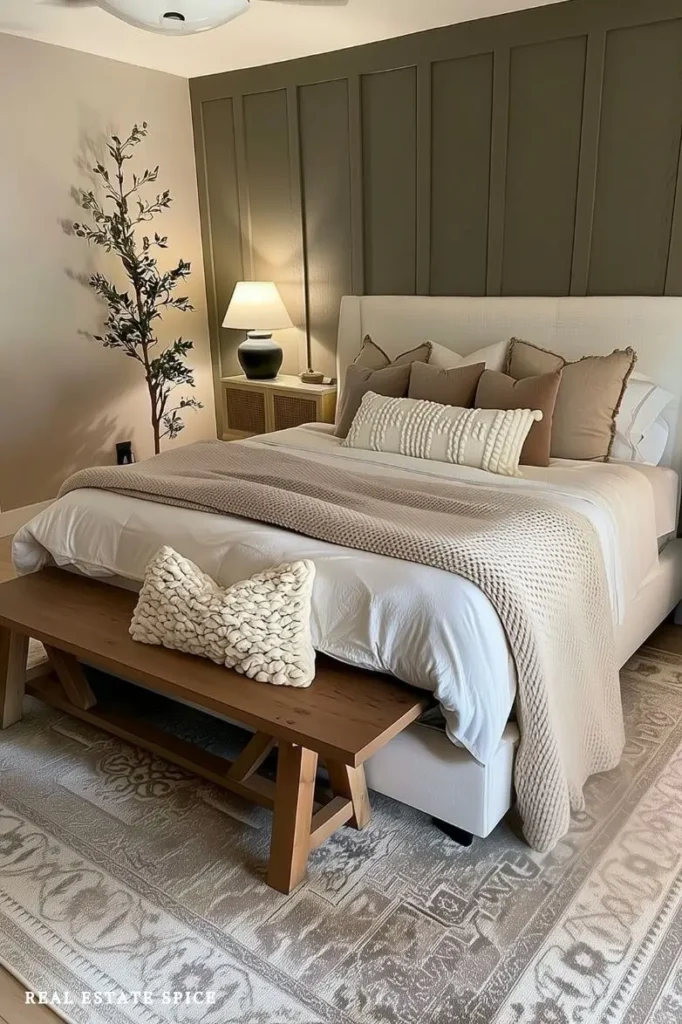
Queen bedding needs balance.
A queen bed is large enough to handle layering, but it can overwhelm a smaller room if the bedding is too bulky.
Use the queen bed balance check.
Keep the layers full enough to feel cozy but not so heavy that the bed visually takes over the room.
A good queen formula might include a fitted sheet, flat sheet if you use one, two sleeping pillows, two shams, one comfort layer, and one finishing layer.
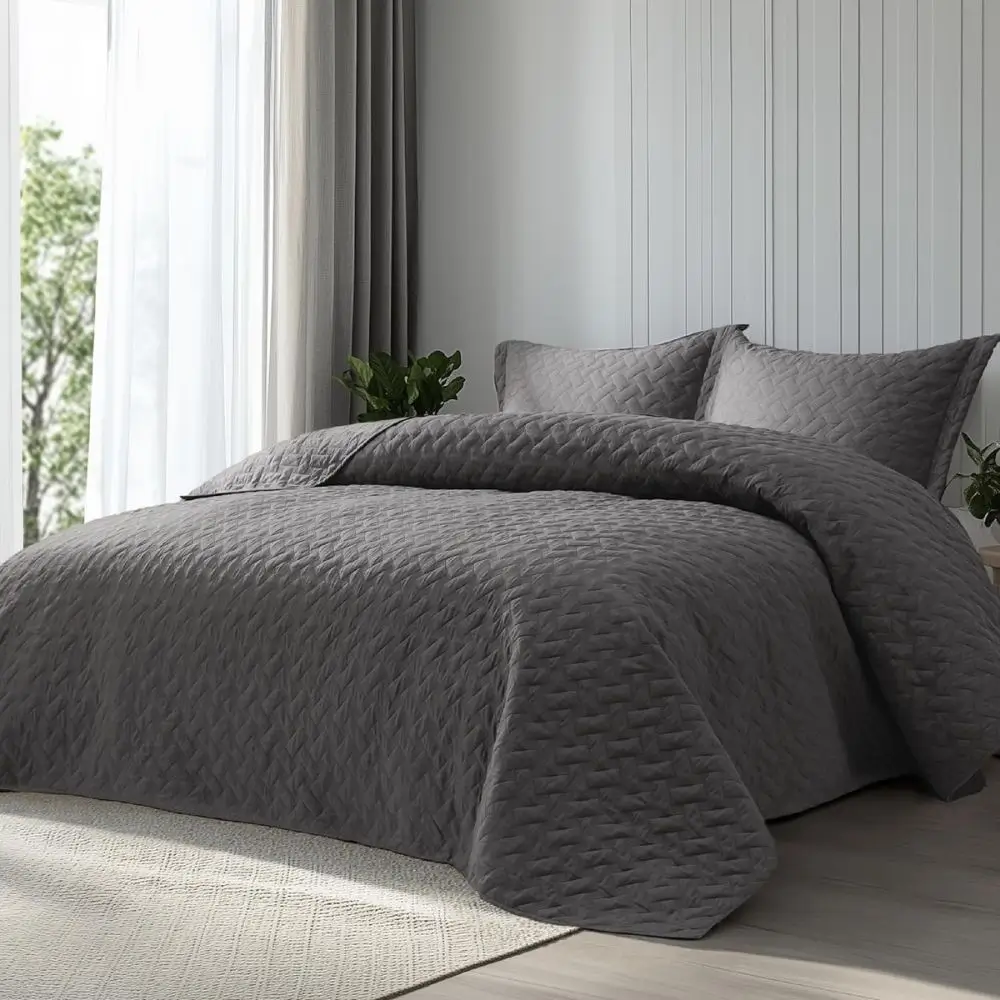
That could be a quilt with a throw blanket, or a duvet with one lumbar pillow.
If your room is small, skip extra euro pillows and let texture do more of the work.
How to Use This Bedding Formula on a Twin Bed or Daybed

Twin bedding needs simplicity and proportion.
Twin bedding ideas can go wrong when the bed gets too many layers for its size.
Keep the foundation comfortable, use one main comfort layer, and choose one decorative accent that doesn’t overwhelm the bed.
For twin beds, a quilt or coverlet often works beautifully because it keeps the bed neat.
A lightweight comforter can work too, especially in a kid’s room or guest space.
Daybeds need to work harder, so use a fitted cover or neat coverlet, supportive back pillows, pillow shams, and one throw blanket.
That daybed double-duty approach keeps the bedding practical.
How to Use This Bedding Formula in a Primary Bedroom

Primary bedroom bedding can usually handle more fullness and texture.
Bedding ideas for master bedroom spaces often work best when the bed feels generous, restful, and slightly more layered than a guest bed.
This doesn’t mean adding more pillows by default.
It means using better scale and richer materials.
Master bedroom bedding might include cotton or linen sheets, a plush duvet, a folded coverlet, and one textured throw.
A velvet pillow or faux fur throw can add softness in colder months.
In warmer seasons, a lighter quilt or linen coverlet keeps the bed layered without extra heat.
How to Use This Bedding Formula in a Guest Bedroom

Guest bedroom bedding should feel fresh, comfortable, and easy to understand.
Start with clean sheets, supportive pillows, and a comfort layer that works for most sleepers.
Add an extra bed blanket or throw blanket so guests can adjust their warmth without searching through closets.
The guest bed comfort check is simple.
Sit and lie on the guest bed briefly to make sure the bedding feels good, not just pretty.
Check whether the sheets feel comfortable, the pillows have support, and the blanket weight makes sense for the season.
After the guest bed feels wonderfully comfortable, continue with the Guest Bedroom Rule of 3 to prepare the rest of the room for an easier overnight stay.
How to Use This Bedding Formula in a Small Bedroom
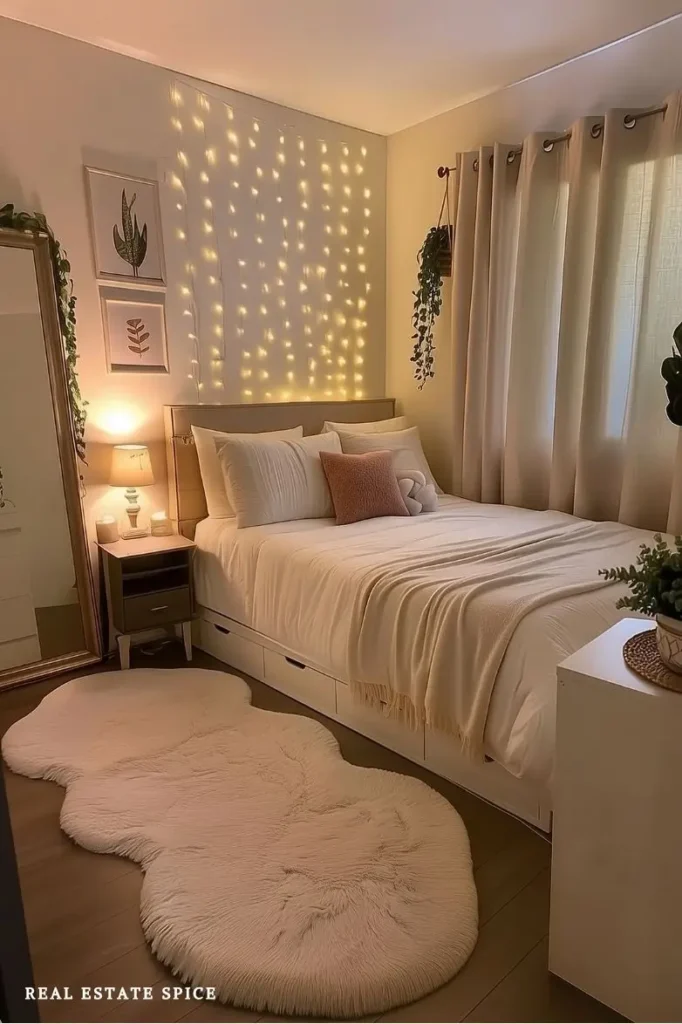
Small bedrooms benefit from bedding that feels soft but not oversized.
The bed often takes up most of the room, so the bedding should make it feel restful without visually crowding the space.
Use breathable foundation layers, one comfort layer, and one textured finishing layer.
In a small bedroom, a coverlet or quilt may work better than a very fluffy duvet if the room already feels tight.
A duvet can still work, but choose one that drapes well without becoming too bulky.
Keep pillows streamlined.
How to Adjust Bedding Layers by Season

Seasonal bedding swaps keep the bed comfortable throughout the year.
In warm months, use breathable sheets, a lightweight quilt, a linen coverlet, or a thin bed blanket.
Cotton bedding and linen bedding are especially good when you want softness without extra heat.
During cooler months, add a comforter, duvet, down alternative comforter, knit throw, wool blanket, or faux fur throw.
You don’t have to change every layer.
Keep your foundation the same and swap the comfort layer or decorative throw.
That seasonal swap layer makes the bed feel fresh without turning bedding into a full-time hobby.
Bedding Mistakes That Make a Bed Feel Unfinished or Uncomfortable

Using sheets that don’t feel good
The prettiest top layer won’t matter much if the sheets feel wrong.
Foundation layers touch your skin, so comfort has to start there.
Globan Hotel Collection Down Feather Pillow (A Splurge But Worth It)
Choosing a comforter that’s the wrong size
A comforter or duvet that barely covers the mattress can make the bed look underdressed.
If the bed looks too narrow or skimpy, consider sizing up or choosing a fuller layer.
Adding too many decorative pillows
Throw pillows can make the bed feel styled, but too many can turn bedtime into a nightly reset project.
Use the pillow limit rule and keep the bed easy to remake.
Mixing too many patterns at once
Pattern can be beautiful, but too many competing patterns can make the bed feel busy.
Try one patterned piece and let the other layers support it.
Skipping texture
A bed with all smooth layers can look flat.
Add one textured layer, such as a waffle blanket, quilt, woven throw, knit throw, or linen duvet.

Ignoring how you actually sleep
If you sleep warm, heavy layers may not work.
When you sleep cold, a lightweight coverlet alone may not be enough.
The best bedding fits your real life.
When Your Bed Becomes the Softest Place to Land

A beautiful bed isn’t about buying every pillow, blanket, quilt, duvet, and comforter set you see.
It’s about understanding how the bedding layers work together.
Foundation layers make the bed feel clean and comfortable.
Comfort layers make it soft and restful.
Decorative finishing layers make it feel styled, personal, and complete.
Once you use the bedroom rule of 3 bedding framework, bedding ideas get much easier to sort through.
You can look at your bed and ask what’s missing.
Do the sheets and pillows feel good?
Does the comfort layer make you want to sink in at the end of the day?
Do the finishing layers add texture without making the bed hard to use?
That’s how your bed starts feeling like the heart of a bedroom retreat.
Softer. Calmer. Easier to live with.
More comfortable when the day is done.
And honestly, that’s exactly what the best bedding should do.