The Calming Bedroom Design Rule of 3: The Easy Formula for a Peaceful and Comfortable Room

A calming bedroom can give you a beautiful place to wake up, take a break during the day, and settle in at night.
Everything in the room may look right, but your mind can still keep working the moment you walk in.
Your eyes may jump from a bright window to a crowded dresser and then to the clothes on the chair.
Be sure to check out my calming bedroom colors and calm bedroom designs after this…

Before you even reach the bed, you’ve noticed the chargers, papers, jewelry, and sweater you meant to put away yesterday.
Morning sun may reach your pillow far earlier than you would like.
At night, outside noise or a bright streetlight may follow you into the bedroom.
Even beautiful bedding can feel uncomfortable when it’s too warm, too heavy, or rough against your skin.
Calm isn’t tied to one decorating style.
A bedroom with deep green walls, colorful art, and warm wood can feel every bit as peaceful as one filled with cream and pale blue.

Your room also doesn’t have to get so plain that one patterned pillow looks like it broke the rules.
Here, I help you look beyond the usual advice about choosing soft colors and clearing a nightstand.
I show you how to find what keeps pulling your attention or making daily life less comfortable.
The result can be a bedroom that looks beautiful and feels wonderful whenever you spend time there.
Grab your favorite beverage, pen, and paper for notes; take your time to study the images, design tips, and products, and enjoy!
ps…remember to save this and come back anytime for a dose of inspo!
What Makes a Calming Bedroom Feel Peaceful?

A calming bedroom feels comfortable when you look around and when you use it.
That feeling often comes from solving the small things that interrupt your ease.
One problem may bother you as soon as you enter, while another may appear only at sunrise or after dark.
Sometimes the answer is a piece you already own, moved to a better place or used in a different way.
None of those choices requires a pale neutral room or a large decorating budget.
Many of the best changes begin with noticing what has been bothering you and solving that exact problem.
Calm often begins when your eyes have fewer things to sort through.
This Rule of 3 will help you decide where to begin and what may be worth buying.
It will also show you which parts of the bedroom are already working beautifully.
Get My Free eBook
“100 Easy Ways To Refresh Any Room All Year Round”
Priority 1: Make the Bedroom Feel Calm From the Doorway

What you see from the doorway can shape how the whole bedroom feels.
Stand there for a moment and look inside without judging every little detail.
Where do your eyes go first?
They may land on the beautiful bed wall, a leafy view, or a painting filled with colors you love.
Or perhaps you notice a television cord, a crowded dresser, or three storage baskets that were supposed to solve the clutter but joined it instead.
Begin with that part of the room.
If it already looks beautiful, use its colors and style to guide the details around it.
When something distracting grabs your attention instead, you’ve found a clear place to begin making the room feel calmer.
Choose One Part of the Room to Notice First

A peaceful view from the doorway doesn’t mean every color and finish must match.
Choose the feature you want to enjoy first.
If the bed has a tall headboard, choose artwork or wall details that work with its height and shape.

Wide artwork or a deeper paint color behind the bed can help a low frame look more balanced on a large wall.
When the window holds a beautiful view, use curtains that frame it without hiding half the glass behind narrow panels.
A fireplace or large painting may catch your eye first instead, especially when it sits across from the bed.

JAYMIE’S PRO TIP
But Jaymie, Why Does the Room Still Feel Busy?
Look at what the bedroom mirror reflects. A mirror facing an open closet, television cords, or a crowded dresser shows that view twice. Move or angle it toward a window, artwork, or another part of the room you love. Let the mirror repeat something beautiful.
Step into the hall, then walk back into the bedroom.
This quick Doorway Check shows you what you’ll notice when you return at the end of the day.
If several bold features pull your eyes in different directions, choose the one you enjoy most and keep the other large areas simpler.
You can still use the colorful art, patterned quilt, and dark dresser you love.

Leave some open wall or floor space between those stronger pieces so you can enjoy each one.
Use Color to Connect the Room Without Making It Plain

Color can connect the bedroom when the same shades appear in a few different places.
Sage green walls might connect with pillows, a folded throw, botanical art, or the leaves of a plant.

Cream bedding can brighten deep green, navy, charcoal, warm brown, or terracotta walls.

In a lighter room, black lamps, a walnut dresser, or rust-colored pillows can keep everything from blending together.

The colors don’t have to match exactly.
Shades that are close often look more natural and give the room more depth.
Here is where I would be careful.
Using only pale colors can leave the bedroom looking washed out when the walls, furniture, rug, and bedding are all very light.
One deeper color or warm wood tone can bring back the contrast.
For more help choosing wall, bedding, and accent shades, explore my calming bedroom colors guide.
You’ll find more help with light, undertones, and beautiful color combinations there.
Clear the Surfaces You See Most

The dresser, nightstands, bench, and chair often collect things that don’t have an easy place to go.
A calming bedroom doesn’t require every surface to be bare.
A lamp, small tray, and one piece you love may be plenty.

Notice what keeps returning after you put things away.
Glasses and medication may need a nightstand drawer.
A small tray near the mirror can hold jewelry you wear often.
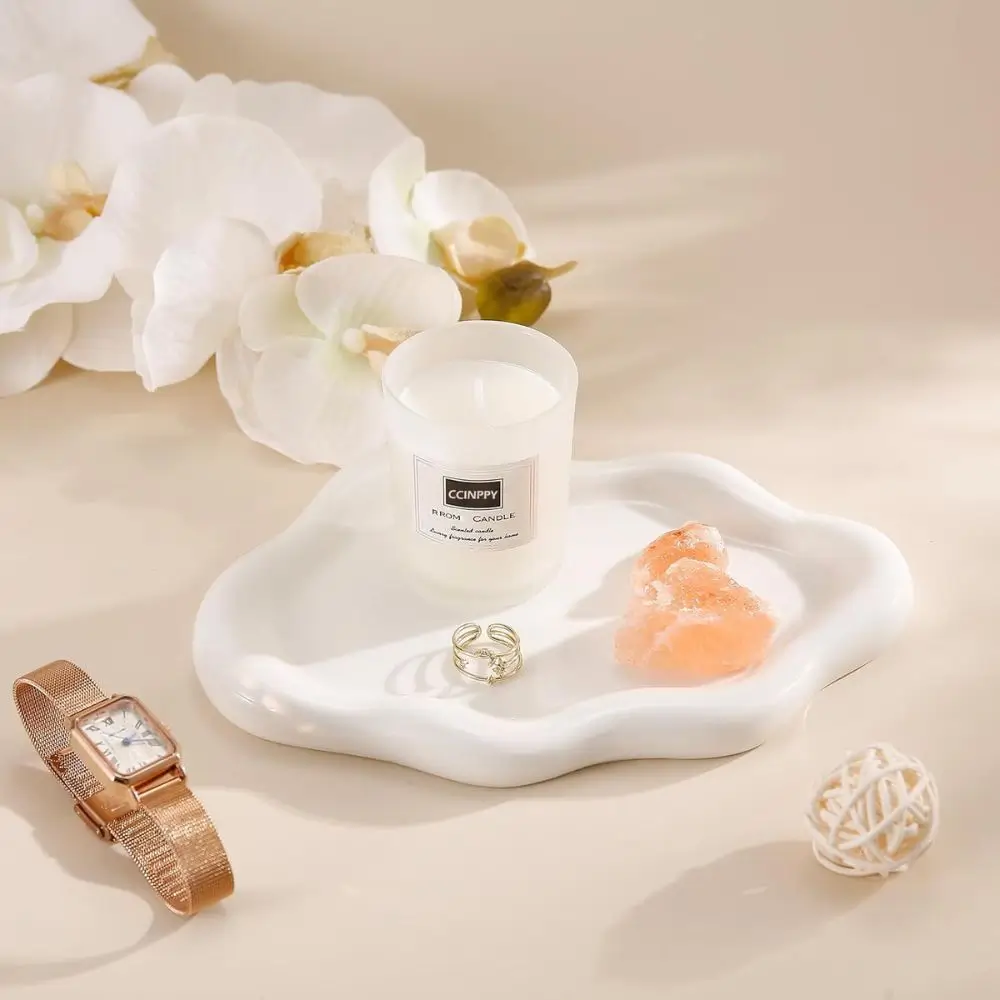
Chargers can remain nearby, while cord clips or a cable box keep the cords from spreading across the nightstand.
Clothes that gather on the chair may be telling you that the hamper is too far away or the closet is hard to use.

That pile isn’t proof that you failed at keeping the room calm.
It’s useful information about where better storage could make daily life easier.
Sometimes the things collecting on a surface point to a larger storage problem.
Good closet design begins with what you hang, fold, and reach for most.

Custom closets can be planned around the clothes, shoes, bags, and accessories you own.
Closet systems may improve an existing closet with a better mix of rods, shelves, baskets, and drawers.
I love these fabric storage baskets. I have them in my closet, and it really has given the space an entirely new look, and I can find things easier!

Walk-in closet systems can include a mirror, hamper, bench, or island when the room allows.
For a bedroom without enough built-in storage, custom wardrobes or built-in wardrobes can create one smooth wall while keeping belongings behind doors.
A storage bed may hold extra bedding or seasonal clothes without adding another chest to the room.
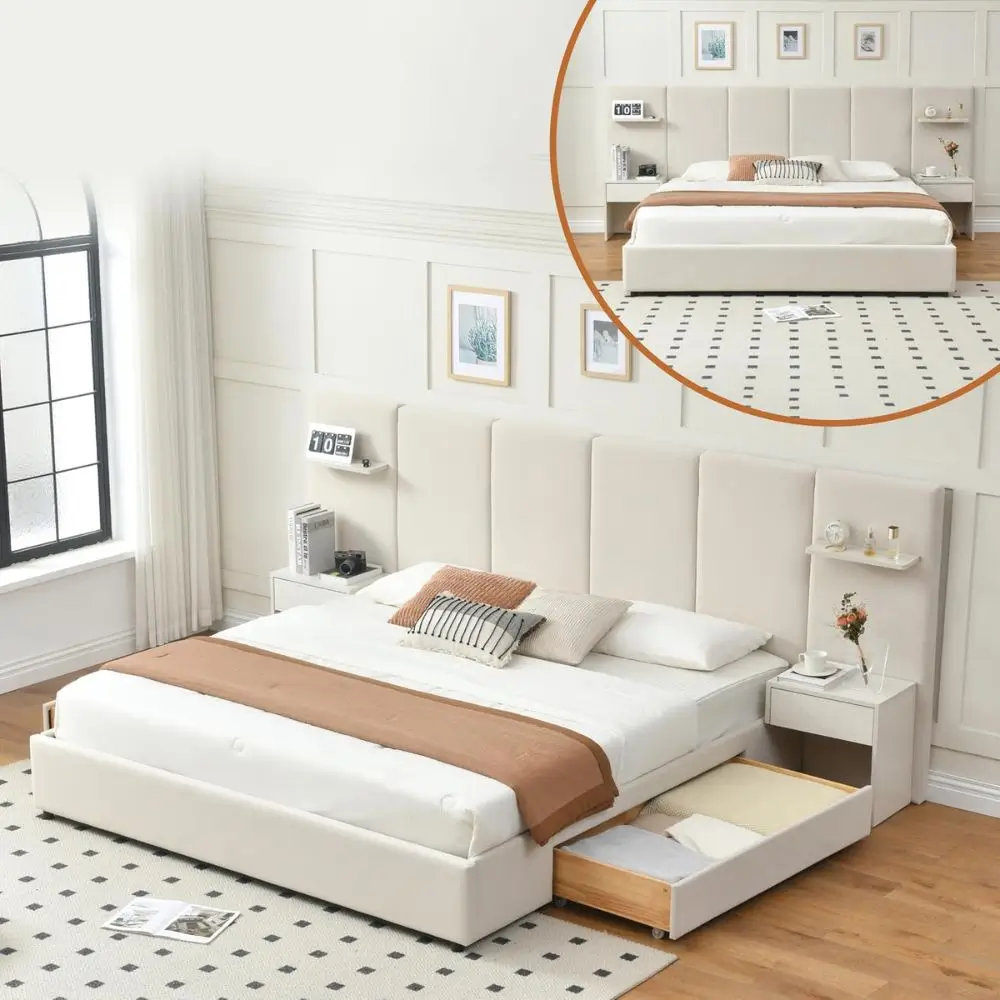
Check how the drawers open before ordering one, because hidden storage loses some of its charm when the nightstand blocks it.
Under-bed storage containers offer another option when you love your bed frame and have enough space beneath it.
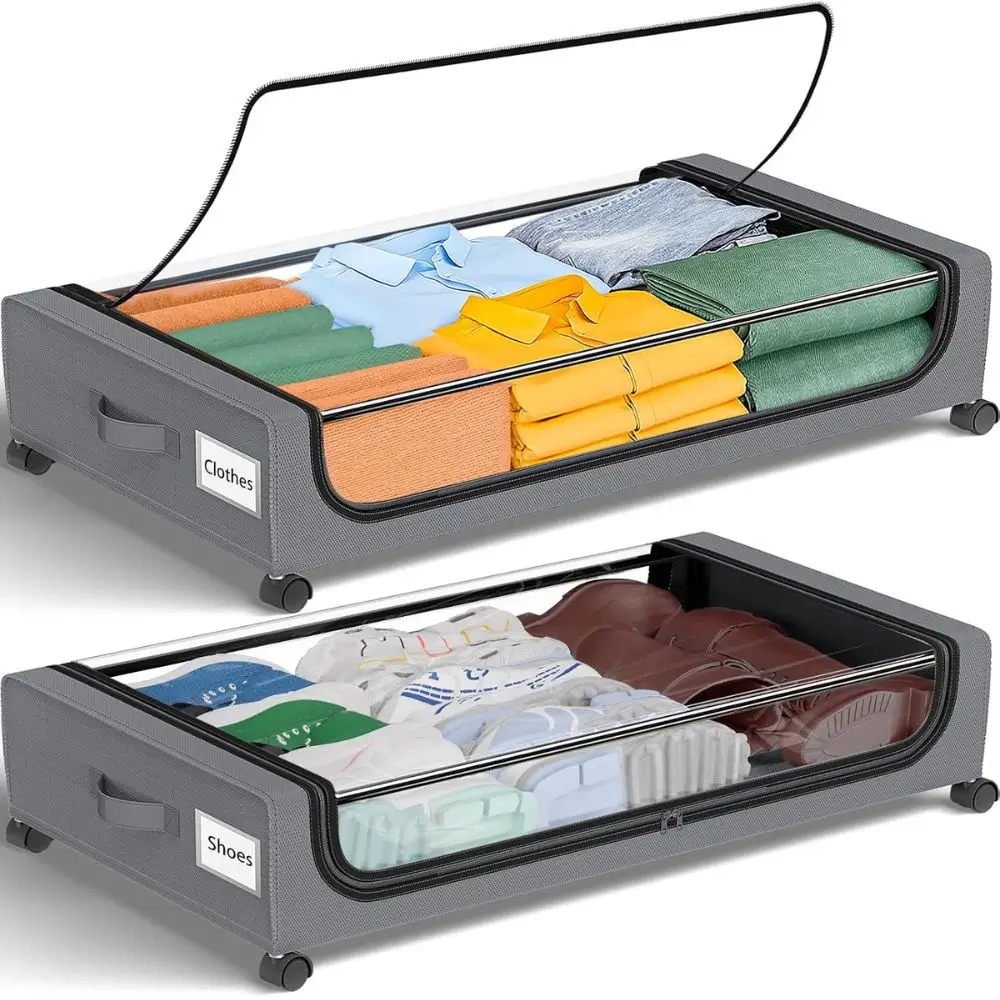
Use them for extra bedding or seasonal clothes, and measure the clearance beneath the frame before choosing the height.

My Bedroom Storage Rule of 3 can help you plan the nightstand, closet or dresser, and hidden storage in more detail.
Keep a Small Bedroom Personal but Uncrowded

A small calming bedroom can still hold color, art, books, and things you love.
It may simply work better with fewer objects spread across the floor and surfaces.
One larger picture may look better than several tiny frames scattered across the bed wall.
A tall dresser or wardrobe can use the wall height while leaving more floor open.
A skinny nightstand can fit beside the bed when space is tight and keep water, glasses, and other small items within reach.
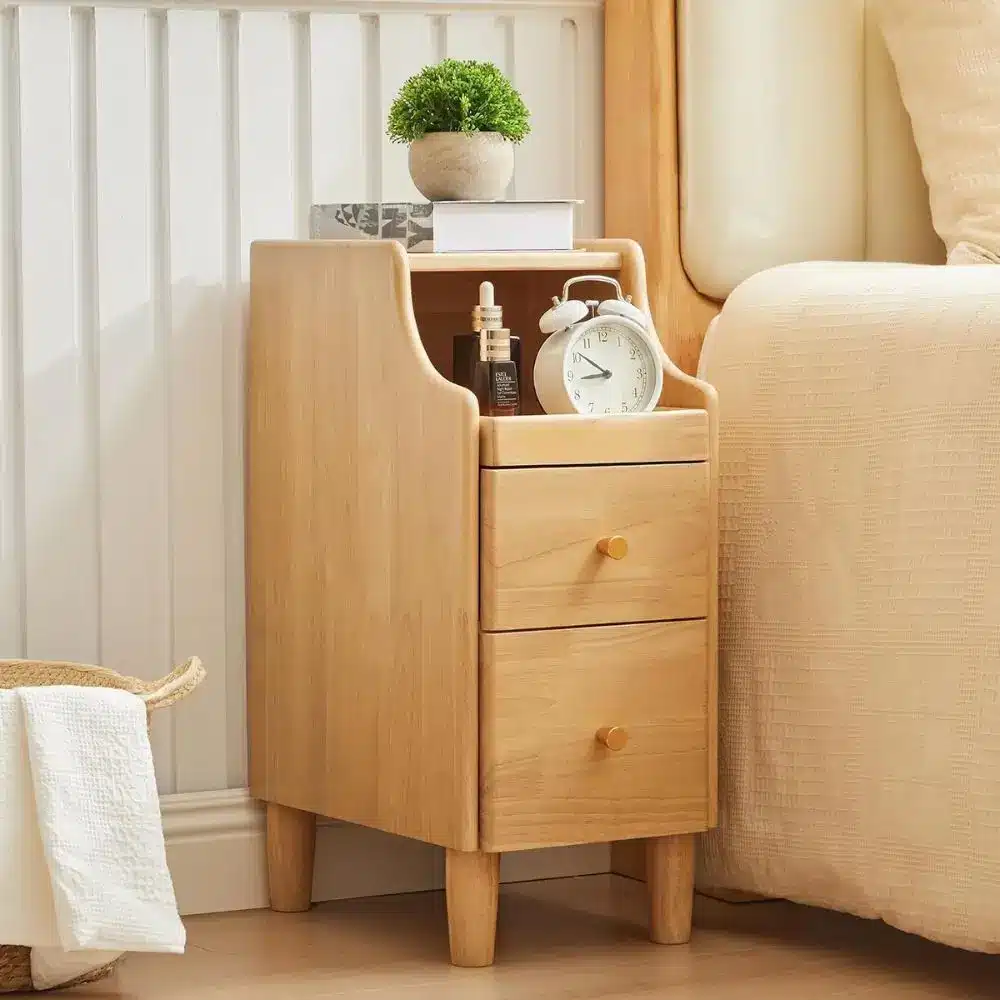
Wall sconces may clear narrow nightstands, and a storage bed can replace a separate chest when the drawers have room to open.

You might be wondering, “But Jaymie, will my bedroom look unfinished if I leave a corner empty?”
Your bedroom can look more finished when each piece has enough space around it.
Open floor space also makes a small room easier to walk through and lets you enjoy the furniture you chose.
If a chair would block the closet or turn the path beside the bed into a sideways shuffle, leave that corner open.
A calm room can still have plenty of personality, but every open spot doesn’t need another chair, basket, or decor piece.
Priority 2: Soften the Light, Noise, and Outside World

Your bedroom feels more peaceful when you can control the light, sound, and privacy.
Beautiful decor can only do so much when headlights sweep across the wall or a neighbor’s porch light shines toward your pillow.
Outside noise may become even more noticeable after the house settles down for the night.
A few practical changes can soften what reaches you from the street, nearby homes, or the rest of the house.
When the curtains close at night, your bedroom should feel like your own space again.
Watch How the Window Changes Through the Day

Look at the bedroom window in the morning, afternoon, and after dark.
An east-facing bedroom may fill with bright light early, while a west-facing window can create glare later in the day.
Sit where you read, rest, or drink coffee and notice where the sunlight reaches your face.
Next, lean against your sleeping pillows and look toward the window.
The light may feel very different from the bed than it does from the chair.
Roman shades can filter the light while keeping the window simple.

Custom Roman shades may fit better when a window has an unusual width or sits close to built-in furniture.
Cellular shades offer another option when you prefer less fabric gathered around the glass.

If the early sun wakes you long before your alarm, blackout shades may give you the darker bedroom you prefer.
Keep in mind that blackout products can also block a view you enjoy during the day.
Choose a shade that is easy to raise so you can bring the sunlight back when you want it.
Layer Curtains and Shades Around the Way You Use the Room

Curtains and shades can work together without doing the same job.
A shade can manage light and privacy close to the glass, while curtains bring softness to the wall around it.

When windows are very wide, unusually tall, or oddly shaped, custom window treatments may give you a better fit.
Custom curtains can reach the right length and give a large window enough fabric for full folds.
For a wide wall, more than one standard panel on each side may create the same full look at a lower cost.

That extra fabric lets the curtains frame the window instead of pulling nearly flat when they close.
Custom blackout curtains may work well when you want fabric alone to block more light.
Motorized shades and motorized blinds make tall windows easier to adjust from the bed or doorway.

Remote control shades can also help when furniture makes the window hard to reach.
Smart blinds may suit a home where you already use schedules for lights and other devices.
Choose the option that makes the window easier for you to use.
A fancy shade that stays closed all day isn’t doing the view any favors.
Check What the Window Shows After Dark

Privacy that feels fine during the day can disappear once the bedroom lights come on.
After sunset, turn on the lights and close the window coverings as you normally would at night.
Stand outside when you can do so safely, or ask someone to look toward the window while you walk around the room.
This After-Dark Window Check shows whether a sheer panel or light curtain gives you the coverage you expected.

No one wants to discover that the beautiful linen panel has been sharing the evening routine with the whole street.
Lined curtains, Roman shades, cellular shades, or another layer may provide the privacy you prefer.

Look at the reflections inside the room too.
A mirror across from the window can reflect outside lights toward the bed even when the glass isn’t the problem.
Changing the mirror angle or moving a lamp may solve that small irritation without replacing the window treatments.
Soften the Noise That Reaches Your Bedroom

Begin by listening for where the sound is coming from.
Traffic may come through the glass, while hallway noise slips beneath the door.
BEFORE YOU BUY SOUNDPROOFING
Is the Noise Coming Through the Door or the Wall?
Roll a bath towel and place it along the bottom of the closed door for one evening. If hallway voices or television sound less sharp, the gap is part of the problem. That clue can help you choose a door sweep or seal instead of panels for the wrong wall. Find the opening before choosing the fix.
Voices from another room can travel through a shared wall, and hard surfaces may make every sound seem sharper.
Full curtains, a bedroom area rug, and an upholstered headboard can soften some of the echo inside the room.
Noise-reducing curtains or products sold as soundproof curtains may soften some outside sounds, but fabric cannot fully soundproof a bedroom.
Sound-absorbing wood slat panels can add a beautiful accent wall while helping soften echo inside the bedroom.

A white noise machine or sound machine for sleep can make uneven sounds less noticeable.
That may include a car door closing, a dog barking, or someone watching television in another room.
Place the machine far enough from your pillow that the sound fills the room without feeling as though it joined you in bed.
Calming music through headphones or AirPods can also help you relax during the day or as you settle in at night.
I love these AirPods Pro 2! They do a great job at background noise canceling and have a ton of pretty cool features.

Keep the volume at a comfortable level, especially when the music is playing close to your ears.
If earplugs work better for you, keep a clean pair in a small case inside the nightstand.
They’ll be easy to reach when the neighborhood suddenly becomes interesting at midnight.
Make sure you can still hear an alarm or anything else you may need to notice during the night.
For a larger problem, soundproof windows may be worth researching when old or thin glass allows a great deal of street noise inside.
Acoustic wall panels can reduce echo, and many newer styles look more like wall decor than recording-studio foam.

Before buying panels, make sure echo inside the room is the sound you want to soften.
Panels won’t stop traffic noise that is entering through the window, no matter how beautiful they look on the opposite wall.
Use Softer Bedroom Lighting as Evening Arrives

Once the curtains close, the bedroom lighting becomes more noticeable.
Bedside lamps, wall sconces, and a lamp near a chair can place warm light where you read, rest, and get ready for bed.
I added this faux olive tree to my space and placed small spotlights on the floor, aiming them up through the branches.
It’s an instant transformation!
I feel like I’m in my own cozy, resort suite!

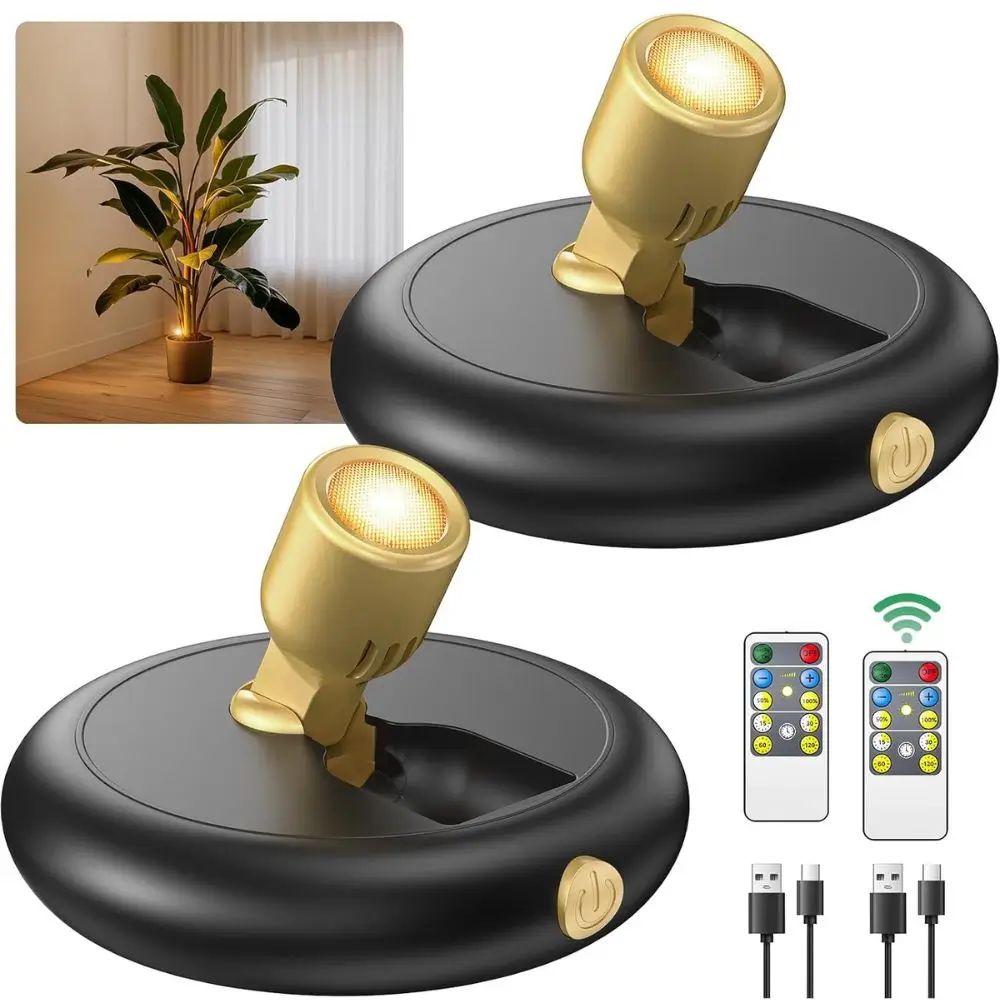
The light brings out the leaves and gives me something beautiful to enjoy after dark.
You could try this with a faux tree you love, placed where it won’t crowd the room.
A dimmable bedside lamp gives you brighter light for reading and a lower glow when you’re ready to settle in.
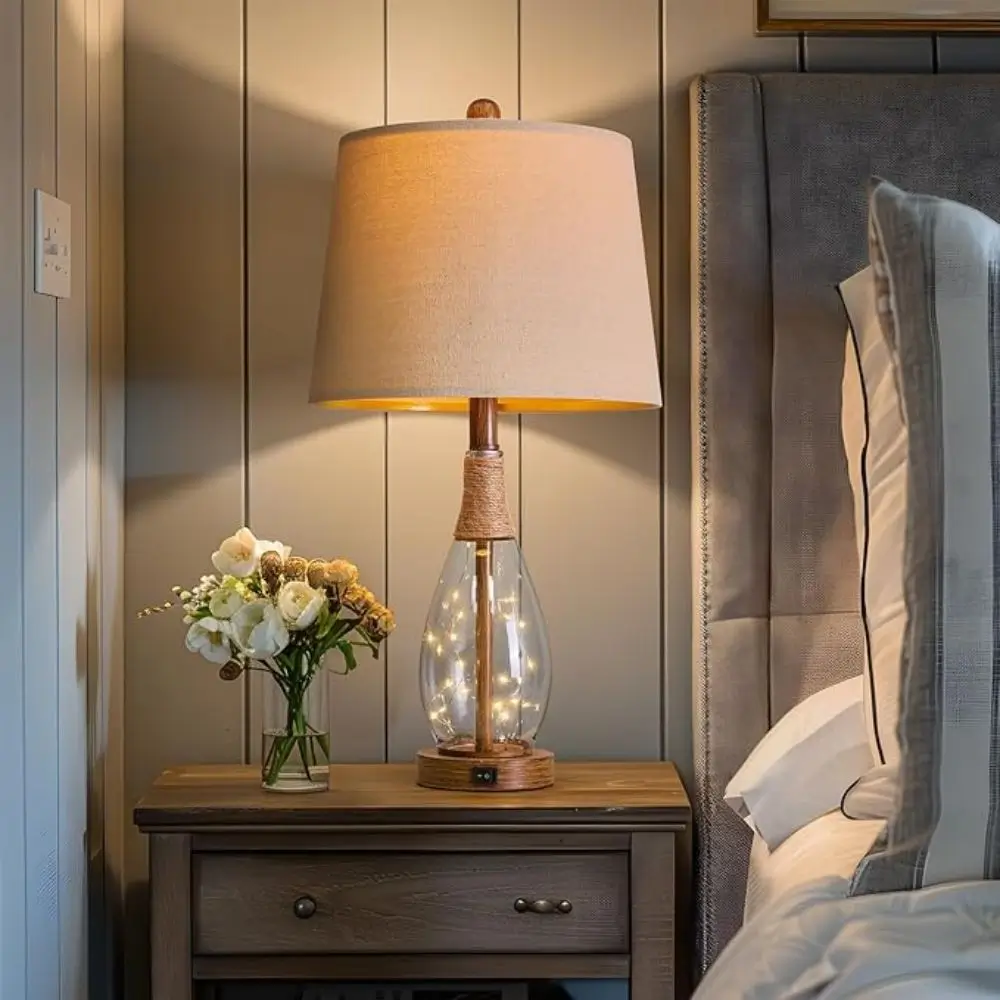
Sit against your pillows and look toward the lampshade.
At that height, the shade should cover the bulb so the light doesn’t shine straight into your eyes.
If the ceiling light makes the room feel harsh, save it for cleaning or getting dressed and use the smaller lights later.
I have this Tree of Life light, and I absolutely love it.

The glow lights up the tree inside, and I find it so calming.

Other designs are offered too, so you can choose one you love looking at.
My Bedroom Lighting Rule of 3 shows you how to combine bedside, main, and accent lighting without turning the bedroom into a lamp showroom.
The bedroom should feel easier on your eyes as the day winds down.
Priority 3: Make the Bedroom Comfortable Morning, Day, and Night

Now, pay attention to how the bedroom feels while you use it.
The bed is important, but comfort also comes from the air, temperature, floor, furniture, and everyday things within reach.
A room may look beautifully calm from the doorway, but the sheets may feel scratchy, or the fan may rattle above your head.
Real comfort happens when your feet find a soft rug in the morning, the chair feels good during the day, and the lamp is easy to reach at night.
Begin With How the Bed Feels

Pay attention to what bothers you during the night and when you first wake up.
Does the mattress still give you the comfort and support you prefer?
Are the sheets too warm, or does the duvet leave you searching for another blanket before morning?
A luxury mattress may be worth considering when your current mattress is no longer comfortable, and you’re ready to replace it.



Globan Hotel Collection Down Feather Pillow (A Splurge But Worth It)

If the mattress still supports you but feels too firm, a mattress topper may make the bed more comfortable for far less money.
A topper cannot repair deep sagging or worn-out support.
Hot sleepers may prefer a cooling mattress topper and lighter bedding.
Luxury sheets can feel crisp, silky, cool, warm, or especially soft, so choose the fiber and weave for the way you sleep.

If organic materials matter to you, compare the fiber, product details, and care directions for any organic bedding you consider.

Read the care instructions as carefully as the product description.
Beautiful luxury bedding becomes much less calming when it requires a cleaning routine you already know you won’t enjoy.
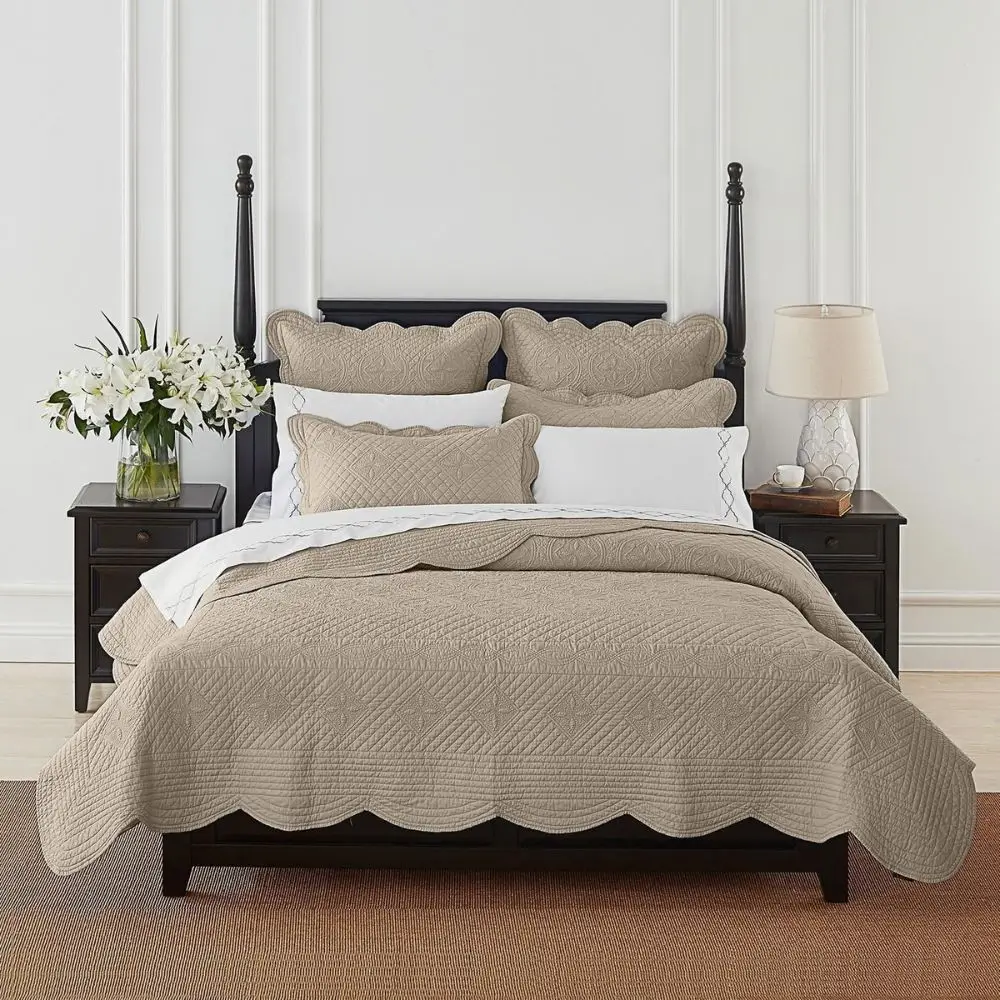
Keep the pillows that support your head and neck, then add only the decorative layers you like enough to move each evening.
If bedtime begins with relocating a small pillow department, the bed has added one more task to your day.
My luxury bedding ideas can help you compare sheets, pillows, duvet covers, toppers, and other layers in more detail.
Keep the Air and Temperature Comfortable

Temperature and air movement can change how the whole bedroom feels, even when the design looks beautiful.
A ceiling fan or quiet bedroom fan may help if you prefer more air movement.
I love being able to control this fan through Bluetooth.
It’s lightweight, too, so it’s easy to move wherever I want more air.

Check the sound rating and customer reviews before choosing one, especially if a motor hum or clicking pull chain would bother you at night.
If you’re looking for a bedroom ceiling fan, my best ceiling fans for bedrooms guide can help you compare styles, sizes, lighting, and other useful features.
An air purifier for the bedroom should suit the room size and have settings you can comfortably use while resting.
I have this, and I love how well it works and how quiet it is.

When comparing a quiet air purifier, check its sound levels and whether the display lights can be turned off.
Also find out how often the filter needs cleaning or replacement.
A machine that glows like a tiny spaceship or sounds like the kitchen refrigerator may not create the peaceful feeling you had in mind.
Dry air may lead you to consider a humidifier for the bedroom, while a damp room may feel better with a dehumidifier.
If you’re searching for the best humidifier for a bedroom, begin with the room size and cleaning instructions.
Check whether the tank is easy to remove, fill, and clean.
You’ll also want to know whether the machine adds sound or light during the night.
Follow the manufacturer’s directions for placement, cleaning, water, and use.
Leave enough open space around any machine for it to work as directed without crowding your walking path.
Make the First Steps of the Morning Feel Better

Think about where your feet touch the floor when you get out of bed.
A bedroom area rug can warm that spot while connecting the bed and nightstands.
When a large rug fits, let it reach far enough beyond both sides of the bed for your feet to find it easily.
A bedside runner can give you that same comfort when moving a heavy bed isn’t possible or the room is too narrow for a larger rug.

For a shared bed, place one runner on each side if both people want a soft place to step.
My area rug measurement guide can help you choose a size that works with the bed and walking paths.
Nightstands with drawers keep glasses, water, medication, and chargers close while leaving room for the lamp.
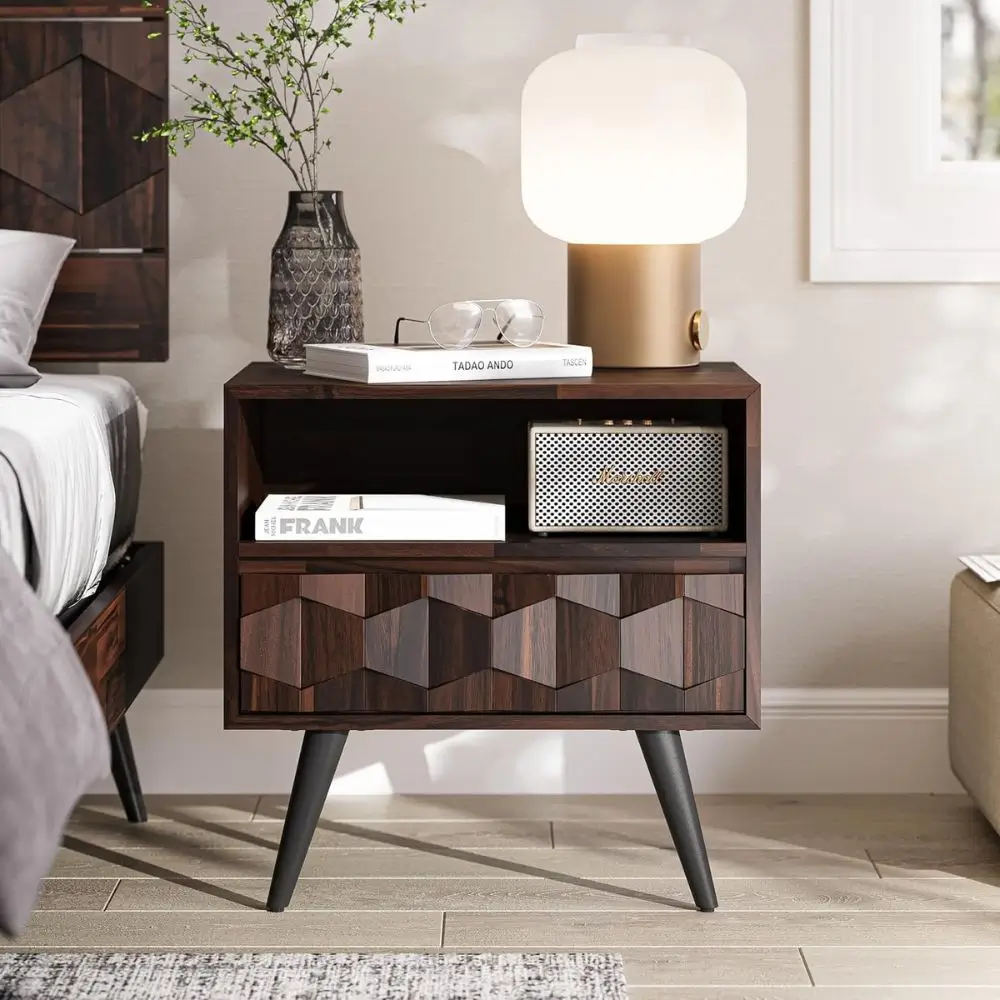
A walnut nightstand with a light woven-look drawer front can add warmth beside the bed without making the room feel dark.
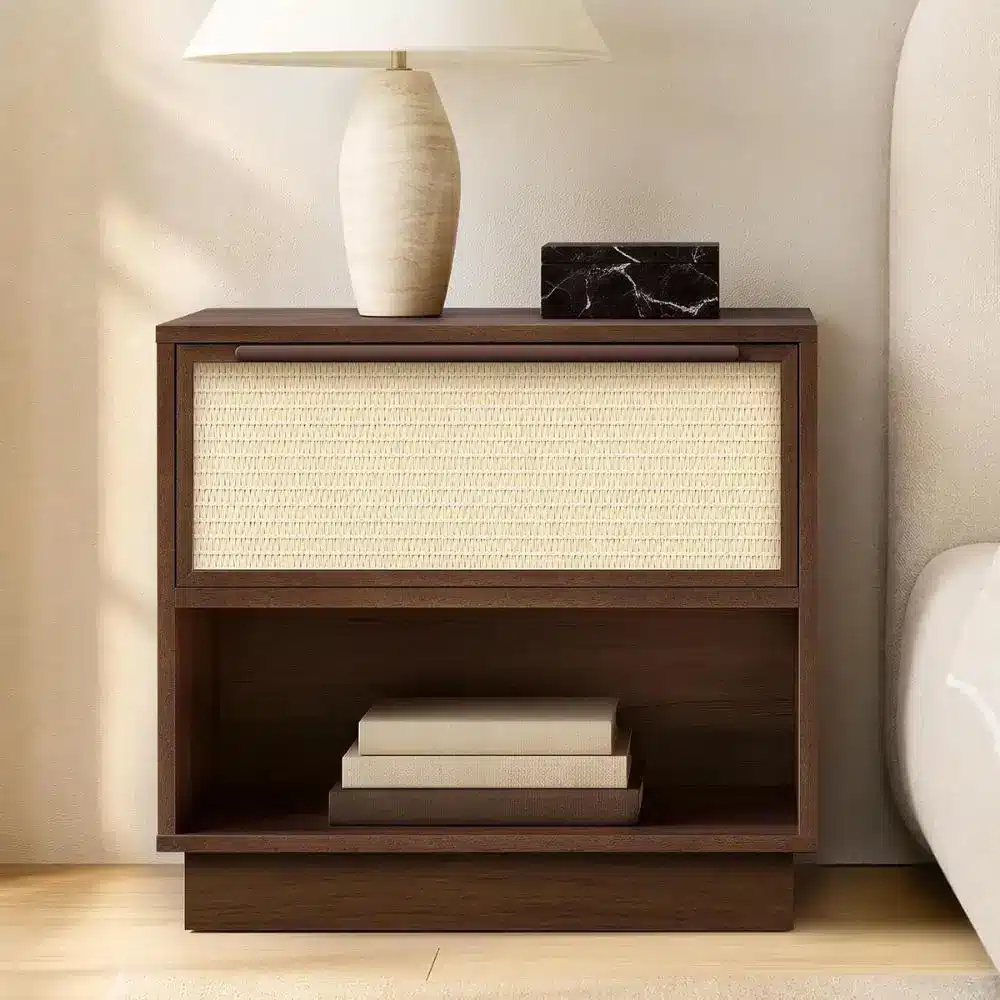
When two nightstands hold different things, similar heights can help them look connected.
Open every drawer and check the route to the closet before deciding the arrangement works.
Nobody feels especially peaceful after bumping a hip on the same corner three mornings in a row.
You May Also Like:
→ The Bedroom Storage Rule of 3 to Turn Clutter Into Calm
→ The Bedroom Furniture Rule of 3
→ 50 Bedroom Decorating Ideas This Year
Give Yourself a Comfortable Place During the Day

A calming bedroom can be a wonderful place to read, rest, or enjoy coffee before the day gets busy.
Place a comfortable bedroom chair near the window when the view or afternoon light makes you want to stay awhile.

Add a small side table for your drink or book and a reading lamp that lights the page.
In a larger room, two chairs or a window seat may create a comfortable place to talk or share coffee.

Supportive pillows can turn the bed into a daytime reading spot when another chair would crowd a small bedroom.
Enjoy your bedroom during the day, too, with a book, a cup of coffee, or a few minutes to yourself.
I find my Tree of Life light so calming, and small touches like that can make those moments feel even more wonderful.
Keep the path to the chair clear so you can reach it without steering around a bench, basket, or laundry pile.
If the chair keeps holding clothes instead of a person, move the hamper closer before deciding you chose the wrong chair.
Remove the Small Frustrations You Notice Every Day
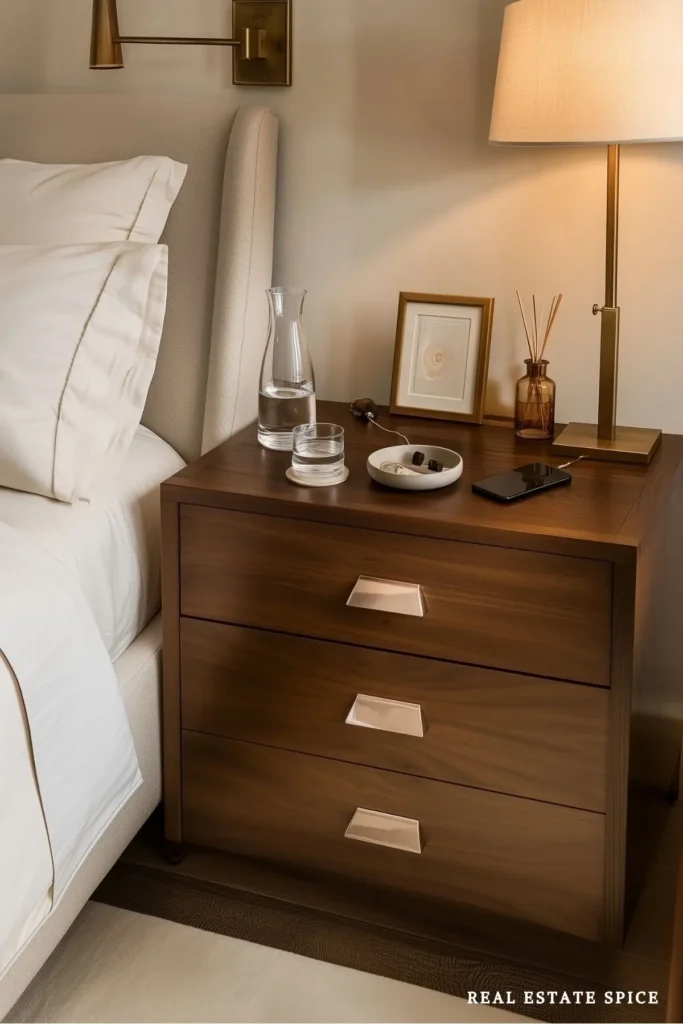
Notice what makes you reach, search, squeeze past furniture, or get back out of bed.
Maybe the lamp switch is too far away, or a dresser drawer hits the bench.
Your phone cord may fall behind the bed each night with a dedication that would be impressive anywhere else.
Start with the two things that bother you most.
Moving a lamp, adding a cord holder, or shifting the nightstand may make bedtime feel better tonight.
The bedroom feels calmer when the things you use work well and stay within easy reach.
You May Also Like:
→ The Bedroom Furniture Rule of 3
→ The Bedroom Storage Rule of 3 to Turn Clutter Into Calm
→ 50 Bedroom Decorating Ideas This Year
How the Calming Bedroom Rule of 3 Comes Together

Let’s bring the three priorities together in a bedroom that still feels like you.
Picture the room you already have, along with the colors, furniture, and personal pieces you enjoy.
From the doorway, choose the part of the bedroom you want to notice first.
It may be the bed, a beautiful view, favorite artwork, or a fireplace across the room.
Keep the other large areas a little simpler so your eyes aren’t pulled in four directions.
Give the things that collect on the dresser or nightstand a nearby drawer, tray, or basket.
Next, notice the light, noise, and lack of privacy that may follow you into the room.
Choose curtains, shades, or sound solutions that solve the problems you actually notice.
After dark, you should be able to close the window coverings, lower the lamps, and feel more separate from the street or the rest of the house.
Then, think about how the bedroom feels as you use it.
A soft rug can make the morning more comfortable, while a chair or supportive pillows can give you a place to read during the day.
If you have room, a chaise lounge chair gives you a place to stretch out with a book or put your feet up during an afternoon break.

At night, your bedding, air, temperature, and bedside items should support the way you sleep.
Your bedroom may have deep brown walls and warm wood, pale colors and white bedding, floral curtains, colorful art, or a quilt made by someone you love.
The colors and style are completely yours.
The formula works because your eyes have a clear place to begin, the outside world feels farther away, and the room stays comfortable from morning through night.
For help with the larger room plan, my Bedroom Rule of 3 shows how the bed, bedside areas, and finishing layers work together.
Create a Calming Bedroom in a Small Room or on a Smaller Budget
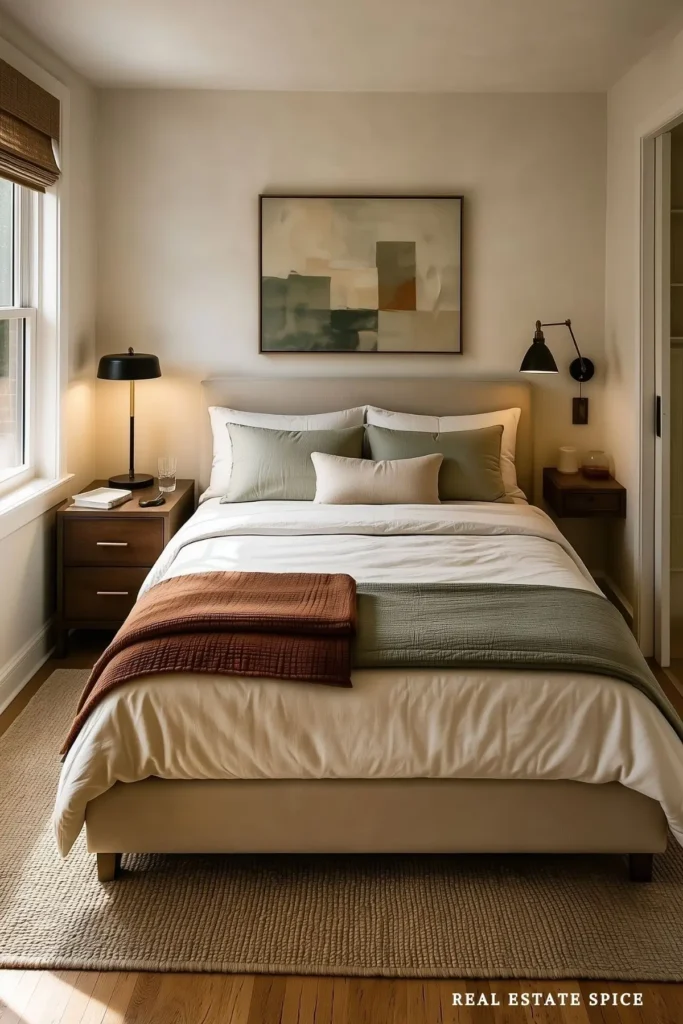
You can create a peaceful bedroom in a small room or with a smaller budget.
Begin with the change you’ll notice most often.
Clear one crowded surface and place those items in a nearby drawer, tray, or basket you already own.
Move the hamper closer to the place where clothes collect.
Try one larger piece of art above the bed instead of filling the wall with several small decorations.
When curtain panels look thin or pull flat, adding another standard panel to each side may create fuller folds at a lower cost than custom curtains.
A blackout shade or noise-reducing curtains may be worth buying when outside light or sound bothers you every night.
For a cold floor, place one bedside runner where your feet land instead of forcing a large rug beneath a heavy bed.
Plug-in or battery-operated wall sconces can free narrow nightstands, while a storage bed may help when another dresser won’t fit.

My small bedroom decorating ideas can help you use the available floor and wall space without crowding the room.
You may be thinking, “But Jaymie, won’t all of this get expensive?”
It certainly can when you try to solve every possible problem at once.
Choose the change that will make your morning, daytime break, or bedtime more comfortable.
Better privacy, softer light, a comfortable pillow, or a clear path beside the bed may improve the room more than another decorative object.
Keep the furniture and colors you still love, then spend where you’ll feel the difference every day.
A Calming Bedroom Design You’ll Enjoy From Morning Through Night

A calming bedroom can make the beginning, middle, and end of your day feel more comfortable.
In the morning, you open the curtains or raise the shade and let sunlight in when you’re ready for it.
Your glasses and water are close, while the rug gives your bare feet a soft place to step.
Later, a comfortable chair or supportive pillows on the bed give you a place to read or call a friend.
Getting dressed feels easier because the drawers open fully and your clothes have places that work for you.
As evening arrives, the curtains close, the lamps glow, and the bedroom feels more separate from the outside world.
The room still holds your favorite colors, artwork, books, and pieces you love.
Calm comes from enjoying those things without glare, scratchy bedding, piles of clutter, or a furniture corner waiting for your hip.
For more visual ideas, explore my calm bedroom designs next.
As you look through them, notice which colors, window treatments, furniture, and details make you want to stay in the room.
The best calming bedroom design gives you beauty to enjoy and comfort you can feel every day.

Tonight, close the curtains and turn the bedside lamp down low.
Set your glasses and water within reach.
Then pull back the covers and settle into the bed.
As your shoulders drop and you let out one deep, contented sigh, the outside world can wait beyond the curtains for a little while.