The Bedroom Rule of 3: The Simple Formula That Makes Any Bedroom Feel Designed

Bedrooms can feel strangely unfinished even when they already have all the obvious things. The bed is there. So is the dresser.
Maybe the curtains are up, the nightstand has a lamp, and the rug is technically doing its best.
Still, the room can somehow feel a little flat, a little mismatched, or like it got ninety percent of the way to lovely and then wandered off to answer a text.
Be sure to check out Bedroom Trends This Year and 50 Bedroom Decorating Ideas after this…
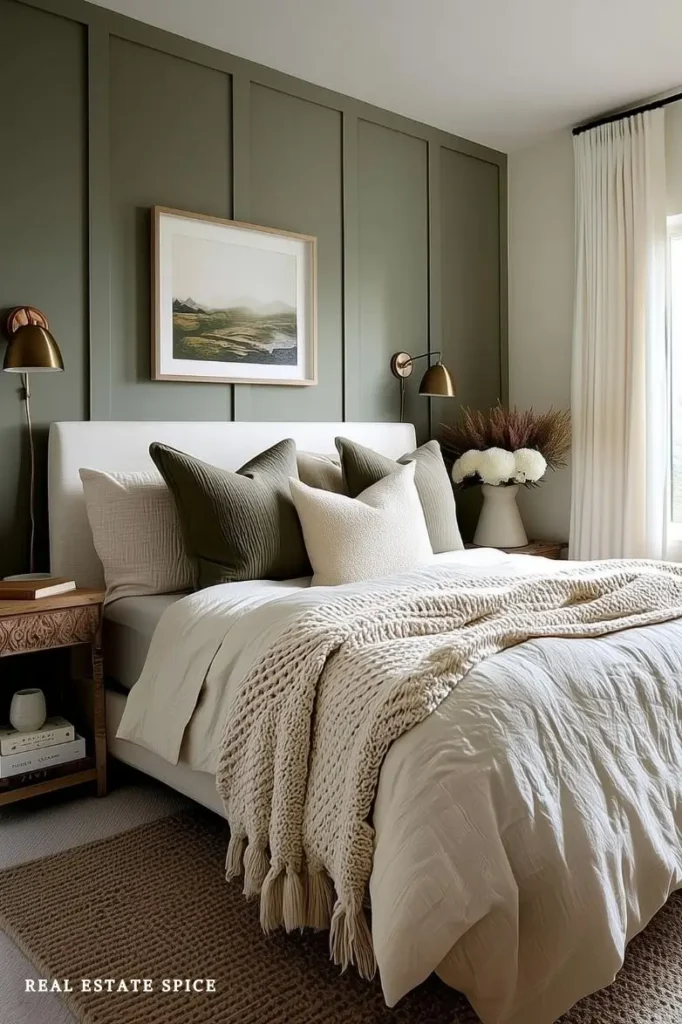
If you’ve ever scrolled bedroom ideas late at night while staring at your own room and thinking, Why doesn’t mine feel like that, you’re absolutely not alone.
A lot of bedrooms don’t need a complete makeover.
Most of them need a clearer decorating order.
That’s what the bedroom rule of 3 is for.
The formula itself is refreshingly simple.

You’ll learn about the three priorities here.
One much better room.
Once those three areas are working together, a bedroom usually stops feeling random and starts feeling intentional and a space you’ll love.
One that will be hard to leave in the morning, and you’ll look forward to when going to bed.
Even take moments when you can, to escape to it as your personal, private retreat.
Grab your favorite beverage, pen, and paper for notes; take your time to study the images, design tips, and products, and enjoy!
ps…remember to save this and come back anytime for a dose of inspo!
What Is the Bedroom Rule of 3?
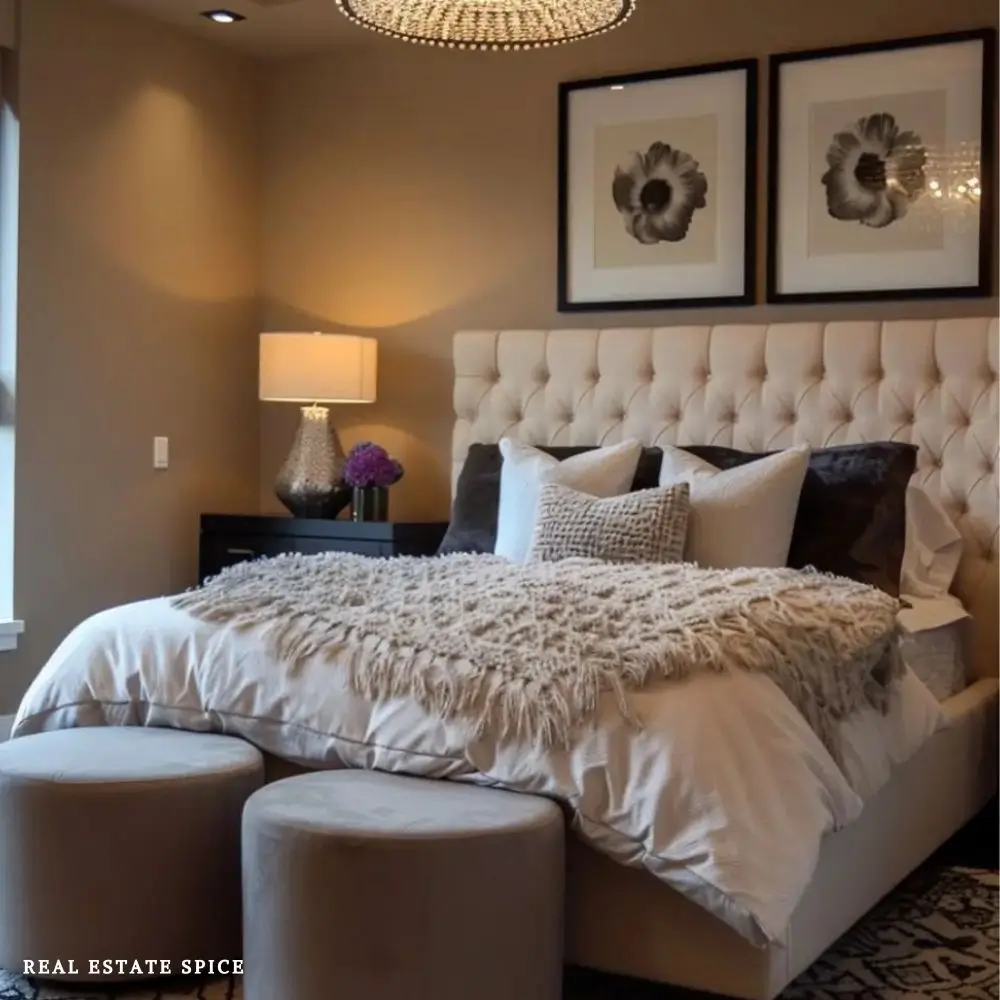
The bedroom rule of 3 is a design framework built around the three areas that do the most work in almost any bedroom.
First, the bed anchors the room visually.
Second, the nightstand and lighting zones make the room feel balanced and functional.
Third, the soft finishing layers create the atmosphere that makes a bedroom feel calm, cozy, and complete.
That sounds almost too simple, which is part of why it works.
Bedroom decorating can feel overwhelming when every single decision feels equally important.
The bedroom rule of 3 cuts through that noise by putting the room in order.
Once you know the bed is the anchor, the bedside zone is the balance, and the soft layers are the atmosphere, the whole room gets easier to read.
That’s true in a primary bedroom, a small bedroom, a guest bedroom, or a rental where you’re doing your very best with one overhead light and a lease agreement that thinks personality is suspicious.
Get My Free eBook
“100 Easy Ways To Refresh Any Room All Year Round”
Why This Simple Formula Works in Almost Any Bedroom

It gives the room a natural hierarchy
A bedroom feels more designed when your eye knows where to go first, second, and third.
That’s really what a good room does.
It guides your attention without you having to think about it.
The bed is usually the largest object in the room, so it naturally wants to lead.
Nightstands and bedside lamps help frame that lead and make it feel stable.
Then the softer layers, like rugs, curtains, throw pillows, throw blankets, and wall decor, make the room feel finished rather than merely furnished.
If you want the room to feel more elegant and polished, the Luxury Bedroom Rule of 3 will help you connect the backdrop, furniture, and comfort in one simple plan.

Without that hierarchy, bedrooms often feel a little fuzzy.
The furniture exists, but the room doesn’t have a clear visual rhythm.
A tiny lamp can feel lost beside a tall headboard, and even a nice rug can look disconnected if the bed never becomes the real center of the room.
It makes decorating less emotional and more practical
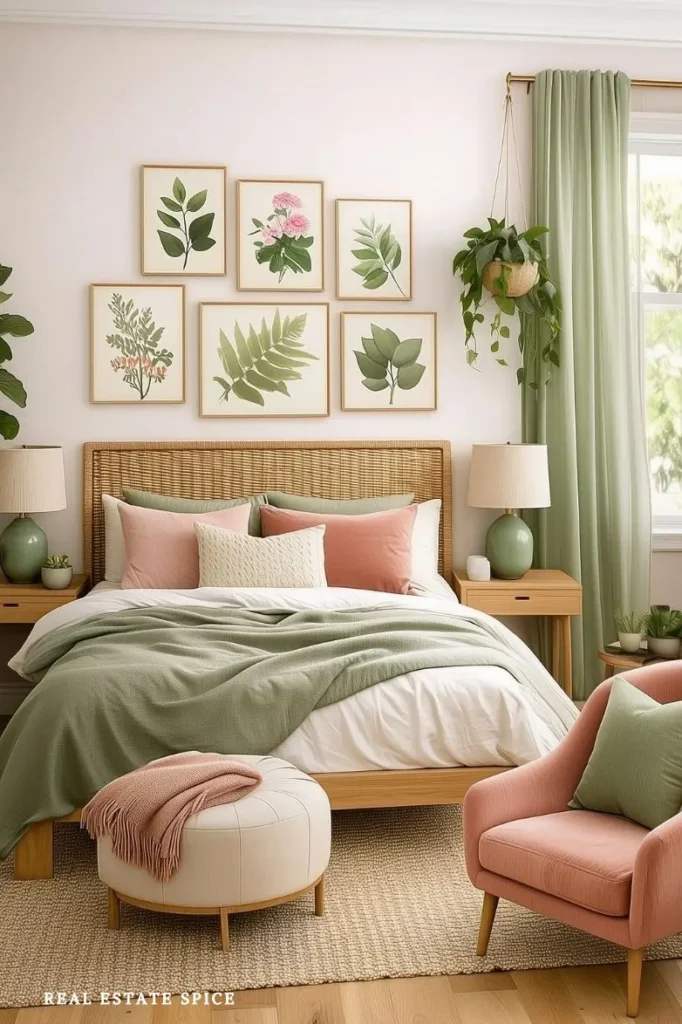
One of the nicest things about the bedroom rule of 3 is that it calms the decorating process down.
You don’t have to solve everything at once.
Nor do you need to buy twelve things because the room feels “off” in some vague way.
You can simply ask whether the bed is anchoring the room, whether the bedside zones are balanced, and whether the soft layers feel complete.
In a master bedroom, my Master Bedroom Decorating Rule of 3 helps you balance the ceiling, walls, bed area, and floor in one simple plan.



Globan Hotel Collection Down Feather Pillow (A Splurge But Worth It)

The same structure works across room styles and room types
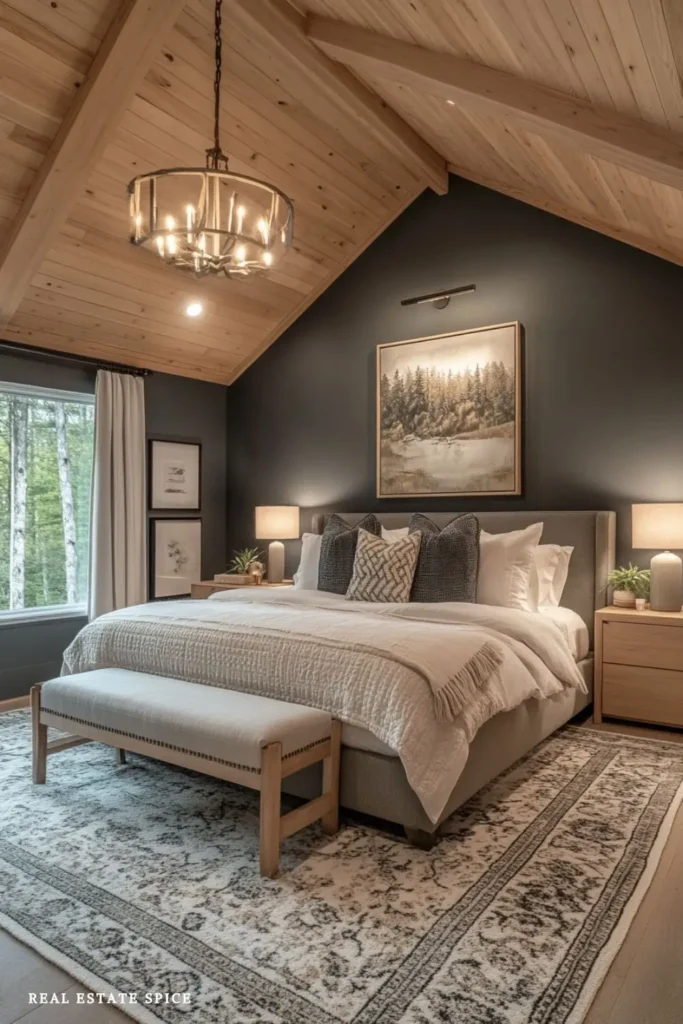
A neutral bedroom can use this formula.
My Neutral Bedroom Design Rule of 3 shows you how to mix warm and cool neutrals, add light-to-dark contrast, and tie everything together with pattern or wall art.
Cozy bedrooms can use it.
Calm bedrooms can use it.
Guest bedrooms can use it.
Master bedrooms can use it too.
The details shift, but the structure stays sturdy.
If two people share the room, the Bedroom Rule of 3 for Couples will help you choose one shared direction, make room for each person’s comfort, and plan around different routines.
That’s why this framework supports your deeper bedroom articles so well.
If you feel your bed is the weak spot, head over to bedding ideas for a cozy and stylish bedroom.
Meanwhile, if your room needs more personality on the walls, above-the-bed decor ideas and bedroom wall decor ideas are natural next reads.
When the whole room needs a broader reset, how to decorate a bedroom that’s perfect for you is the right follow-up.
If you prefer a room with fewer, stronger choices, my simple bedroom interior design guide shows how color, furniture, bedding, lighting, and decor can work together beautifully.
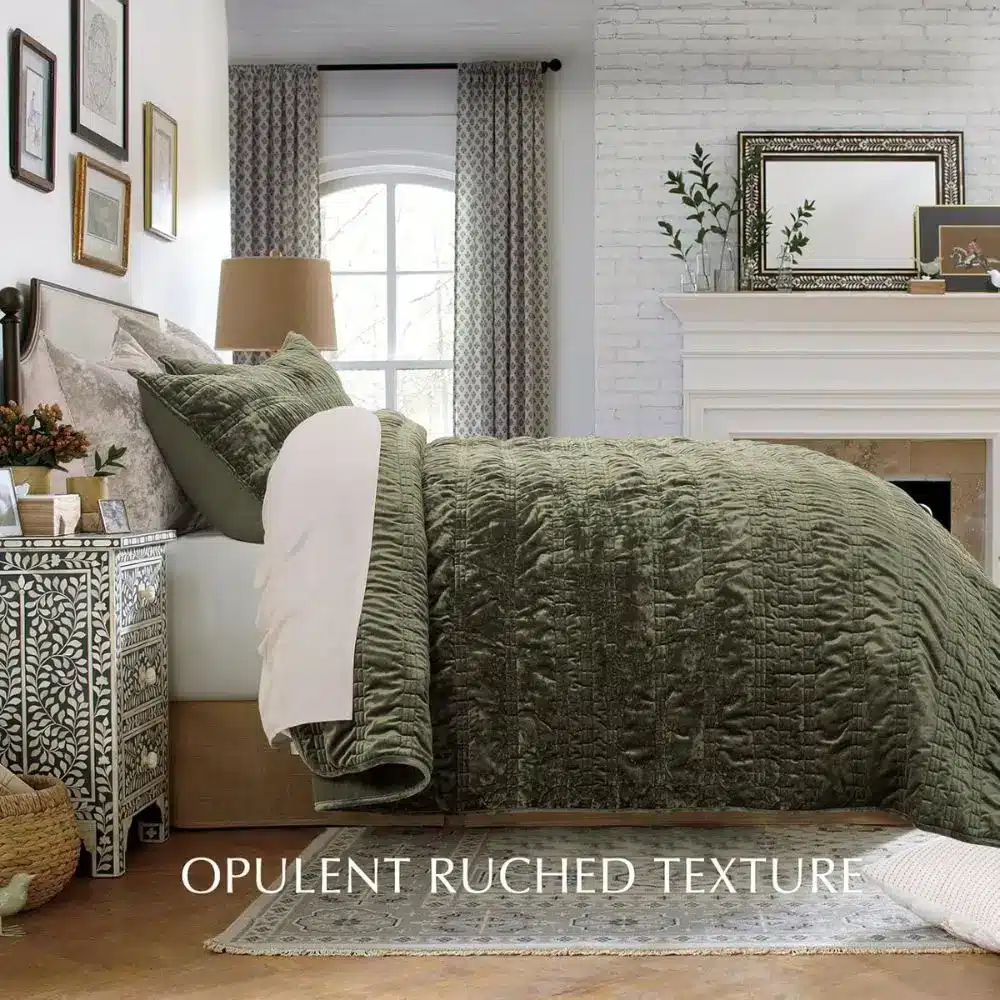
Priority 1: Anchor the Room With the Bed
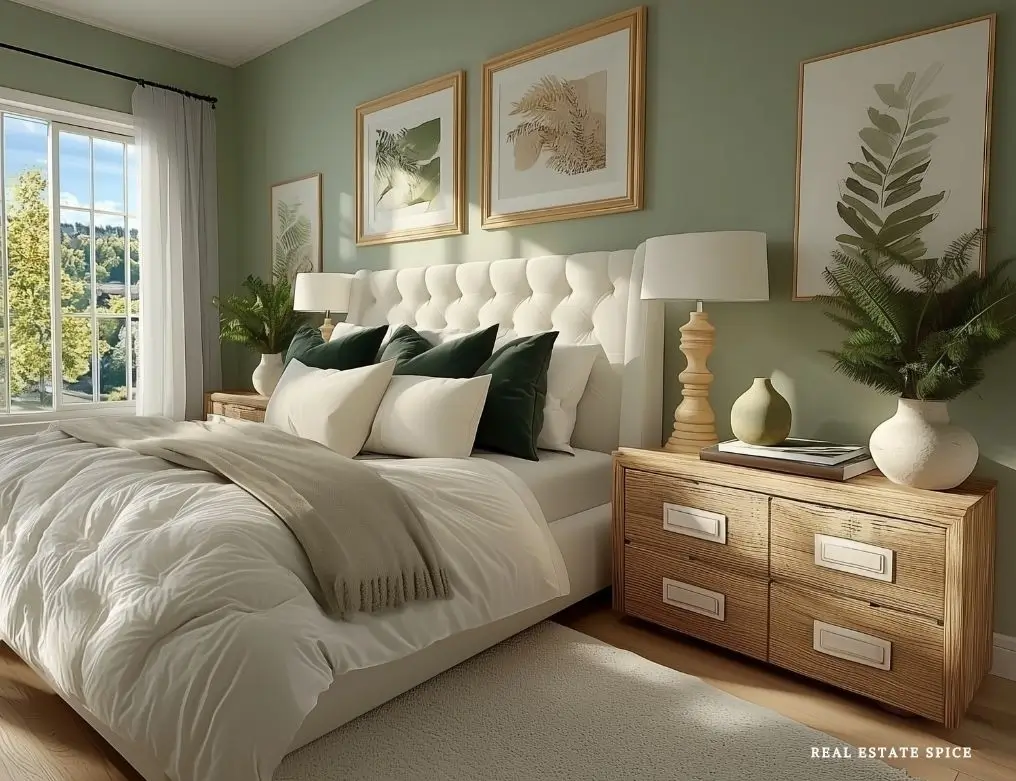
The bed sets the tone whether you mean for it to or not
The bed usually sets the tone for the whole bedroom, which makes it the easiest place to create a quick design win.
It’s usually the largest piece, it takes up the most space, and it’s the thing people notice first.
That means the bed is already doing the job of anchoring the room.
The only question is whether it’s doing that job well.
A well-styled bed makes the entire bedroom feel more intentional.

By contrast, a bed that feels undersized, awkwardly placed, flatly made, or disconnected from the wall behind it can make even a beautiful room feel unfinished.
That’s why the first bedroom rule of 3 priority is about the bed itself, not just the bedding.
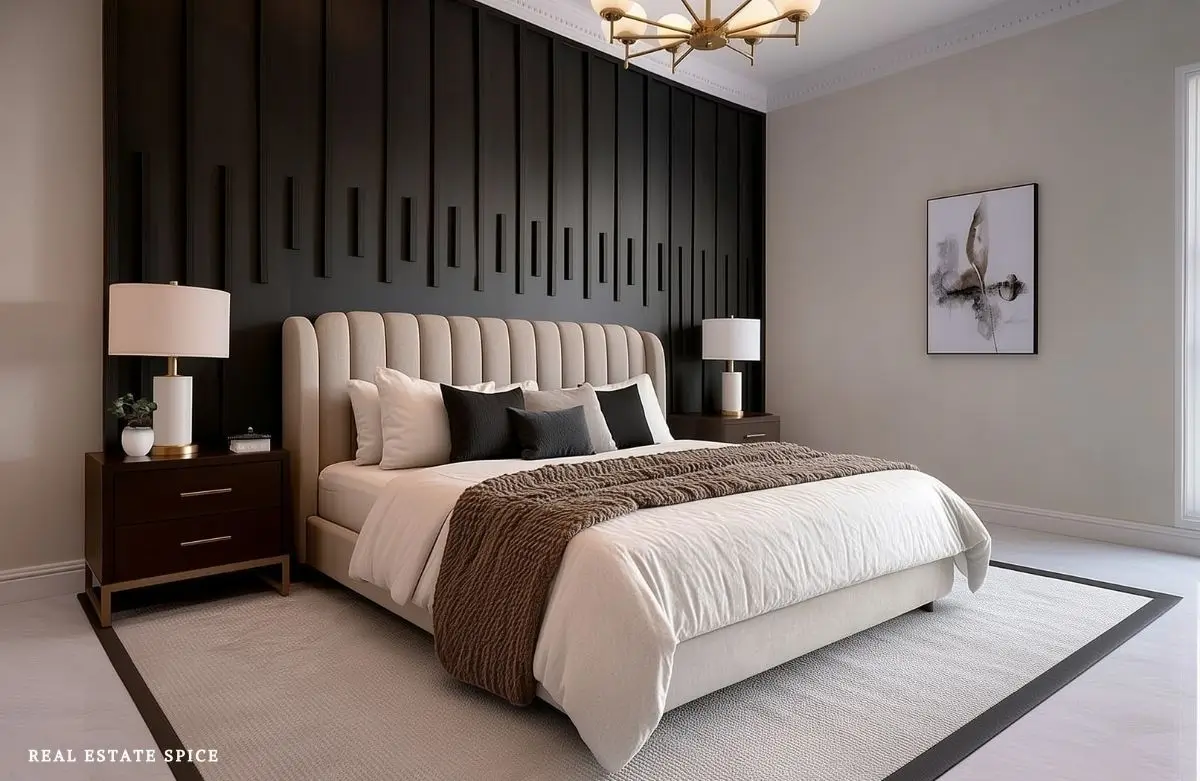
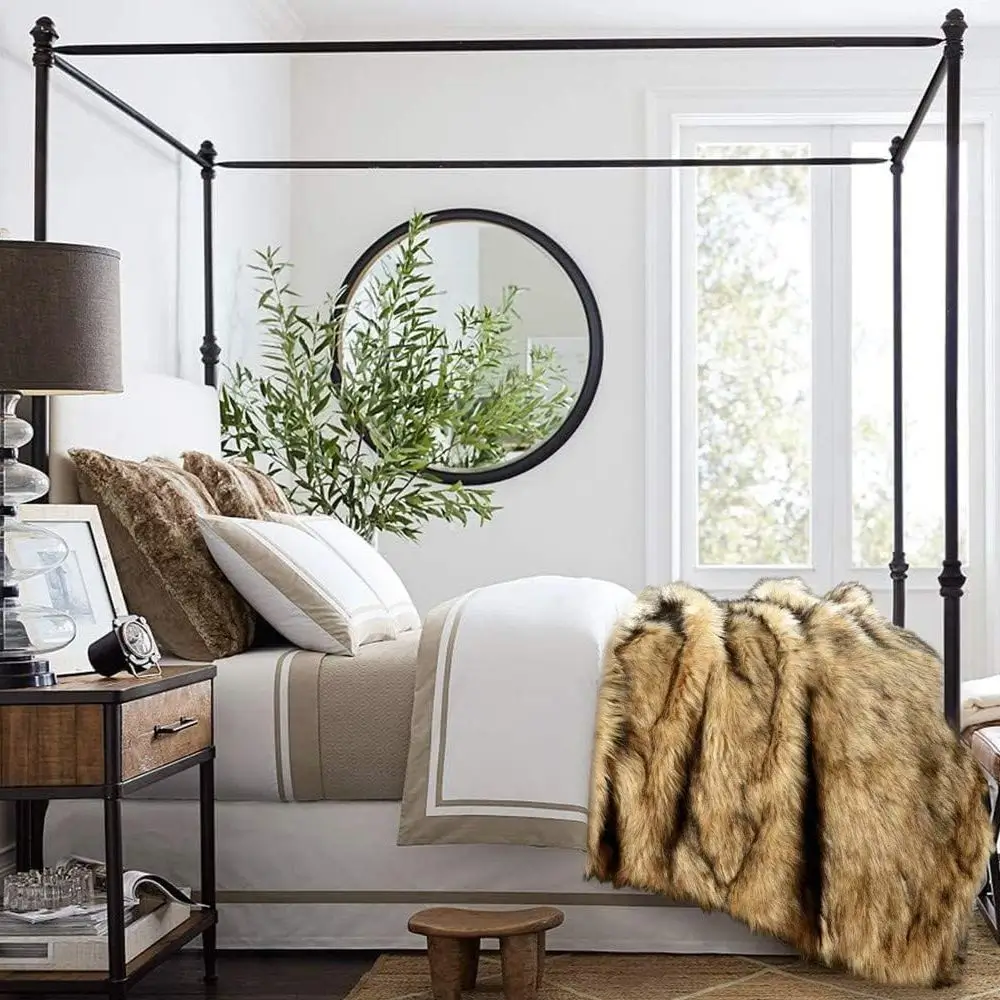
The bed frame, the headboard, the wall behind the bed, and the bedding all work together to create the visual anchor of the room.
Start with the bed frame and headboard

A bed frame gives the room its first real signal about style.
A slim black frame says something different than an upholstered bed with a soft headboard.
Meanwhile, a warm wood bed suggests something else entirely.
If your bed has a modern look, my Modern Bedroom Design Rule of 3 will help you carry that style through the furniture, colors, and lighting.
Storage beds can be especially useful when bedroom storage is a challenge, but they need to feel proportional to the room, especially in a small bedroom.
The headboard deserves more credit than it gets because it helps the bed feel complete.

A bedroom without one can absolutely still look good, but the bed usually has to work harder through bedding or wall decor to create the same anchored feeling.
In contrast, a headboard gives the eye a clean, intentional stopping point and helps the wall behind the bed feel more purposeful.
Bedding is what turns a bed into a real anchor
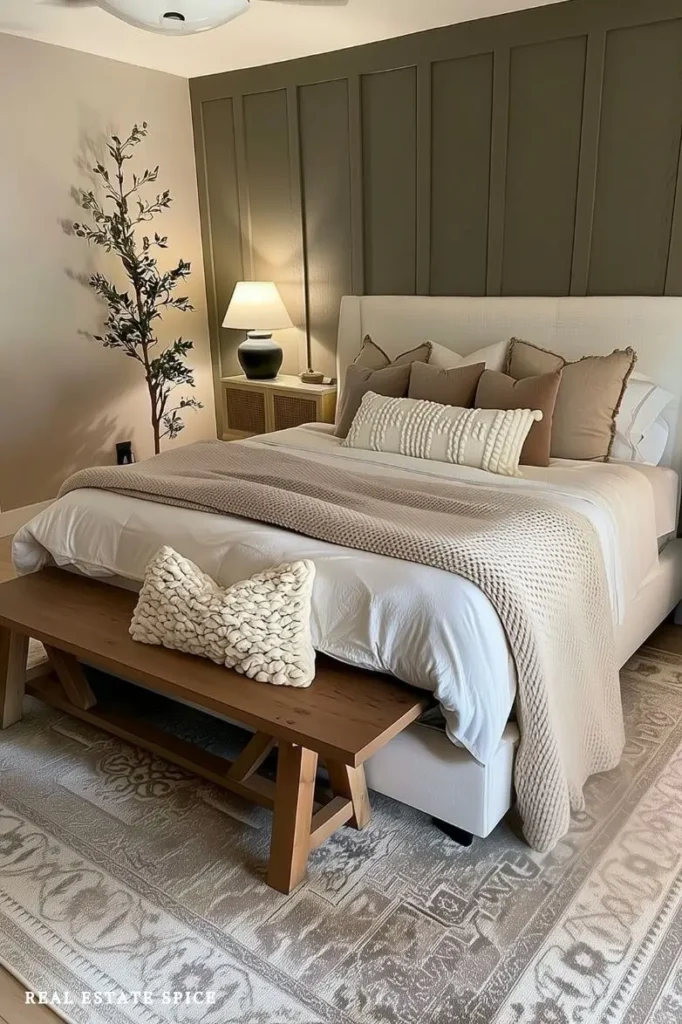
Once the frame is doing its job, the bedding takes over.
This is where a room can start feeling styled instead of merely slept in.
Layered bedding doesn’t have to mean fussy bedding.
Globan Hotel Collection Down Feather Pillow (A Splurge But Worth It)
It just means enough pieces, texture, and proportion that the bed looks considered.
A duvet or quilt, a coverlet or blanket, properly sized sleeping pillows, maybe one or two accent pillows, and a throw blanket at the foot of the bed can go a long way.

Many people think the solution is buying more pillows than any reasonable person wants to move each night, but that usually isn’t the answer.
Better layering matters more than more layering.
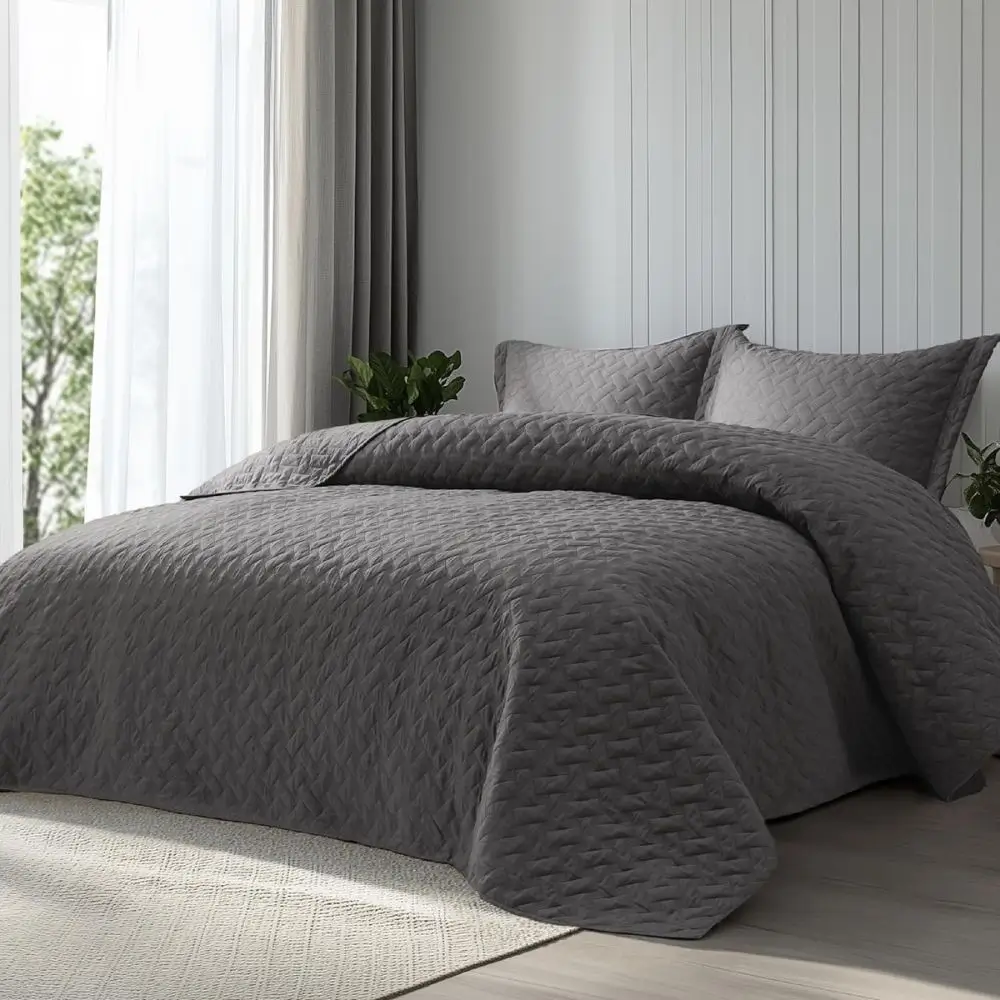
Cozy bedding comes from softness, proportion, and texture.
Don’t ignore the wall behind the bed

The wall behind the bed is part of the bed zone, not a totally separate decorating issue.
A strong headboard may need very little additional help.
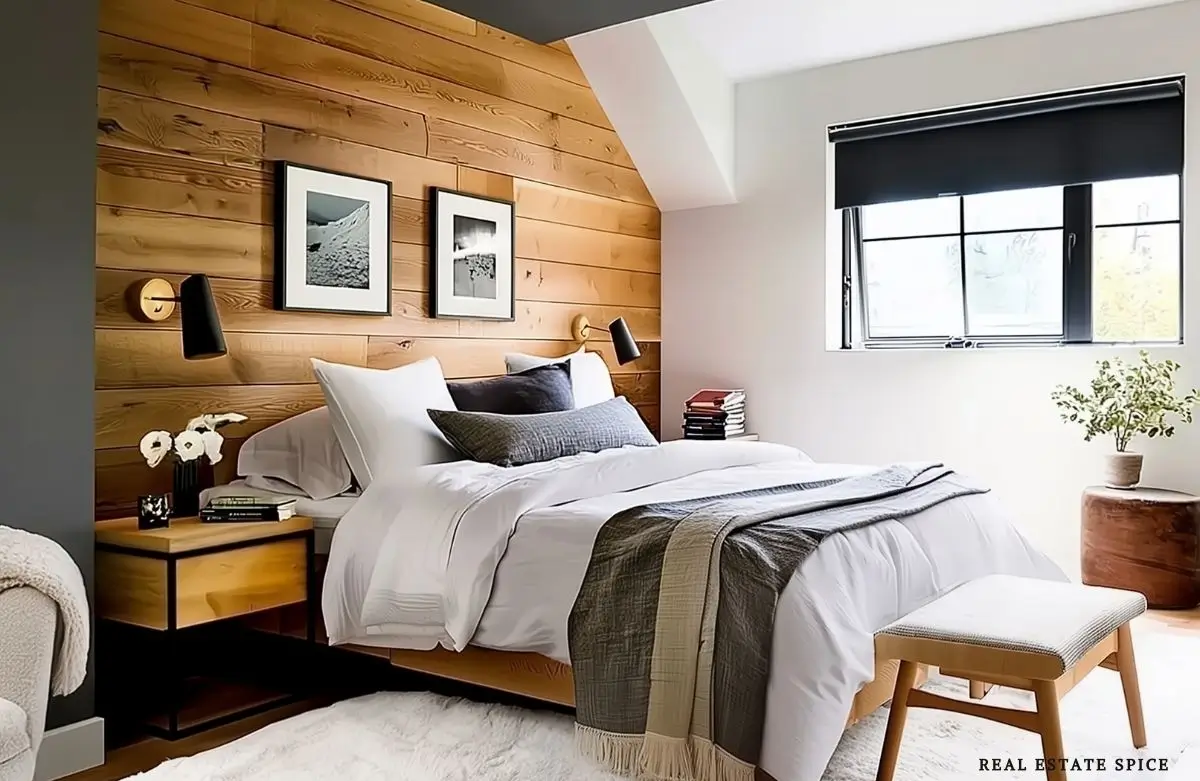
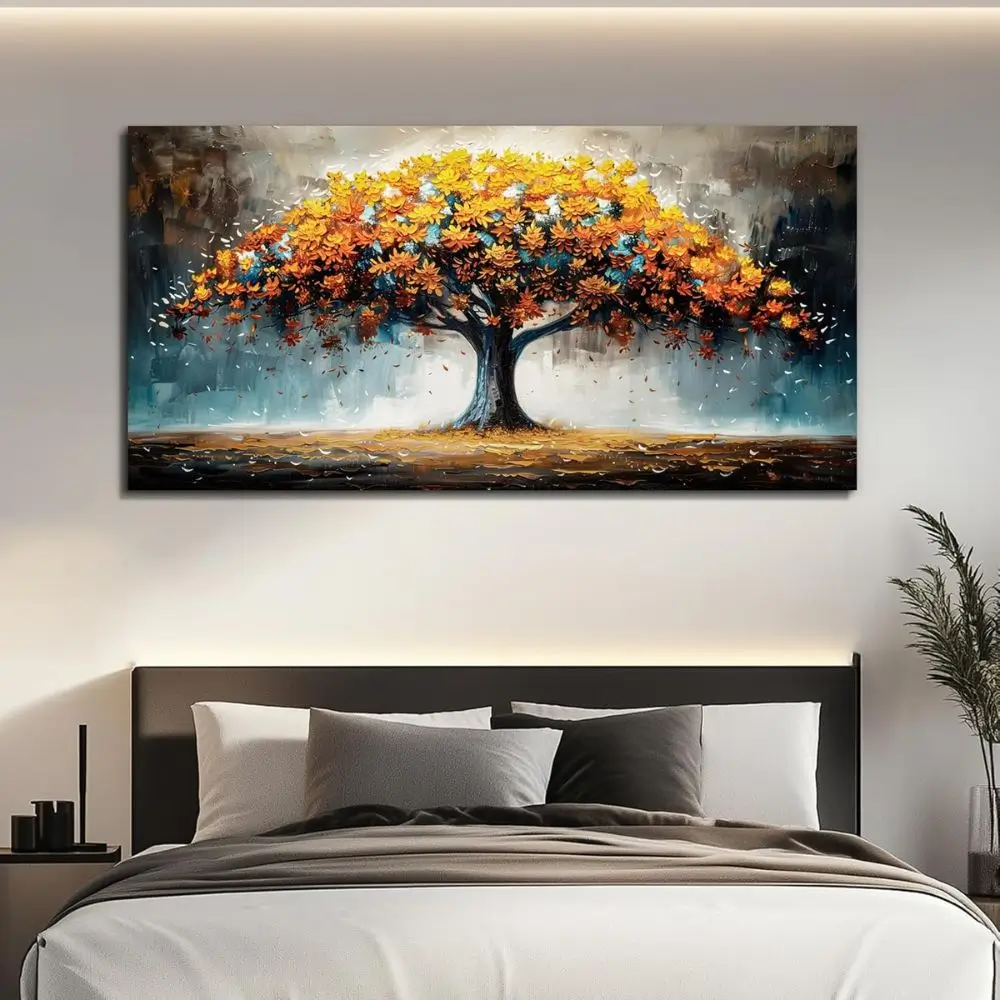
Meanwhile, a simpler bed may want one larger piece of art, a mirror, or a subtle grouping that helps the bed feel fully integrated into the room.

The bed should feel like the room’s anchor, and the wall behind it should help frame the space without competing too much or feeling like an afterthought.
Priority 2: Balance the Nightstand and Lighting Zones

These zones make the room feel stable and functional
Once the bed feels pulled together, the next layer is what happens around it.

That’s where nightstands and bedside lighting come in.
They frame the anchor, make the room feel calmer, and stop the bed from looking like it was placed in the room without a plan for daily life around it.
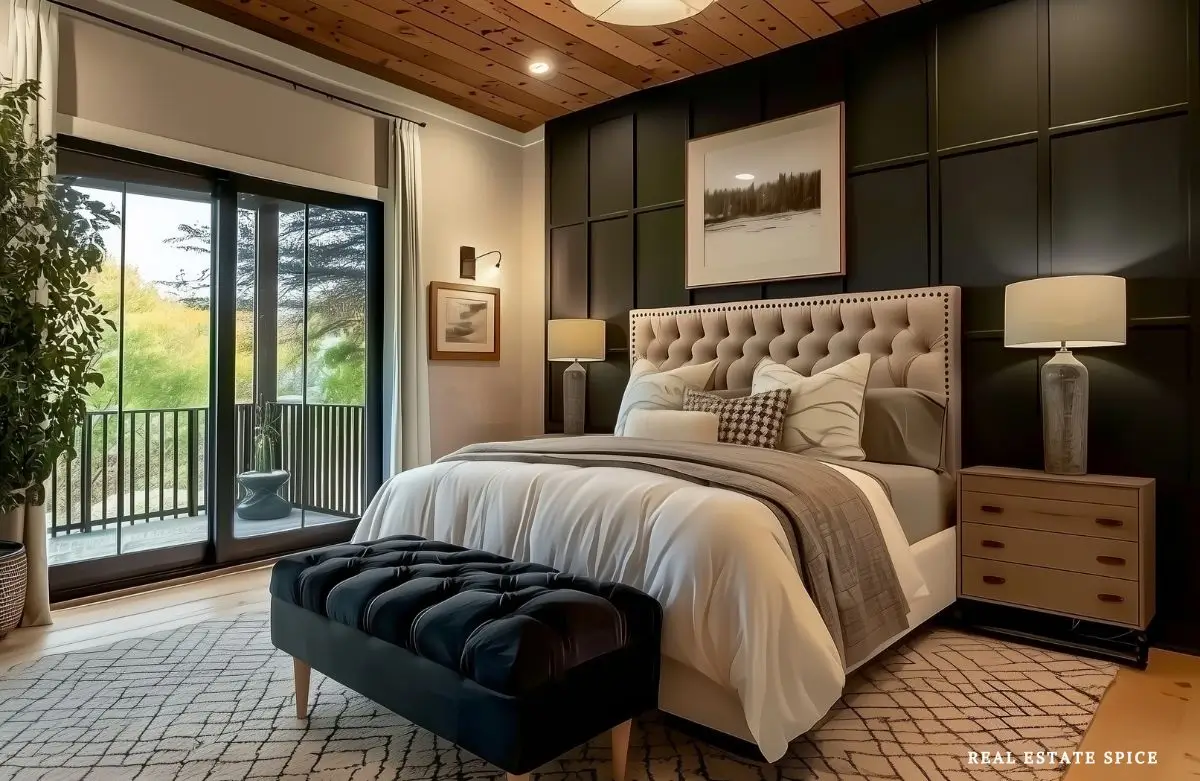
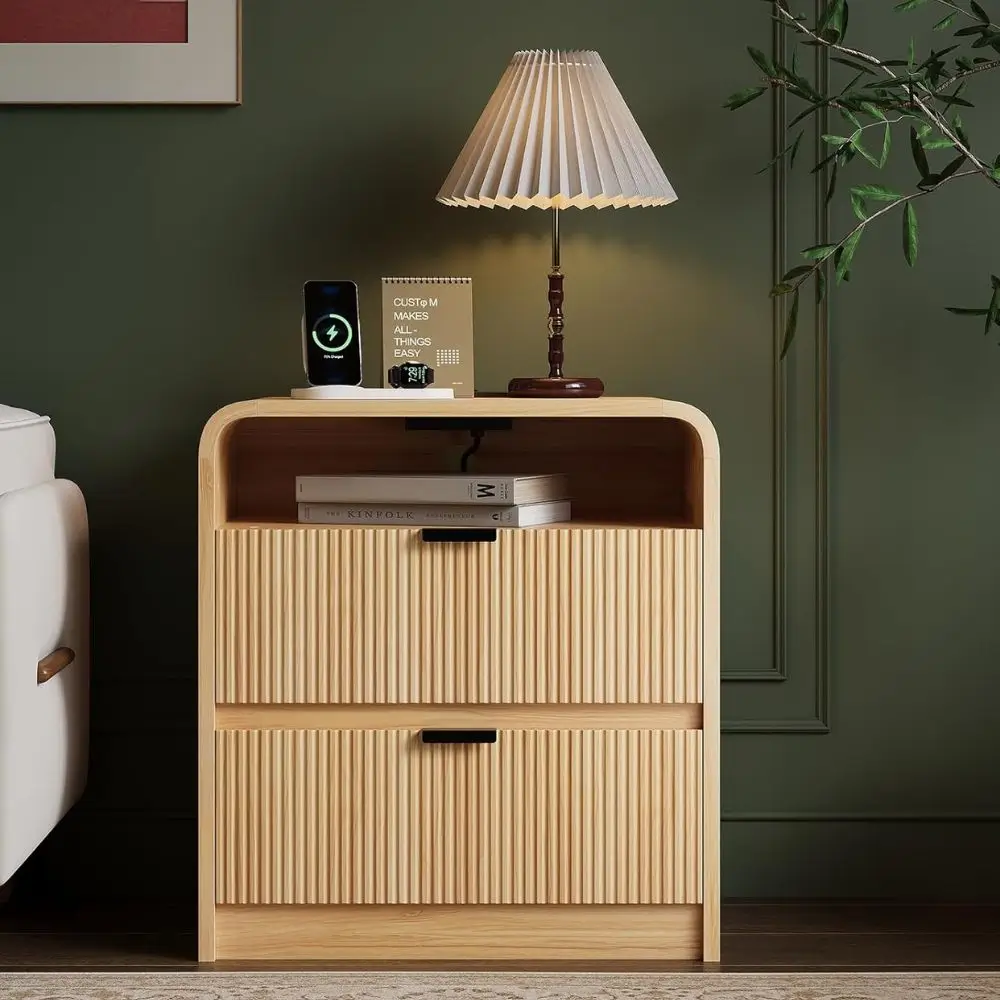
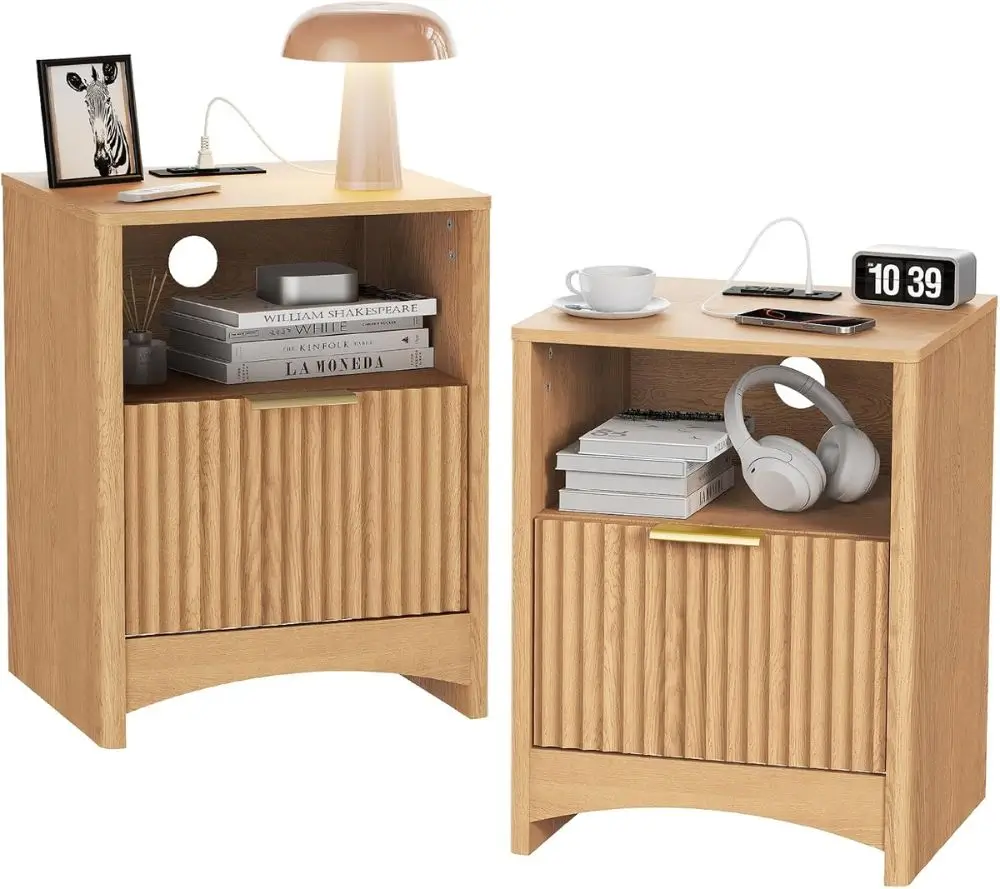
Nightstands don’t have to match perfectly, but they should feel like they belong in the same room and are at least on speaking terms.
Maybe they’re the same shape in different finishes.
Sometimes they’re matching nightstands with slightly different lamps.
In other rooms, the look is more eclectic, but the scale and style still need to make visual sense together.
Choose bedside lighting that feels proportional

Bedroom lighting matters much more than people think because the bedside zone is one of the places where function and mood have to cooperate.
A tiny lamp can look strangely apologetic next to a tall headboard.
An oversized lamp can dominate a small nightstand and make the whole side of the room feel lopsided.
Wall sconces, plug-in sconces, bedside lamps, and table lamps can all work beautifully, but the size and height need to feel right for the bed and the room.
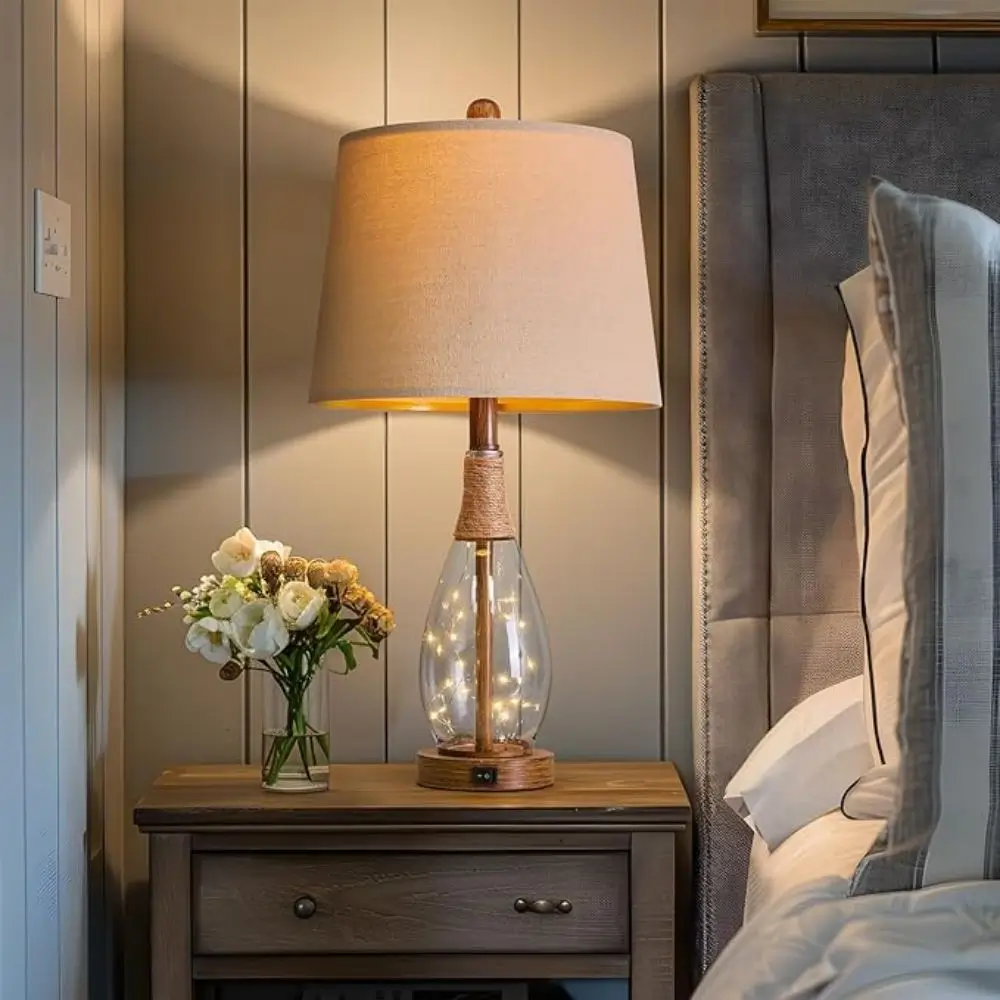
Those wall sconces are especially useful in smaller bedrooms because they free up surface space and make the room feel a little more tailored.


Table lamps are wonderful when you want softness and shape on the nightstand itself.

Dimmer-friendly lighting is always a nice move if the room feels harsh at night.

Here, the point is balance.
The bed shouldn’t feel like it’s carrying all the visual weight by itself.
Keep the nightstand surface useful, not chaotic
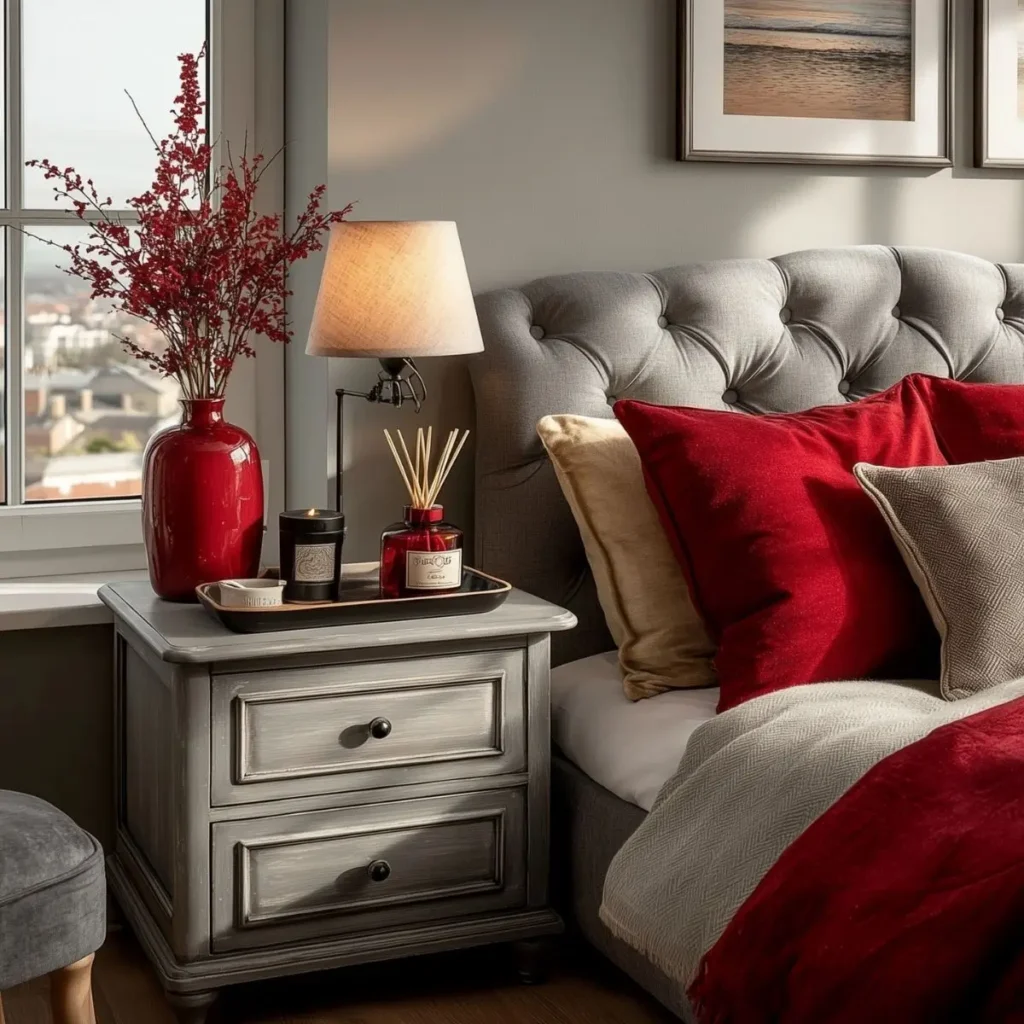
A nightstand should look lived in, but not like it’s holding evidence from a very long week.
The best nightstand styling is usually a mix of useful and beautiful.
A tray can corral little things.
Then a book or two adds warmth.
Even a small plant softens the surface.
Framed art can work beautifully if it doesn’t compete with the lamp.
A coaster, a candle, or one personal object can give the space character.
What you don’t want is a nightstand that becomes a junk drawer with no drawer.
Too many objects create visual static fast, especially in a calm bedroom.
A nightstand with a drawer can be a tiny sanity-saver because it gives all the little bedtime things somewhere to go.
Lip balm, chargers, tissues, books, and the “why is this here?” items can tuck away neatly, so the top stays calmer and easier on the eyes.
Priority 3: Add Soft Layers That Create Atmosphere
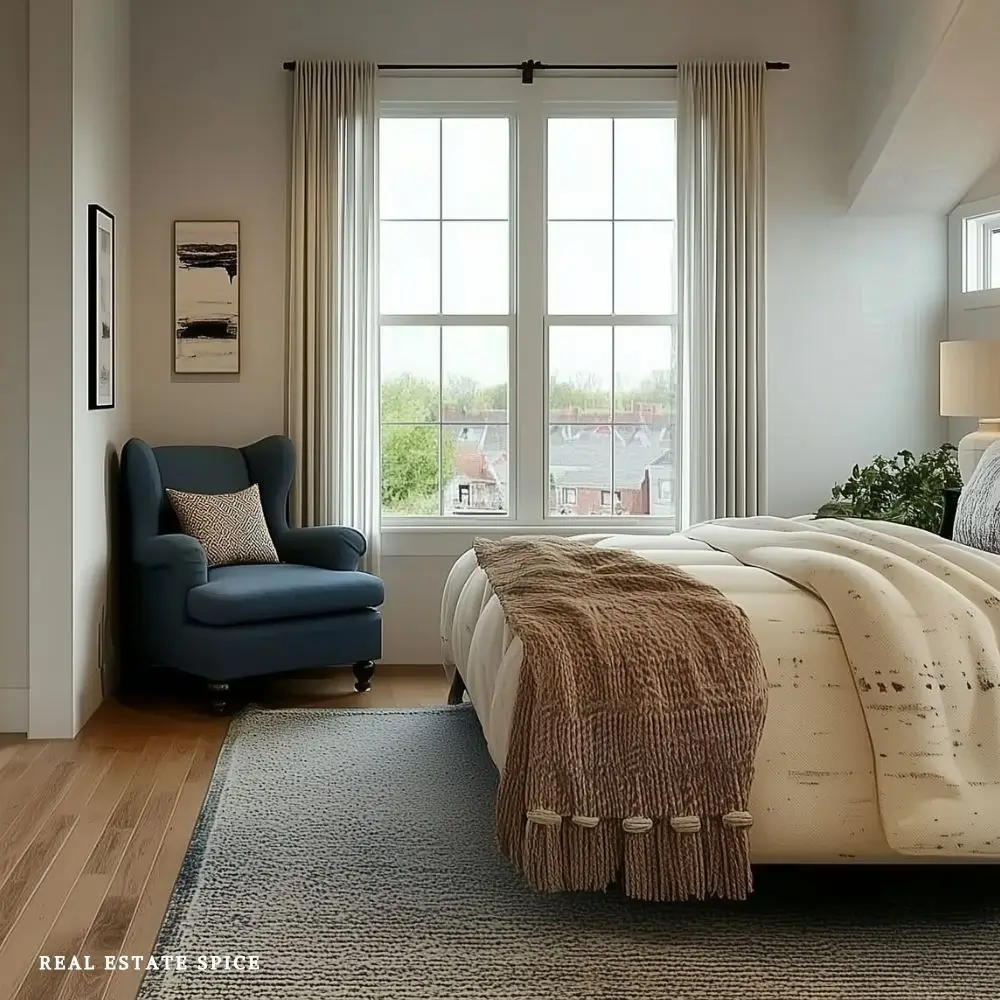
This is the part that makes the room feel finished
The bed anchors the room.
Then the bedside zones balance it.
Then the soft layers create the atmosphere that makes a bedroom feel calm, cozy, and complete.
This is where the bedroom starts feeling more personal and more emotionally comfortable.
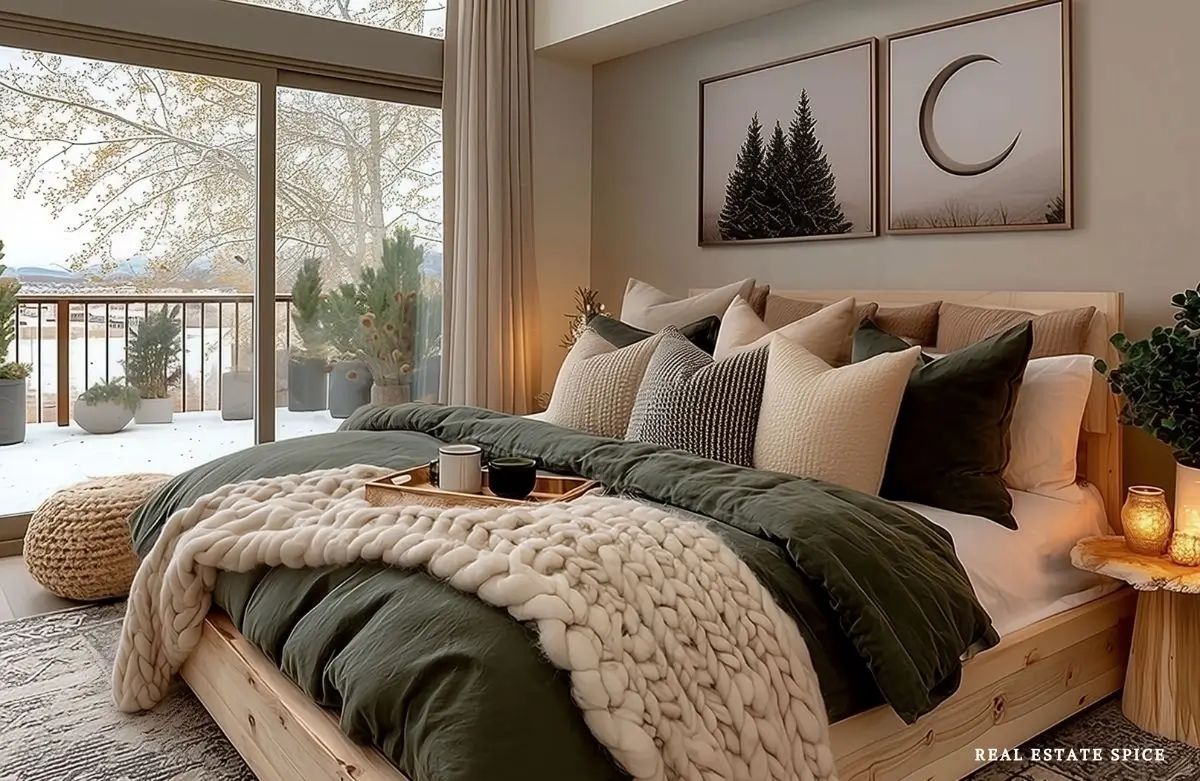
Soft finishing layers are the pieces that make a bedroom feel warm, comfortable, and lived in.
This includes rugs, curtains, throw pillows, throw blankets, wall decor, mirrors, extra lamps, baskets, plants, and texture.
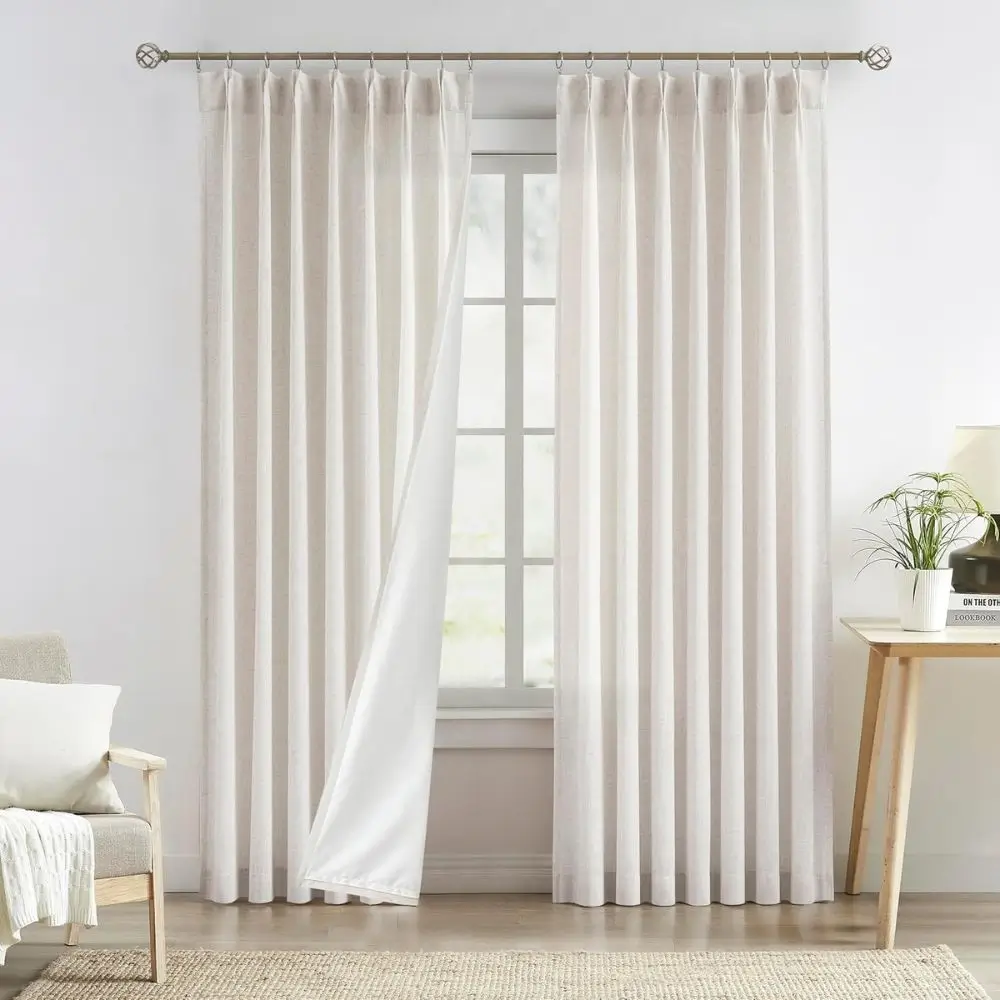

They’re the details that take a room from “the furniture is here” to “oh, this feels like someone really enjoys this space.”
They’re not just “extras”—they’re what help the room feel softer and more personal after the big pieces are in place.

Add a few subtle details that mean something to you, and the bedroom starts feeling like it belongs to a real person, not a furniture set that wandered in and called it a day.
The trick is not using every layer equally.
A room doesn’t need every possible finishing touch. It needs the right amount of softness in the right places.

Rugs and curtains do more than people realize

Bedroom rugs and area rugs help ground the room and soften the path around the bed, but they also make the room feel more complete visually.
Curtains do something similar for the vertical edges of the room.
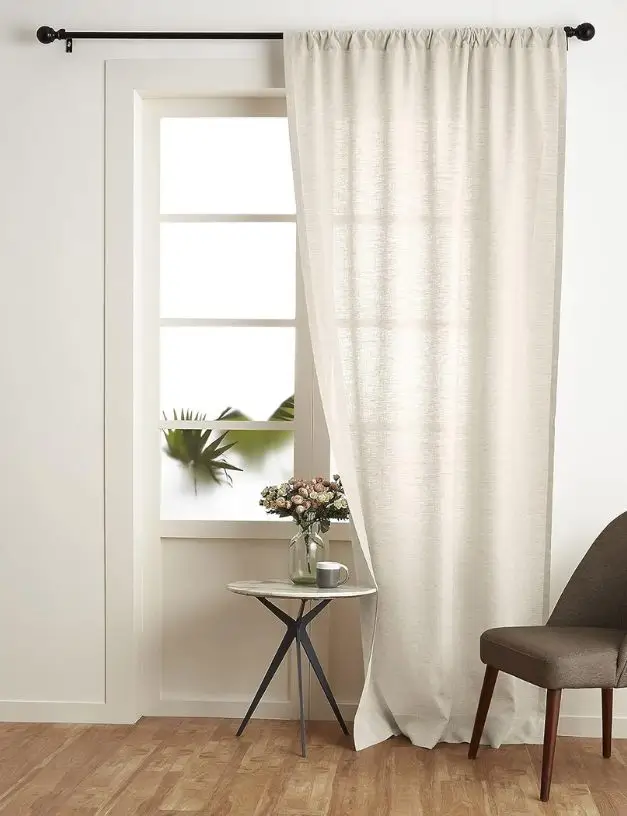
They soften the walls, frame the light, and make the bedroom feel less abrupt.
That’s especially important in a calm bedroom or neutral bedroom where the architecture needs texture to keep the space from feeling too plain.
Also, don’t be afraid to layer rugs and use a couple of different rugs, like in the photo above.
Here, the takeaway is that rugs and curtains are not just practical.

They’re atmosphere-builders.
Texture is what keeps a bedroom from feeling flat

A room can be beautifully neutral and still feel rich if it has enough texture.
That might come from layered bedding, a woven basket, linen curtains, a chunky throw blanket, or a rug with a slightly nubby feel underfoot.
Bedrooms don’t need dramatic color to feel interesting.
Sometimes they just need more variation in the materials.
Throw pillows and throw blankets are useful here too, but they work best when they feel like the finishing touch instead of a pile-up.

One or two soft accents usually does more than six competing ones.
Cozy bedrooms almost always rely on texture more than excess.
Personal Details Should Feel Chosen, Not Cluttered
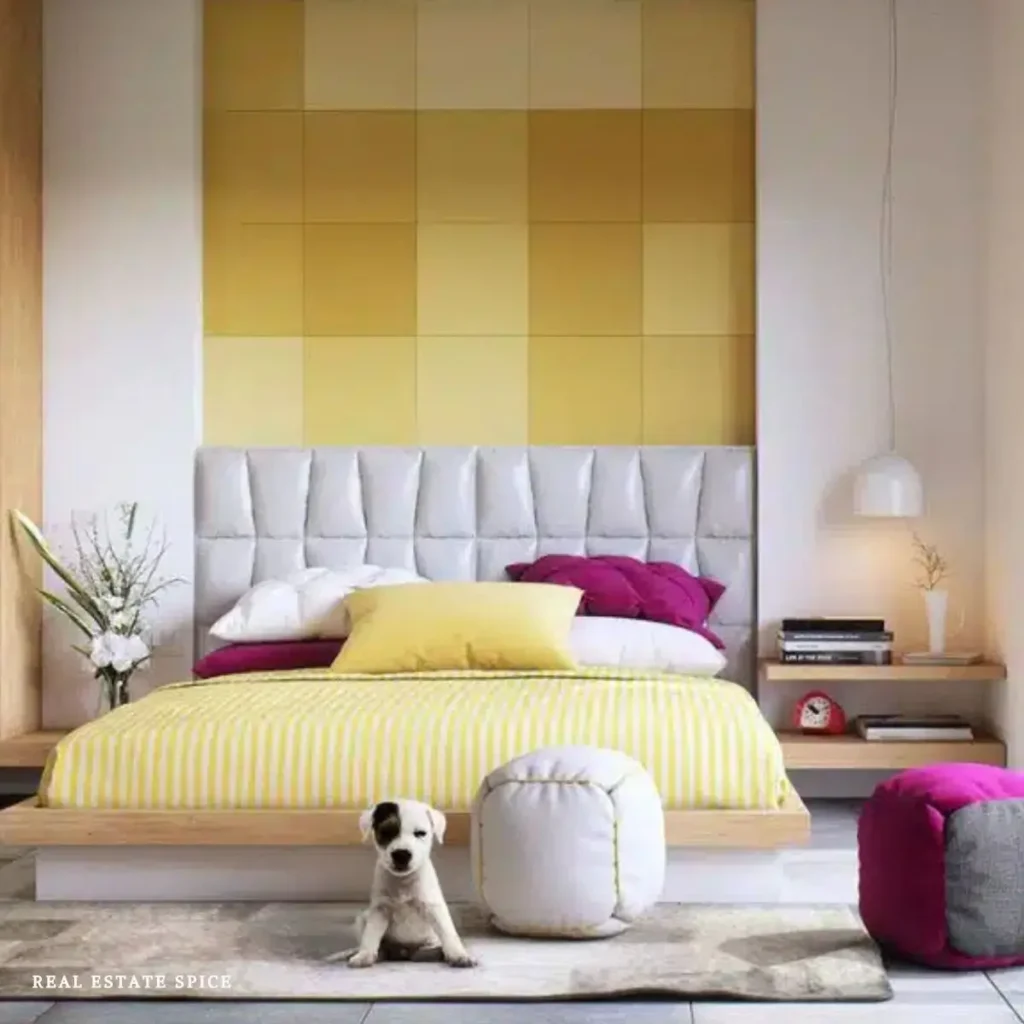
A bedroom should feel personal, but that doesn’t mean every sentimental object has to be on display at the same time.
Including your favorite color is a great way to personalize your bedroom.
Also, a framed photo, a favorite candle, one beautiful book stack, a mirror, or one plant by the window can all make the room feel lived in.
On the other hand, a bedroom full of small items can feel visually noisy, especially when the room is small.
The atmosphere layer is the final touch. It should make the room feel softened and complete, not crowded.
How to Use the Bedroom Rule of 3 in a Small Bedroom

Small bedroom ideas usually work best when the Rule of 3 is kept simple, because tiny rooms do not need extra chaos volunteering for duty.
In a compact room, the bed still needs to anchor the space, but proportion matters more.
A large bed frame with a massive headboard can overwhelm the layout if the room can’t support it.
Often, a simple headboard, one strong bedding moment, and a lighter wall treatment may work better.
The nightstand and lighting zones may need to be more flexible too.
One petite nightstand, one sconce, or even a floating shelf beside the bed can still create balance without swallowing floor space.
The soft atmosphere layer should stay pared back.
A rug, a curtain, one throw blanket, and one or two well-chosen accessories may be enough.
How to Use the Bedroom Rule of 3 in a Primary Bedroom
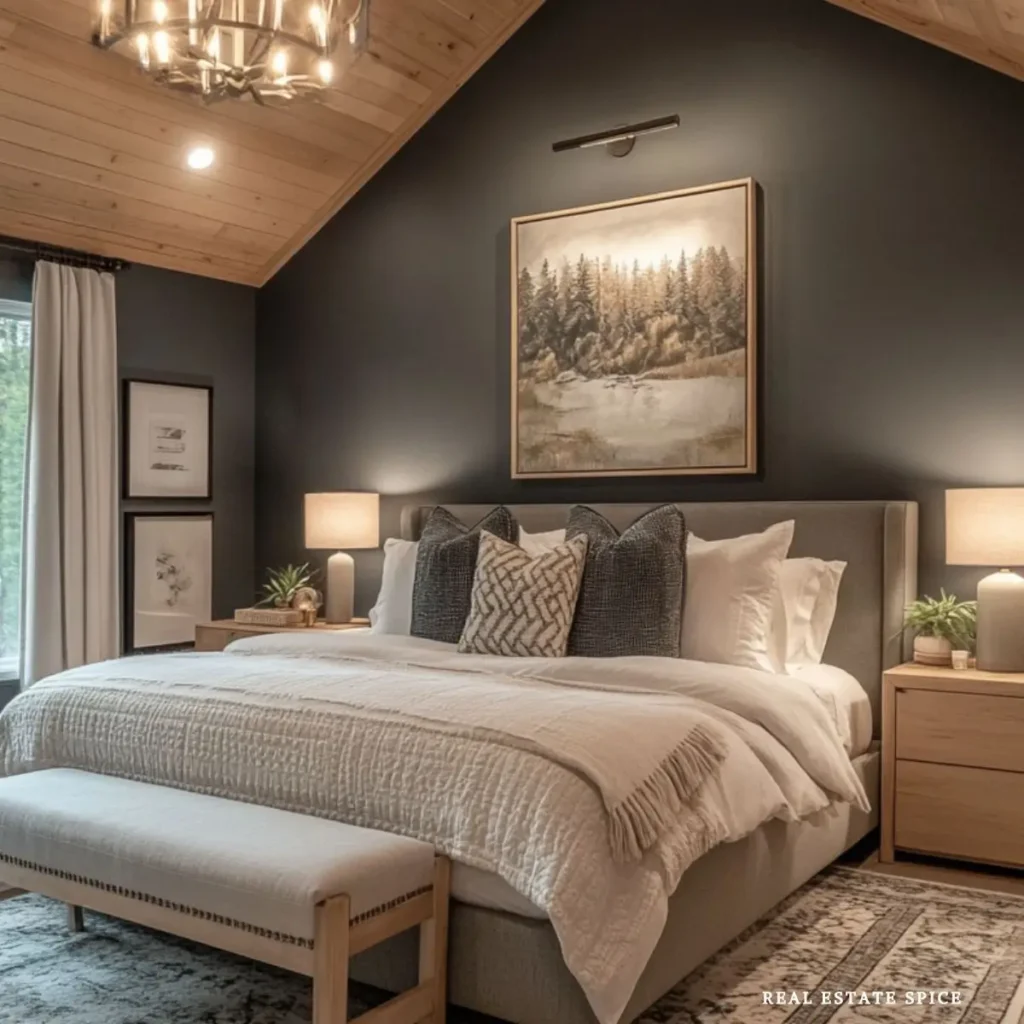
Primary bedrooms usually have a little more breathing room, which means the rule of 3 can expand slightly without losing its structure.
The bed can take on a stronger visual presence through a larger headboard, more layered bedding, or a more substantial wall treatment.
Nightstands can be larger or more decorative, and the soft finishing layers can include a bench, larger rugs, fuller curtains, and a little more atmosphere because the room has space to hold it.
Here, the framework stays the same.
Bigger room or not, the bed anchors, the bedside zone balances, and the soft layers finish.
If your furniture looks perfectly good but moving through the room still feels awkward, the Master Bedroom Layout Rule of 3 will help you create better flow around the bed, closet, bathroom, and dressing area.
If you share the bedroom with a partner, these bedroom decor ideas for couples will help you create a room that works beautifully for both of you.
How to Use the Bedroom Rule of 3 in a Guest Bedroom

A guest bedroom needs the same structure, but the styling should lean a little simpler and more universally comfortable.
The bed still anchors the room, but the bedding should feel fresh and easy rather than hyper-personal.
Here, the bedside zone matters a lot because guests need somewhere functional for a phone, book, lamp, or glass of water.
Finally, the atmosphere layer should make the room feel thoughtful without filling it with so many objects that your guest feels like they’ve moved into someone else’s styling experiment.
That’s why guest bedroom ideas often work so well with this framework.
The room doesn’t need to be dramatic.
It needs to feel clear, comfortable, and easy to use.
If you want a simple way to decide what your guest room needs first, use the Guest Bedroom Rule of 3 to create a stay that feels comfortable from bedtime through morning.
How to Use the Bedroom Rule of 3 if You Rent

Renters can use the bedroom rule of 3 beautifully because it relies more on styling than permanent change.
A good bed frame, stronger bedding, and a better wall moment behind the bed can do a lot without requiring renovation.
Plug-in sconces are wonderful for the bedside zone because they give you the look of built-in lighting without the landlord heart palpitations.
Rugs, curtains, throw blankets, pillows, mirrors, baskets, and removable art all make excellent atmosphere layers.
Renting doesn’t mean the room has to feel temporary.
It just means the changes need to be a little more flexible and a little less permanent.
The framework still works exactly the same.
How to Use the Bedroom Rule of 3 on a Budget
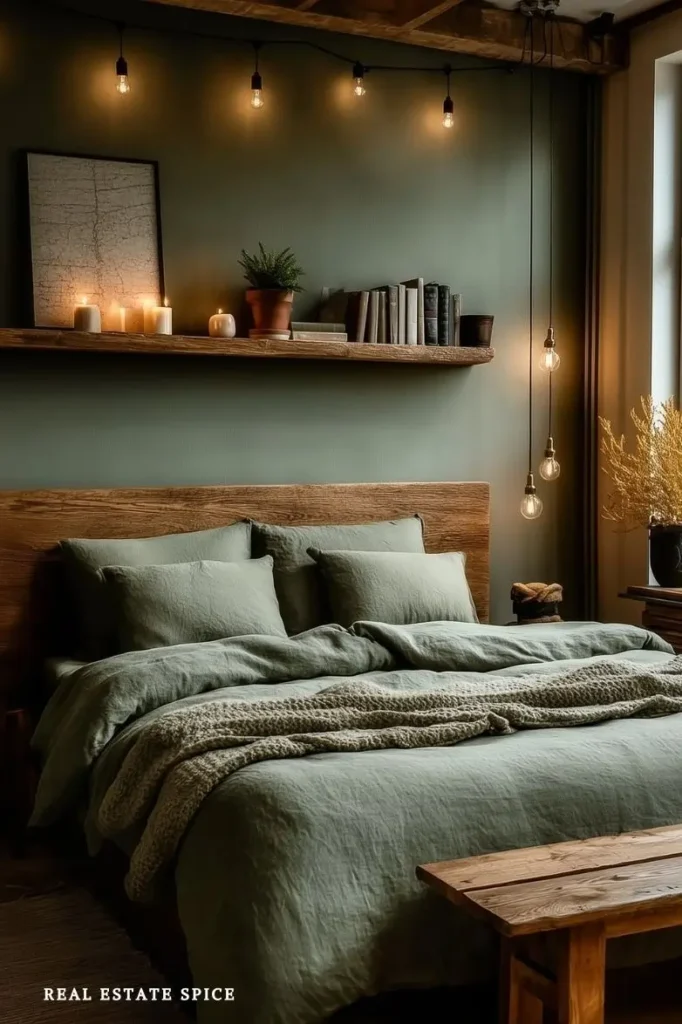
A budget-friendly bedroom makeover usually works best when you follow the rule in order instead of trying to update everything at once.
If the bed feels weak, start there.
Better bedding, a more substantial headboard, or a cleaner wall moment behind the bed can make the whole room feel different.
If the bed already looks decent, move to the nightstand and lighting zones.
Include a standout color that you carry throughout the bedroom.
Lighting helps.
Warm string lights are an inexpensive way to add personality and ambiance on a low budget.

A better lamp or a nightstand with just the essentials on top can make the room feel calmer right away, and neither one has to cost much.
Even swapping in a thrifted lamp, adding a small tray, or moving extra items into a drawer can make a bedroom feel more pulled together without turning it into a big project.
Once those two are working, the atmosphere layer can come in through softer, less expensive additions.
A throw blanket, one better rug, fuller curtains, a basket, or a little plant can all make a difference without requiring a full room reset.
You can also use these luxury bedroom ideas for any budget to find the one or two upgrades that will make your room feel more polished and comfortable.

Bedroom Rule of 3 Mistakes That Make a Room Feel Unfinished

Decorating the room in the wrong order
This is the biggest mistake by far.
People often jump straight to decor before the bed or bedside zones feel grounded.
Then the room fills with nice pieces that are trying to compensate for a weak anchor or an awkward layout.
The bedroom rule of 3 prevents that by giving the room a clear sequence.
Ignoring the bed as the main visual weight

If the bed feels flat, tiny, under-layered, or disconnected from the wall behind it, the whole room tends to feel unfinished.
A lot of people try to fix that with accessories elsewhere in the room, but the real solution is usually back at the bed.
Globan Hotel Collection Down Feather Pillow (A Splurge But Worth It)
Letting the bedside areas become accidental
Nightstands and lamps are easy to treat as purely practical, but when they’re badly scaled, too cluttered, or visually unbalanced, the whole room can feel slightly off.
Bedrooms usually look calmer when the bedside areas feel put together and useful.
When Soft Turns Cluttered
Soft layers should make the room feel finished, not overloaded.
Too many throw pillows, too many little decorative objects, too many competing textures, and the room can start feeling busier instead of cozier.
Atmosphere works best when you give it a little breathing room.
The Bedroom Rule of 3 Is What Makes the Room Feel Right

Decorating a bedroom doesn’t have to be overwhelming.
Most bedrooms feel better when the focus gets simpler, not more complicated.
Anchor the room with the bed.
Balance the nightstand and lighting zones.
Add soft layers that create atmosphere.

Those three priorities are enough to make almost any bedroom feel calmer, cozier, and much more thoughtfully designed.
That’s the beauty of the bedroom rule of 3.
It gives you a framework you can actually use, rather than a giant pile of disconnected bedroom ideas.
When the bed, bedside zones, and finishing layers are working together, the whole room becomes much easier to pull together.
Bedrooms don’t need more pressure or a pile of random decor to make them feel designed.
They just need a simple order that helps the space feel calmer and more personal.
That’s when the bedroom finally feels less like a project and more like a room you’re happy to walk into.