3 Bedroom Lighting Priorities That Make Your Room Feel Warm and Finished

These 3 bedroom lighting priorities can transform your space, and your room can feel warmer, softer, and more finished the moment evening settles in.
This bedroom rule of 3 lighting framework really helps when your bedroom looks “okay” during the day but feels completely different at night.
You might have beautiful bedding, decent curtains, bedroom furniture you like, and a lamp that technically works.
Be sure to check out Bedroom Rule of 3: The Simple Formula that Makes Any Room Feel Designed and The Rule of 3 for Bedroom Decor after this…

And somehow the room still feels too harsh, too dim, too shadowy, or not quite settled once the overhead light clicks on.
Bedroom lighting can make a room feel polished and restful, or it can make the same room feel flat and unfinished.
The tricky part is that bedroom lighting isn’t just about buying pretty lamps or choosing one ceiling fixture.

It’s about getting the right layers in the right places so your bedroom feels useful when you need function and soft when you’re ready to wind down.
Here you’ll get a simple lighting formula you can actually use: bedside lighting, soft ambient lighting, and accent or mood lighting.
Grab your favorite beverage, pen, and paper for notes; take your time to study the images, design tips, and products, and enjoy!
ps…remember to save this and come back anytime for a dose of inspo!
What Is the Bedroom Rule of 3 for Lighting?

The bedroom rule of 3 lighting formula is a simple way to make bedroom lighting feel layered, flattering, useful, and finished.
Bedside lighting gives you personal light right where you use it most.
Soft ambient lighting creates the overall glow in the room.
Accent or mood lighting adds the final touch that helps the bedroom feel polished after dark.
That structure matters because bedrooms do more than one job.
You get dressed there, read there, search for missing socks there, and try to convince your brain that the day is officially over there.
One light source can’t handle all of that without making the room feel off somewhere.
Good bedroom lighting design gives you options.
Brighter light helps when you need to see what you’re doing.
Softer light feels better when you’re winding down.
A tiny glow can guide nighttime movement without making the whole room wake up with you.
Get My Free eBook
“100 Easy Ways To Refresh Any Room All Year Round”
Why Bedroom Lighting Works Better When It Has Layers
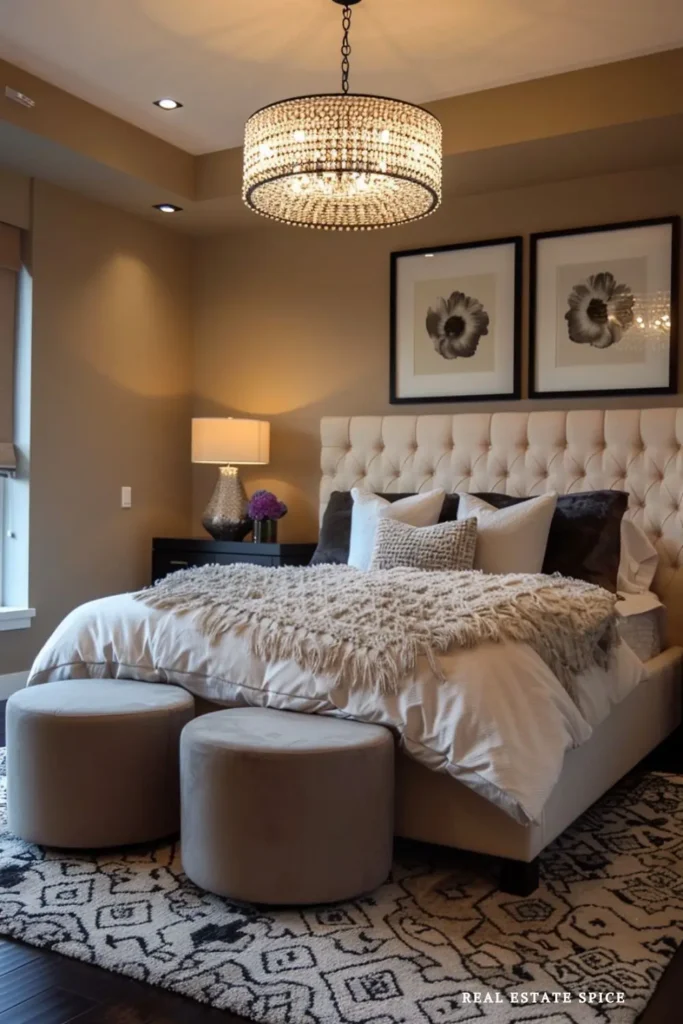
Layered lighting works because each light has a different purpose.
A ceiling light can help with general visibility, but it usually isn’t the most flattering or relaxing source by itself.
Bedside lamps can help you read, but they may not brighten the room enough when you’re getting ready.

Accent lamps and picture lights can make the room feel finished, but they can’t carry the whole space alone.
When those layers work together, the room feels more flexible.
A primary bedroom can shift from getting-ready light to winding-down light.
Guest bedrooms become easier for someone else to use.
Small bedrooms feel less cramped because the light isn’t coming from one harsh spot.
Even a neutral bedroom with simple decor can feel warmer when the glow has depth.
The best bedroom lighting usually includes more than one source, such as a ceiling fixture, bedside lamps, wall sconces, a dresser lamp, or a small picture light.
That finished feeling comes from light arriving in more than one place.
Priority 1: Bedside Lighting

Bedside lighting is the light you actually use
Bedside lighting is the first priority because it’s the most personal light in the bedroom.
This is the light you reach for when you’re reading, grabbing water, checking your phone, or winding down.
It’s also the light that saves you from turning on the overhead when your eyes have already clocked out for the night.
Bedside lamps, table lamps, plug-in wall lamps for bedroom spaces, and wall sconces for reading in bed all fit into this category.
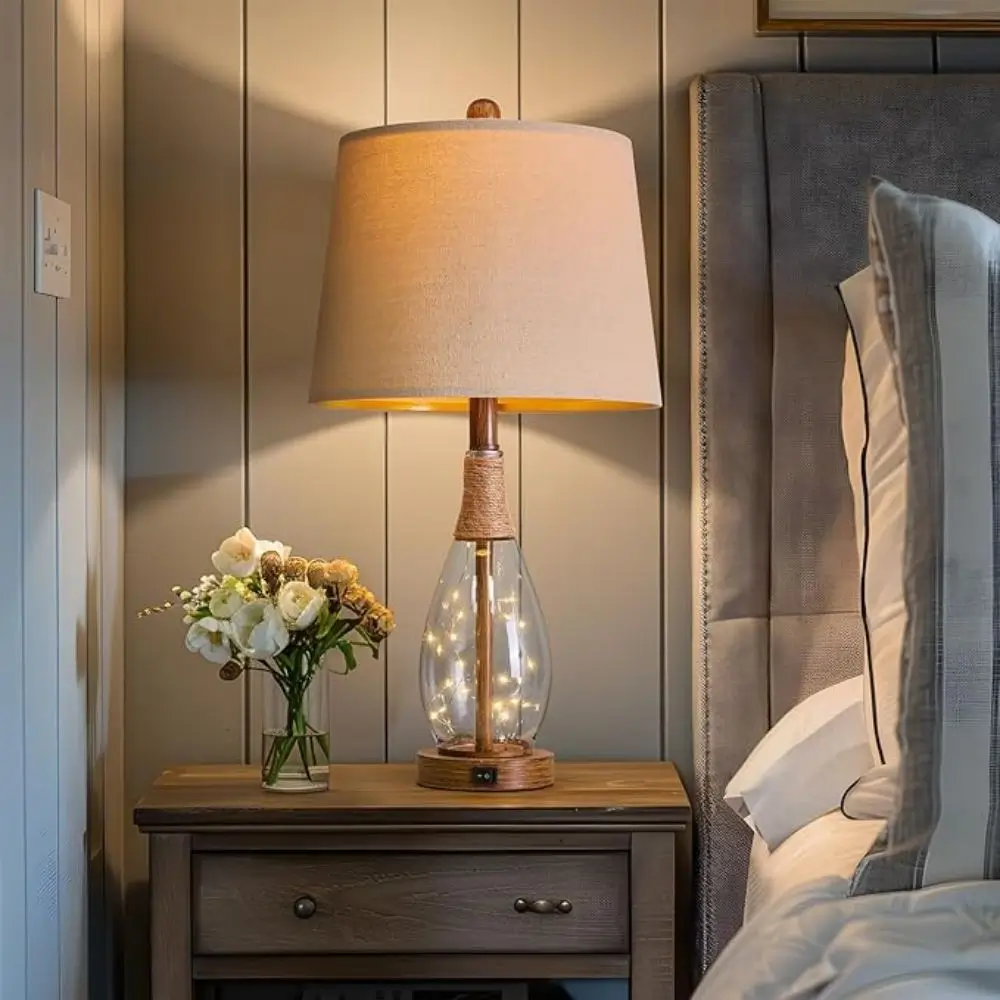
Sconce bedroom lighting and pendant lamps for bedroom setups can also give you that close-by light without making the nightstand do all the work.

The goal isn’t only to make the nightstand look pretty.
Bedside lighting needs to work from the bed.
A lamp can look beautiful on a nightstand and still be too short, too bright, too far away, or awkward to reach once you’re under the covers.
Use the bedside reach test

The bedside reach test is simple.
Sit in bed the way you normally do, then reach for the lamp or sconce switch.
You should be able to turn the light on and off without performing a dramatic sideways stretch that feels like accidental bedtime yoga.
This matters with bedside lamps, plug-in sconces, wall sconces, and smart bulbs.
Even if you control a light from your phone, the physical setup should still make sense.
A bedroom should make the end of the day easier, not ask you to negotiate with your own lamp.
Check lamp height from the bed

Lamp height is one of the sneakiest bedroom lighting details.
A lamp with shade can look great in a photo, then sit too low beside your mattress and shine awkwardly under the shade.
Another lamp may be tall enough for the room but too bright at eye level when you’re reading.
Adjustable bedside table lamps can be helpful if you read in bed or share a room with someone who has a different bedtime rhythm.
Shaded lamps usually give a softer glow than bare bulbs, and fabric lamp shades or linen lamp shades tend to diffuse light beautifully.
Clear glass or crystal lamps can look elegant, but they may expose glare if the bulb is too bright.

That’s the shade check.
Before choosing one, think about whether the shade will soften the bulb or show it off.
A lamp with shade should make the light comfortable, not turn the bulb into the main character.
Use the pillow test for sconces

If you’re considering wall sconces, do the pillow test.
Sit where you actually read in bed and check the angle.
Look for glare, shadows across the page, or light landing somewhere that doesn’t help you at all.
You can even add wall sconces with adjustable necks to angle the light exactly where you need it.
They’re especially helpful for reading in bed because you get focused light without brightening the whole room.
Plug-in sconces and plug-in wall lamps save nightstand space without needing hardwiring.
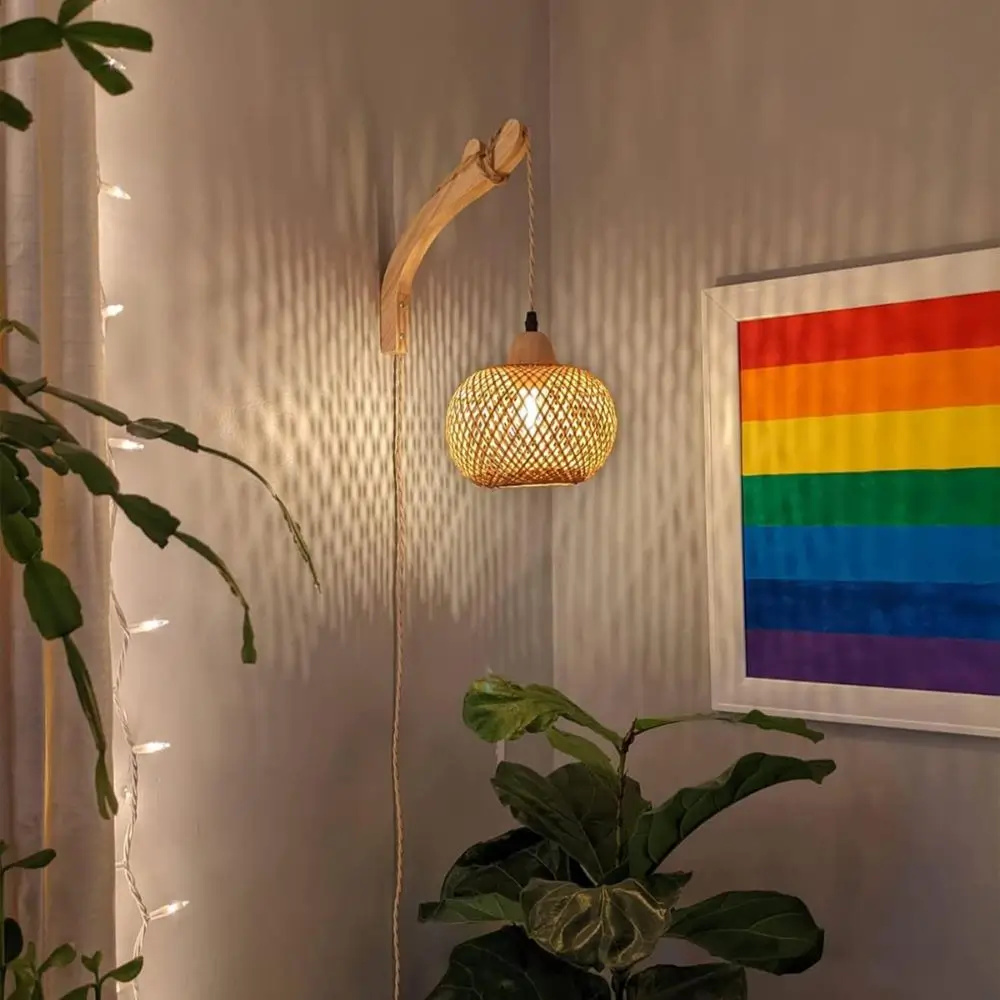
Plug-in wall lamps or battery-operated sconces can work beautifully in small bedrooms where a table lamp would take up too much surface space.

Cord covers help the setup look more polished.
If you’re installing hardwired sconces, pendant lights, or new electrical boxes, use a qualified electrician when needed.
The design part can be fun; the wiring part should be safe.
Try bedside pendants when surface space is tight
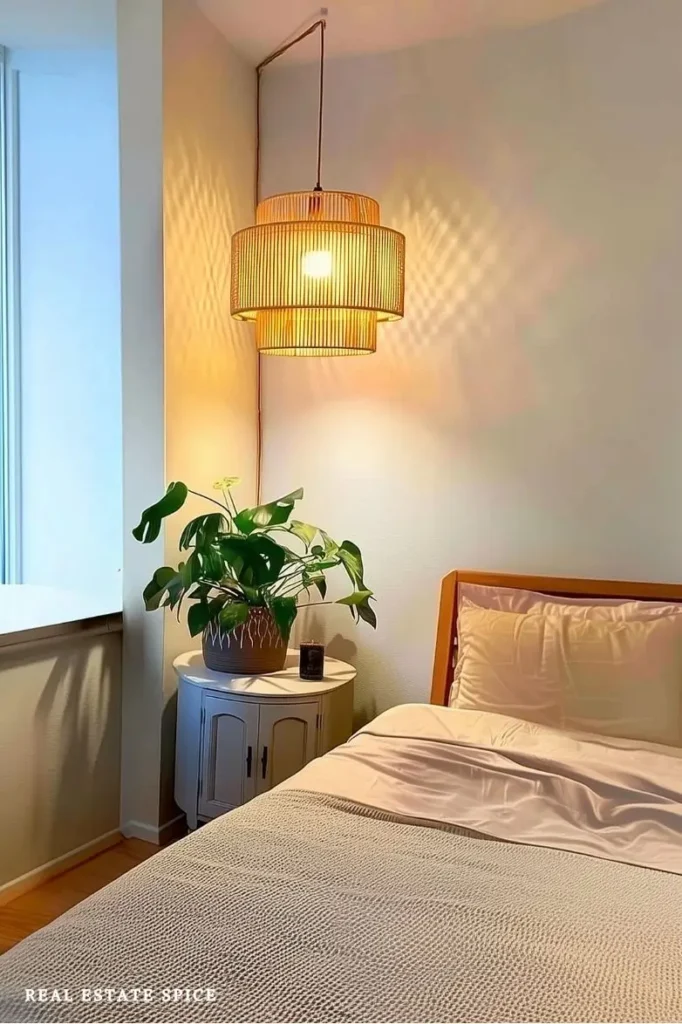
Bedside pendants are a smart space-saving idea, especially in small bedrooms.
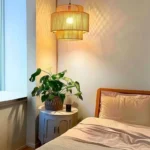
A woven shade pendant light can make bedside lighting feel warmer and more textured without taking up nightstand space.
It adds a soft, natural look that works beautifully in a cozy bedroom.
Pair it with a warm bulb and hang it at a comfortable height for reading or winding down.
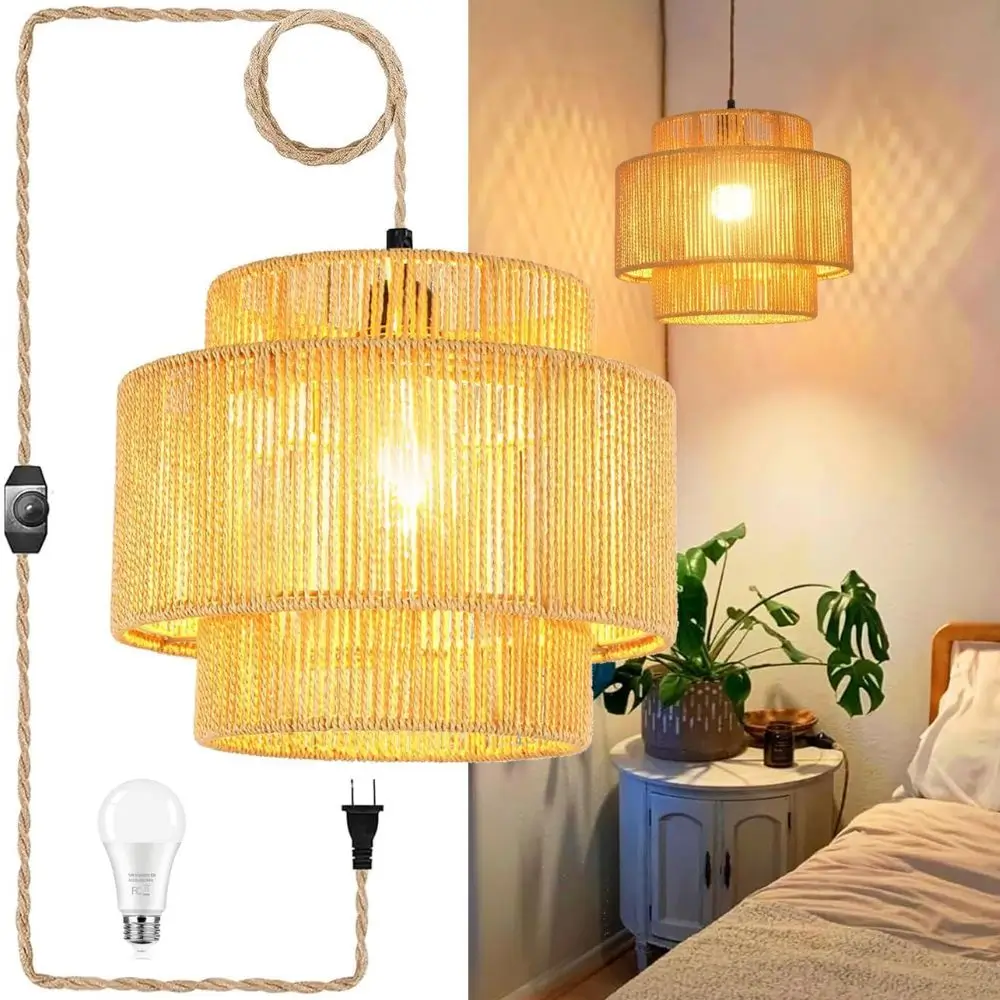
A modern bedroom pendant light can make the bedside area feel polished without stealing room from a small nightstand.
Master bedroom pendant lights can also look beautiful when the ceiling height and layout support them.
Pendant lamps in bedroom setups work best when the fixture hangs at a comfortable height.
Too high, the light may not be useful.
Hang it too low, and the pendant starts feeling like it wants to join you in bed.
The goal is a soft pool of light near the bedside.
Priority 2: Soft Ambient Lighting

Ambient light is the room’s overall glow
Soft ambient lighting is the second priority because it affects the entire room.
This is the general light you use when you walk in, make the bed, get dressed, or move around the space.
Bedroom ceiling lighting can come from ceiling light fixtures, flush mount lights, semi-flush mount lights, chandeliers, or recessed lights.
All of these can provide the room’s overall glow, depending on the bedroom size, ceiling height, and the mood you want.
Bedroom floor lamps can also help fill in overall light, especially when the ceiling fixture isn’t quite carrying the space on its own.
The important thing is that ambient lighting should feel comfortable, not harsh or flat.
A ceiling fixture can be useful, but it shouldn’t be the only source of light in the bedroom.
When one overhead light does everything, the room often feels too bright in the wrong places and too dim in others.
Choose ceiling fixtures that fit the bedroom

Bedroom ceiling light fixtures should match the scale, ceiling height, and mood of the room.
Flush bedroom lighting is often best for low ceilings because it stays close to the ceiling and avoids visual bulk.
Semi-flush bedroom lighting adds a little more presence while still working in many standard rooms.
Chandelier bedroom lighting can be gorgeous in rooms with enough ceiling height and enough visual space to support them.
Modern bedroom lighting often uses clean-lined flush mounts, semi-flush fixtures, recessed bedroom lighting, or simple pendants.
To help those lights work with the bed, curtains, and furniture, use the Modern Bedroom Design Rule of 3 to create a sleek and restful room.

Farmhouse bedroom lighting may lean toward warm metal finishes and shades.
Black bedroom lighting can add contrast, especially in a neutral bedroom with warm bedding and natural textures.
Minimalist bedroom lighting usually works best when the fixture is simple but still warm enough for a bedroom.
Bedroom lighting ideas ceiling searches often bring up bold fixtures, but not every room needs a statement overhead light.
If the rest of your bedroom decor already has strong personality, a simpler ceiling fixture may be better.
Bedroom lighting for for low-ceiling rooms often benefit from flush or semi-flush fixtures paired with lamps.
Use dimmable bulbs and warm white bulbs

Bulbs matter as much as fixtures.
Warm white bulbs usually feel better in a bedroom than cooler bulbs because they make the room feel softer and more restful.
Dimmable bulbs are even better because they let the bedroom shift throughout the day.
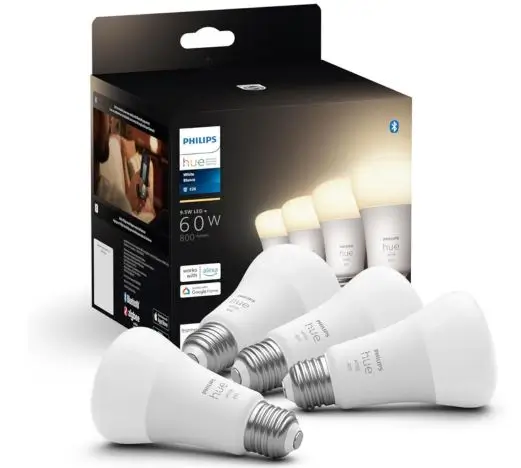

Smart bulbs can also help if you want the room to move from getting-ready light to winding-down light without changing fixtures.
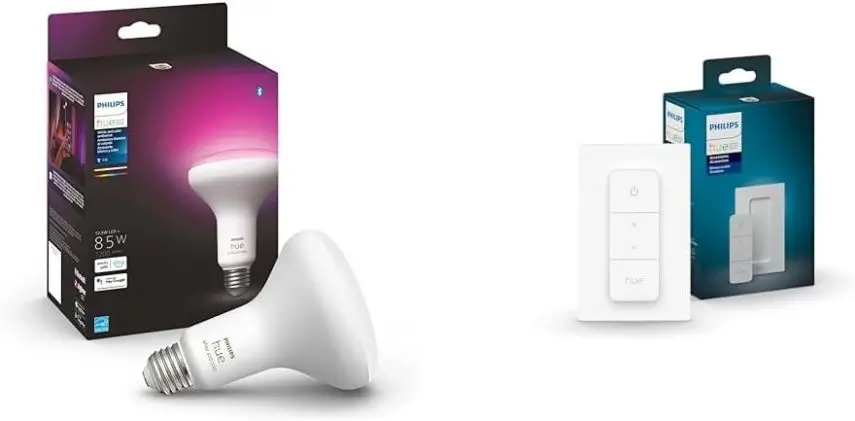
Use a warmer setting at night and a brighter setting when needed.
Before you commit to paint, see how calming bedroom colors can change from morning daylight to the lamps you use at night.
If you’re adding dimmers to hardwired fixtures, use a qualified electrician when appropriate so the setup is safe and compatible.
Let floor lamps support weak ceiling lighting
Bedroom floor lamps are useful when the ceiling fixture is weak, too harsh, or missing entirely.
A floor lamp can brighten a corner, support a reading chair, or add a taller glow that makes the room feel more balanced.
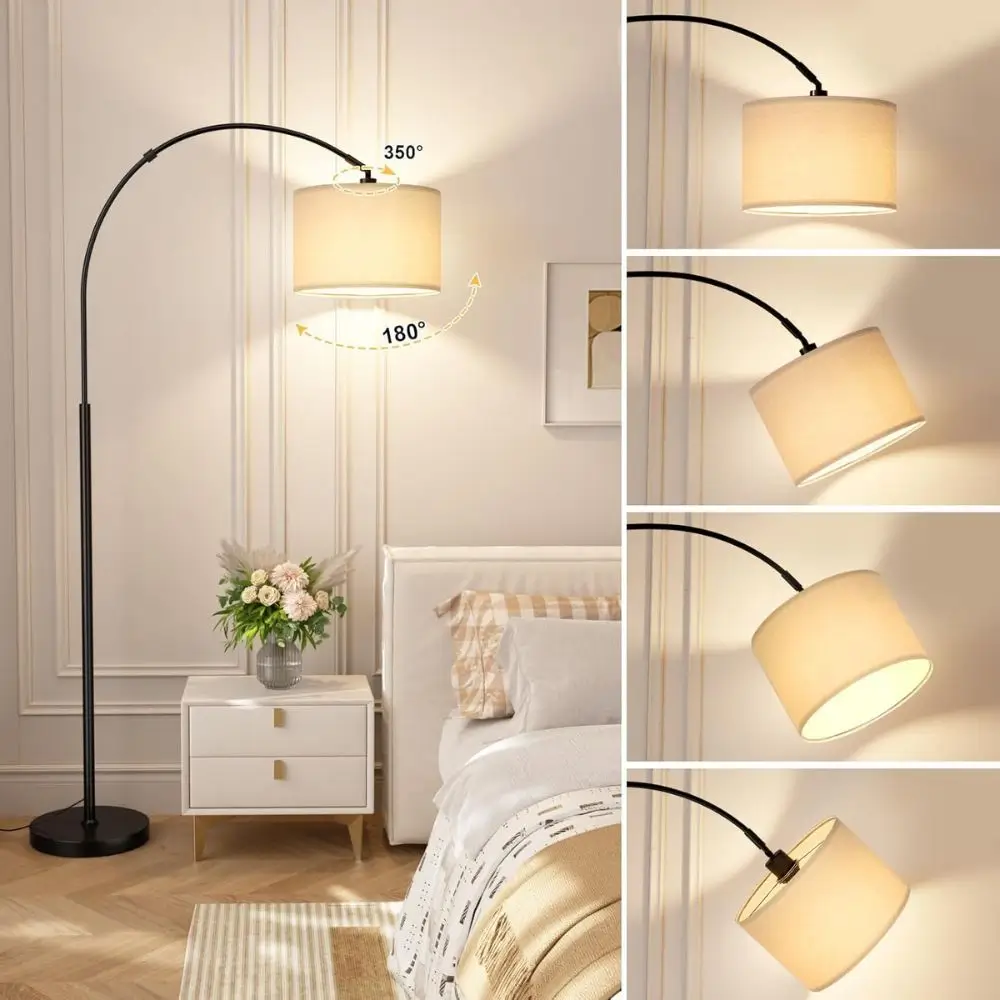
Floor lamps are also renter-friendly and helpful in rooms where overhead lighting can’t be changed.
Choose a floor lamp with a shade if you want softer ambient light.
A fabric or linen shade will usually diffuse light more gently than exposed bulbs.
In a primary bedroom, a floor lamp near an accent chair can make the room feel more complete, and guest rooms can benefit from one if the ceiling light feels too strong.
Use recessed lighting with care

Recessed bedroom lighting can be useful, especially in larger rooms, but placement matters.
Recessed lights that shine directly into your eyes while you’re lying in bed are not helping the mood.
Better placement can wash the room softly rather than pointing down like tiny ceiling spotlights with strong opinions.
I added dimming features to all the recessed lighting in my home, and it really transformed each space where I have recessed lights.
Now I can adjust the brightness depending on the mood I want—brighter when I need the room to function, and softer when I want it to feel calm, cozy, and easier on the eyes.
LED lights for bedroom ceiling setups can work when they create a soft, even glow.
Bedroom led lighting ideas are best when the light feels integrated and gentle, not flashy or overly bright.
If you’re planning recessed lights or new ceiling work, bring in a qualified electrician and keep the advice design-focused rather than technical.
Priority 3: Accent or Mood Lighting

This is the layer that makes the bedroom feel finished after dark
Accent or mood lighting is the third priority because it gives the bedroom visual depth.
This layer isn’t about adding random little lights everywhere.
It’s about choosing one or two glow points that make the room feel polished after dark.
Accent lighting can be a picture light above framed art, a tiny lamp on a dresser, a floor lamp near an accent chair, or carefully placed LED strip lights.
It also works beautifully on bedroom wall areas that need a little more dimension, so the room feels warmer and less flat.

Bedroom lighting wall choices can make a wall feel more finished when they support the rest of the room.
Wall lighting design works best when each light adds something useful or beautiful to the room.
Try the lamp triangle

The lamp triangle is one of the easiest ways to create a finished lighting plan.
Choose three gentle glow points around the room, such as bedside lighting, a dresser lamp, and a floor lamp or picture light.
Those three points create visual balance without needing the room to be perfectly symmetrical.
A small dresser lamp can make a surprising difference.
Many dressers sit dark and flat at night, especially when the overhead light is off.
Add one tiny lamp or a picture light near the dresser, and the room suddenly feels more complete.
Mirrors can help too.
A mirror that catches a lamp glow can bounce soft light around the room and make the space feel warmer without adding another fixture.
Curtains, bedroom rugs, and upholstered bedroom furniture also affect how light feels, as softer surfaces absorb some of the harshness.
Use LED strip lights sparingly
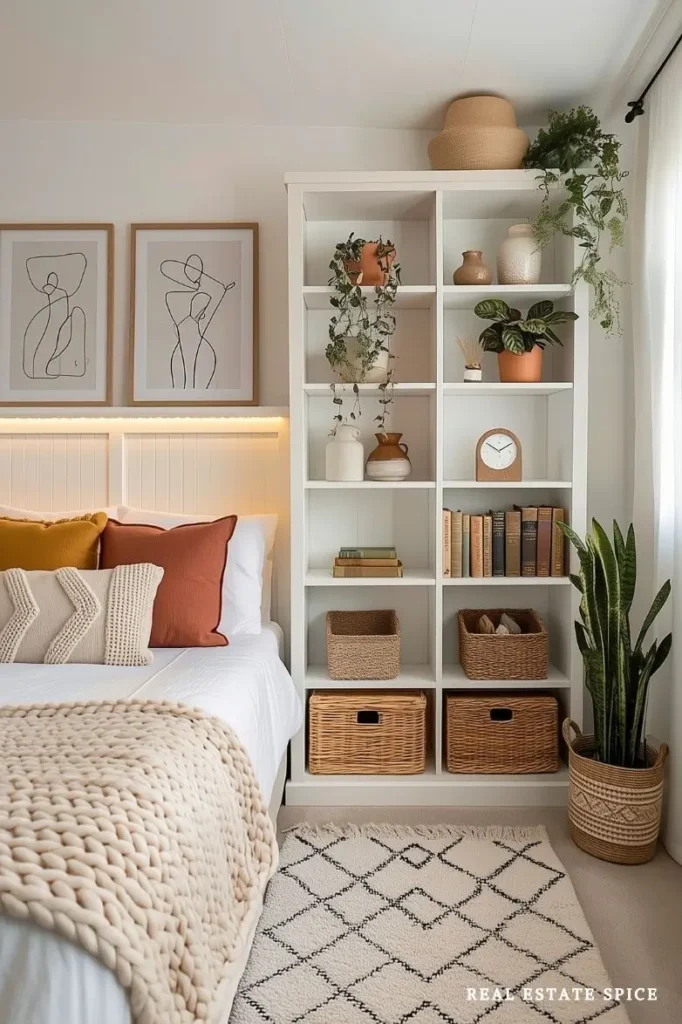
LED strip lights can be useful, but they need restraint.
Under-bed lighting, under a dresser, behind a headboard, or along a low wall can create a soft nighttime path when used carefully.
The goal is a low glow, not a room that feels like it’s auditioning for a spaceship scene.
Warm under-bed or low-wall motion lighting is especially helpful in primary bedrooms or guest bedrooms.
Motion-sensor night lights are one of those small bedroom lighting ideas that make real life easier fast.
They guide you at night without forcing you to turn on a lamp or overhead light when your eyes are absolutely not interested in that level of drama.
I love mine.

I have one near the bed and another in my master bathroom, so when I get up, the first one softly turns on, and by the time I walk into the bathroom, that one lights up too.
It feels like the house is guiding the way, which I fully appreciate at 2 a.m.
Use picture lights and wall lights to finish the room visually

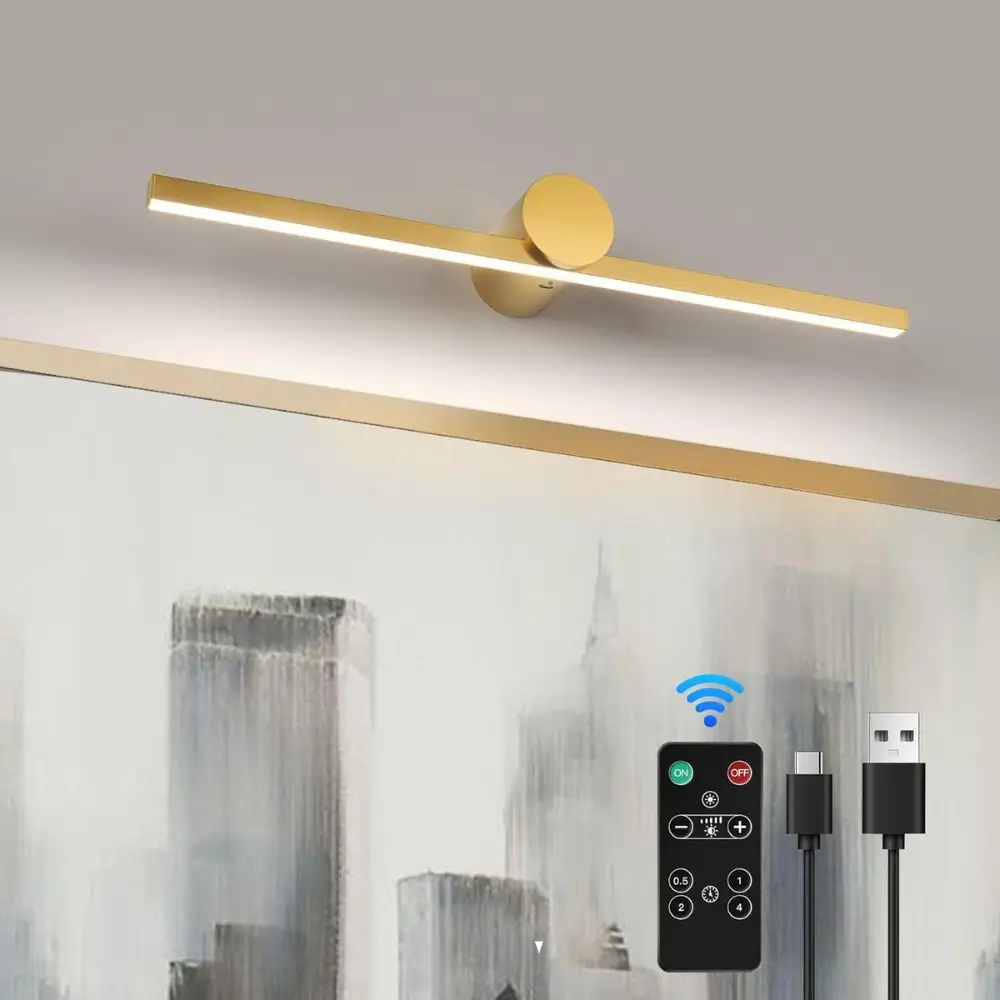
Picture lights can make bedroom wall decor feel more special after dark.
They work especially well over framed art, above a dresser, or near a gallery-style wall if the room can handle it.
Bedroom wall lights can also help a room that feels visually flat, especially when the rest of the lighting is mostly table lamps.
Unique bedroom lighting doesn’t have to be dramatic.
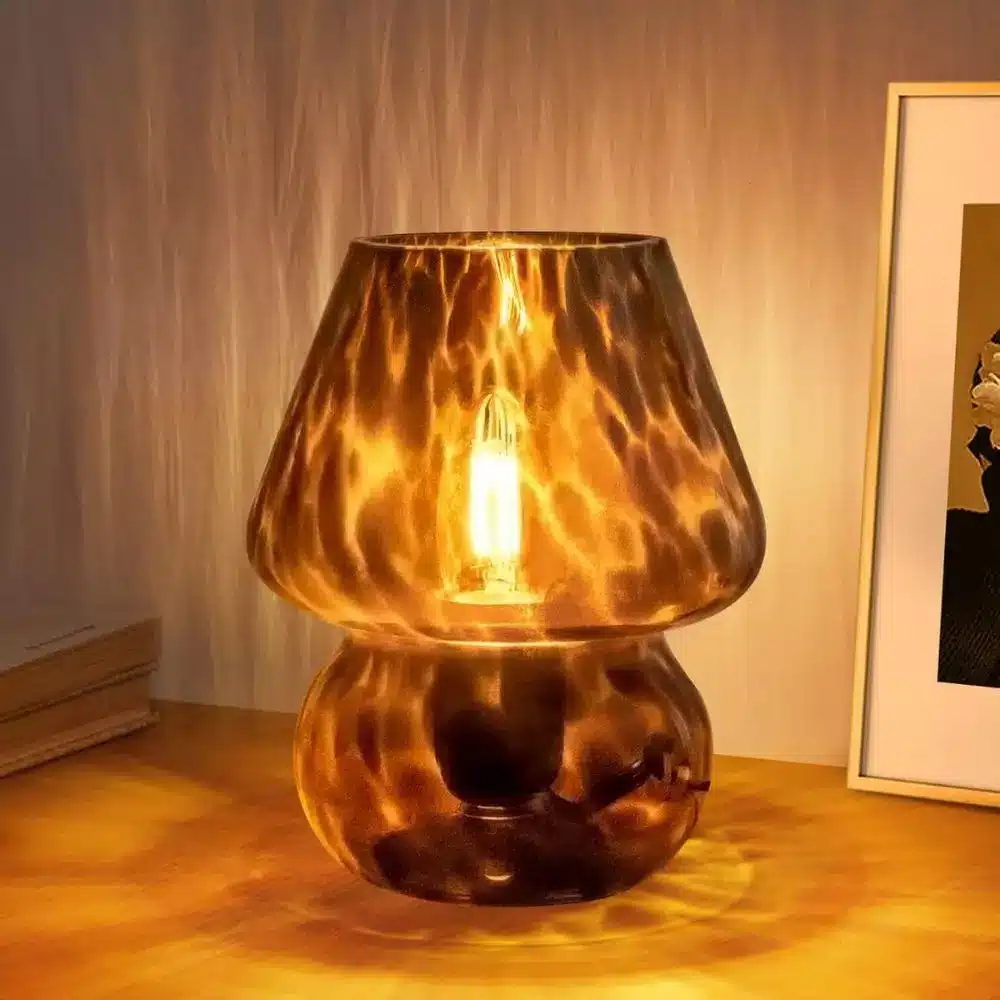
Sometimes it’s one beautiful picture light, one ceramic accent lamp, or a small lamp on a dresser that makes the whole space feel warmer.
How to Use This Bedroom Lighting Formula in a Small Bedroom

Small bedrooms need lighting that works hard without taking over.
Start with bedside lighting that doesn’t crowd the nightstand.
Plug-in or battery operated sconces, plug in wall lamps for bedroom corners, or slim table lamps can help.
If the room has very little surface space, bedside pendants can be a beautiful space-saving solution, as long as they’re placed at a comfortable height.
Ambient light should stay soft and efficient.
Flush bedroom lighting or semi flush bedroom lighting often works better than a low-hanging fixture.
A floor lamp can brighten a corner if the ceiling light is weak.
For accent lighting, one small dresser lamp or a mirror reflecting a lamp may be enough.
Small bedrooms usually work better when each light has a job.
You don’t need five lamps.
Aim for the right bedside light, a comfortable overall glow, and one finishing glow point.
How to Use This Bedroom Lighting Formula in a Master Bedroom

Master bedrooms usually need more lighting variety because they tend to be larger and may include multiple functions.
You might have bedside lamps or sconces for reading, a ceiling fixture for general light, a floor lamp near a chair, and a dresser lamp or picture light for atmosphere.
Primary bedroom lighting can feel more polished when the fixtures relate to the furniture and finishes.
Brass lamps might connect to drawer pulls or picture lights.
Black bedroom lighting can bring contrast near a neutral upholstered bed.
Master bedroom pendant lights can frame the bed beautifully when the layout and ceiling height work.
A primary bedroom also benefits from dimmable light.
The room can be brighter when you’re getting ready and softer when you’re winding down.
How to Use This Bedroom Lighting Formula in a Guest Bedroom

Guest bedrooms need lighting that feels simple and easy to use.
Your guest should know exactly how to turn lights on and off without feeling like they’ve entered an escape room.
Bedside lighting is one of those small details guests notice fast, especially when it’s just one good table lamp or plug-in sconce within reach.
Place it where someone can reach it from the bed.
Ambient light gives the bedroom a comfortable base layer, so the whole room feels usable when someone walks in.
A simple ceiling light with warm white bulbs works well, especially when it’s paired with softer lamps for reading and winding down.
Accent lighting can be minimal.
A small dresser lamp, picture light, or motion sensor night light can make the room feel more thoughtful without adding clutter.
Warm under-bed motion lighting or a small low-wall night light can be especially helpful for guests.
It gives them a path at night without making them fumble for switches in an unfamiliar room.
How to Use This Bedroom Lighting Formula if You Rent

Renters can create great bedroom lighting without hardwiring.
Plug-in and battery-operated sconces, plug-in wall lamps, table lamps, floor lamps, smart bulbs, cord covers, and battery-operated picture lights can all make a big difference.
They give you more control over the room’s glow without hardwiring, patching walls, or starting a project your lease would like to discuss privately.
You may not be able to replace bedroom ceiling light fixtures, but you can absolutely soften the room with better lamps and warmer bulbs.
Cord covers are your friend if you’re using plug-in sconces.
Paintable ones can blend into the wall, and fabric-wrapped cords can look intentional when they match the room’s style.
If the overhead fixture is harsh, keep it for practical tasks and rely on lamps for most evening use.
When your rental bedroom has one overhead light and no personality, start with two layers: bedside lamps and one extra glow point.
That could be a dresser lamp, floor lamp, or small accent lamp.
Once the room has more than one source of light, it usually feels softer right away.
How to Use This Bedroom Lighting Formula on a Budget

Bedroom lighting doesn’t have to be expensive to feel polished.
Start with bulbs.
Warm white bulbs or dimmable bulbs can change the mood quickly.
After that, look at the lamps you already have.
A new lamp shade can soften a harsh lamp and make it feel more current.
Fabric lamp shades and linen lamp shades often make inexpensive lamps look more refined.
Budget-friendly bedroom makeover ideas can include a small dresser lamp, a plug-in sconce, a picture light, or a floor lamp from a secondhand source.
Ceramic lamps and glass lamps can often be found affordably, and they add shape and style without requiring a full bedroom redesign.
Prioritize the light you use most.
If you read in bed every night, invest in better bedside lighting first.
When the whole room feels dim, start with the overall lighting—the ceiling fixture, recessed lights, or a floor lamp that helps brighten the entire space.
If the room looks decent but unfinished at night, add one accent lamp or picture light.
Bedroom Lighting Ideas for Low Ceilings

Low ceilings need lighting that adds comfort without crowding the room.
Flush mount lights and semi-flush mount lights are usually the easiest ceiling options.
Bedroom lighting ideas low ceiling rooms should also include lamps, sconces, and floor lamps so the ceiling fixture doesn’t have to do everything.
Searches for bedroom lighting ideas ceiling often show dramatic chandeliers, but low ceilings usually need a lighter touch.
When you’re looking for bedroom ceiling lighting ideas, it’s easy to get pulled toward dramatic chandeliers and oversized fixtures.
But in a low-ceiling bedroom, the best lighting usually has a lighter touch—something that adds style without making the room feel crowded overhead.
Choose shaded ceiling lights when possible, or use a simple flush fixture and let the bedside and accent lighting create the atmosphere.
Recessed lights can work if they’re placed thoughtfully and don’t shine directly into your eyes while you’re in bed.
Wall sconces and plug-in sconces are great in low-ceiling bedrooms because they add light without lowering the ceiling visually.
Floor lamps can help draw the eye around the room rather than straight up to a low overhead fixture.
Bedroom Lighting Ideas Without Hardwiring
You can do a lot without hardwiring.
Plug-in sconces are the obvious choice, especially with cord covers.
Another smart option is a plug-in wall lamp beside a bed, dresser, or reading chair.
Table lamps and floor lamps remain some of the most flexible bedroom lighting fixtures you can use.
Battery picture lights are another option when you want to highlight framed art or above-bed decor without electrical work.
Smart bulbs can improve existing lamps and ceiling lights.
Motion sensor night lights create a low path without rewiring anything.
For renters, this is the sweet spot.
You can make the room feel finished with lighting that moves with you later.
No renovation needed.
Better yet, no awkward conversation with the landlord.
Just better glow.
Bedroom Lighting Mistakes That Make a Room Feel Harsh or Unfinished

Relying on one overhead light
One ceiling light can’t carry the whole room.
It may help with visibility, but it rarely creates comfort on its own.
Add bedside lighting and one accent glow point so the room feels layered.
Choosing bulbs that are too cool or too bright
Cool bulbs can make bedroom decor feel stark.
Overly bright bulbs can make lamps uncomfortable to use.
Warm white bulbs usually feel better in bedrooms, especially at night.
Buying lamps without checking height

A lamp can be beautiful and still be the wrong height.
Check how the light lands when you’re sitting in bed, not just how the lamp looks on the nightstand.
Using clear shades with exposed glare
Clear glass can be lovely, but the bulb matters.
If the bulb is too bright or visible, glare becomes the problem.
Shaded lamps are usually softer.
Forgetting switches and reach

If you can’t easily turn the light on and off from where you use it, the setup isn’t working.
The bedside reach test helps you catch this before you buy.
Adding too many accent lights
Accent lighting should finish the room, not turn every corner into a tiny stage.
One or two glow points are usually enough.
When the Bedroom Finally Glows the Way It Should
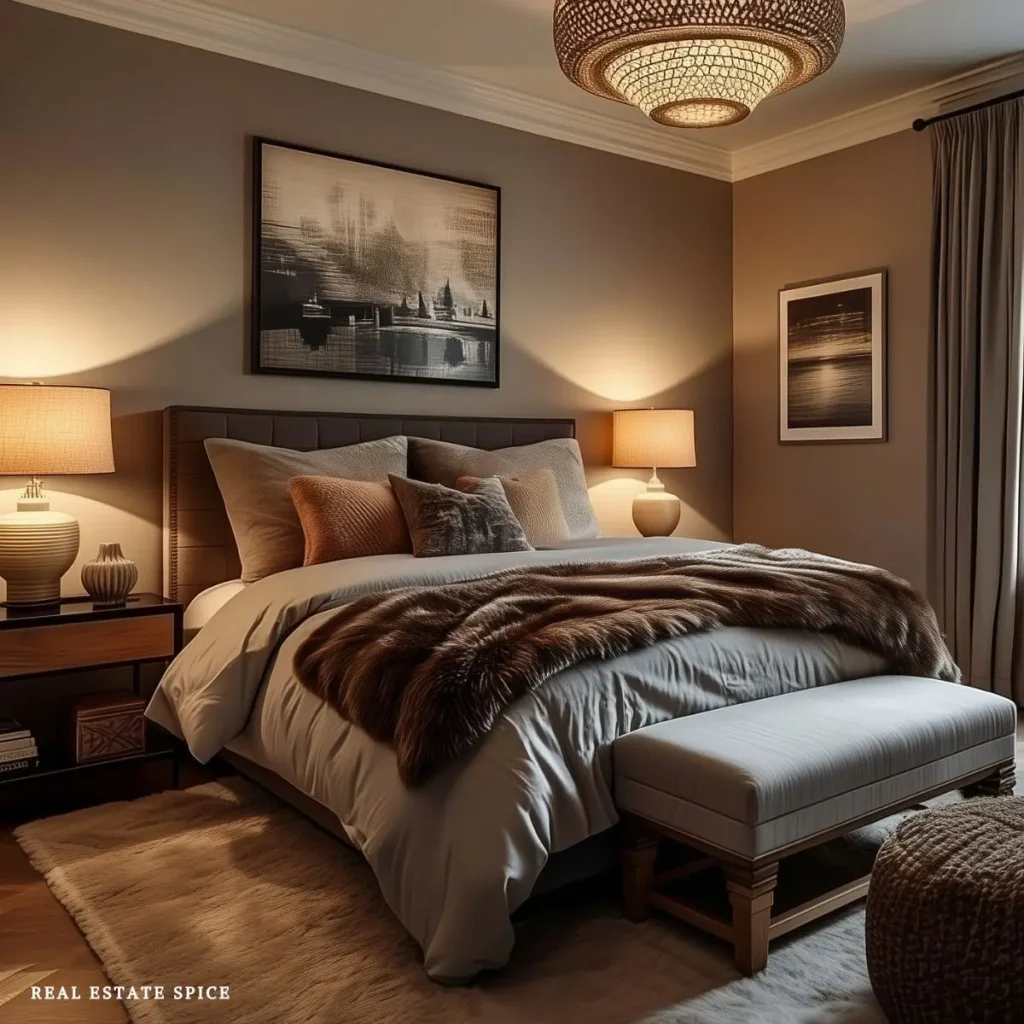
Bedroom lighting isn’t just about buying pretty lamps.
It’s about choosing the lights that make the room feel useful, warm, polished, and comfortable at night.
Start with bedside lighting because that’s the light you use most personally.
Soften the overall room glow with ambient lighting that doesn’t feel harsh.
Then add one or two accent lights, mood lights, or flameless candles and tea lights so the room feels finished after dark.

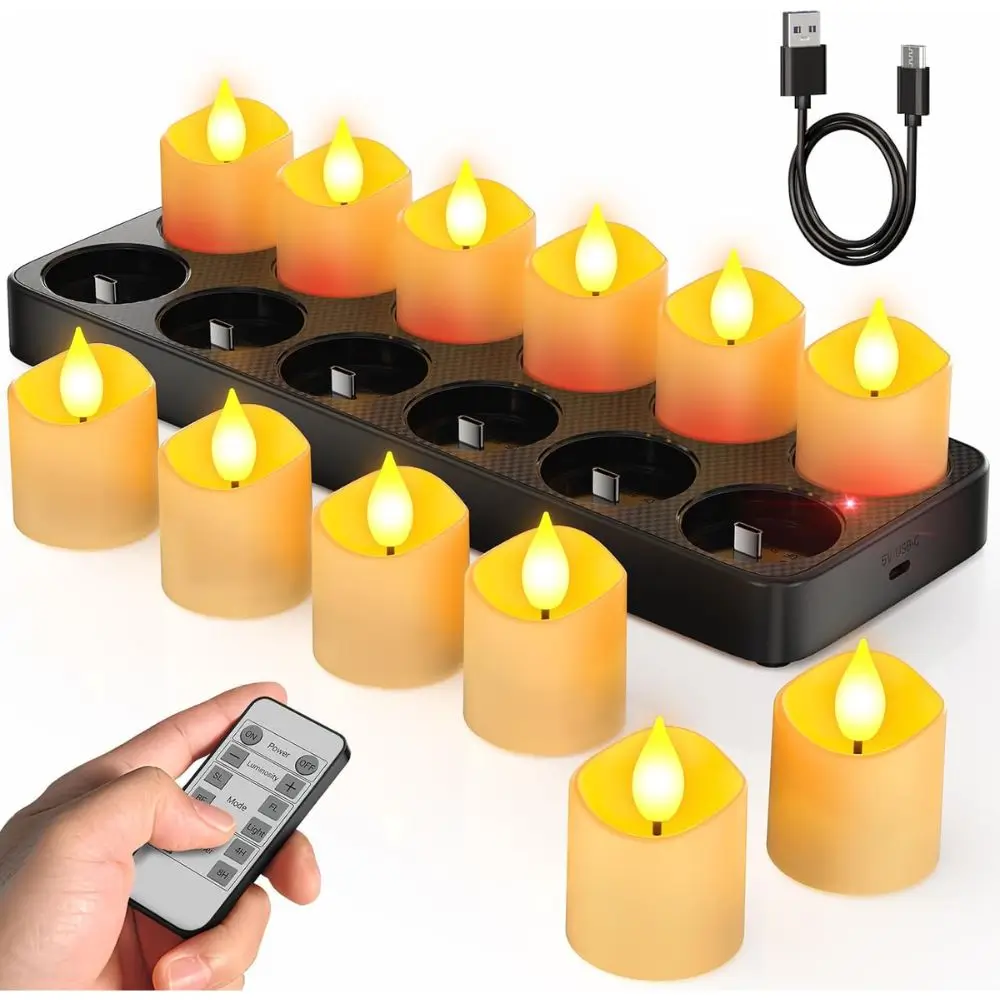
The Bedroom Rule of 3 lighting framework helps you choose the lighting your room actually needs
Rather than guessing your way through lighting the bedroom, you can look at your room and ask what’s missing.
Is the bedside lighting easy to reach and comfortable?
Does the room have a soft general glow?
Is there one finishing light that makes the space feel more polished in the evening?
This simple formula can change everything.
A bedroom with good lighting feels better to walk into, easier to use, and more calming when the day starts winding down.
The right bedroom lighting helps the room support you a little better—especially when the lights go low and all you want is a space that finally lets you exhale.