Bedroom Design for Couples: The Rule of 3 That Works for Both of You

A bedroom shared by two people can be beautiful and still create the same tiny frustrations every night.
One person wants the room dark and cool, while the other has switched on a lamp and pulled up another blanket.
The phone chargers are tangled, the pillows have multiplied, and someone’s book has migrated to the other person’s nightstand.
Be sure to check out these 25 Bedroom Ideas for Couples and the Master Bedroom Layout Rule of 3 after this...

You don’t need identical decorating tastes to create a bedroom you both love.
You also don’t need to split the room down the middle and decorate each side as though two very polite strangers are sharing a hotel.
A good bedroom design for couples brings two people’s preferences, belongings, comfort, and routines into one room.
That sounds simple until one person loves deep green walls, and the other has been saving warm cream bedrooms for six months.
One person may need three nightstand drawers, a reading lamp, water, glasses, and a charging station.
The other may need a pillow and approximately eight inches of clear surface.
Neither person is wrong.

You’re simply designing for two real people with needs, instead of one perfectly coordinated staged bedroom.
That’s where the Bedroom Rule of 3 can help.
One room. Two people. Three priorities.
We’ll make one decision at a time, protect the things that matter to both of you, and leave room for the ordinary habits that appear after the decorative pillows come off the bed.
Grab your favorite beverage, pen, and paper for notes; take your time to study the images, design tips, and products, and enjoy!
ps…remember to save this and come back anytime for a dose of inspo!
Why Bedroom Design for Couples Needs a Different Plan

A shared bedroom isn’t only a decorating project.
It’s where two people sleep, get dressed, charge devices, look for missing socks, read, talk, and recover from days that didn’t always go according to plan.
The bedroom should look connected while still reflecting both of you.
It also needs to work when your schedules, sleep temperatures, storage needs, or ideas about the proper number of pillows are completely different.
I would begin with the decisions that affect both people every day.
You can choose decorative details later.
Get My Free eBook
“100 Easy Ways To Refresh Any Room All Year Round”
The best lamp in the world won’t solve a bed that blocks the closet, and another throw pillow won’t create drawer space where none exists.
Before shopping, look at what each person needs from the bedroom and where the current setup causes frustration.
Maybe one person can’t reach a light without sitting up.
Perhaps the early riser crosses the room four times while the other person is sleeping.
You may have a perfectly lovely dresser that gives one person six drawers and the other person a hopeful little basket.
These are the details that shape how the bedroom works.
Once they’re handled, the colors, bedding, lighting, and personal pieces become much easier to bring together.
Priority 1: Choose One Bedroom Direction You Both Like

The first priority is choosing a shared design direction without asking either person to surrender every preference.
You don’t need to agree on every color, furniture shape, or piece of art.
You need enough common ground that the bedroom looks connected instead of resembling two separate decorating plans that met beside the bed.
Start With Concrete Choices Instead of Style Labels

Words such as modern, traditional, cozy, or masculine can mean very different things to different people.
One person’s modern bedroom has pale oak, soft linen, and curved furniture.
The other person’s version has charcoal walls, black metal, and furniture with very straight lines.
Neither picture is wrong, but saying “Let’s make it modern” hasn’t solved much yet.
I would skip the broad label and compare specific choices.
Do you both like warm wood?
Would you rather have an upholstered bed or a wood frame?

Do you prefer lighter walls with darker furniture or a room with deeper color?
Would you both enjoy simple bedding with one pattern, or does one of you want more color and texture?
Those questions give you something useful to work with.
Try what I call the Three-Image Check.
Each person chooses three bedroom images they would be happy to live with.
Don’t choose twenty-five images and turn Saturday morning into a design conference.
Three from each person is enough.
Place the six images together and look for anything that repeats.
You may notice that both of you chose wood furniture, substantial headboards, soft lighting, blue bedding, or rooms with very little clutter.
The bedrooms don’t have to look alike.
You’re looking for the pieces, colors, and shapes that already appeal to both of you.
Those repeated details can become the beginning of your shared direction.
For more visual possibilities, browse the bedroom decor ideas for couples in the companion inspiration article.
That page gives you individual looks to consider, while this formula helps you decide how to combine your choices.
Choose the Shared Foundation Before the Smaller Details
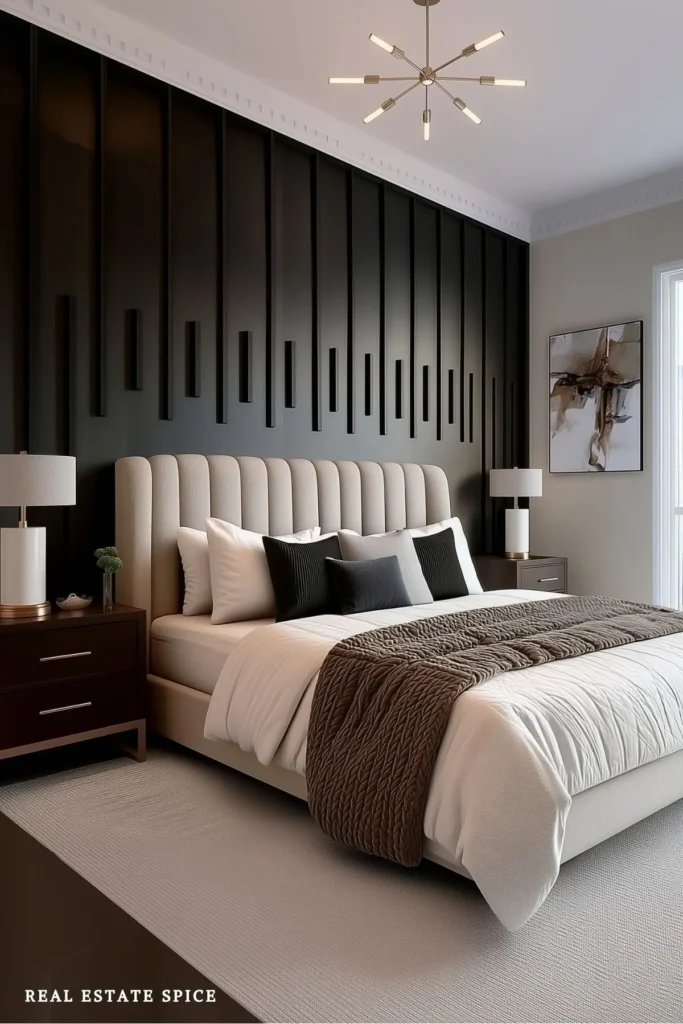
Once you find common ground, use it on the largest parts of the bedroom.
The walls, bed, primary furniture, rug, and curtains create the foundation.
They’re also the pieces you’re less likely to replace because someone suddenly falls in love with a new throw pillow.
Choose a wall color or main neutral that both of you can comfortably live with.

This paint is perfect for a one-coat job. It goes on smoothly and dries quickly too!
Then select one or two finishes to repeat through the furniture and lighting.
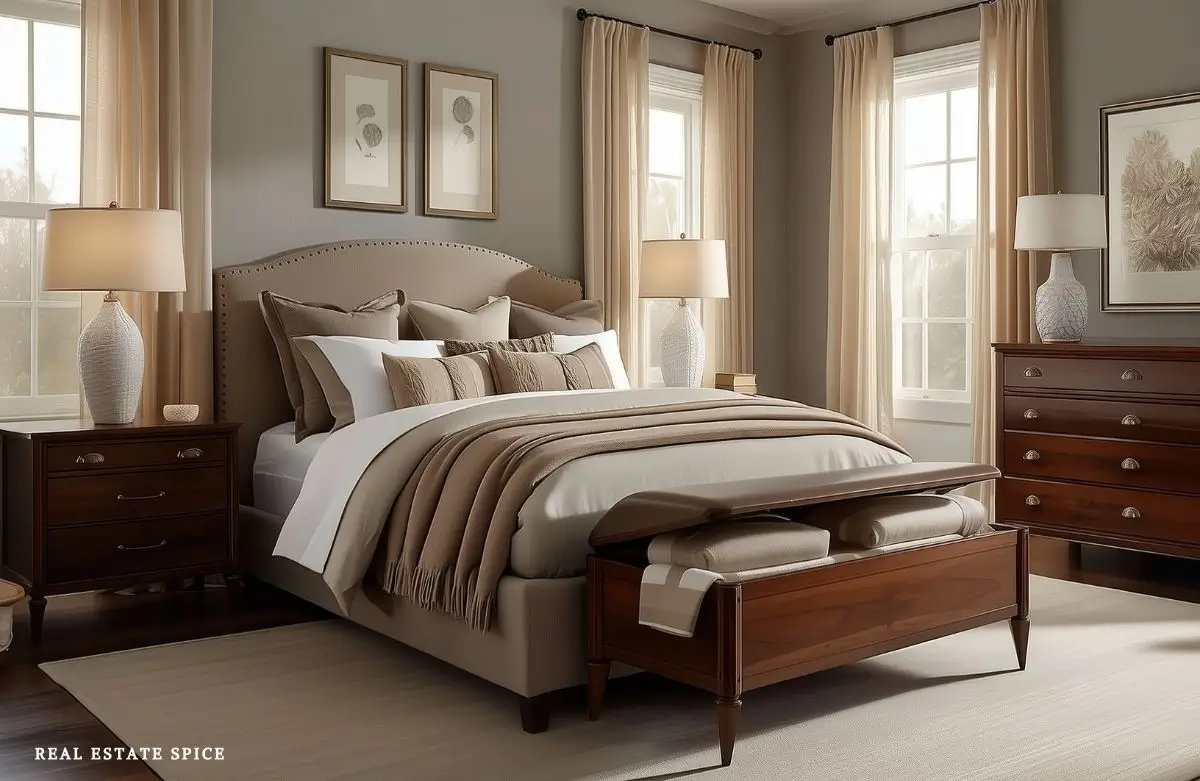
You might combine warm white walls, walnut furniture, and dark bronze lighting.
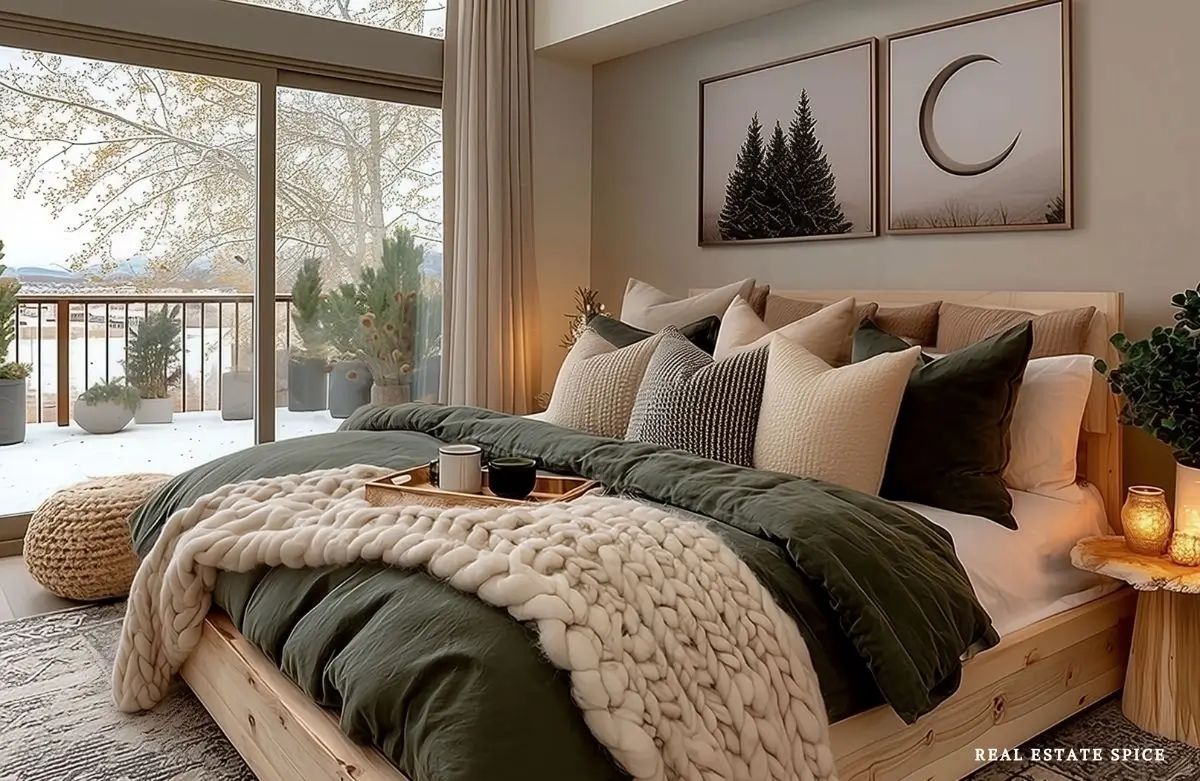
Another room may use sage walls, cream fabric, and natural oak.
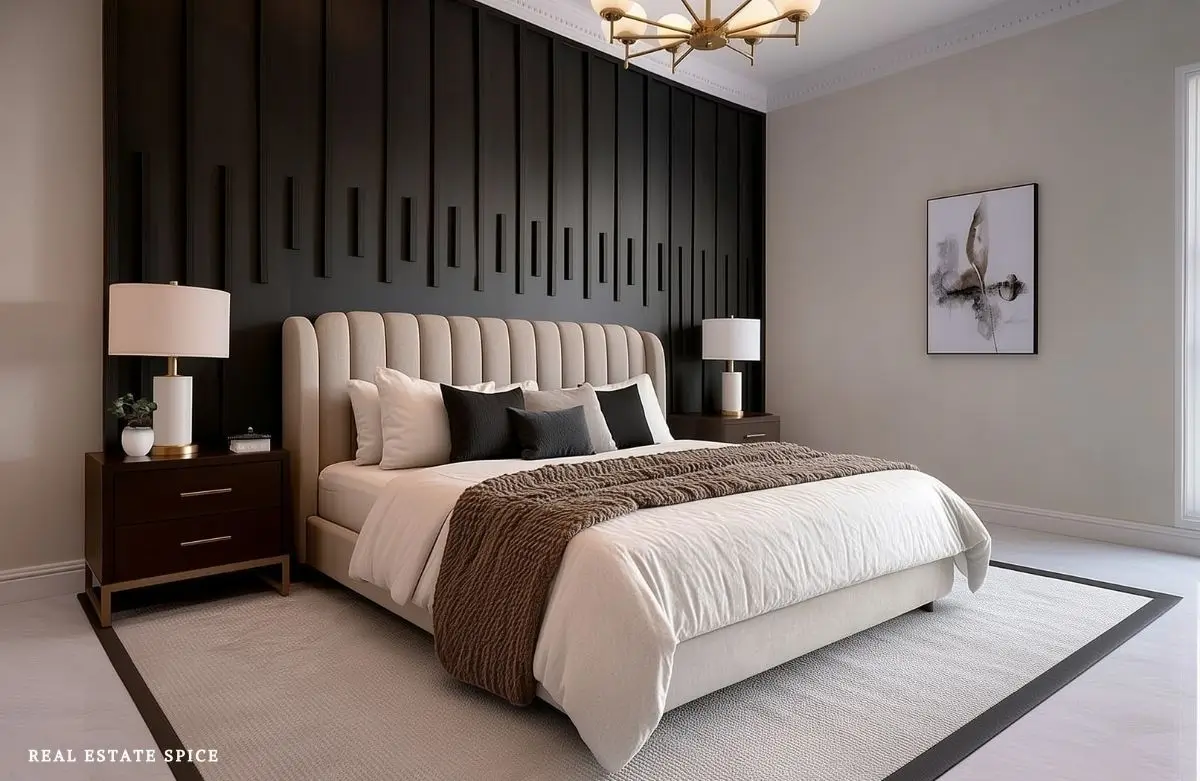
A darker bedroom could bring together charcoal, warm brown, ivory, and a small amount of rust.
If color is where the discussion keeps getting stuck, calming bedroom colors can help you compare the shades that make the room more comfortable for each of you.
Once you choose the colors, the Bedroom Color Rule of 3 will help you decide where each one belongs.
The shared foundation doesn’t need to be bland to keep the peace.
It only needs to give the bedroom a clear direction.
A deep green wall can work beautifully if both people like it.
A complete matching bedroom set can also be a practical choice if you want the major pieces handled without comparing forty-seven nearly identical wood tones.
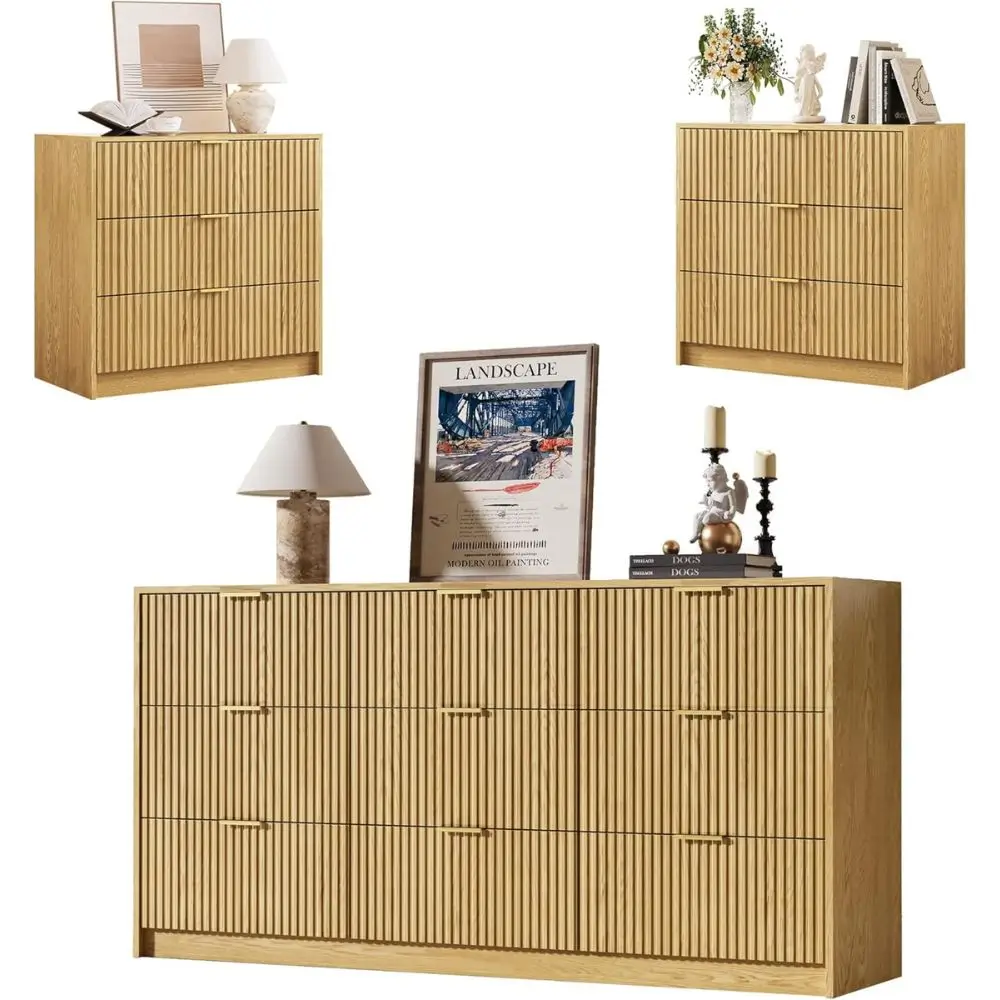
You can add personality through the bedding, lamps, art, hardware, and smaller furniture.
There’s no prize for making every purchase harder than it needs to be.
Let Each Person Keep Something Personal
A shared bedroom should include signs of both people who live there.
That doesn’t require matching monograms, framed wedding vows, or a giant sign announcing that love lives here.
It may be a photograph from a favorite trip, a piece of art one person has owned for years, a small collection, or the books each person reaches for at night.
Give personal things enough room to be noticed.
One important photograph above a dresser will say more than twelve tiny frames squeezed between bottles, cords, and whatever came out of someone’s pocket yesterday.
If one person loves a piece the other wouldn’t have chosen, look for a way to connect it to the room.
A new frame may repeat the wood finish on the nightstands.

A favorite textile can appear as one pillow instead of covering the entire bed.
A colorful painting may provide the accent colors for the bedding.
You don’t have to love your partner’s favorite object as much as they do.
You only need to find a place where it can belong without taking over the bedroom.
The room will look more personal because it wasn’t selected from one page of a catalog.
But, Jaymie, What if Our Styles Are Completely Opposite?
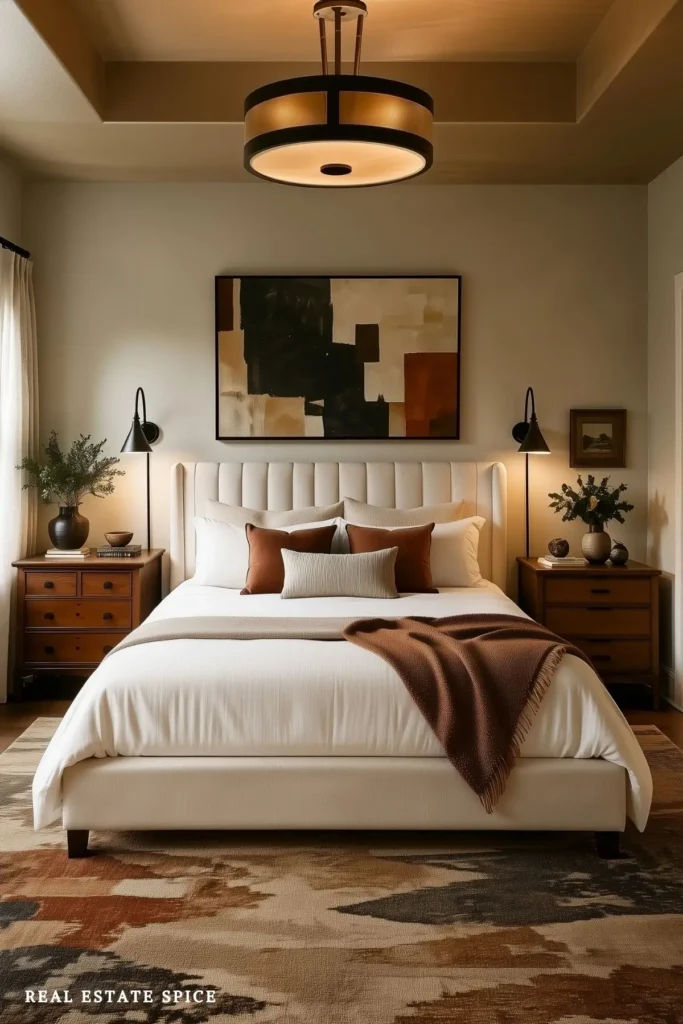
You may be thinking, “But, Jaymie, I love warm traditional rooms, and my partner wants everything sleek and modern.”
Start with one major piece from each direction.
Pair a simple upholstered bed with wood nightstands that have more detail.
Place modern lamps on a traditional dresser.
Use clean-lined furniture with a vintage rug or framed art that adds character.
Then repeat one color or finish across both styles.
Black hardware can connect a modern lamp to a traditional dresser.
A walnut can tie newer furniture to an older wood piece.
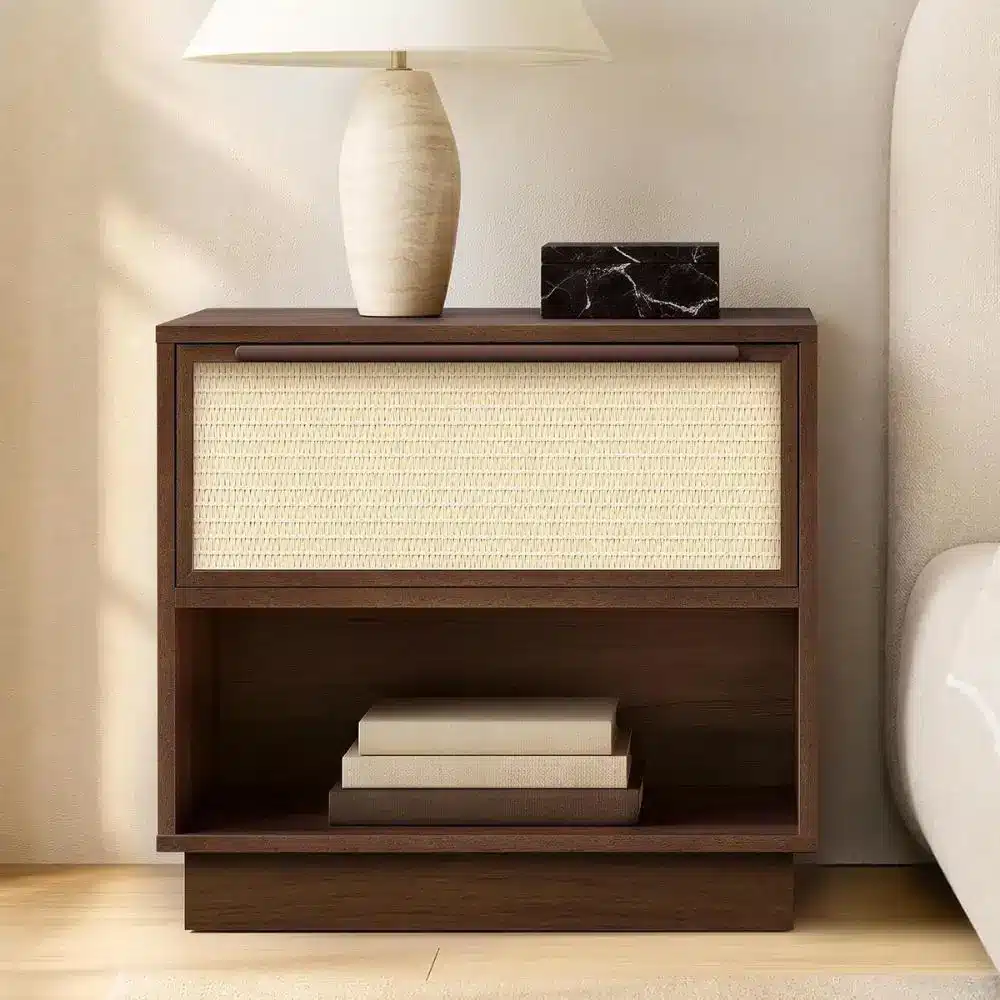
Cream fabric can soften both dark contemporary furniture and heavier traditional pieces.
The room doesn’t need one style to defeat the other.
It needs a few visible details that bring the different pieces together.

If your choices still look disconnected, simplify what sits closest to the bed.
The bed wall carries a great deal of visual weight.
A clear wall color, a substantial headboard, and coordinated bedside lighting can make different furniture styles look far more connected.

You may also find that one person cares deeply about the furniture while the other cares more about comfort, lighting, or color.
That gives each person a decision without forcing both of you to become equally excited about drawer hardware.
Priority 2: Make Room for Each Person’s Comfort and Everyday Things

The second priority is making the bedroom comfortable for two people with different bodies, belongings, and bedtime habits.
A beautiful shared bedroom still needs places for water, phones, glasses, books, blankets, clothing, and all the other things that refuse to disappear for a photograph.
Comfort isn’t a finishing touch.
It belongs in the plan from the beginning.
Give Each Person a Bedside Setup That Fits What They Use
Matching nightstands can look polished, but both sides don’t have to work in exactly the same way.
One person may want drawers for medication, reading glasses, a journal, and charging cords.
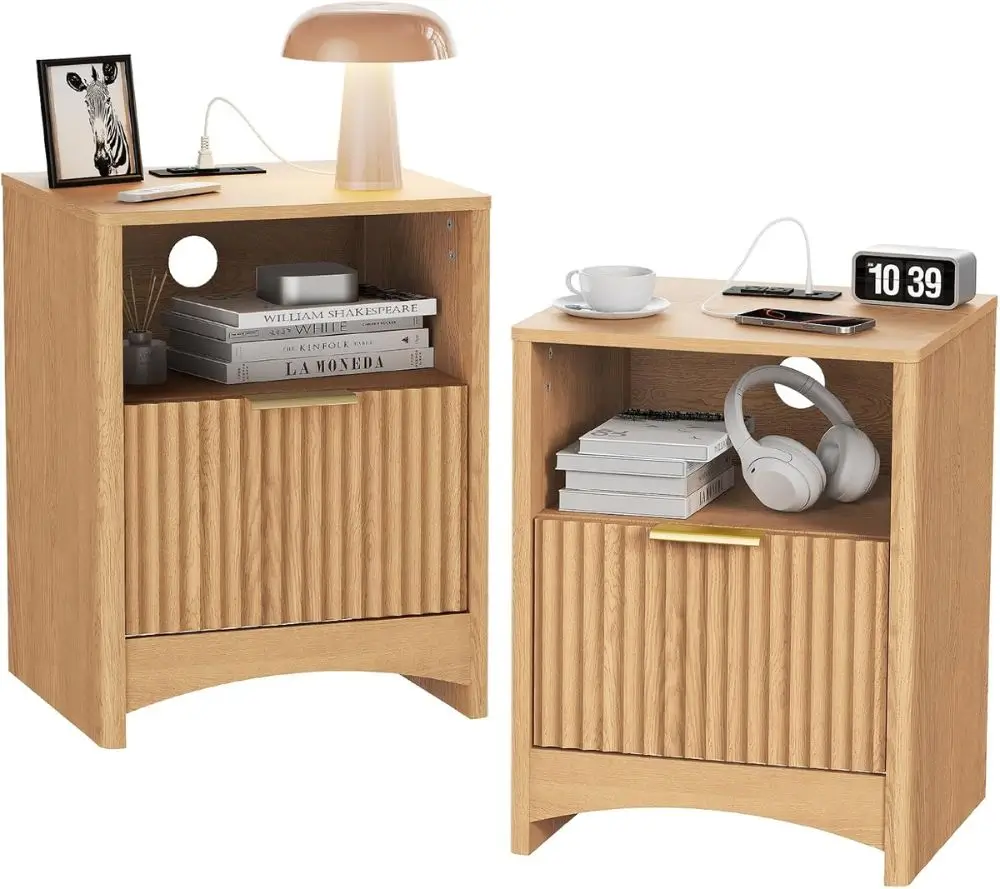
The other may only need a lamp, phone, and glass of water.
Choose nightstands that fit those different needs.
They can still share a wood tone, height, color, hardware finish, or general shape.
If one side needs three drawers and the other needs one, that difference won’t ruin the bedroom.
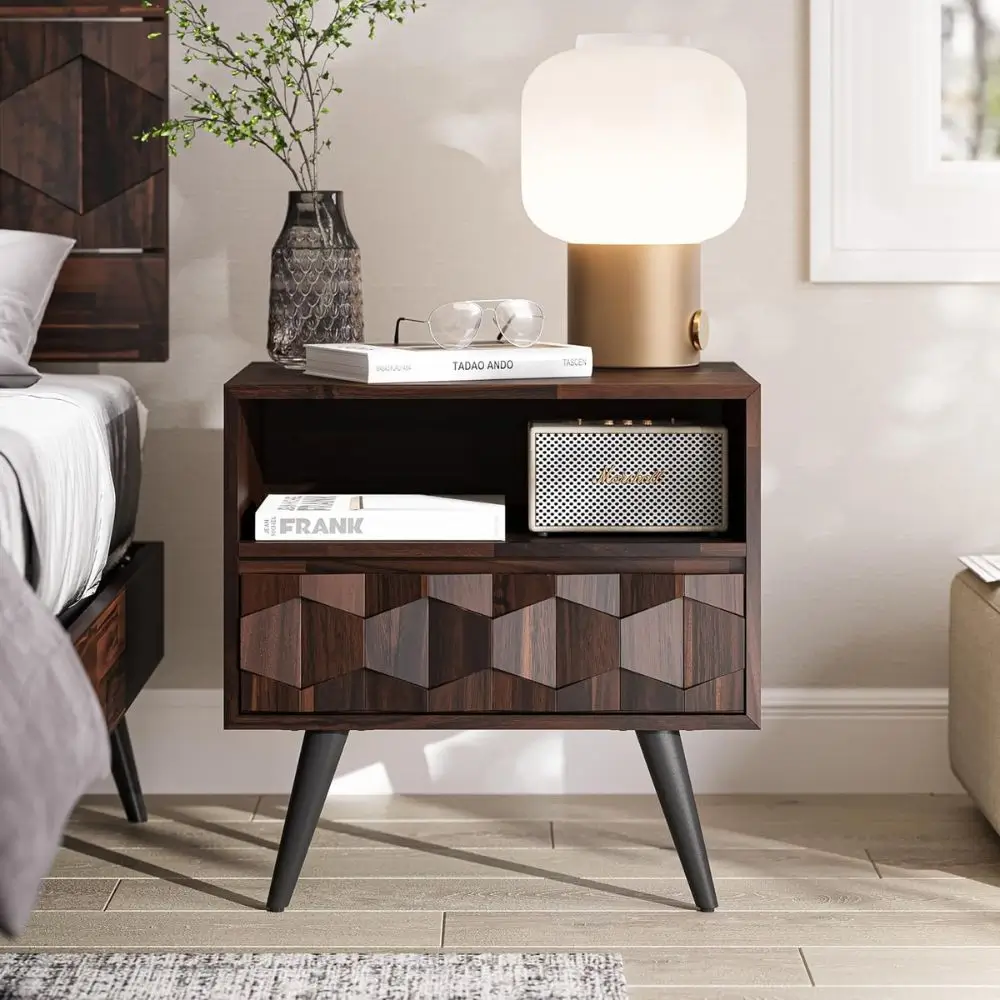
It may prevent a collection of bedtime necessities from gathering on the floor.
Check the height of each table against the top of the mattress.
You should be able to reach the lamp, water, and phone without twisting around like the bedside table is hiding from you.
JAYMIE’S PRO TIP
Will the Nightstand Work From Bed?
Sit on each side of the bed. Reach for the light, plug in a phone, set down a glass, and open every drawer. If you have to twist, stretch, or block the walkway, the table isn’t right for that side. Test the setup with your body—not the product photo.
A nightstand can look perfectly sized until the bed, lamp, phone, water glass, and your arm all arrive at the same time.
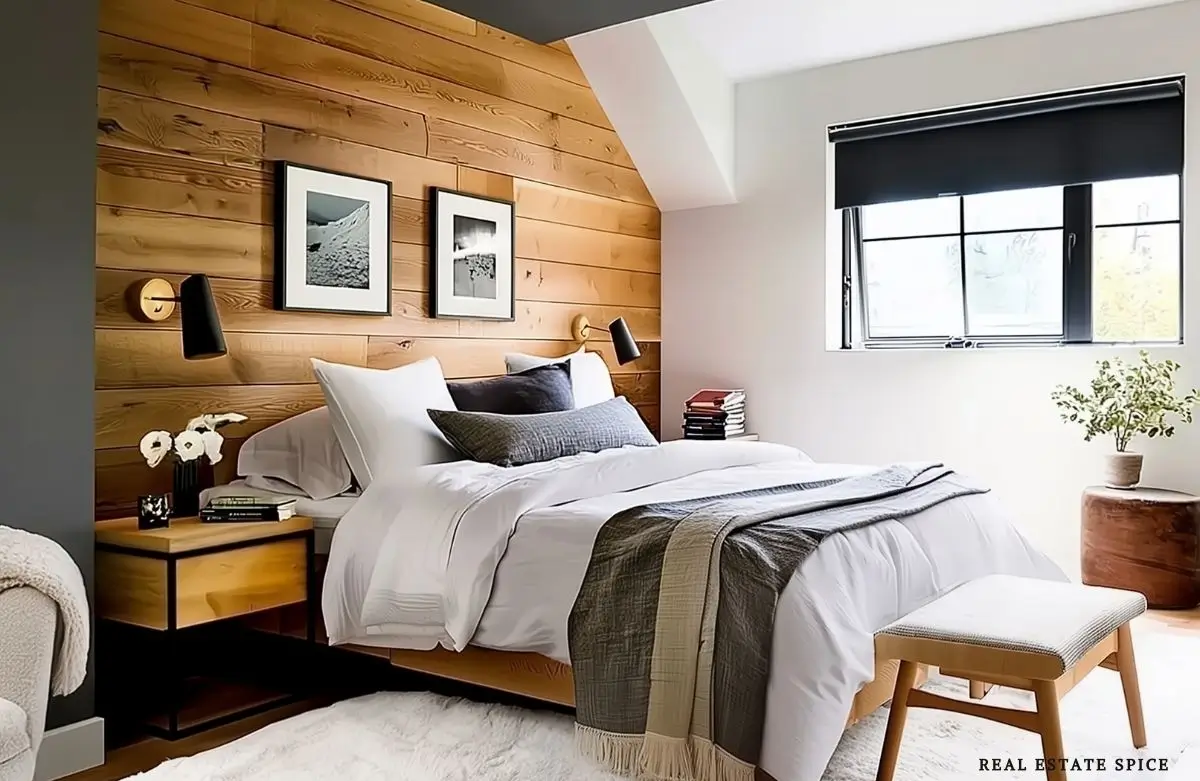
In a small room, use a narrow table, floating shelf, or wall-mounted light on the tighter side.
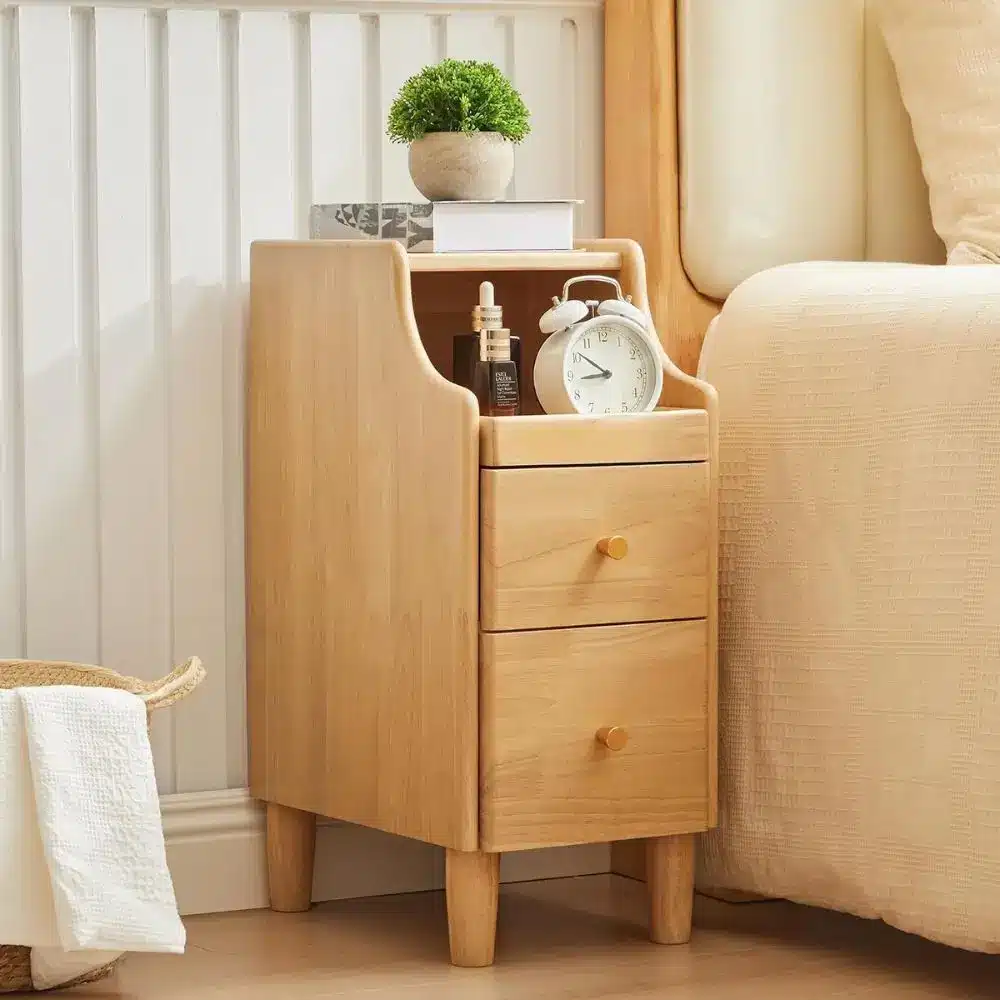
The two bedside areas may look different, but each person should have a practical place for what they use.
The Bedroom Furniture Rule of 3 can help you connect the bed, nightstands, and dresser after you know what each piece needs to provide.
Make the Bed Comfortable for Two Different Sleepers

The bed is the most important piece in a couple’s bedroom.
If it looks wonderful but neither person sleeps well, the room has missed the point.
Begin with the mattress, pillows, sheets, and blankets you use every night.



Globan Hotel Collection Down Feather Pillow (A Splurge But Worth It)

One person may prefer a firmer pillow while the other needs a softer one.
Someone may sleep hot.
The person beside them may have wrapped themselves in enough blankets to prepare for a northern expedition.
Keep a separate blanket on each side of the bed so each person has the warmth and weight they prefer.


Nobody needs to begin a midnight negotiation over six inches of blanket.
Keep the decorative pillow arrangement reasonable too.
A few beautiful pillows can make the bed look finished.
A nightly removal ceremony involving twelve pillows, two bolsters, and an unidentified round cushion may become less charming by Wednesday.
I’d keep the pillows that add color, comfort, or shape.
If you want to build comfortable layers without overloading the bed, use the Bedroom Bedding Rule of 3.
Comfort may also include blackout curtains, a fan, a bedside rug, or a mattress topper.

Talk about what each of you needs to sleep well before spending the budget on decorative pieces.
The bed should help both people settle in at night.
It shouldn’t merely look ready for company.
Divide Storage According to What Each Person Owns
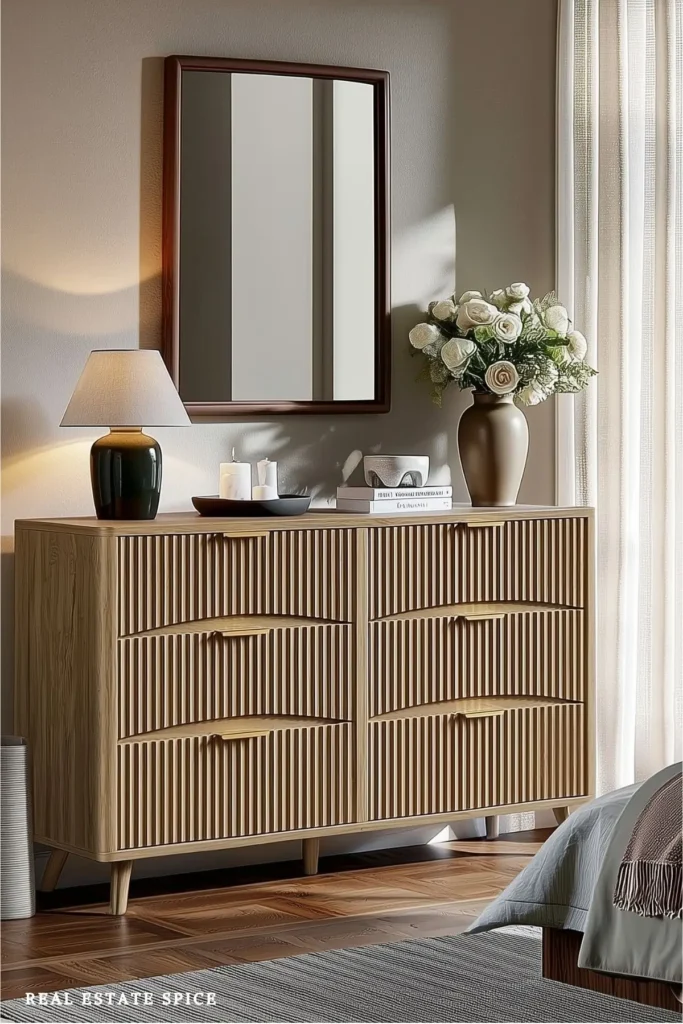
Shared storage doesn’t always need to be divided exactly in half.
One person may hang most of their clothes and need very little dresser space.
The other may own folded sweaters, workout clothes, and enough T-shirts to fill three drawers before the sweaters even get a turn.

Look at what each person owns before assigning drawers, shelves, and closet sections.
Equal access matters more than identical amounts of every storage type.
Give frequently used things the easiest locations.
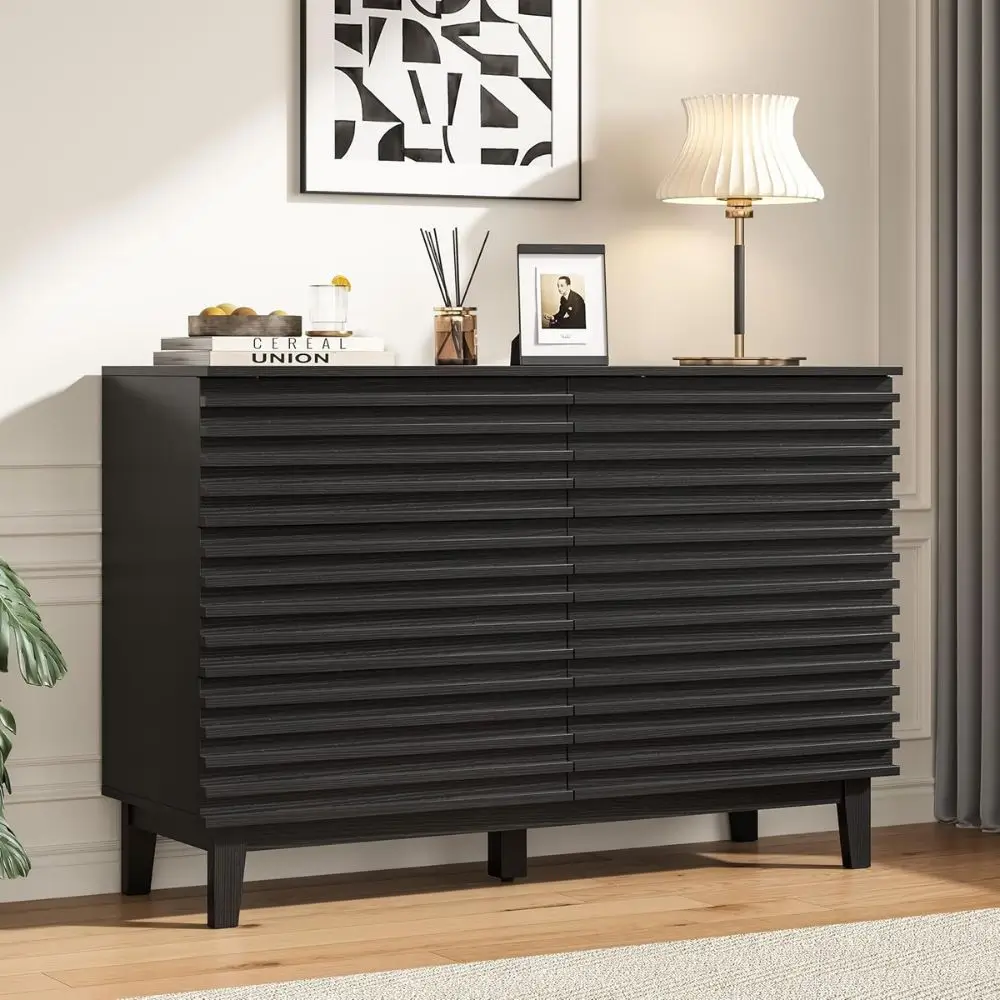
Everyday clothes should be reachable without moving a suitcase, lifting a storage bin, or asking the other person to step aside.
Less-used pieces can go higher in the closet or beneath the bed.
Keep personal items together instead of spreading them across every available drawer.
When each person knows where their things belong, mornings become easier, and fewer belongings migrate to the bench, chair, or floor.

A hamper should also sit near the place where clothes usually come off.
If clothing collects beside the bed every night, the hamper may be too far away, too small, or hidden behind a door.
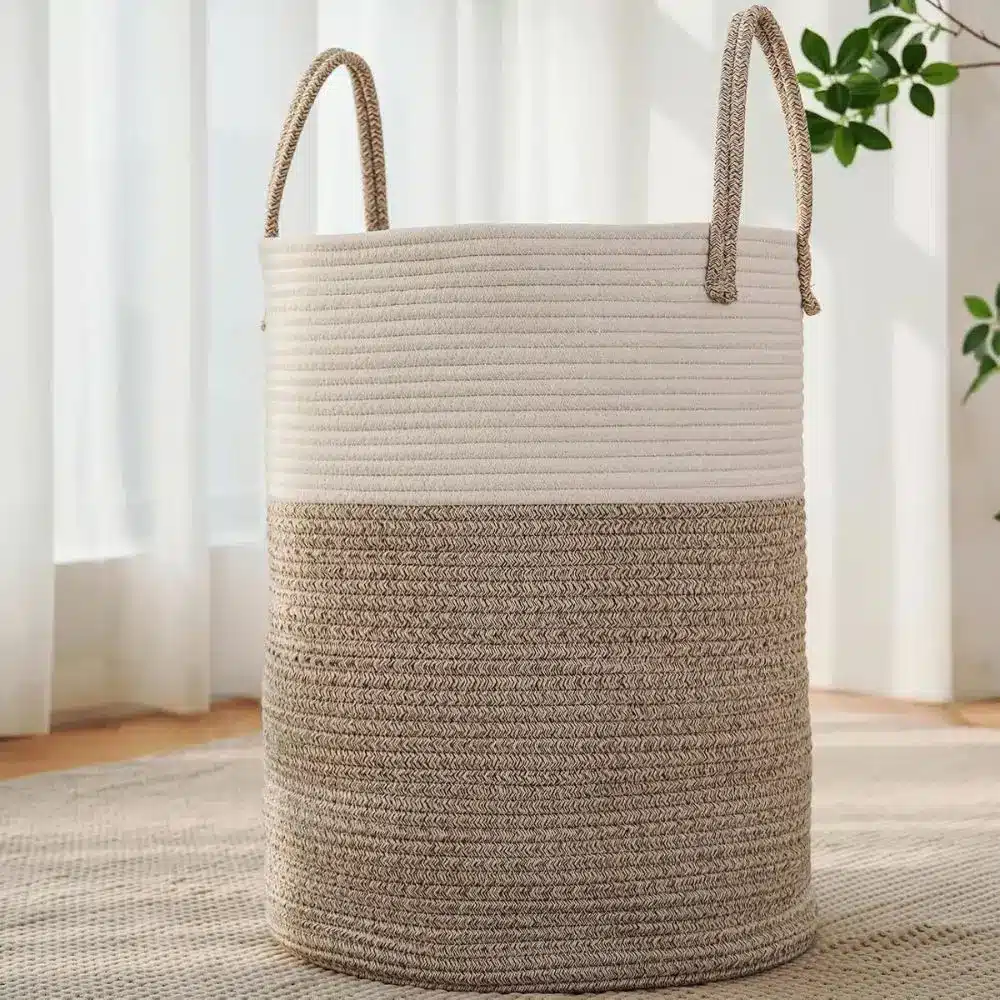
That pile isn’t a character flaw.
It’s useful information about where the storage needs to be.
For a deeper plan, the Bedroom Storage Rule of 3 will help you separate daily belongings, hidden storage, and the pieces you want to display.
You May Also Like:
→ The Bedroom Furniture Rule of 3
→ 50 Bedroom Decorating Ideas This Year
→ The Bedroom Storage Rule of 3 to Turn Clutter Into Calm
Keep a Small Couples Bedroom Fair Without Forcing Symmetry
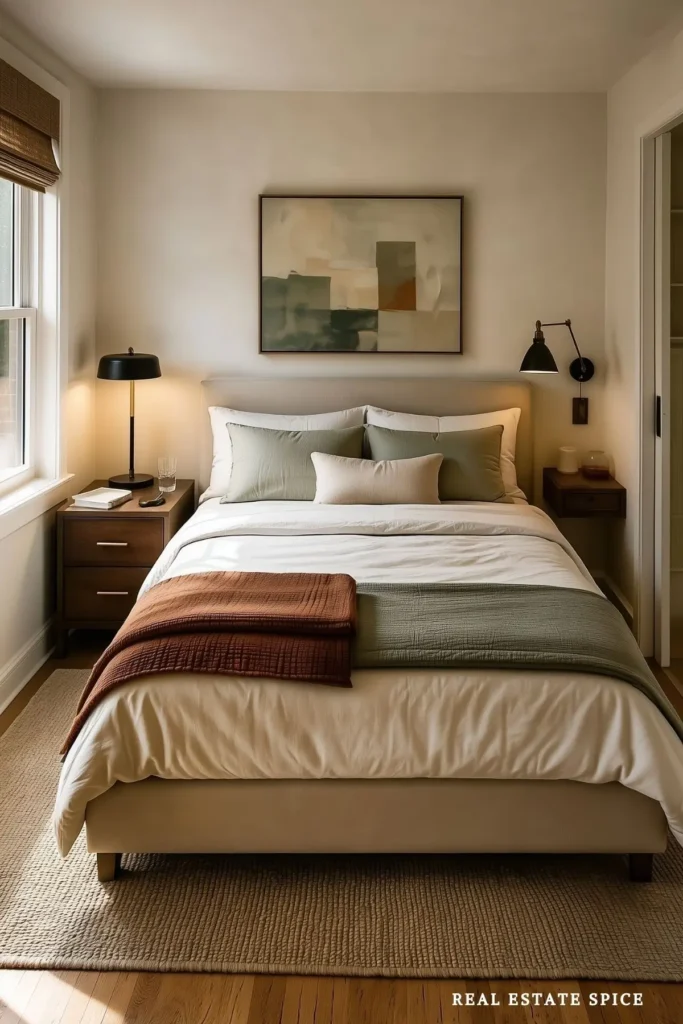
A small bedroom may not have room for two full nightstands, two dressers, a bench, and generous walking paths.
That’s okay.
Protect the bed, each person’s essential bedside needs, and a usable route through the room.
Make less important furniture smaller or leave it out entirely.
If only one full nightstand fits, give the tighter side a wall shelf and mounted light.
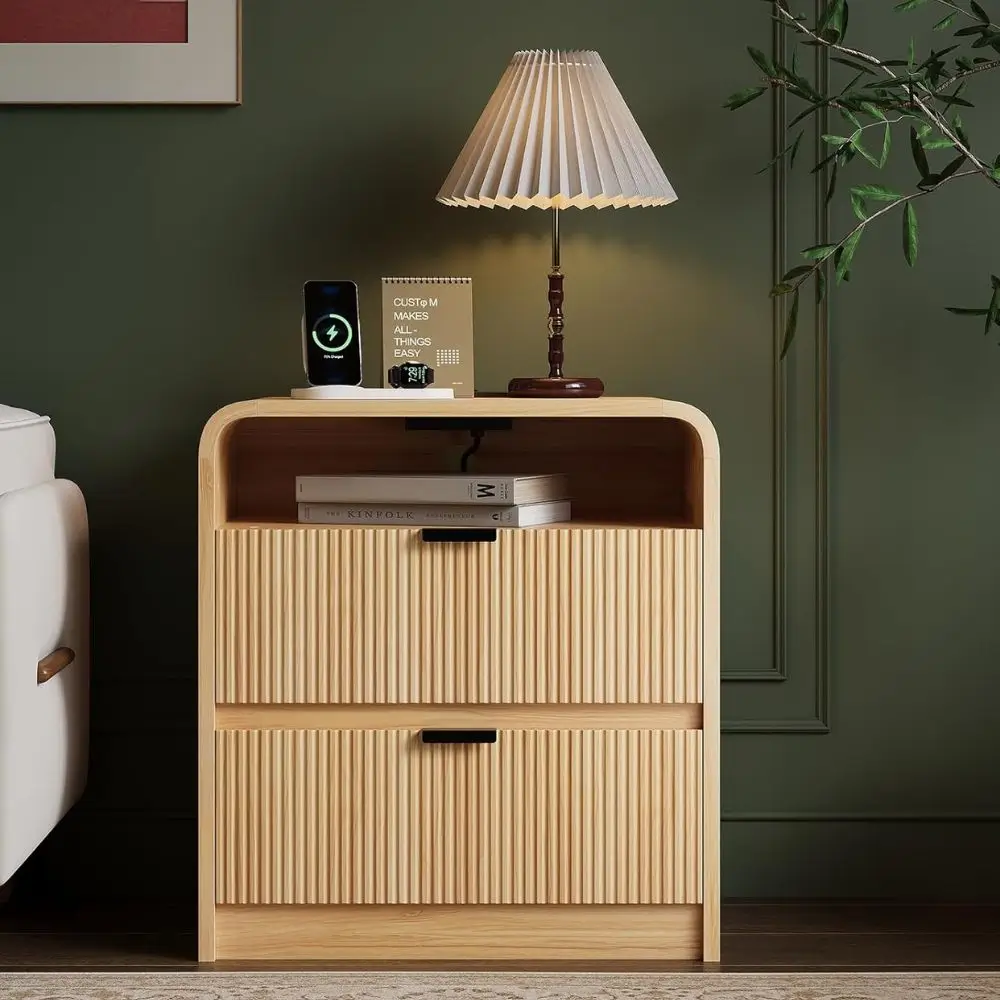
If one dresser fits better than two, divide it according to what each person stores.
A tall dresser may give you more useful storage without taking up an entire wall.
Under-bed storage can hold seasonal clothing, extra bedding, or shoes.
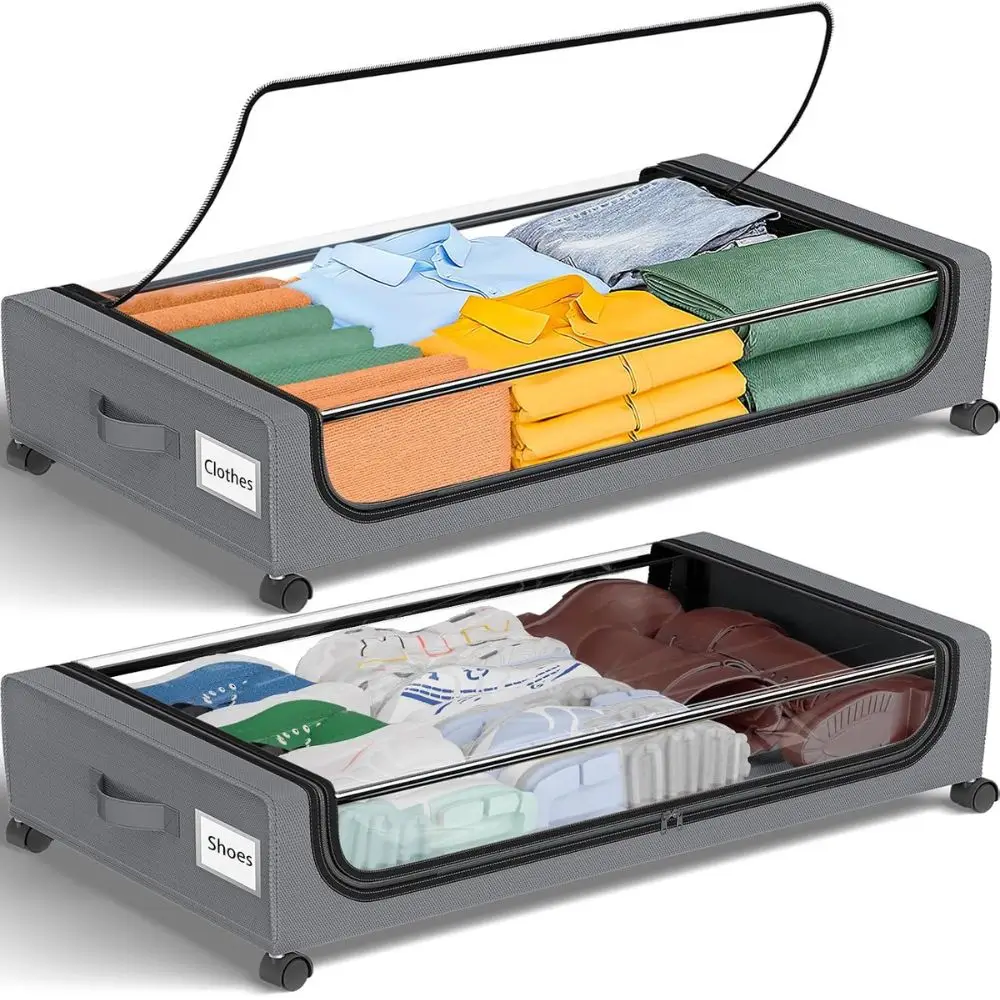
Choose containers that pull out from the side you can reach.
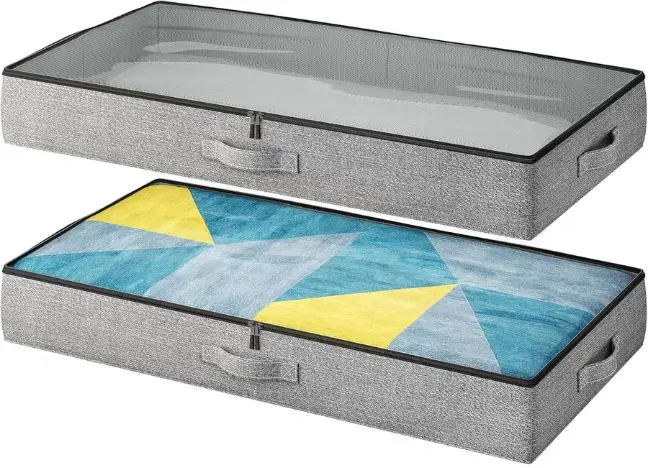
There’s no point filling the space beneath the bed with clever storage that requires moving the nightstand and lifting the mattress every time you need a sweater.
Try to keep both sides of the bed accessible whenever the room allows.
If the bed must sit against a wall, keep a clear route near the foot so the inside sleeper can get out without climbing over the other person.
Good small bedroom ideas for couples solve the daily problem first.
They don’t squeeze in miniature versions of every piece found in a larger room.
The Small Bedroom Rule of 3 goes further into choosing furniture, storage, and open floor space for a compact bedroom.
Priority 3: Plan for the Routines You Share—and the Ones You Don’t

The third priority is planning for the way both of you move through the bedroom.
You may share the bed, but your morning and evening routines may not follow the same schedule.
One person gets up first.
One reads later.
One watches television.
One opens the closet before the sun has committed to the day.
A strong bedroom design for couples makes those different routines easier without turning the room into two separate camps.
Follow Each Person’s Morning Routine Separately
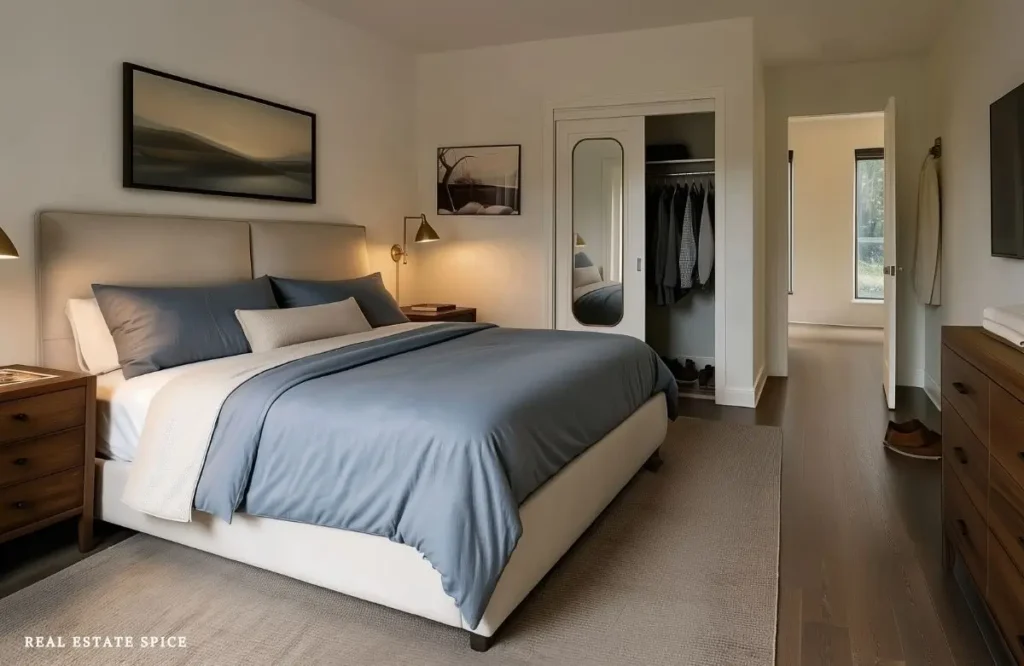
Walk through the bedroom once for each person.
Start in bed.
Then move to the bathroom, closet, dresser, mirror, shoes, and bedroom door in the order you normally use them.
Notice where the paths cross.
Does the early riser have to walk around the bed several times?
Can one person open the closet while the other uses the dresser?
Does the bathroom door block the person standing at the mirror?
JAYMIE’S PRO TIP
Take the Tuesday-Morning Test With Everything Open
Open the closet, extend the dresser drawers, and move through the bathroom doorway in the order you normally use them. If either person has to circle the bed or wait for a door to close, move the everyday items closer to their route. Test the room during a real morning—not when every door and drawer is neatly closed.
The early riser may need clothing, shoes, and a mirror closer to the bathroom and bedroom door.
The person who gets ready later may be perfectly comfortable using the dresser across the room.
Sometimes the improvement is surprisingly small.
Moving a mirror, changing which drawers belong to each person, or sliding a hamper closer to the closet may remove several unnecessary trips.
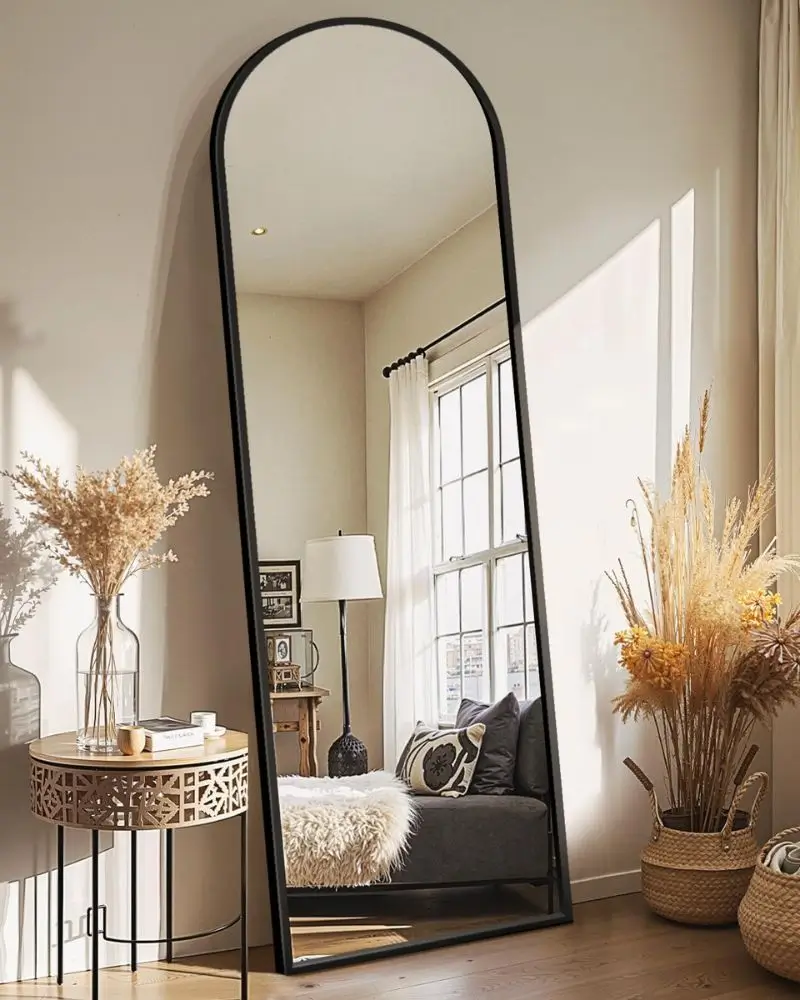
For a complete look at the paths between the bed, closet, bathroom, and dressing area, use the Master Bedroom Layout Rule of 3.
Use Bedroom Lighting That Works for Different Bedtimes

One overhead fixture can’t handle every bedroom activity well.
You need brighter light when you’re searching for clothing.
You may want softer light while getting ready for bed.
A person who reads needs focused light that doesn’t shine directly across the other pillow.
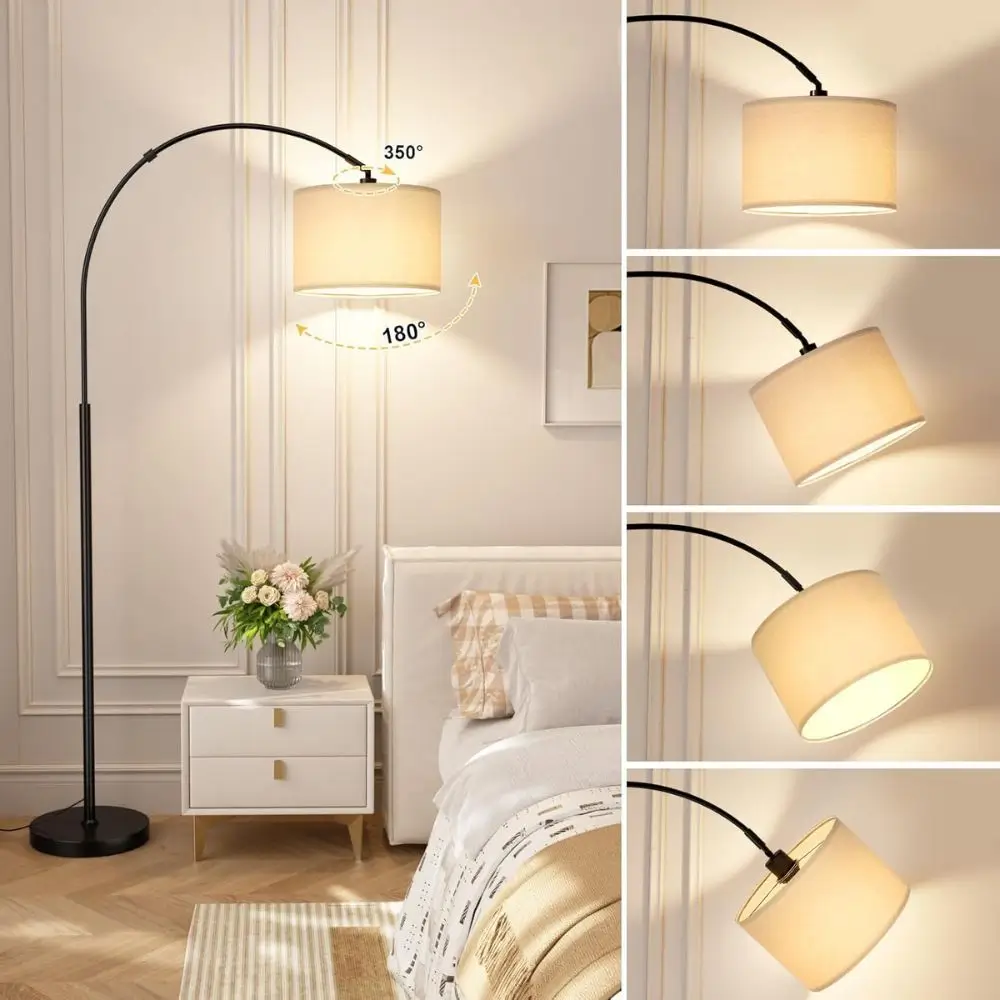
Give each side of the bed its own light whenever possible.
The fixtures may match, but the bulbs, brightness, or direction can suit each person.
An adjustable sconce or reading lamp is especially helpful when one person stays awake later.
If the lamp lights both faces as though the bedroom has begun an interrogation, it needs a better shade, lower brightness, or a new direction.
Add a dimmer or remote control when it makes the lighting easier to use from bed.

I love a light you can turn off without climbing out from beneath warm blankets and crossing the room.
Place another soft light near the dresser or closet if someone regularly gets dressed while the other person sleeps.
That may prevent the early riser from switching on the overhead light and illuminating the entire room at six in the morning.
I love these motion sensor lights. I have them in the bedrooms, bathrooms, and hallways.
Each one softly illuminates the area as you walk past them. They really are great.

The Bedroom Lighting Rule of 3 explains how to combine bedside, ambient, and softer evening lighting.
The fixtures should look connected, but they don’t need to perform the same task.
Plan for How You Both Use the Bedroom in the Evening

Talk about what each person does in the bedroom before adding furniture or electronics.
Do you read in bed?
Does one person watch television while the other falls asleep?
Will either of you work at a desk?
Would you use a chair for coffee or conversation?
Name the real activity before buying something for it.
A chair can be wonderful if one of you reads, puts on shoes, or likes having a place to sit at the end of the day.
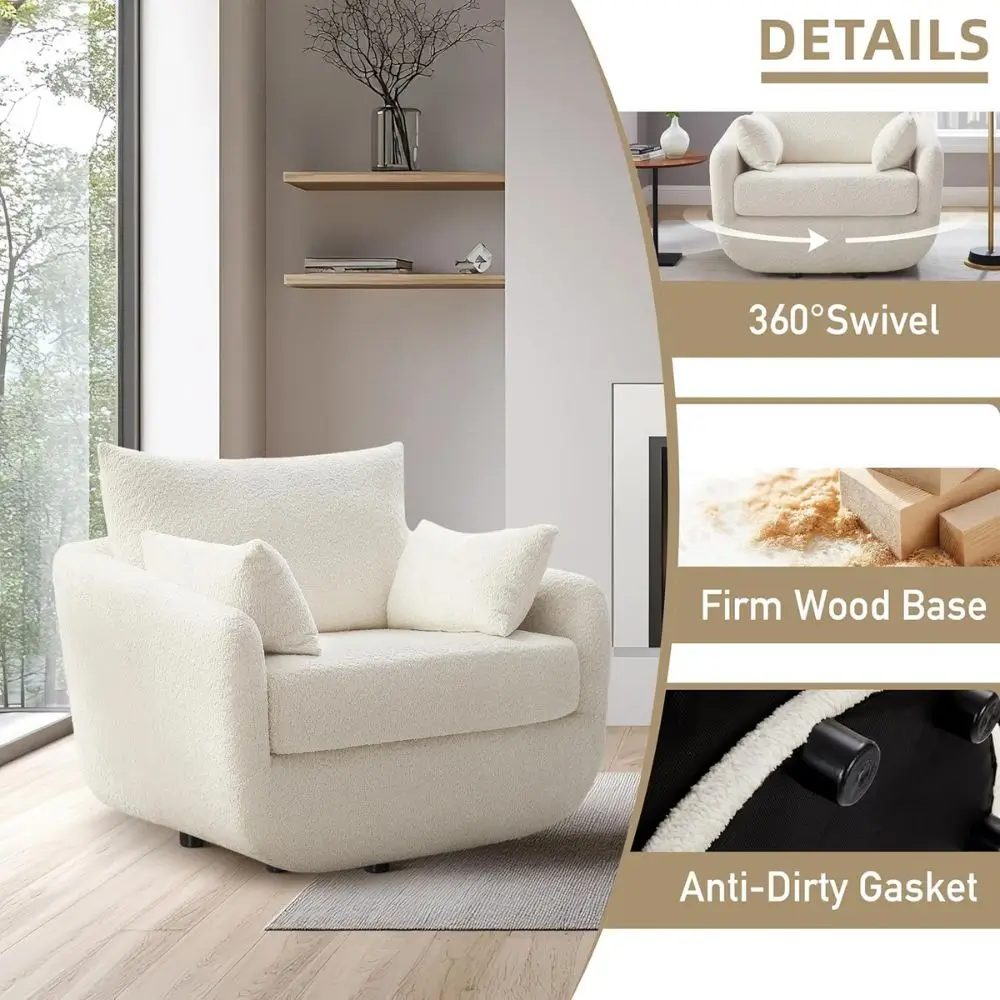
If nobody can name a likely use, that chair may be interviewing for a position in the clothing department (as storage).
A television can also work in a shared bedroom when both people want it.
Decide where it will go, how you’ll control sound and light, and whether it stays on after one person is ready to sleep.
Headphones, a sleep timer, or an agreed stopping time may do more for the room than another decorative purchase.
If one person works in the bedroom, keep the desk away from the bed when space permits.
Use closed storage for papers, cords, and work supplies.
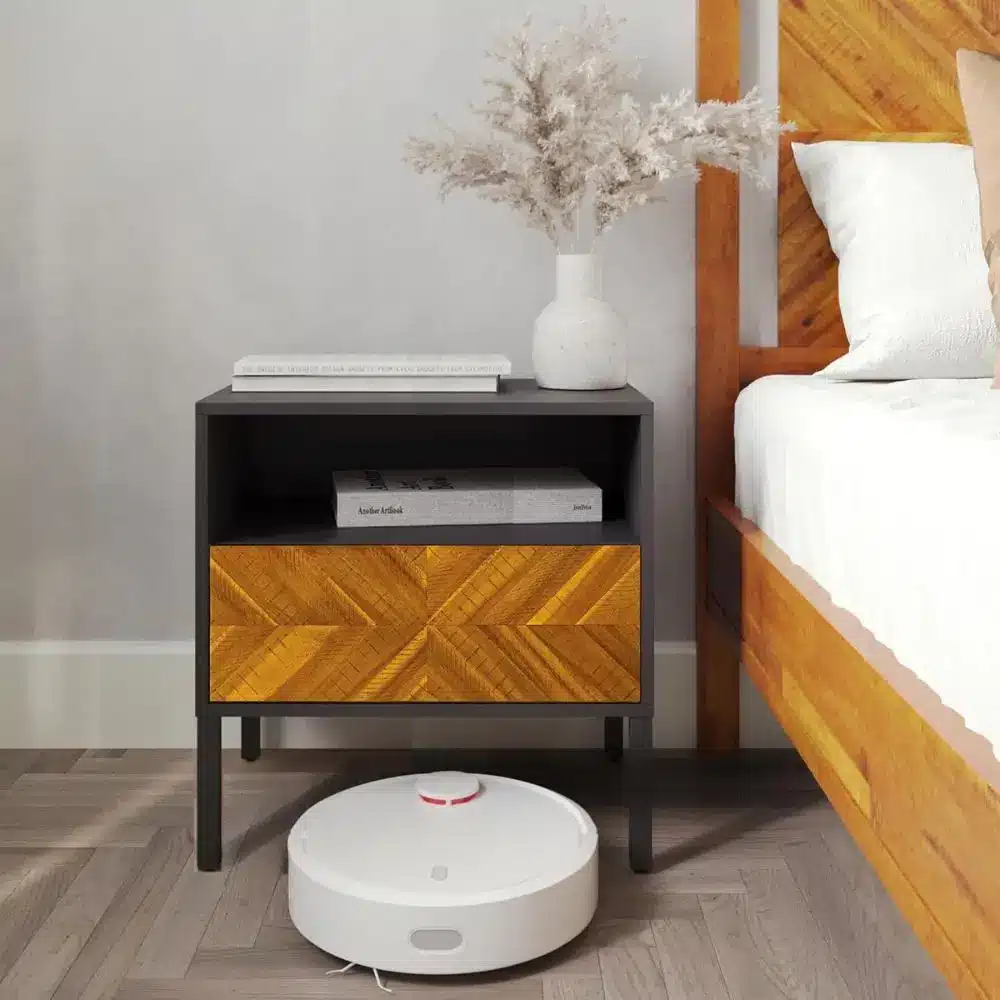
The computer shouldn’t be the last thing you see at night if looking at it immediately reminds you of tomorrow’s unfinished list.
A bedroom can support more than sleep.
Those activities simply need to fit into the room without interfering with either person’s rest.
Try the New Arrangement Before You Buy More
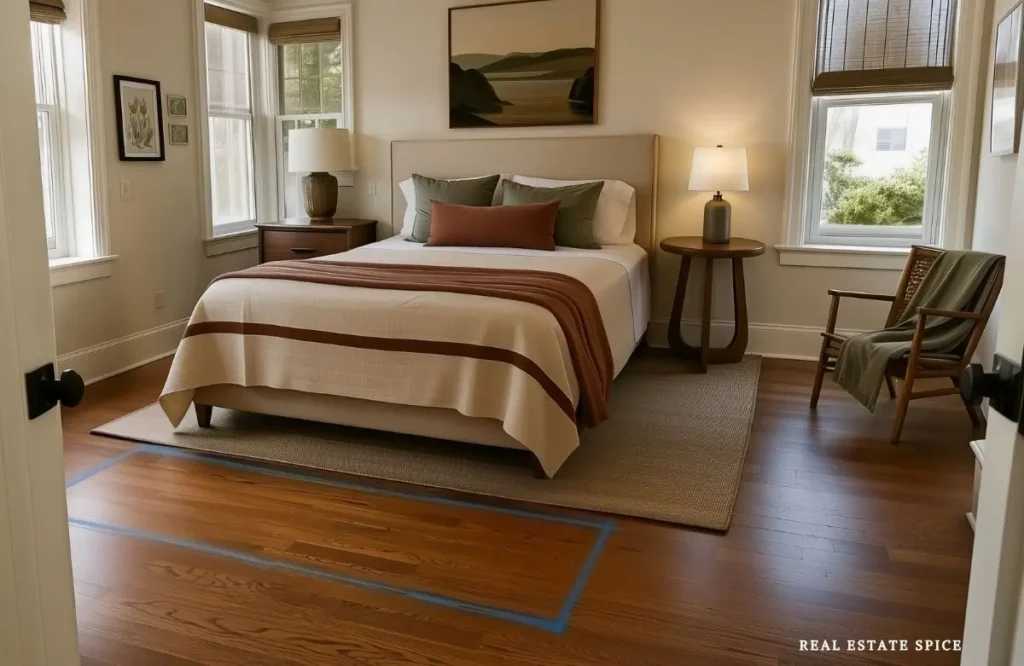
Move the furniture you already own before buying replacements.
Live with the new arrangement for several days.
Notice what happens at bedtime and during the morning rush.
Can each person reach the light and charging cord?
Do you keep bumping the corner of the dresser?
Does the early riser still cross the sleeping person’s side?
Where do clothes, books, and water glasses gather?
Your routines will show you what the room needs.
They’ll also show you what it doesn’t need.
Measure the areas.

Mark a bench or dresser footprint with painter’s tape and walk around it.
If you’re already stepping around the taped outline, the real bench will make the path even tighter.
Keep a short note of the problems that repeat.
Then buy the piece that solves a real problem instead of shopping because the bedroom seems unfinished.
This approach is especially helpful when two people have different priorities.
You can see which change helps both of you before the budget becomes part of the disagreement.
How the Three Priorities Work Together in One Couples Bedroom

Now we can bring the entire Bedroom Rule of 3 together.
Begin with one shared design direction that gives the room a connected foundation.
Make space for two people’s comfort and everyday belongings without requiring matching needs.
Then plan for the routines you share and the ones you handle differently.
These priorities work because they cover more than appearance.

They help you decide what belongs in the bedroom, where it should go, and whether it makes everyday life easier for both people.
A warm neutral color plan won’t solve a missing bedside light.
Matching nightstands won’t help if neither one holds what the person beside it uses.
Beautiful bedding won’t fix a blanket that leaves one person freezing and the other person overheating.
Each choice has to work with the other two.
The shared direction connects what you see.
The personal comfort decisions take care of what each person needs.
The routine plan keeps the bedroom from becoming frustrating at the busiest and sleepiest parts of the day.
You don’t need to finish every layer at once.
Start with the issue that causes the most daily trouble.
That may be the bed, storage, lighting, or the way you move between the closet and bathroom.
Once that problem improves, the next decision usually becomes much easier to see.
Bedroom Design for Couples in Small Rooms, on a Budget, and During Big Changes
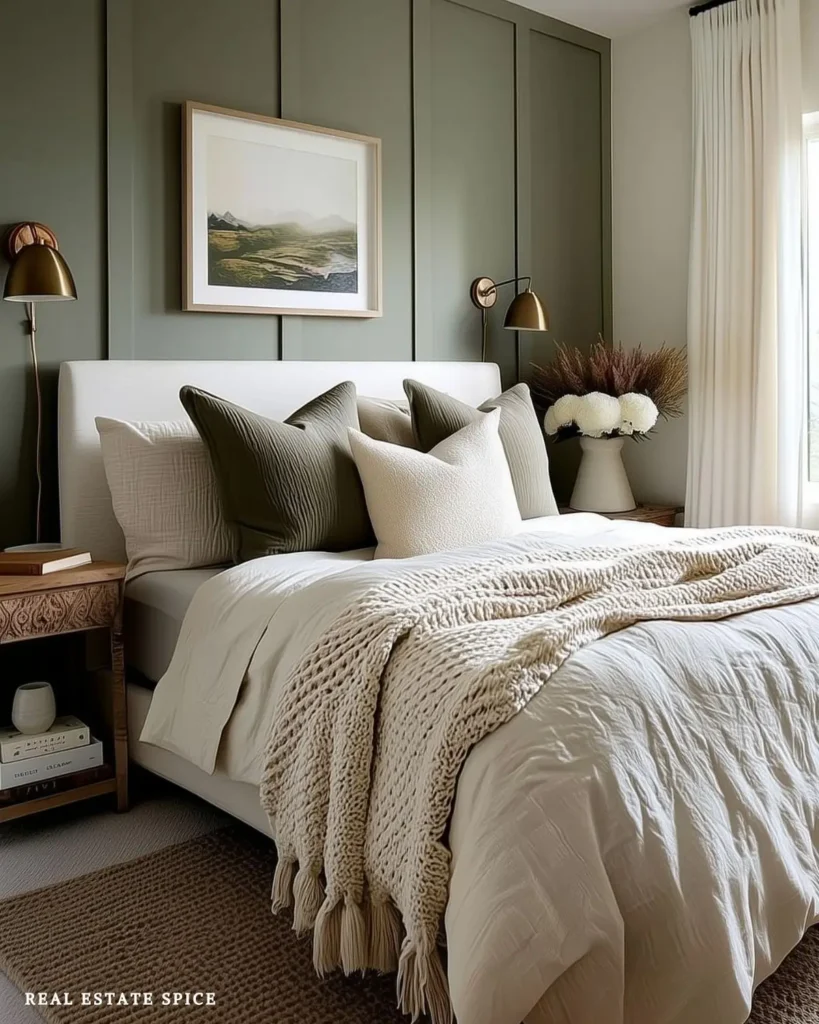
The same three priorities can work in a compact bedroom, a newly shared home, or a room you’re improving slowly.
The scale and budget may change.
The need for shared direction, personal comfort, and workable routines doesn’t.
Small Bedroom Ideas for Couples Begin With What You Both Need Most
In a small bedroom, list the things each person uses every day.
Protect those first.
You probably need a comfortable bed, usable lighting, essential storage, charging access, and a clear route through the room.
You may not need two wide nightstands, a bench, a chair, and another dresser.
Choose furniture that solves more than one problem when possible.
A storage bed can hold seasonal clothing.
A nightstand with drawers can replace a small decorative table.
Wall-mounted lights can free the limited surface space beside the bed.

Open floor is valuable too.
An empty corner is better than another piece of furniture that makes the room harder to use.
The bedroom will look far better without the small daily irritation of squeezing around something you didn’t need.
Bedroom Ideas for Couples on a Budget Should Start With Daily Comfort

You don’t have to replace the entire bedroom to make it work better for two people.
Begin with the change you’ll notice every morning or night.
That may be better pillows, separate blankets, a second bedside light, longer charging cords, drawer organizers, or curtains that give you more privacy.
Rearrange the furniture before buying new pieces.
Move art you already own.
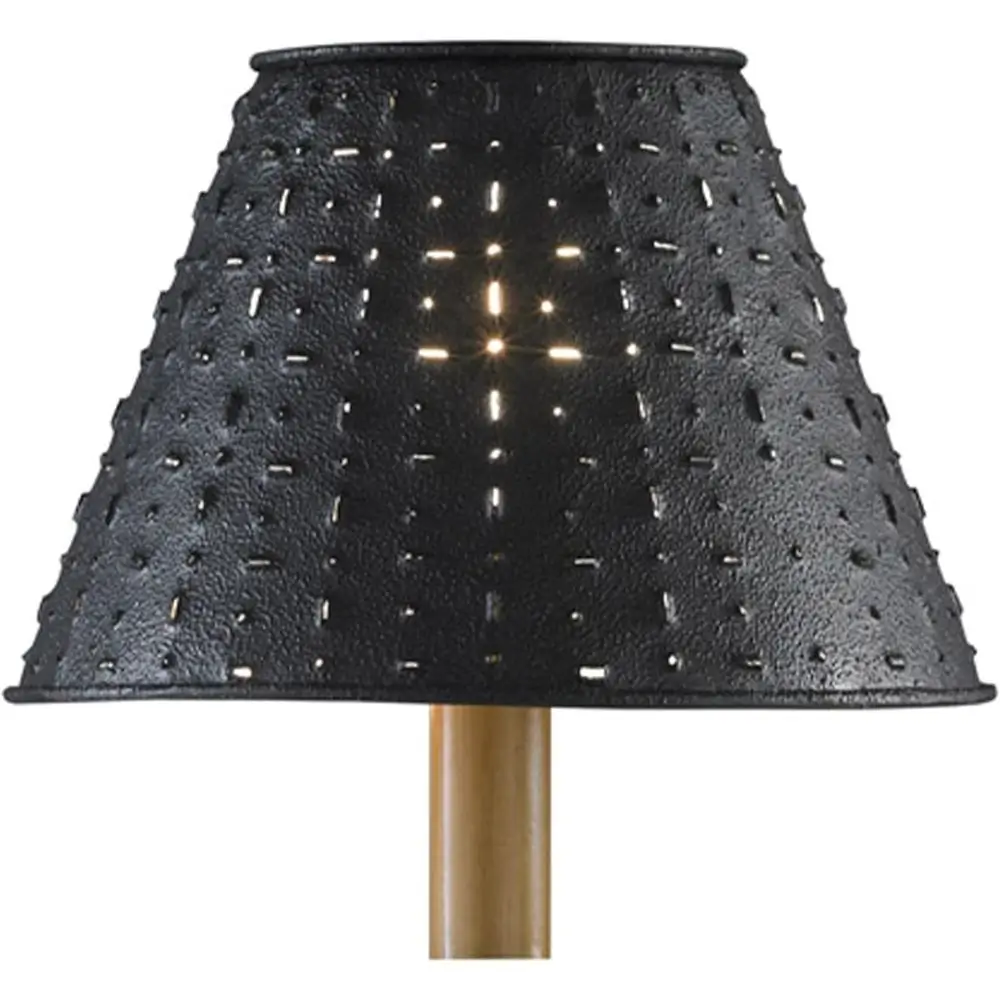
Use matching lamp shades to connect two different lamp bases.
Repeat one color from the bedding in the curtains or rug.
A room can look far more connected when a few existing pieces begin repeating the same colors and finishes.
If the bedroom needs a simpler foundation, these simple bedroom interior design ideas can help you decide what to keep and where one greater change will matter most.
Spend first on comfort and pieces you’ll use every day.
Tiny decorative objects can wait patiently while you build the foundation.
Newly Married Couples Can Combine a Home Without Erasing Its History
Newly married couple bedroom design often begins with furniture and belongings from two different homes.
You may have duplicate nightstands, different lamps, unrelated artwork, and three blankets that all claim to be a must.
Don’t rush to replace everything.
Choose the best-fitting pieces first.
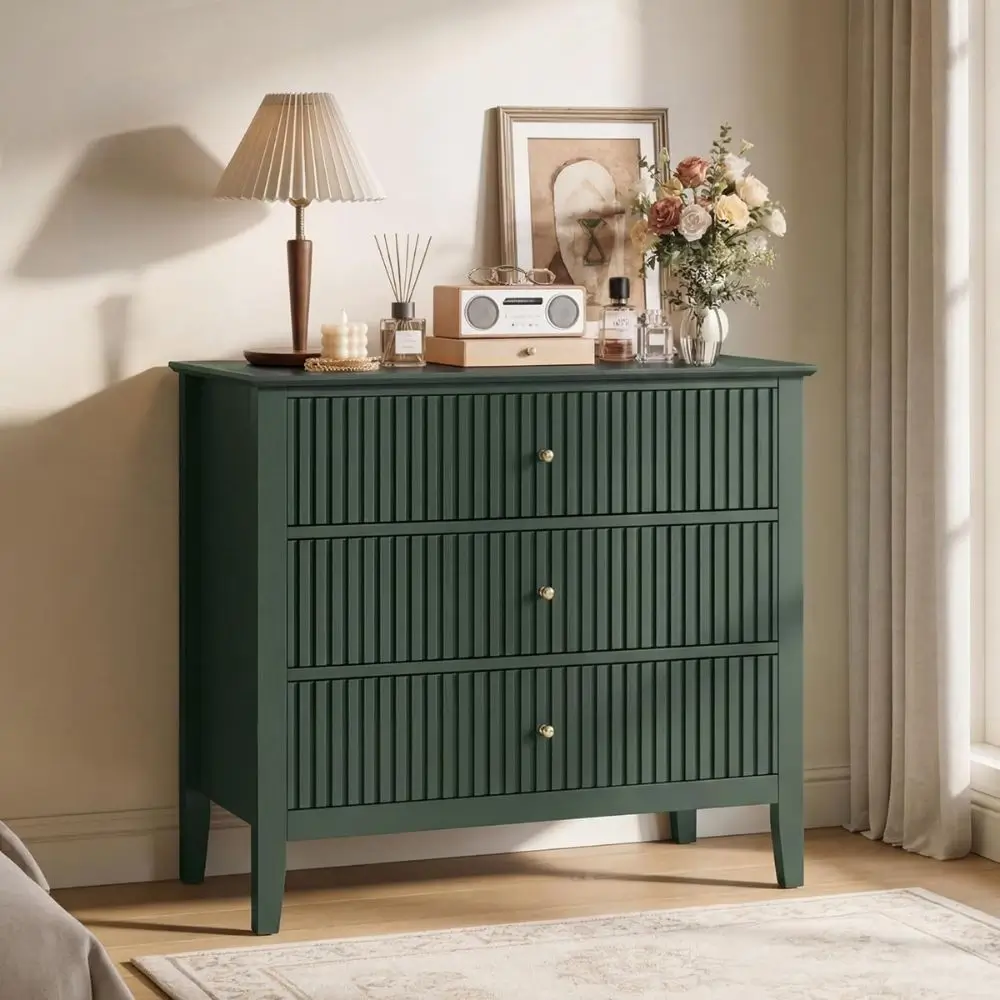
Then look for a visible connection between them.
Two different nightstands may work together with matching lamps.
Different dressers may look more connected when they share similar hardware.
Artwork from each person can use the same frame color.
Decide together which sentimental things belong in the bedroom and which may work better elsewhere in the home.
Not everything you care about needs to sit within twelve feet of the bed.
Keep enough personal history that the room belongs to both of you.
Give the shared pieces enough space so the bedroom doesn’t look like two apartments are still negotiating a merger.
Questions About Bedroom Design for Couples
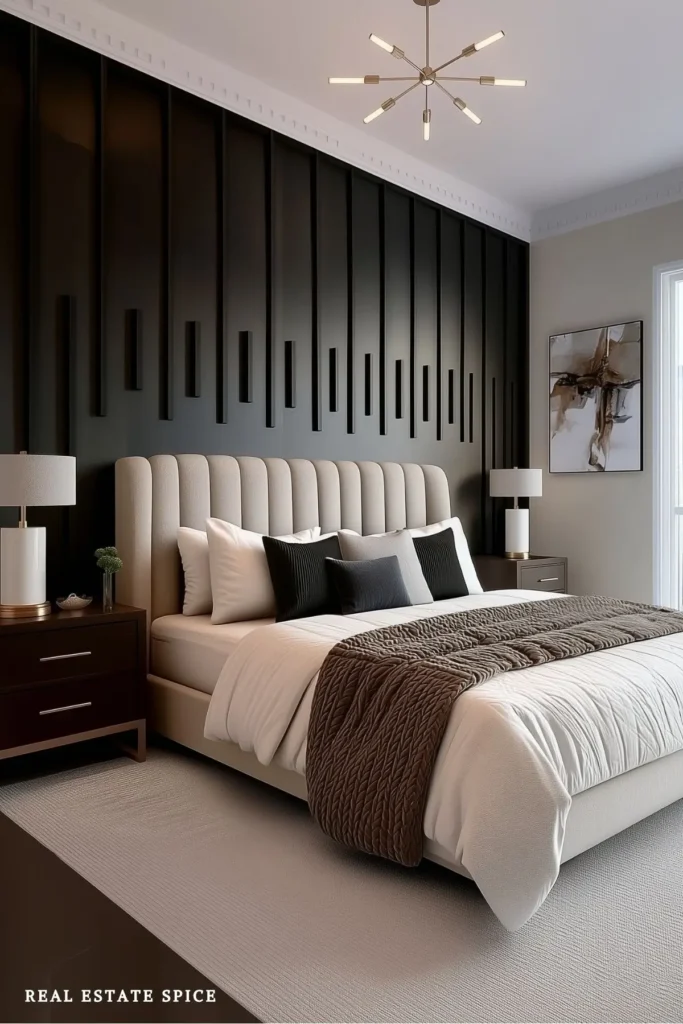
Do Both Sides of the Bed Need to Match?
No.
Both sides need to be useful, and they should share enough visual details to look connected.
You can use different nightstands with a similar height, color, wood tone, or hardware finish.
The lamps can match even when the tables don’t.
You can also use a table on one side and a wall shelf on the other in a smaller room.
Balanced doesn’t always mean identical.
It means neither side looks forgotten, and both people can comfortably use the bedroom.
What if One Person Cares More About Decorating?
Let the more interested person gather options, but make the major decisions together.
Both people should approve the bed, wall color, primary furniture, and anything that affects sleep or daily routines.
Smaller decorative decisions don’t need a committee meeting.
One person might choose the pillow covers while the other chooses the bedside technology or storage.
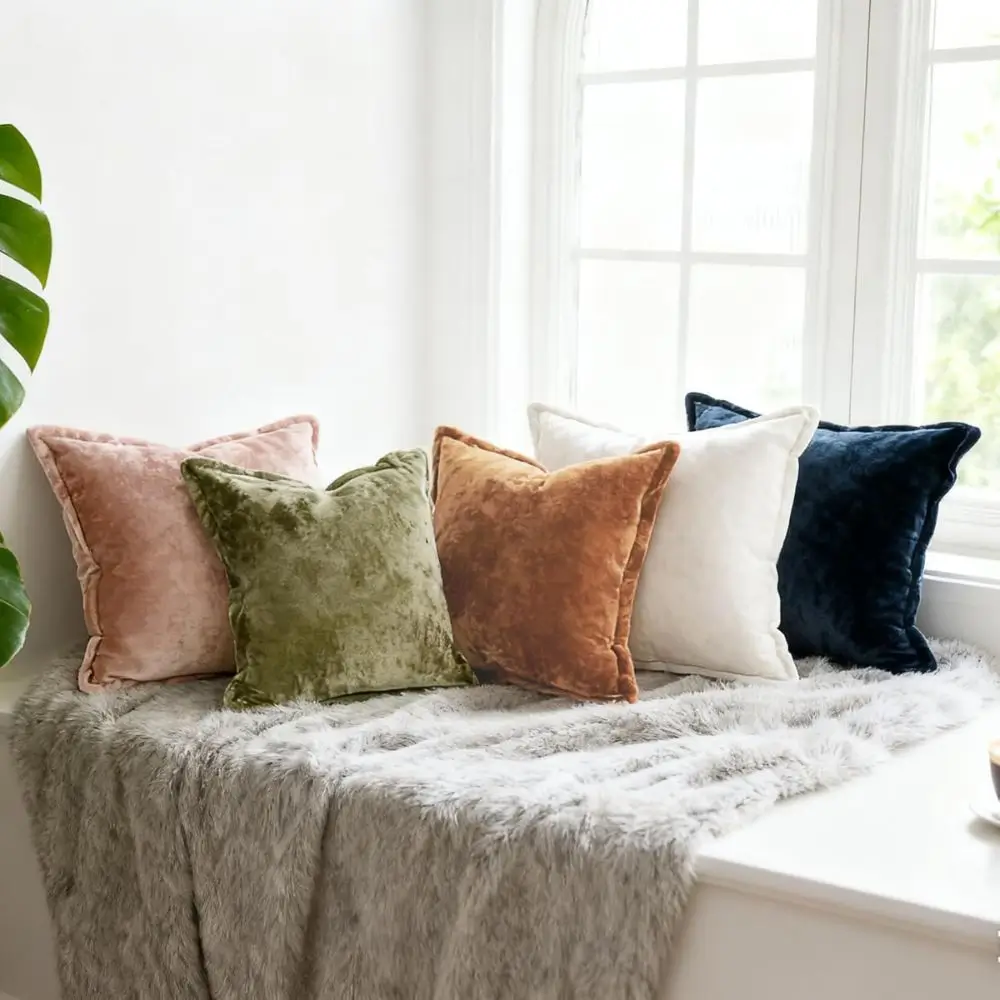
The person who cares less about decorating may still care very much about darkness, temperature, mattress comfort, or how easily they can find their clothes.
Those preferences should shape the bedroom plan too.
How Do You Make a Couples Bedroom Romantic Without Making It Look Themed?
Begin with privacy, comfort, flattering light, and bedding that makes both people want to climb into bed.
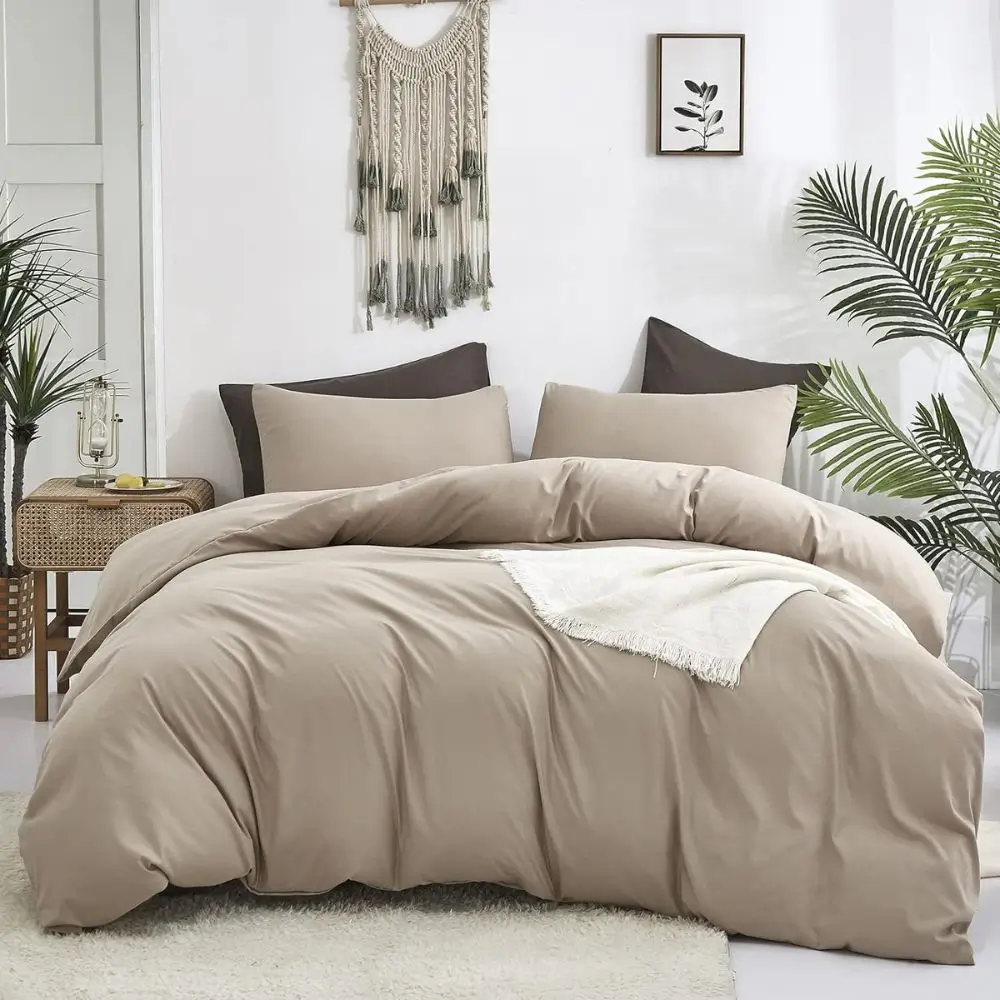
Use dimmable lamps, full curtains, soft fabric, and personal art or photographs.
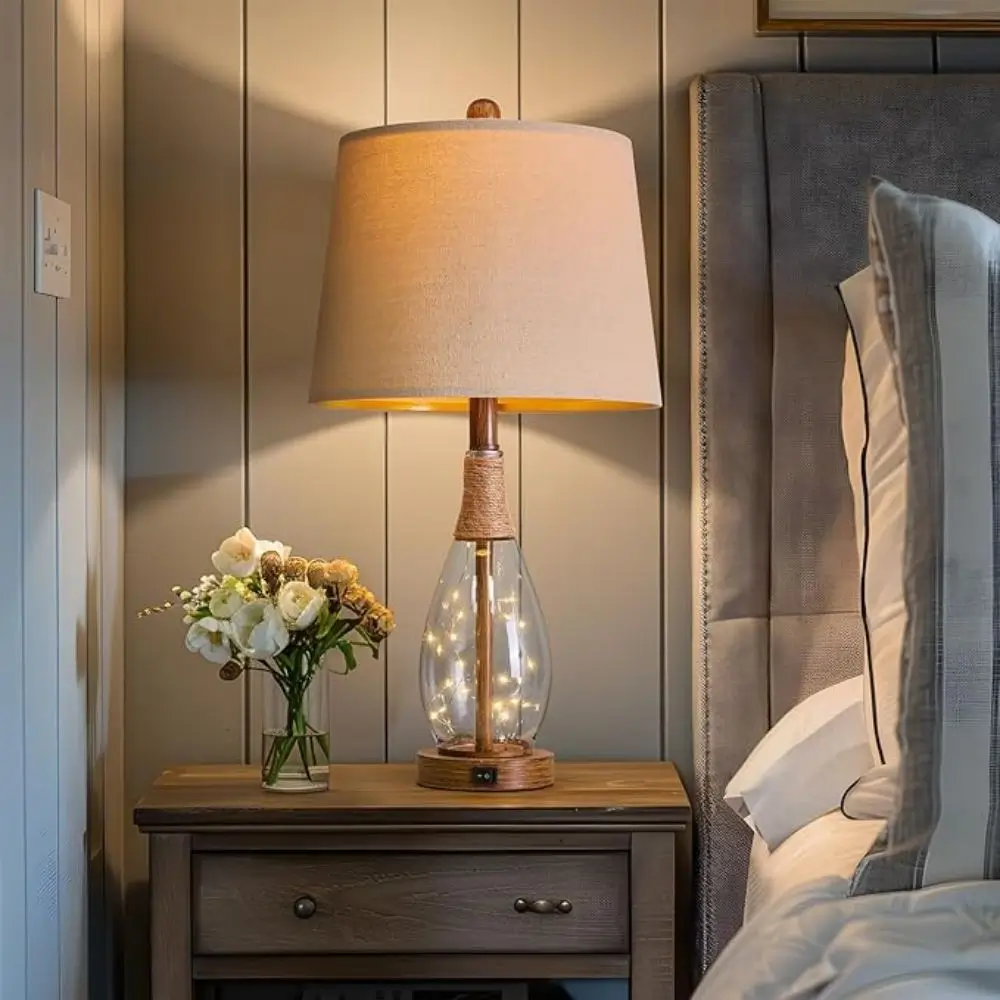
Remove work clutter and anything that creates an unnecessary nighttime annoyance.
Romantic bedroom ideas for couples don’t require rose petals, signs, or a special occasion.
A comfortable room where you can talk, rest, and enjoy being together will last far longer.
A Couples Bedroom That Makes the End of the Day Easier
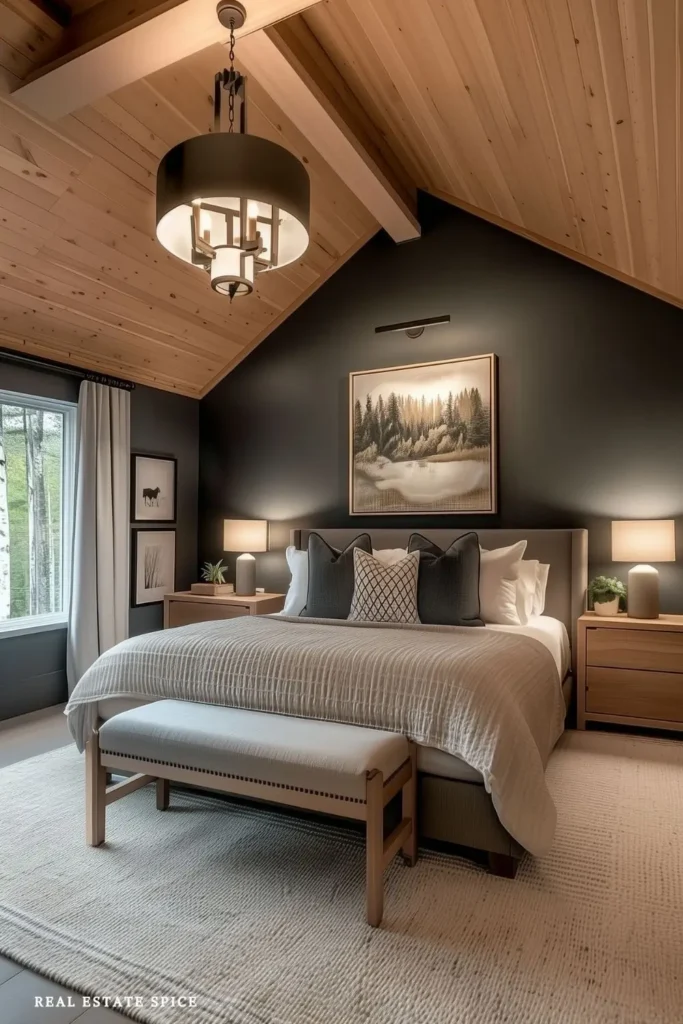
When the bedroom works for both of you, the small daily irritations begin to disappear.
Each person can reach a light, charge a phone, find their clothes, and sleep beneath the blanket they prefer.
The early riser can get ready without turning the bedroom into a fully illuminated search operation.
The night owl can read without shining a lamp across the other pillow.
Personal pieces belong in the room without one person’s style taking over every wall.
The furniture fits your routines instead of making you squeeze around it.
You don’t need to agree about every lamp, pillow, or frame.
You need a shared direction, comfort for two people, and a room that works through both of your days.
If you want help bringing those decisions into the rest of the room, use the Bedroom Rule of 3 to connect your furniture, color, lighting, and decor.
The best bedroom design for couples doesn’t ask either person to disappear.
It gives both of you comfort, personal space, and fewer frustrations when your patience has already been used up for the day.
When the lamps are low and the rest of the house finally settles, you can look around and see a bedroom that belongs to both of you.